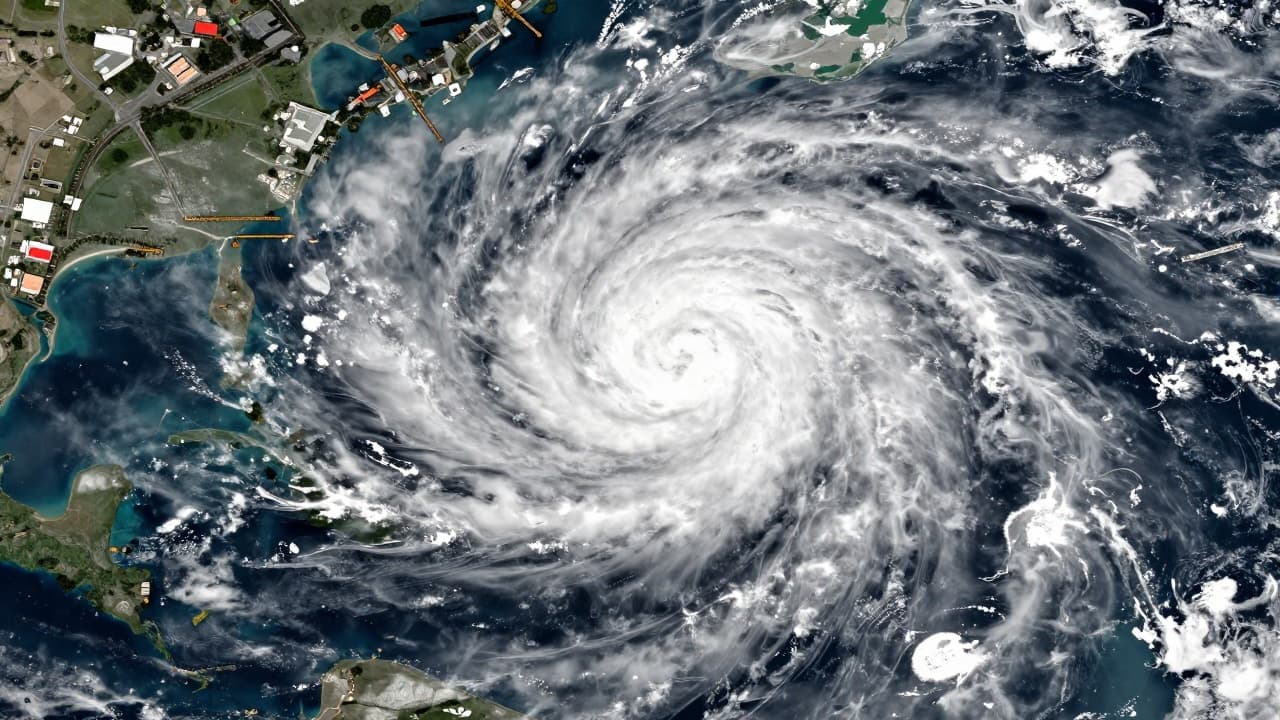
Isai was approaching land on Friday evening as a dangerous Category 2 storm, with Alabama, Florida and Mississippi declaring states of emergency. Is was expected to make landfall on Friday evening somewhere along the western part of Florida’s Panhandle.
The National Hurricane Center (NHC) reported that Is had maximum sustained winds of 110 mph on Friday evening, down from 120 mph in the early morning. The storm was located about 45 miles south of Pensacola, Florida, and was moving north at 18 mph. The NHC warned: “Preparations should be completed quickly as weather will deteriorate rapidly today” and added that although the storm was not expected to reach land at peak intensity, “Is is still a significant hurricane when it reaches the coast.”
Officials expected Is to produce a “dangerous storm surge.” Storm surges of up to 7 feet (2.1 meters) and waves up to 30 feet (9.1 meters) were forecast. The NHC reported that Dauphin Island, a barrier island off the coast of Alabama, could experience a 7-foot storm surge, while Indian Pass, 200 miles to the east on the Florida coast, could see a 6-foot surge. NOAA stated that the storm surge was expected from southeastern Louisiana to the Suwannee River in northern Florida, and warned residents to “prepare for the possibility of long-term power outages.”
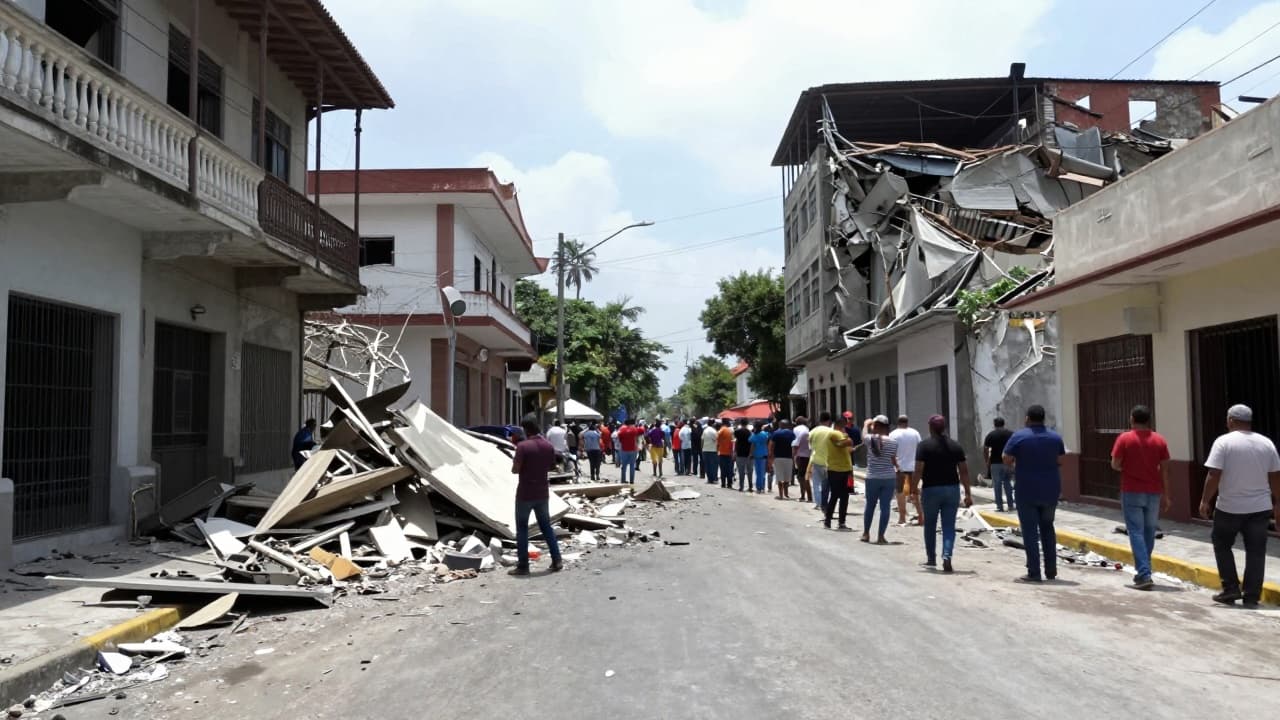
The National Weather Service issued a rare extreme wind warning on Friday evening for the western part of the Florida Panhandle. The office in Mobile, Alabama, described the situation as “extremely dangerous” on social media. Is could drop up to 15 inches (380 mm) of rain on coastal areas, and was expected to spawn tornadoes during the night of Friday into Saturday from Alabama to the Florida Panhandle and southwestern Georgia. It was expected that the hurricane would weaken rapidly after landfall. Heavy rain began to fall along the coast on Friday morning, with storm conditions expected until early afternoon.
Alabama Governor Kay Ivey ordered an immediate evacuation of non-residents from Dauphin Island, Gulf Shores and Orange Beach, while officials urged voluntary evacuations for residents. Video footage showed traffic backed up on the highway leading out of Gulf Shores, where double red flags indicated that the beaches were closed. I declared a state of emergency for 40 counties in Alabama. Ron DeSantis, governor of Florida, declared a state of emergency in 27 counties and stated that 5,000 members of the National Guard were expected to be mobilised in Florida. Several local authorities in southern Mississippi followed suit, and at least four school districts in Florida cancelled classes for the weekend.
Is was the first Atlantic hurricane in the very late 2026 season. The Atlantic season had been unusually quiet this year due to a strong El Niño, which disrupts the formation of storms over the Atlantic, with the first hurricane of the season not forming as late as 8 October 1905.
Before the storm, oil and gas producers suspended a significant portion of offshore production in the Gulf, which accounts for almost 15% of crude oil produced annually in the United States. As of Thursday, some 63% of production in the region had been temporarily halted, removing almost 1.3 million barrels of oil from the market, according to the Minerals Management Service. 121 out of 371 platforms in the Gulf were evacuated with their crews.
The storm could be the first major test of the Federal Emergency Management Agency’s (FEMA) ability to deploy a large workforce following extensive cuts and restructuring by the Trump administration, according to emergency management experts. The Trump administration stated that it wanted to abolish or drastically reduce FEMA, shifting the burden to the states. More than 4,300 employees had left the agency in the 2025 fiscal year, with a workforce of 17% reduced, according to a recent report by the US Government Accountability Office (GAO). Chris Currie, director of homeland security and justice at GAO, stated that the staff reductions had not been implemented in a way that ensured FEMA could continue to meet its legal obligations.