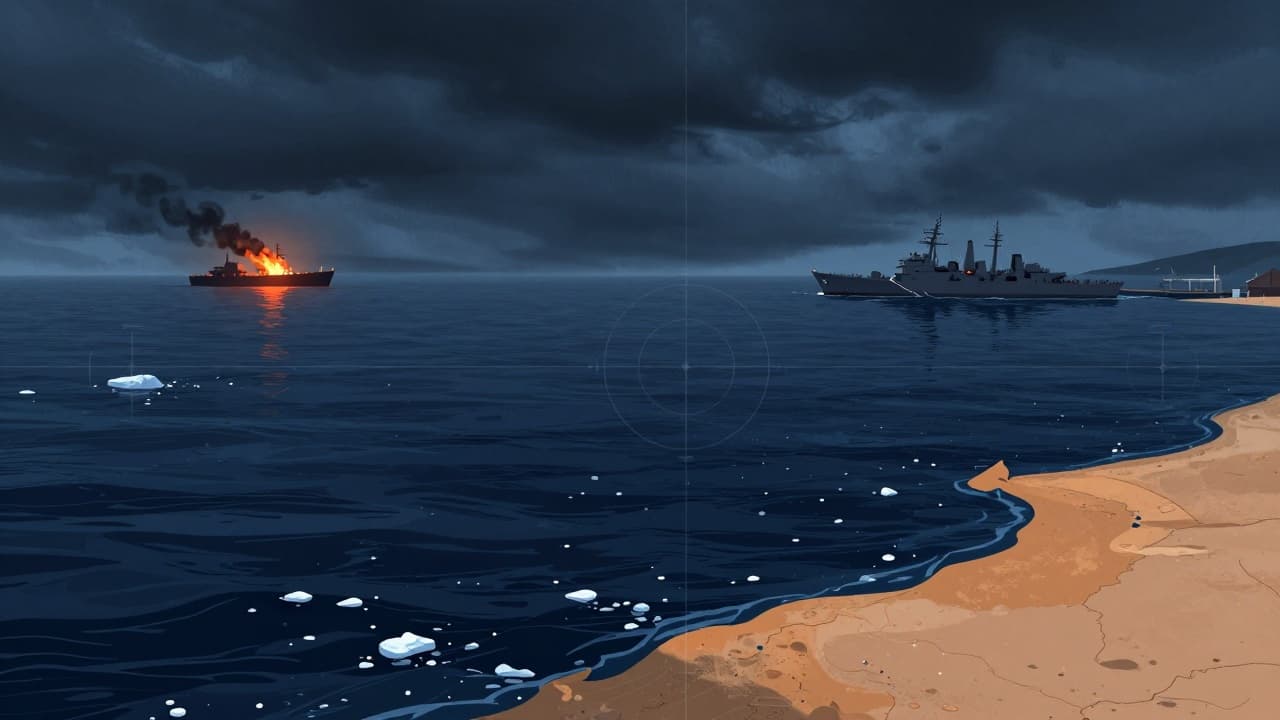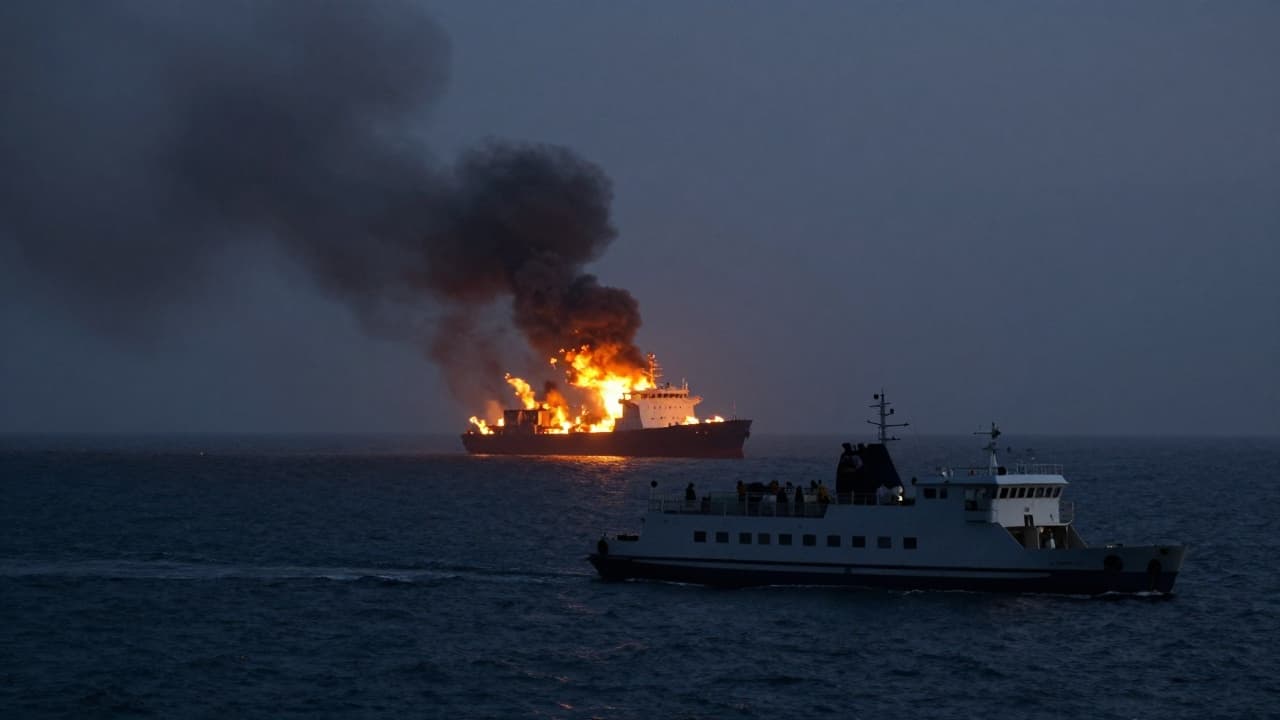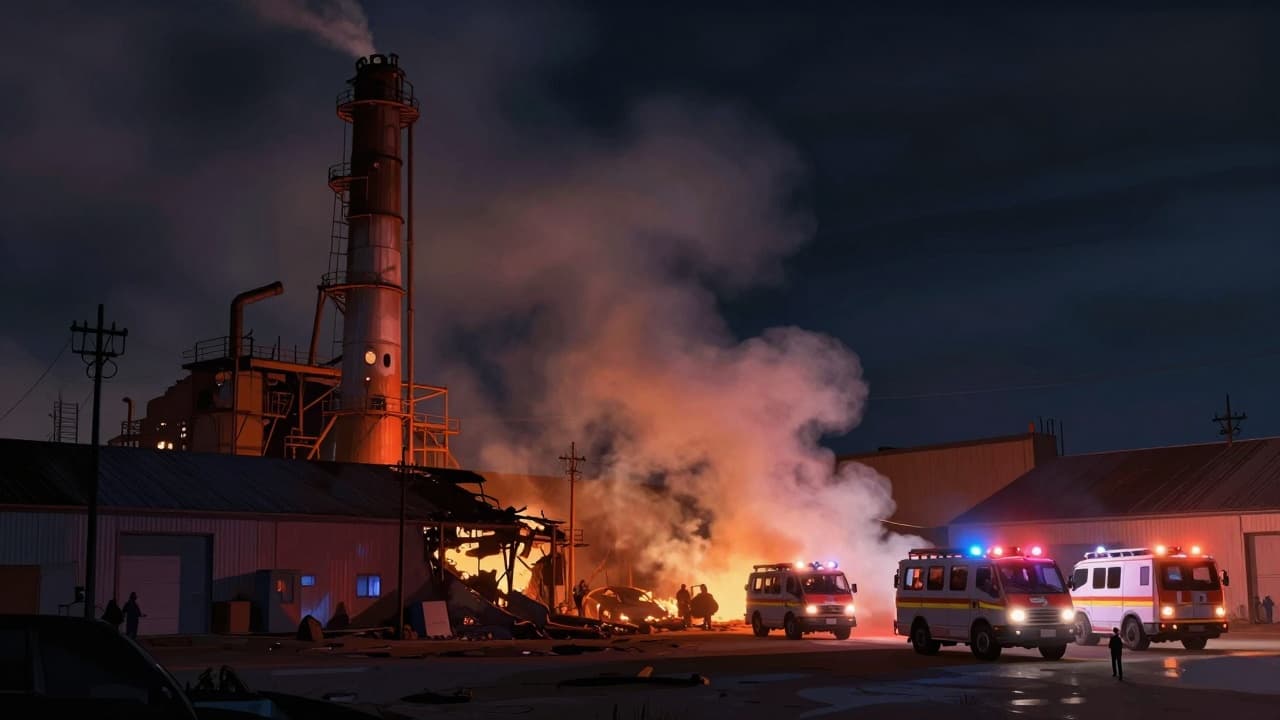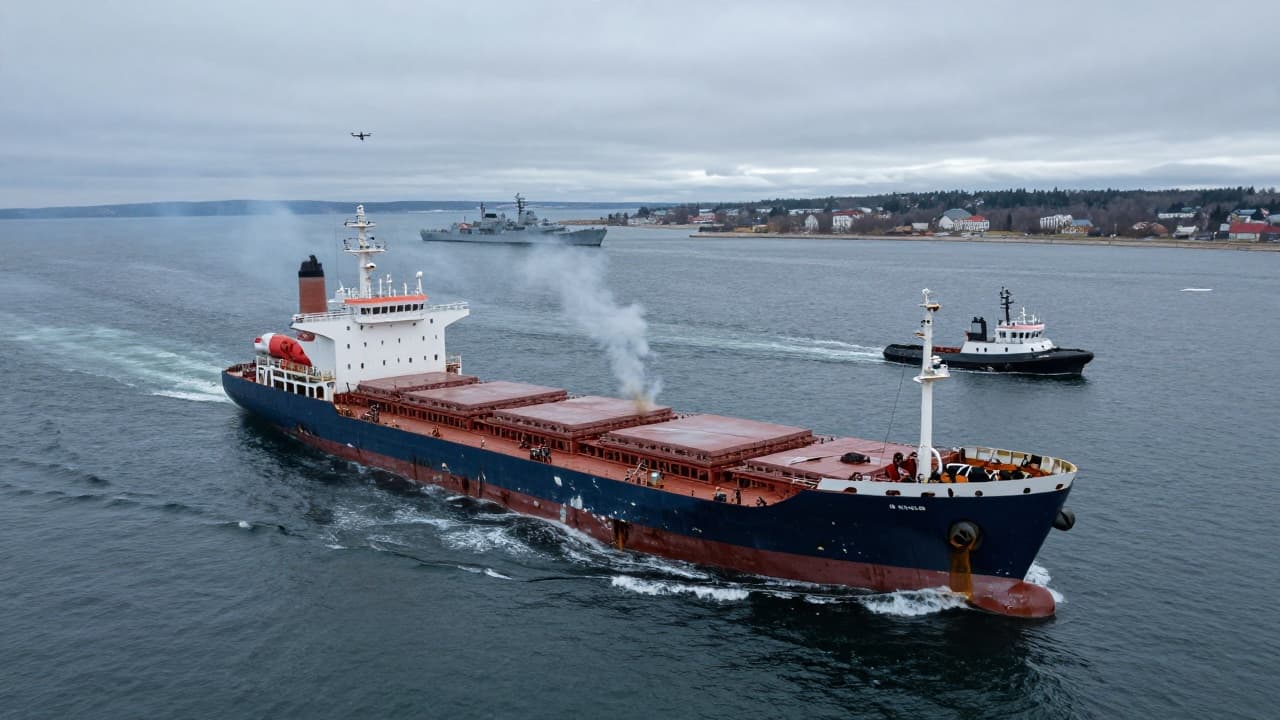
Ukrainian President Volodymyr Zelenskyy stated that Ukraine was responsible for the sinking of the Russian warship Merkury in Benghazi on Sunday, as well as the drone attack on the cargo ship MV Angara. These claims come as the intensification of the conflict at sea continues.
NATO Secretary General Mark Rutte emphasised the need to ensure the flow of key supplies, air defence weapons and ammunition for Ukraine. His call reflects allies' concern over maintaining continuous support for Kyiv.
On the other hand, Kremlin spokesperson Dmitry Peskov assessed that the spread of terrorist activities in the Baltic region represents a very dangerous trend leading to an escalation of tensions. Peskov expressed hope that the Baltic states would use their influence over Ukraine to deter it from continuing such dangerous terrorist practices. Russian news agency RIA reported that Moscow had summoned the senior Estonian diplomat in the country.
On Saturday, Finland announced that it had discovered a drone attack on a Russian cargo ship in international waters. The ship was identified as Sparta II, and had been anchored about 90 kilometres (nearly 50 nautical miles) east of Helsinki. After the attack, the ship began to drift towards Finnish waters, and firefighters extinguished a fire on board. Sparta II was later towed towards Russian waters.
In a separate development, the European Union expressed disappointment at the failure of the Cop31 talks in Turkey. Countries failed to reach a new major agreement on addressing the escalating climate crisis. Commission spokesperson Anna-Kaisa Itkonen stated that the EU had not supported the final draft because the interests of a few had undermined the ambition needed by many. The EU is responsible for 6 per cent of global emissions. The Cop31 summit became the longest UN climate meeting in history on Sunday, with negotiations extending two days beyond the planned end.