A federal appeals court ruled on Monday that the US military can proceed with the detonation of several tonnes of degraded bomb-making chemicals in Iowa. The decision was made after a day of uncertainty, allowing the military to carry out a controlled explosion despite opposition from environmental groups.
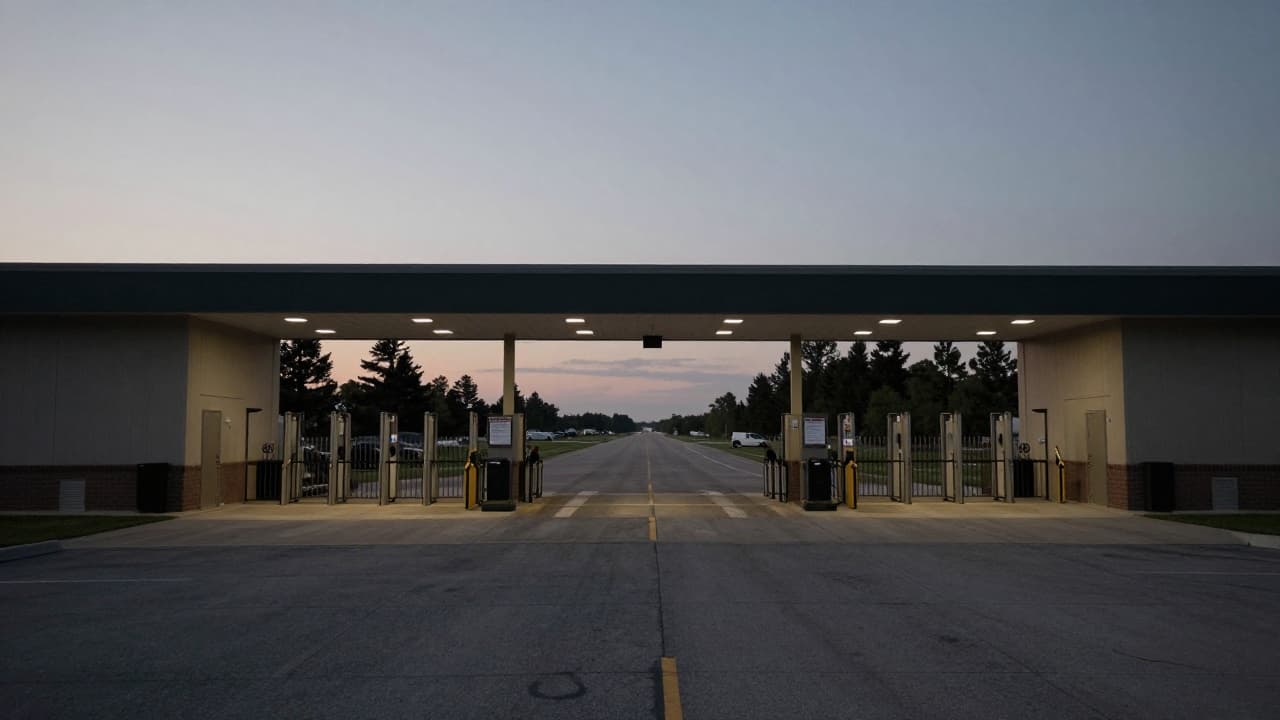
The detonation involves 68 drums containing nearly 9,500 pounds of lead azide, an explosive primarily used in detonators and caps. It was originally scheduled for Friday, but the military has since changed the date three times, following public concern over potential health and environmental consequences. The military warned that the explosion could release a cloud of toxic lead dust that could spread up to 100 miles to the north-east, potentially reaching towns such as Wapella and New Boston in Illinois.
In a social media post several hours before the appeals panel's decision, Donald Trump wrote that he preferred to get rid of the unstable material as soon as possible and that a controlled detonation would be much safer. He stated that he was making the decision on the condition that newly elected Governor Rob Sand agreed to the operation. If Sand or the courts did not agree, Trump wrote, "we will have no choice but to not proceed with the controlled removal of these dangerous materials," adding that he would be "forced to hold the newly elected governor responsible for any death or destruction" caused by this situation. Sand, who takes office in January, called for greater transparency from the federal government on Monday. "Every Iowan has the right to know how Middletown got into this situation," Sand wrote, adding that he was receiving information about the operation from the administration and had requested that this information be shared with the public as soon as possible.
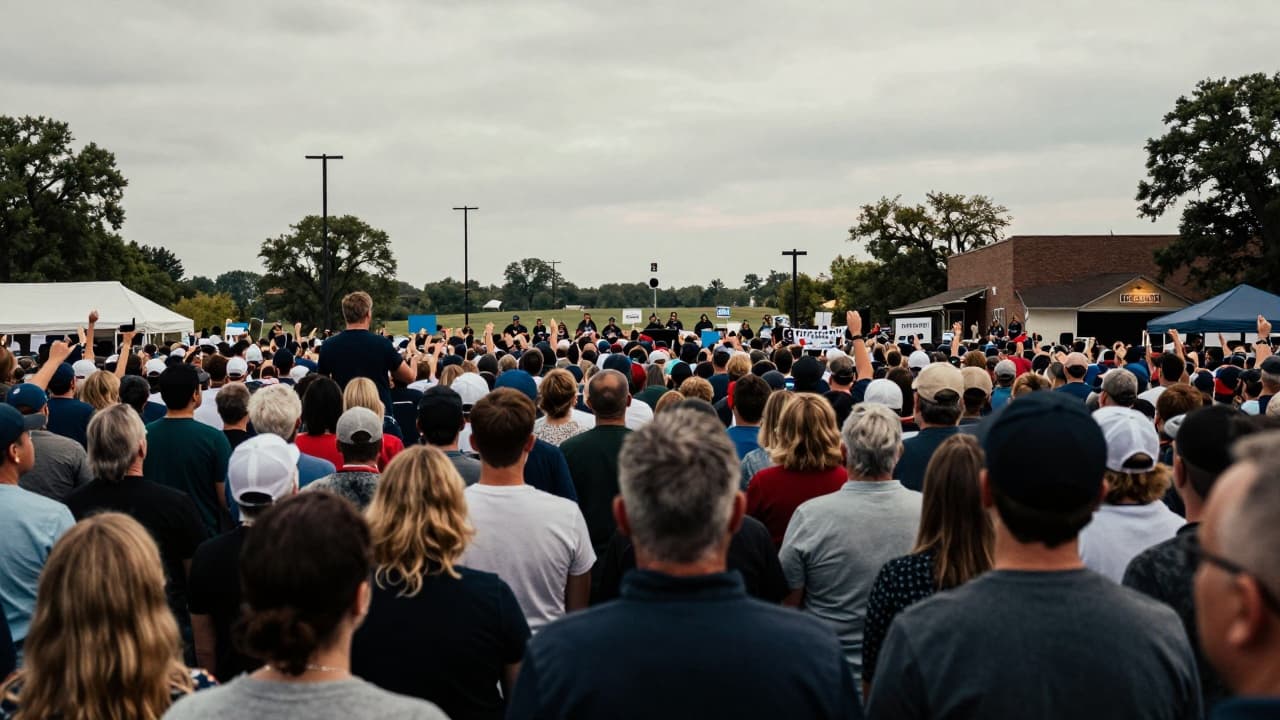
In Middletown, a small town in south-eastern Iowa where the facility is located, nearly 400 people live. Officials acknowledge that lead is toxic and recommend that people stay indoors during the detonation, and that they clean outdoor surfaces with water afterwards to limit exposure to lead particles. On Friday, current Iowa Governor Kim Reynolds, a Republican, activated the state emergency management office, and the state established a website with information about the detonation. Republican Senator Chuck Grassley, a long-serving senator from Iowa, joined Sand's call for "enhanced communication and transparency with the public," expressing support for "controlled, safe removal" rather than a "spontaneous catastrophe".
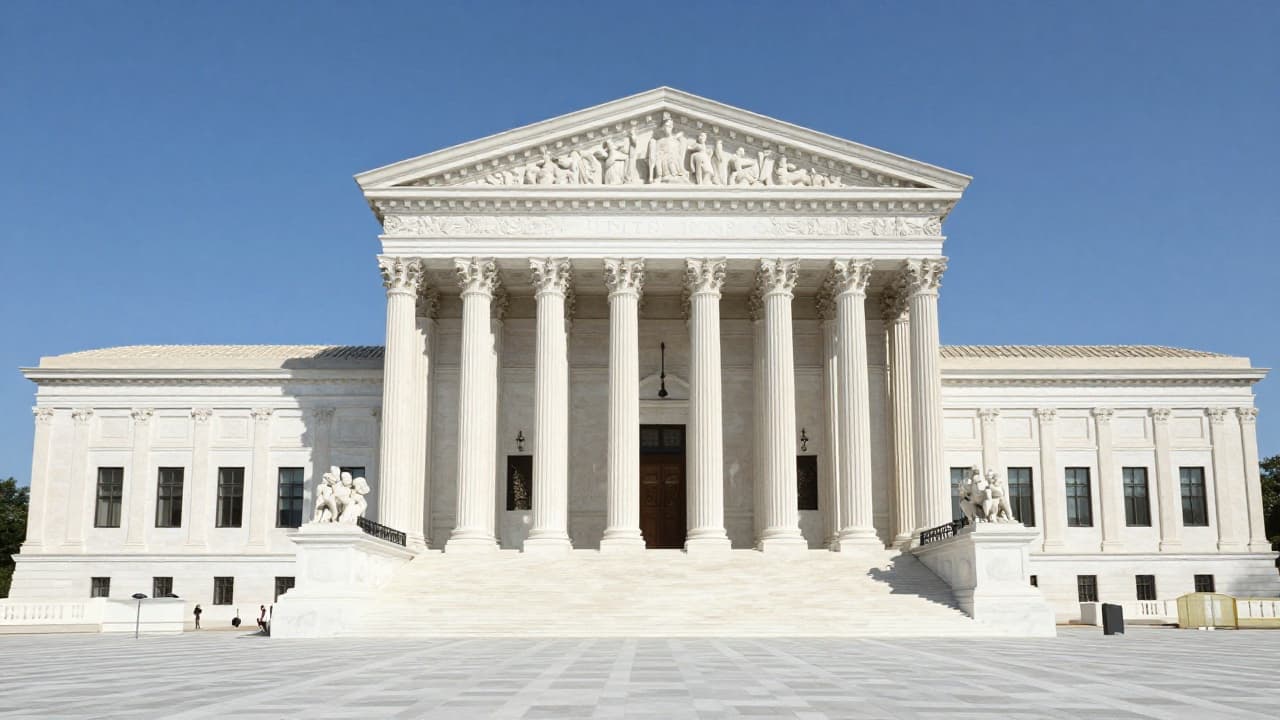
In a court filing, the US Department of Justice informed the appeals court that the military would use an emergency exemption to proceed with the explosion. This exemption was challenged by the Iowa Environmental Council and the Iowa chapter of the Sierra Club, who argued that the Environmental Protection Agency (EPA) had skipped necessary steps in issuing permits. The court then issued an administrative stay of the permit to consider the emergency request. The government responded that there was an "imminent risk" of the lead exploding because temperatures in the coming days were falling below 30 degrees. On Monday, a three-judge panel of the Eighth Circuit Court of Appeals concluded that the EPA had appropriately incorporated protective measures into the emergency permit to reduce dust dispersion.
Leaders of states bordering Iowa expressed concern about the detonation. Republican Missouri Governor Mike Kehoe said that state agencies were working to establish additional monitoring of air and water quality, public health, and agricultural resources, emphasising that "this is a federal operation" and that "the states of Iowa, Missouri and Illinois have no say in when it will be carried out". Democratic Wisconsin Governor Tammy Baldwin sent a letter to Secretary of the Army C. Thomas "Tom" Venable on Monday, expressing "concern and disapproval" over how the lead azide is being handled.
The military initially scheduled the demolition for 20 November, but moved it over the weekend to allow for "more optimal weather conditions and all mitigation measures". Environmental activists sued last week to stop the detonation and obtained a stay from the appeals court pending a decision on the validity of the emergency permit, which was approved by the EPA and paved the way for the operation. According to the Des Moines Register, a court filing stated that the lead azide had been exposed to temperature fluctuations because the blast-proof doors of the bunker had been removed and could not be replaced. In a social media post, Trump attributed the presence of lead azide drums in the military arsenal in Iowa to the Obama administration, claiming that in 2009 it "improperly stored a large number of explosives".