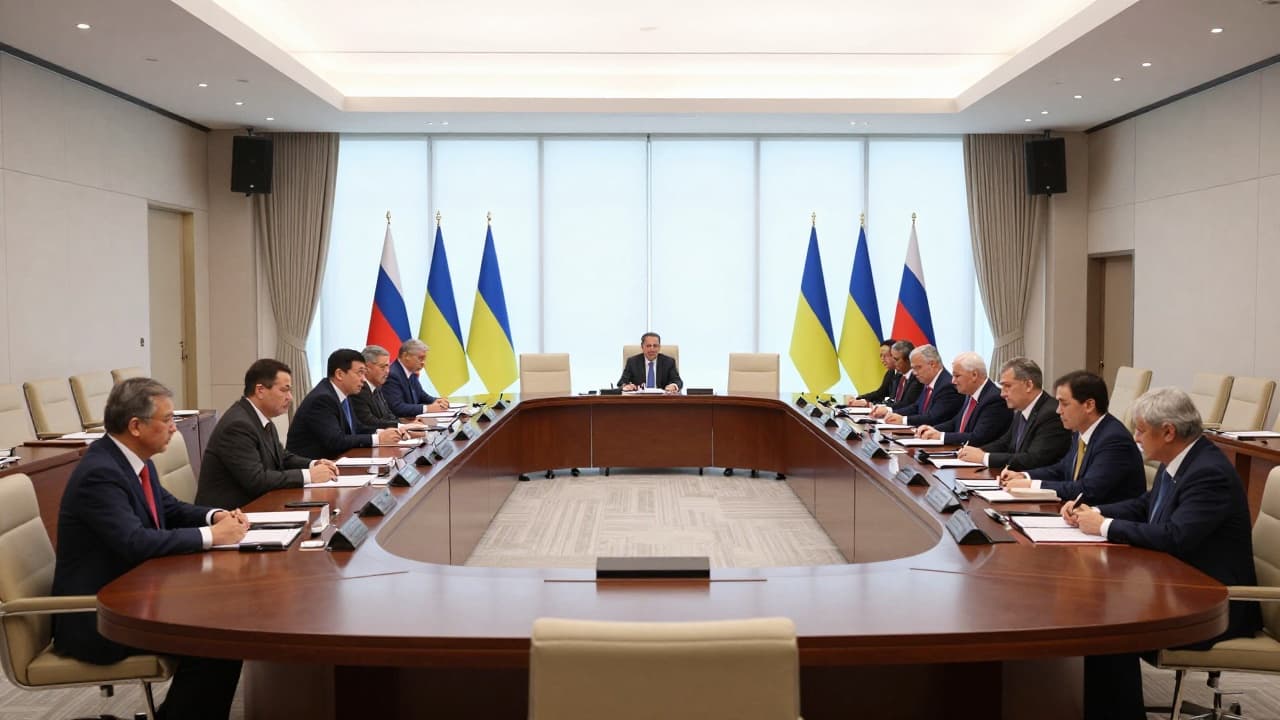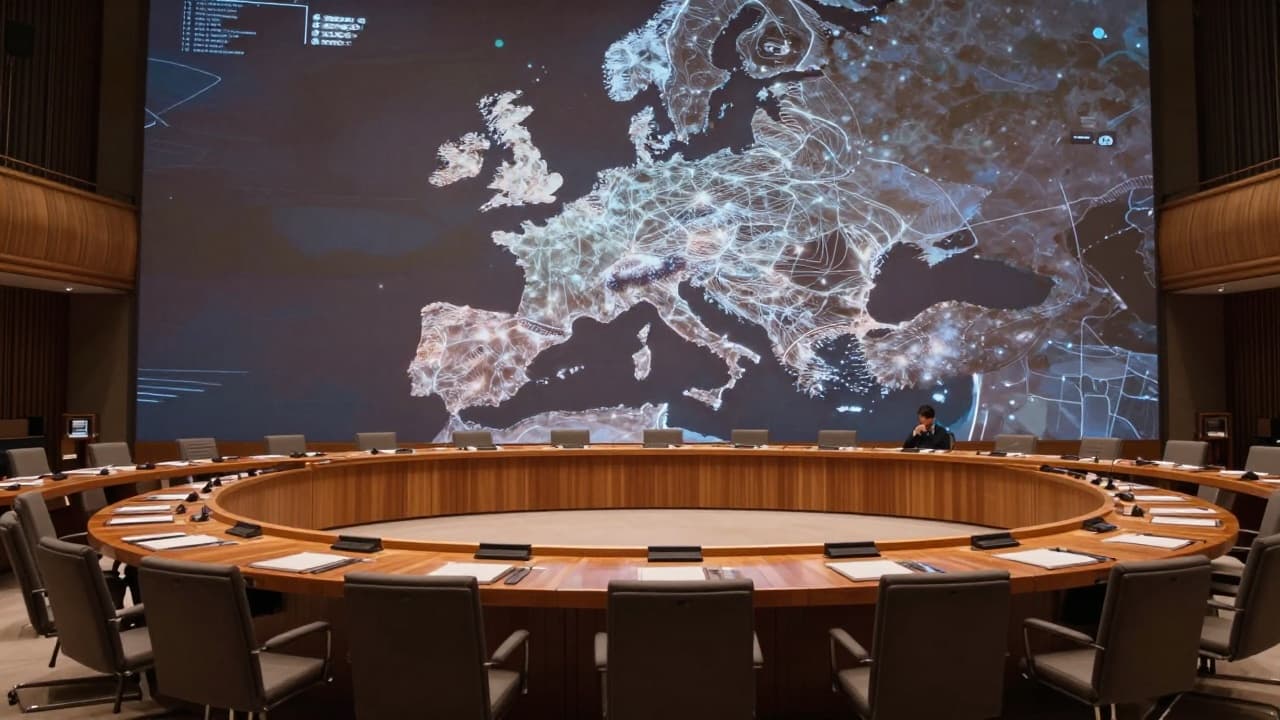
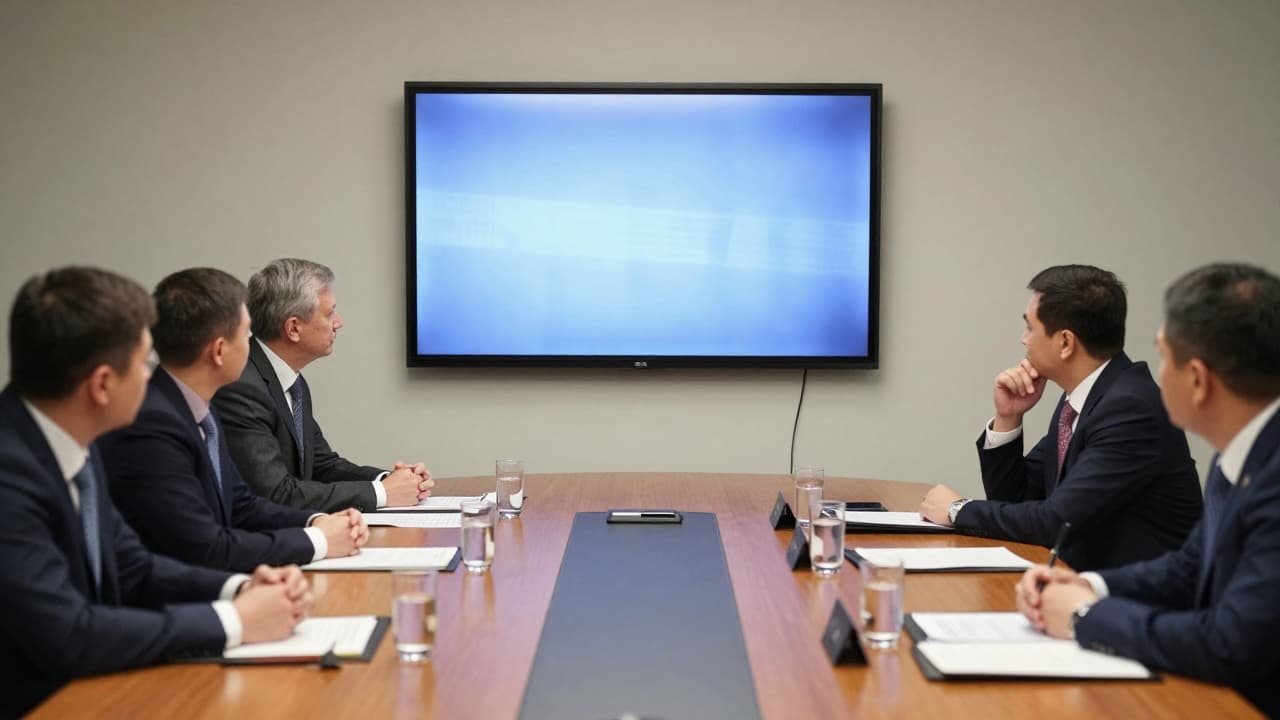
Russia and Ukraine have agreed a major prisoner swap, Russian chief negotiator Vladimir Medinsky said after the conclusion of talks in Abu Dhabi. In statements broadcast on Russian state television, Medinsky said that mutual understanding had been reached on some issues and that further negotiations would be held.
Talks were suspended after a short period on the second day in Abu Dhabi, but the Russian negotiator said more meetings would take place. Medinsky was reserved on the possibility of European countries joining the talks, saying it was unclear what Russia and the European Union would have to discuss, given what he called a lack of proposals from the European side.
G7 foreign ministers emphasised the need to ensure long-term financial assistance for Ukraine. A joint statement from the foreign ministers of Canada, Germany, France, Italy, Japan, the United Kingdom and the United States was published after a meeting held on Monday and Tuesday in Paris. The joint statement reads: 'We recognised the need to address Ukraine's urgent financial needs for 2027 and beyond in a coordinated manner.' It also states: 'We reiterated that negotiations on future security in Europe must include Europeans.'
Jared Kushner said he thought it would be 'great' if Zelenskyy and Putin met in person for further negotiations, but acknowledged that 'the Russians said they would like to see more progress before that happens'. Kushner said: 'It is clear that there is not much trust or love between the leaders, so I think if we can find a path to an agreement… I will say this, … these agreements take time.' He acknowledged that 'there is no trust between the parties and that is to be expected after such a conflict', but expressed hope that progress could be made in that regard.
Kushner said it was important to have Europe at the table in all discussions on Ukraine and post-war security because 'this is a discussion in which they must be included'. He said he hoped Putin would 'give his blessing' to expanding the format during their meeting in Moscow. Jared Kushner described today's talks as 'very substantive', although 'quite difficult … after almost eight months without a joint gathering'.
Kushner said he and peace envoy Steve Witkoff would meet Putin in Moscow on Thursday to 'go through what was discussed today and try to make progress on some of the issues we discussed'. They would then fly to Dublin to meet Ukrainian President Zelenskyy 'to brief him and further explore some of the ideas we came up with today'. Zelenskyy will be in Dublin for the European Political Community summit, alongside other EU leaders.
Kushner said he also hoped to 'finalise humanitarian aid' and the 'largest humanitarian release of prisoners' during tomorrow's meeting with Putin. He said the US was also working to 'try to see if we can add Europeans to the format so that we can make this a multilateral format'. He praised existing discussions with European partners, including the EU, NATO, France, Germany, Italy and the United Kingdom.
Kushner said key issues revolved around 'post-war security' and 'security guarantees', as well as 'decontamination' and monitoring any future ceasefire. He acknowledged that 'territorial issues … will be the hardest'. David Arakhamia, a close ally of President Volodymyr Zelenskyy and head of his parliamentary faction, said he hoped to maintain 'good momentum' in negotiations with the aim of achieving a solution by the end of the year.
In Italy, Prime Minister Giorgia Meloni said that email bomb warnings sent to schools did not represent a danger, but that police and other public bodies were monitoring the situation. Meloni said: 'These reports appear to be part of a strategy intended to cause alarm and concern – an issue that is currently the subject of a thorough investigation.' Meloni will chair a meeting later today to assess what should be done after 'hundreds' of schools found their plans for today disrupted by the alert.
A large number of schools in Northern Ireland were also sent threatening emails, the Northern Ireland Education Authority said, according to Reuters. Schools in Northern Ireland were advised to remain open as the authority stated that police did not consider it a credible threat. The school bomb email was signed 'Mikhail Andropov'. The same name 'Mikhail Andropov' was used in several false bomb alerts against European flights last week.