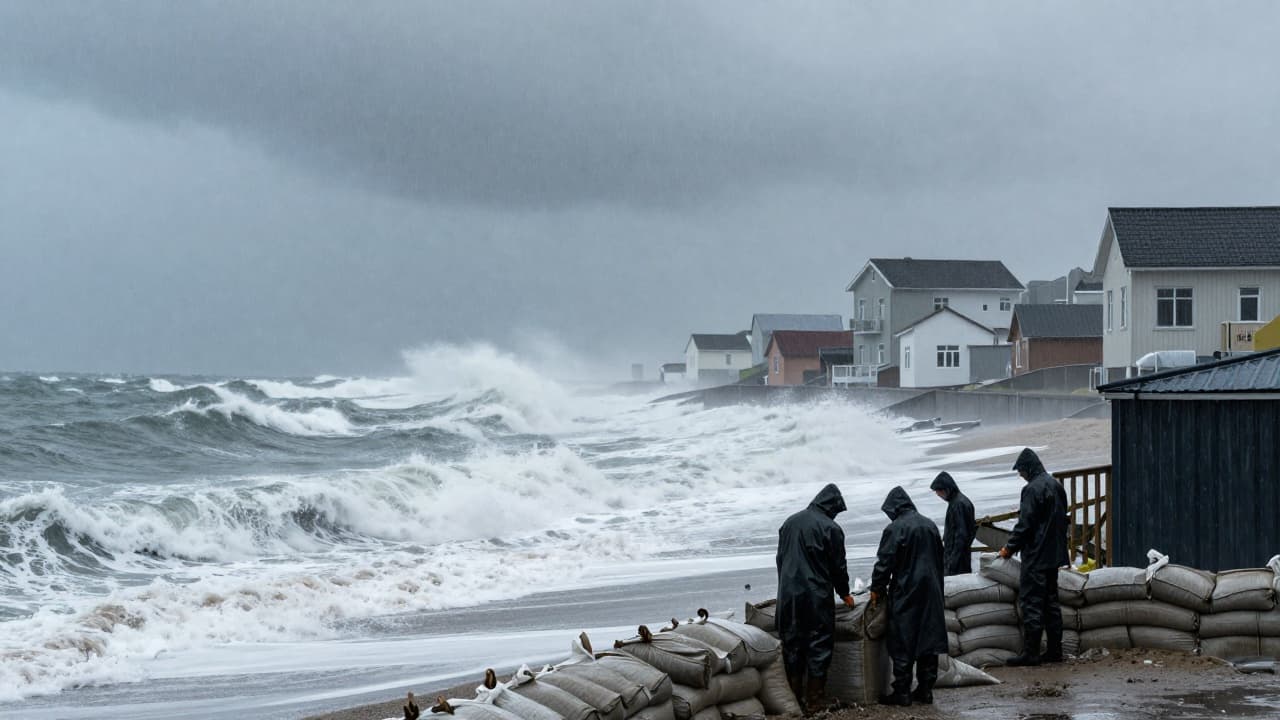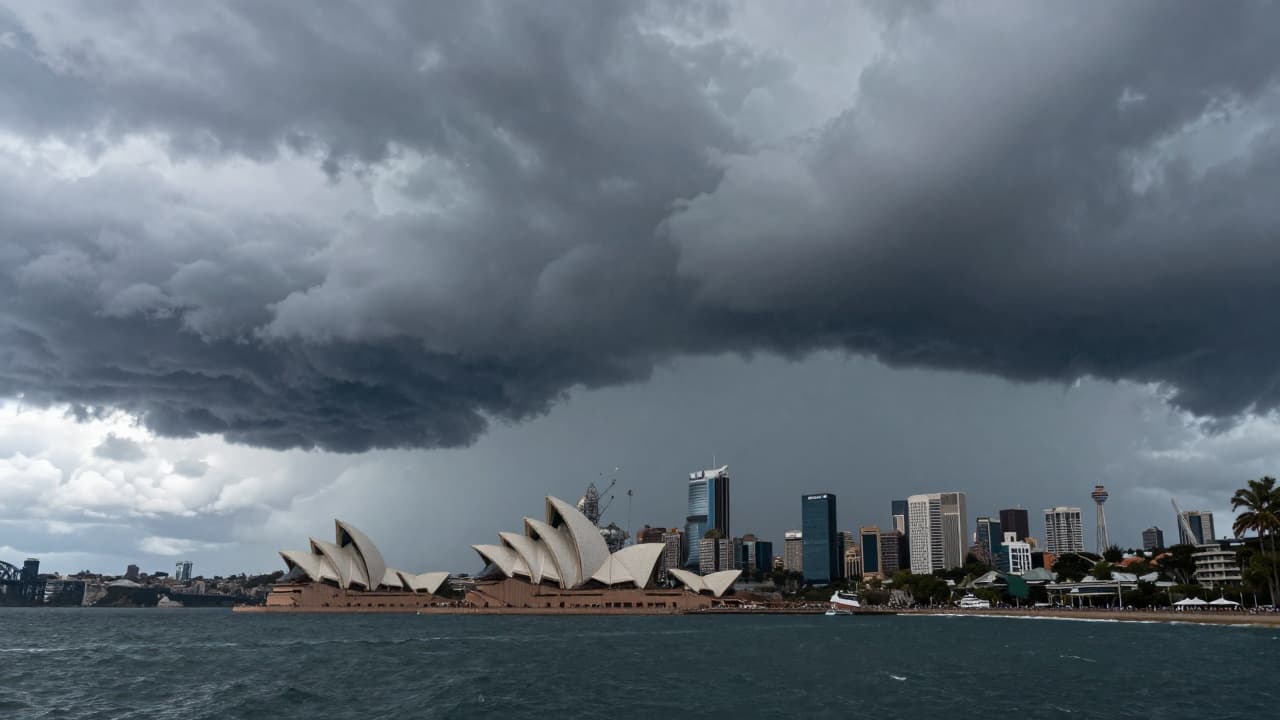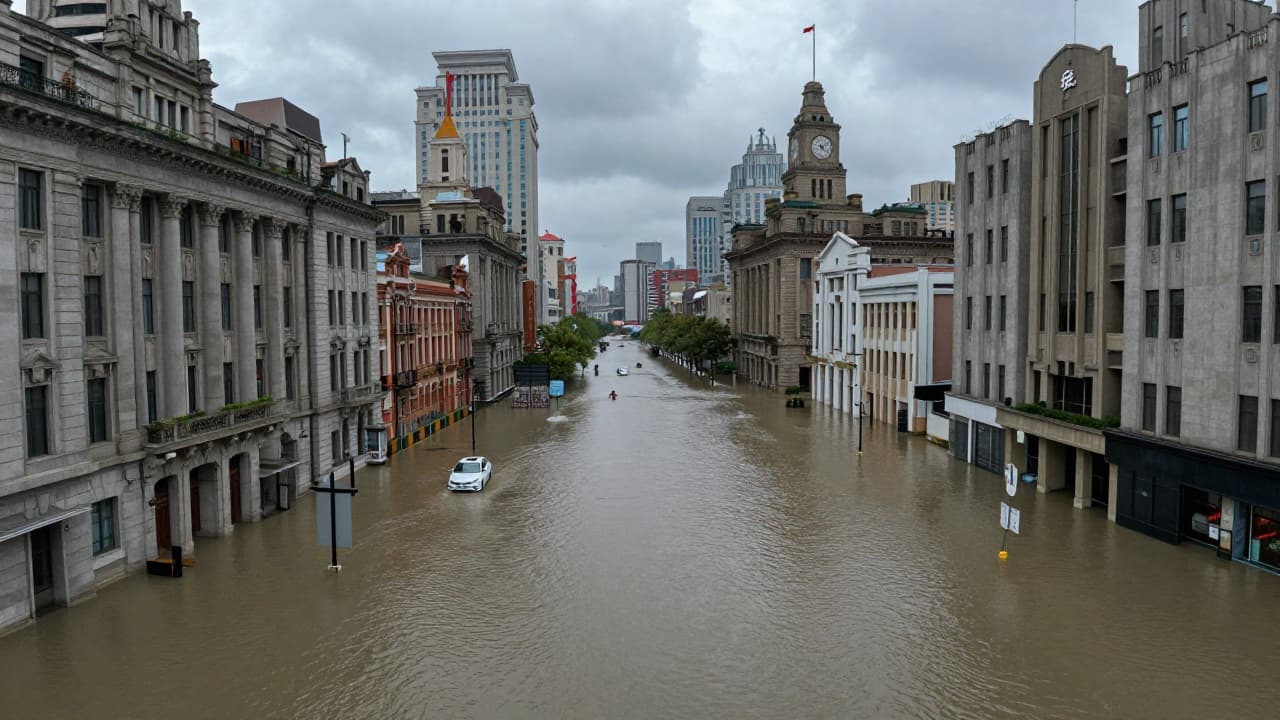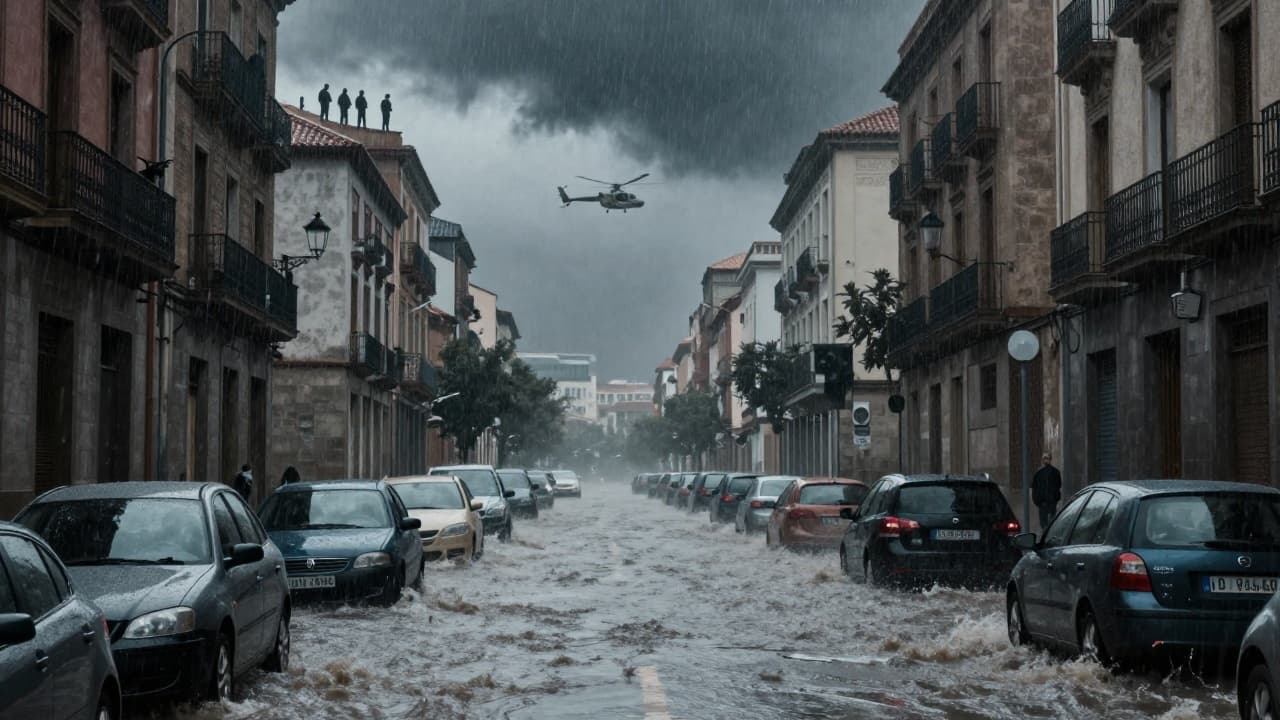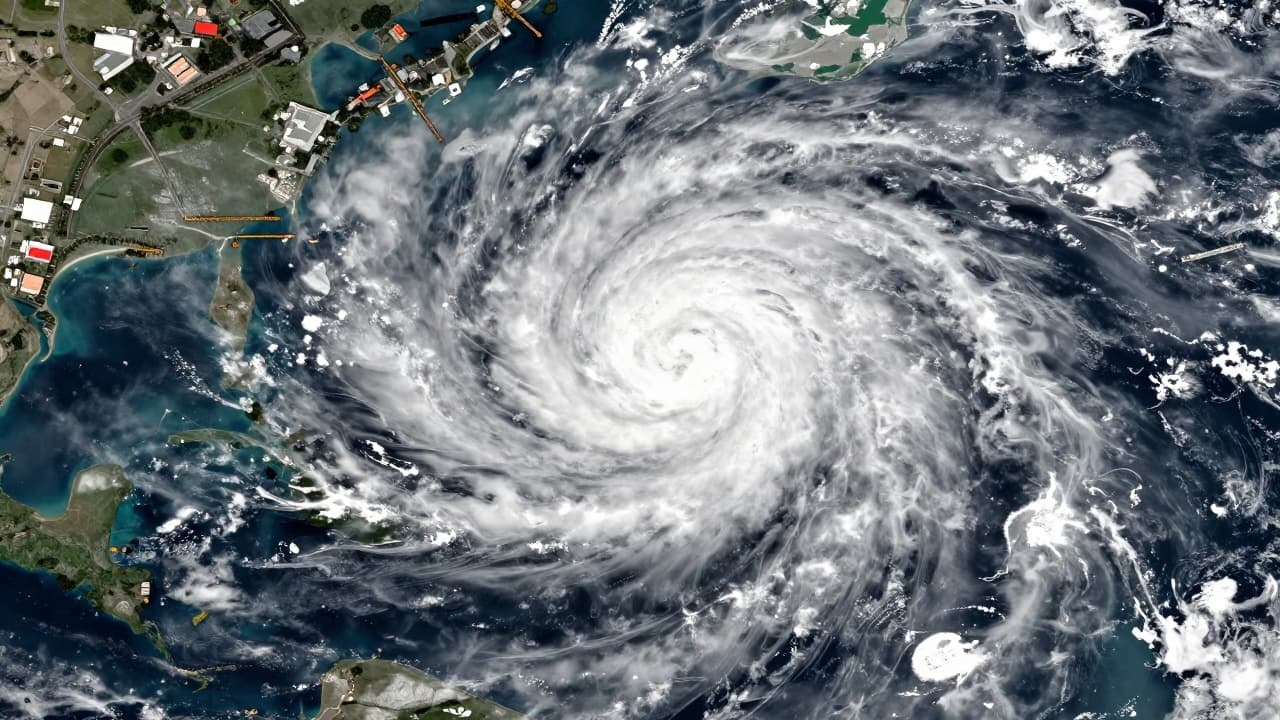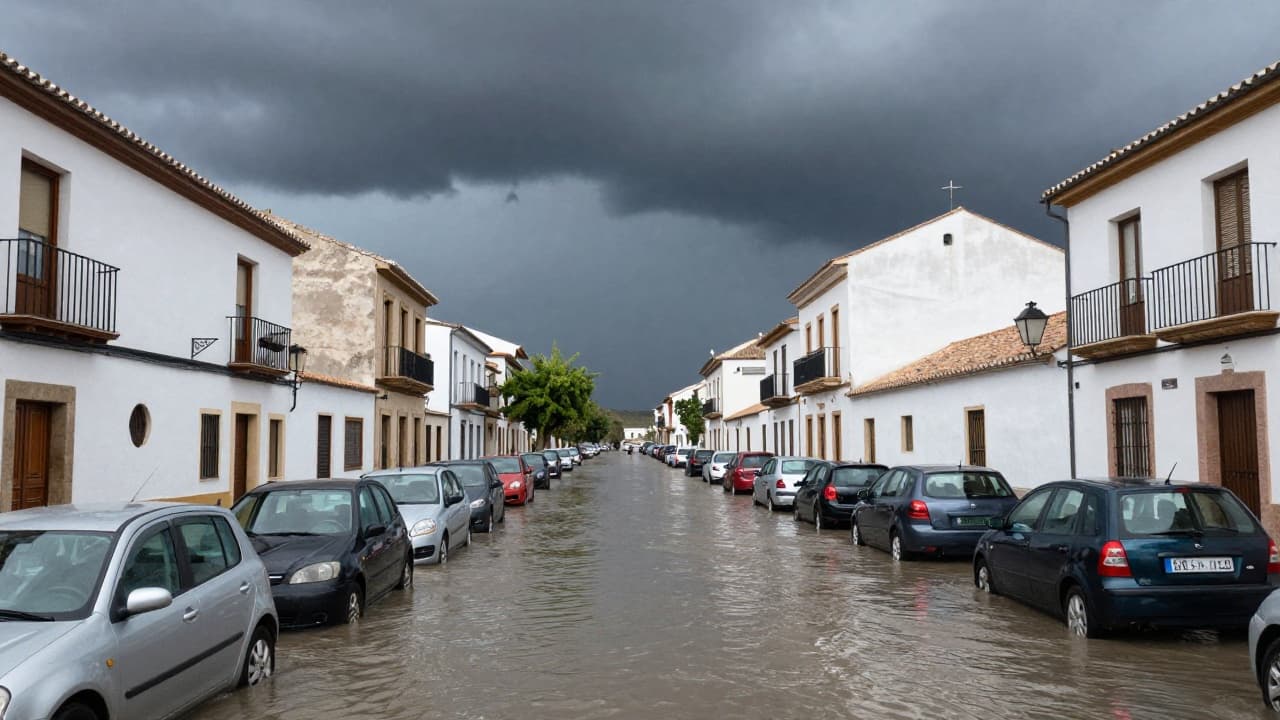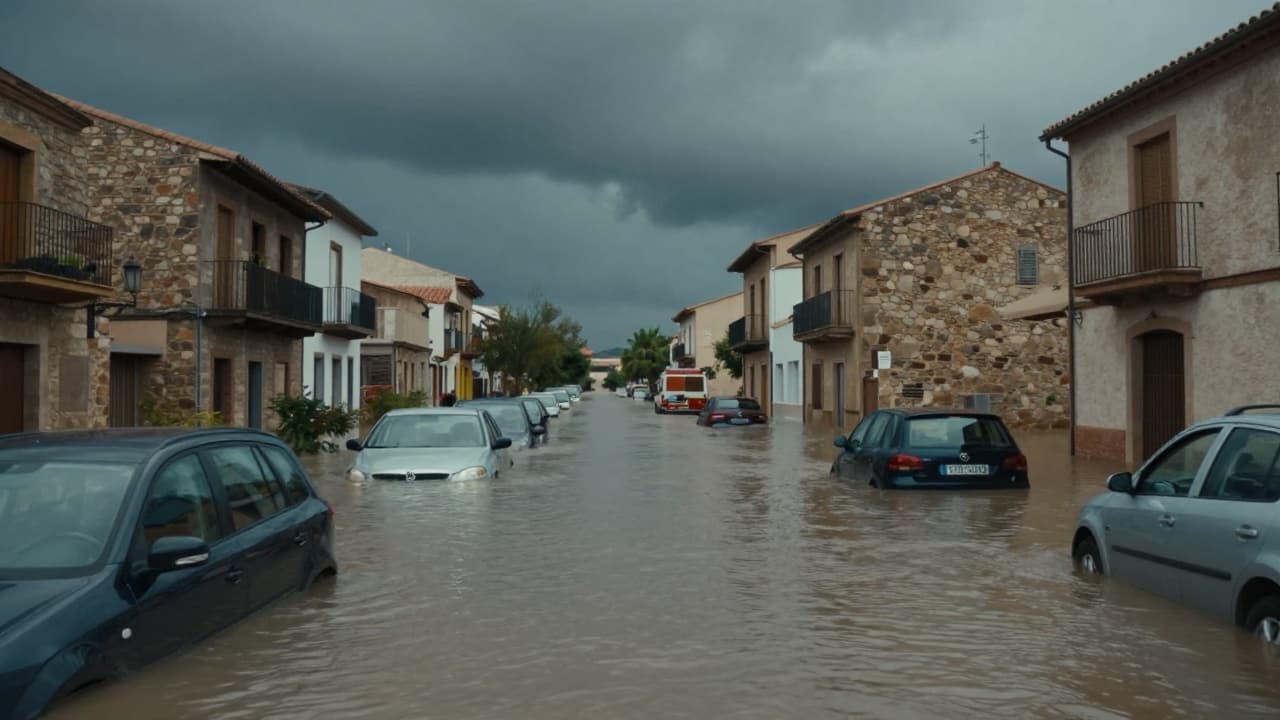
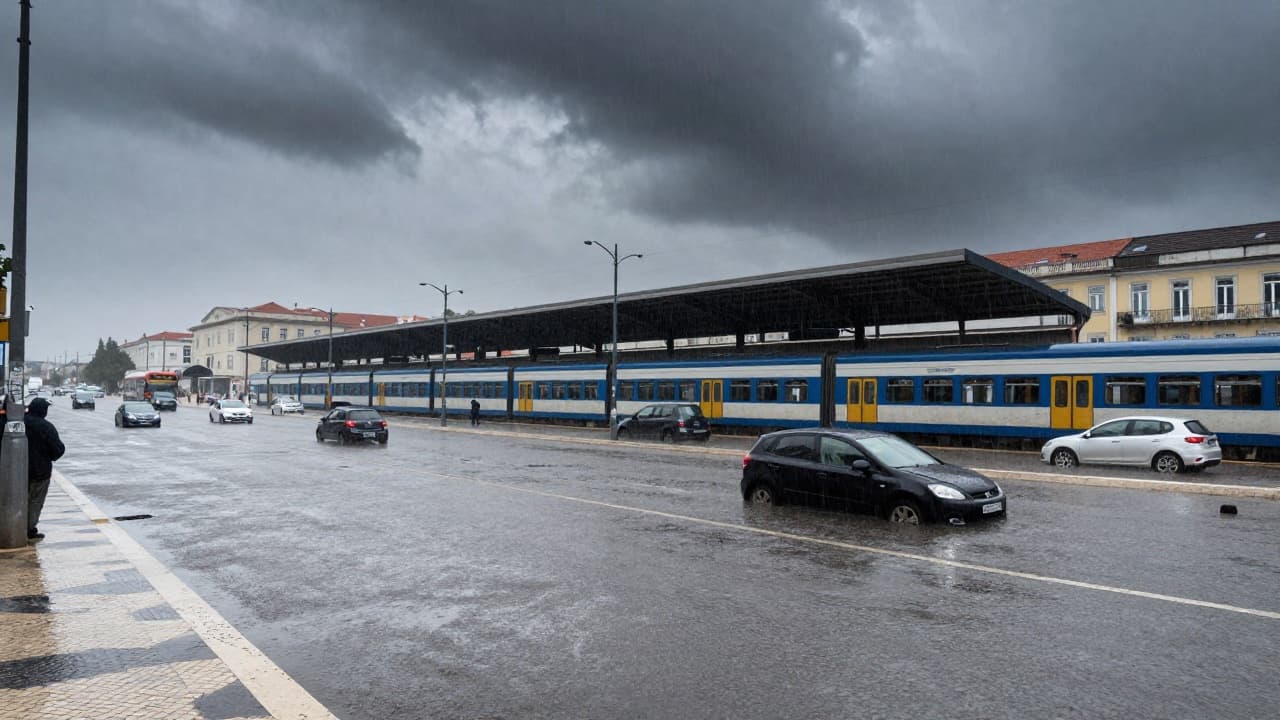
A powerful Storm Charles has hit Portugal, bringing heavy rain, flooding and strong winds. A state of readiness has been declared in the country, lasting until midnight, and authorities have closed schools and public services not essential for daily functioning. Citizens have been urged to avoid unnecessary travel.
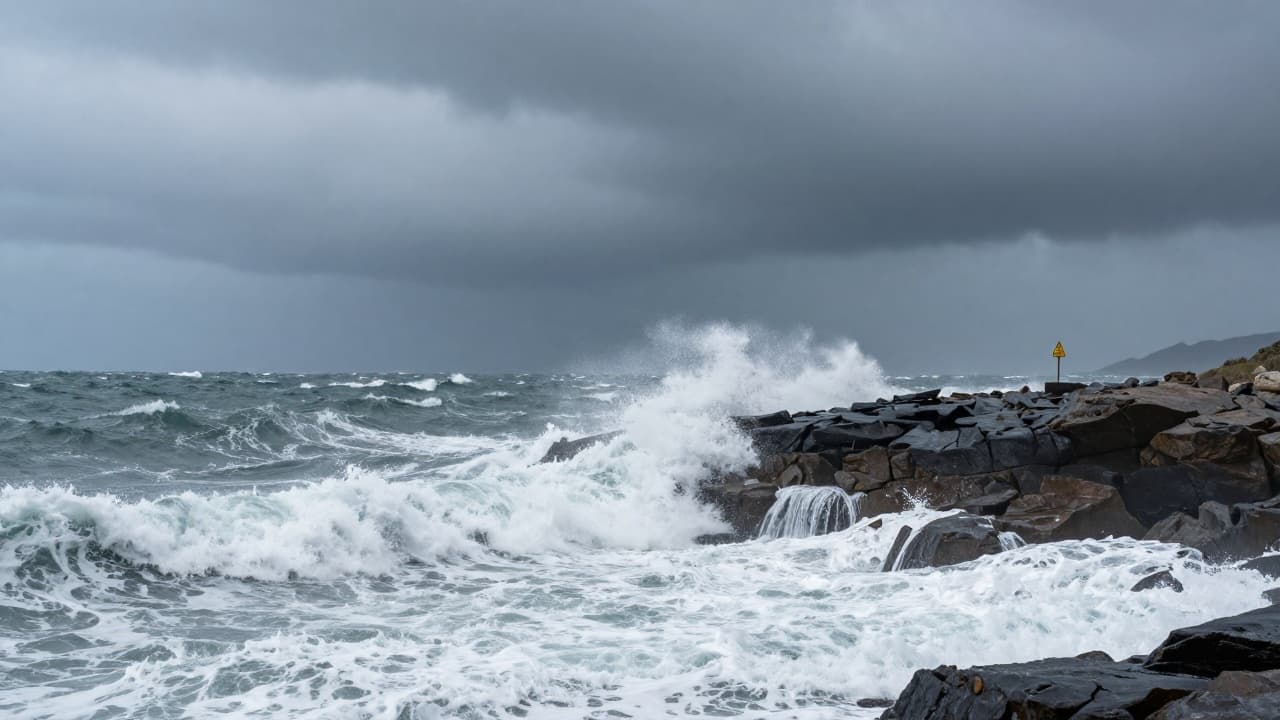
Winds in some areas are reaching speeds of over 130 kilometres per hour, and according to the Portuguese meteorological service, gusts could reach 140 kilometres per hour. Waves along the Atlantic coast could grow to 13 metres. Red meteorological warnings have been issued for parts of central and southern Portugal due to heavy rainfall, while strong orange and yellow warnings are in force for other areas.
Lisbon has been particularly affected, where heavy rain caused flooding in the early morning hours. Near Oriente station, some cars were partially submerged. According to data from electricity distributor E-Redes, around 2,000 users were left without power. Emergency services recorded at least 60 interventions related to the bad weather on the mainland, mainly due to flooding, with the greater Lisbon area and the Setúbal peninsula hit hardest.
Meteorologists are warning of the possibility of a rare and particularly dangerous phenomenon known as a 'sting jet' — a strong air current that descends rapidly from the upper layers of the storm towards the ground. This phenomenon can cause a sharp wind gust of over 160 kilometres per hour, and the greater Lisbon area is particularly at risk, where it could develop during Wednesday. Portuguese meteorologists emphasise that there are signs of the phenomenon's possible formation, but that it is very difficult to predict. A similar phenomenon was recorded earlier in the year during Storm Kristin, which caused major destruction in central Portugal.
Due to the bad weather, schools and public services not essential for daily functioning were closed on Wednesday. According to data from Portuguese news agency Lusa, at least 222 arrivals and departures were cancelled at airports in Lisbon and Faro, and a further 16 flights were cancelled in Madeira. Authorities have closed entrances to 18 ports, and the population has been urged not to approach watercourses, wooded areas and exposed parts of the coast.
The storm previously hit the Atlantic island of Madeira, where wind gusts of 130 kilometres per hour were recorded. In mountainous areas, more than 240 millimetres of rain fell in just six hours. Emergency services intervened 137 times during the night due to flooding, fallen trees and landslides that blocked roads.
The bad weather also affected neighbouring Spain. Around 3,000 residents of the town of Piedralaves, in the province of Ávila, were evacuated due to fears that the Horcajo dam would not withstand the expected heavy rains. Red warnings are in force in parts of Extremadura and the province of Ávila, while large areas of southern and eastern Spain are under orange warnings due to heavy rainfall and strong winds.
Portugal is simultaneously under the influence of another storm, Brune, which is a separate meteorological system. According to a report by the Associated Press, this is the first closure of all schools in Portugal due to storms in several decades.