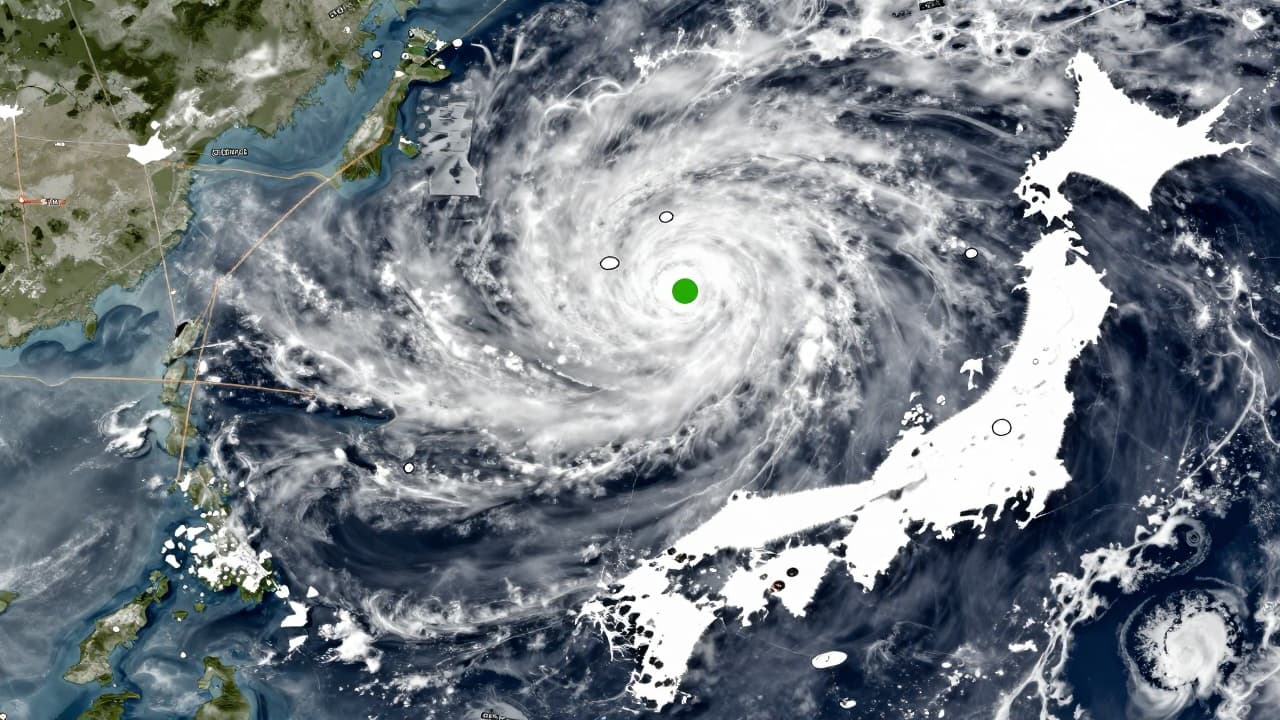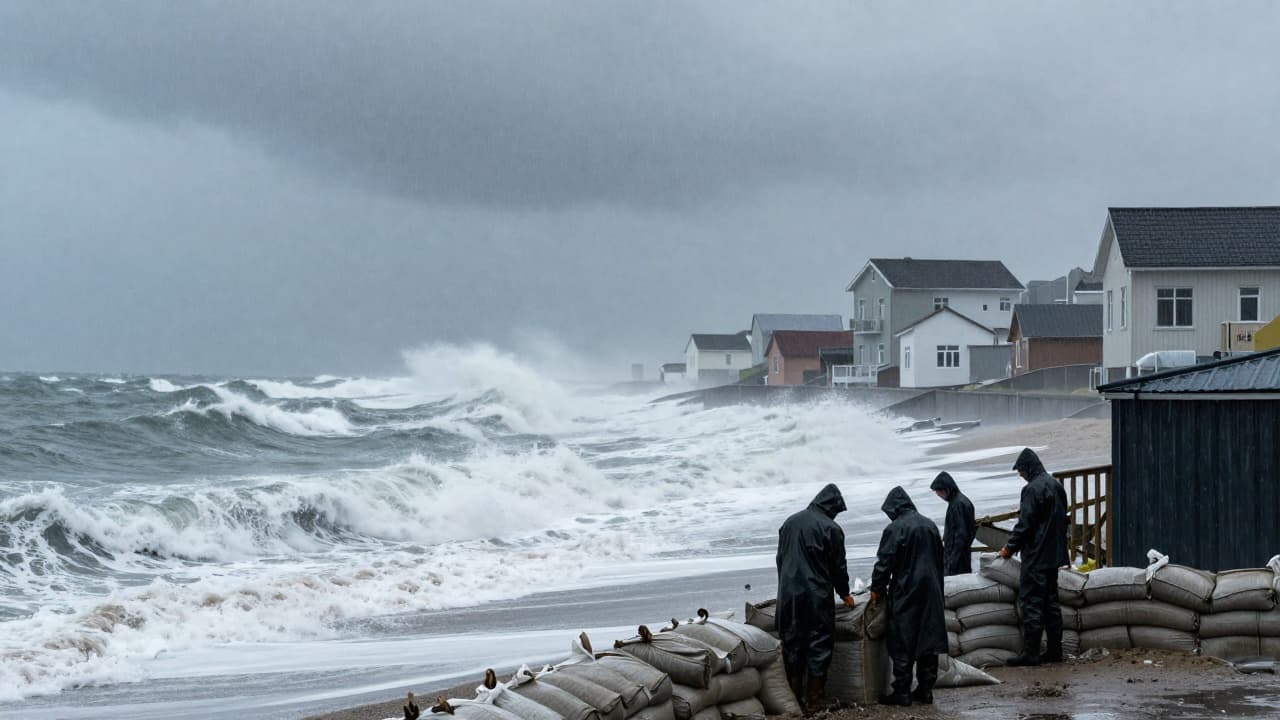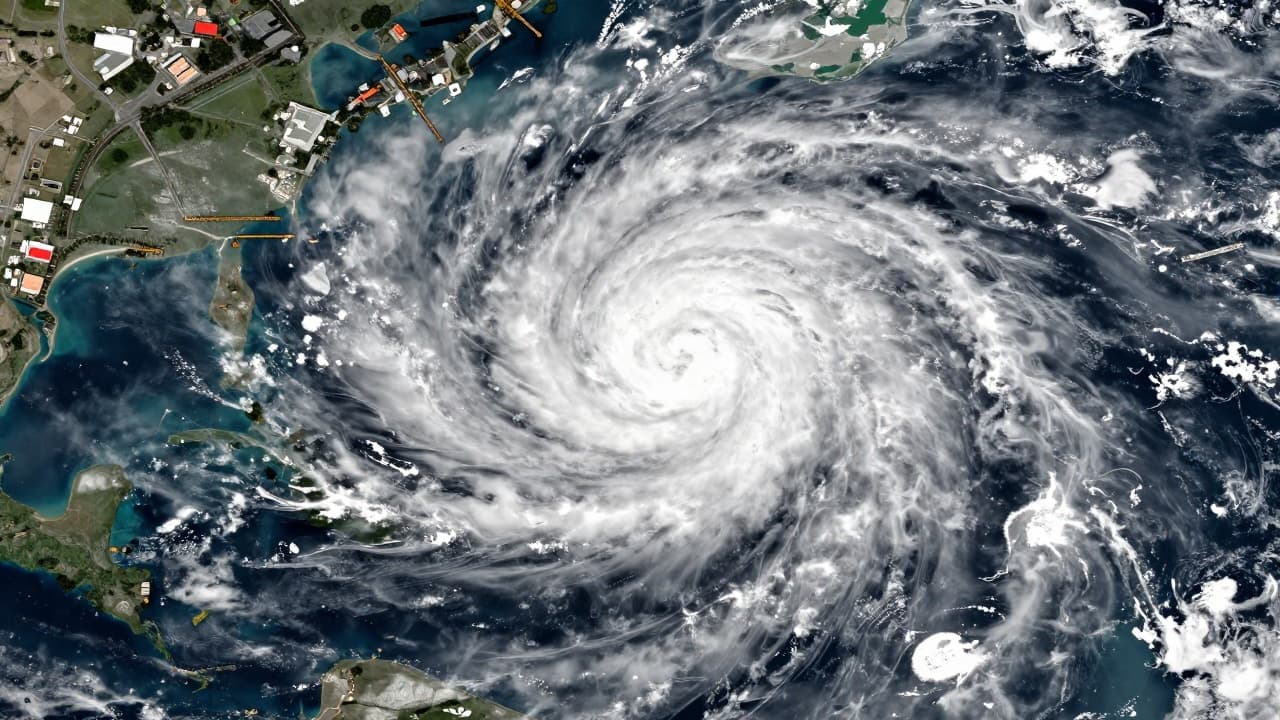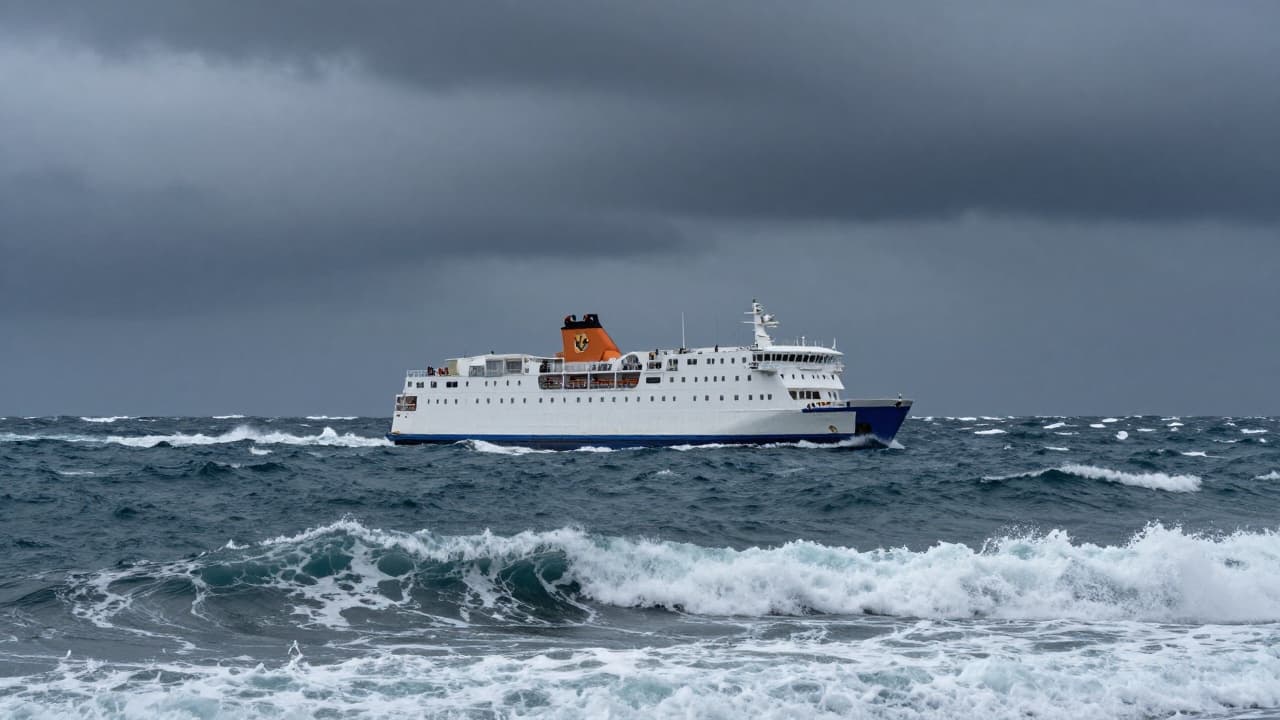
Typhoon Dolphin struck the coast, forcing authorities to evacuate more than one million people from the country’s east. The first impact was felt in the city of Yuhuan in Zhejiang province, where measurements recorded maximum wind speeds of around 150 kilometres per hour. The typhoon made landfall around an hour later near Wenzhou, with Chinese meteorological services confirming the arrival of the extreme weather event.
Chinese authorities issued the highest, red-level warning for the typhoon. Evacuation procedures covered wide areas, including the metropolis of Shanghai. By Monday morning, the intensity of Typhoon Dolphin had weakened to that of a tropical storm, which continued to move inland, though the danger of consequences had not yet passed.
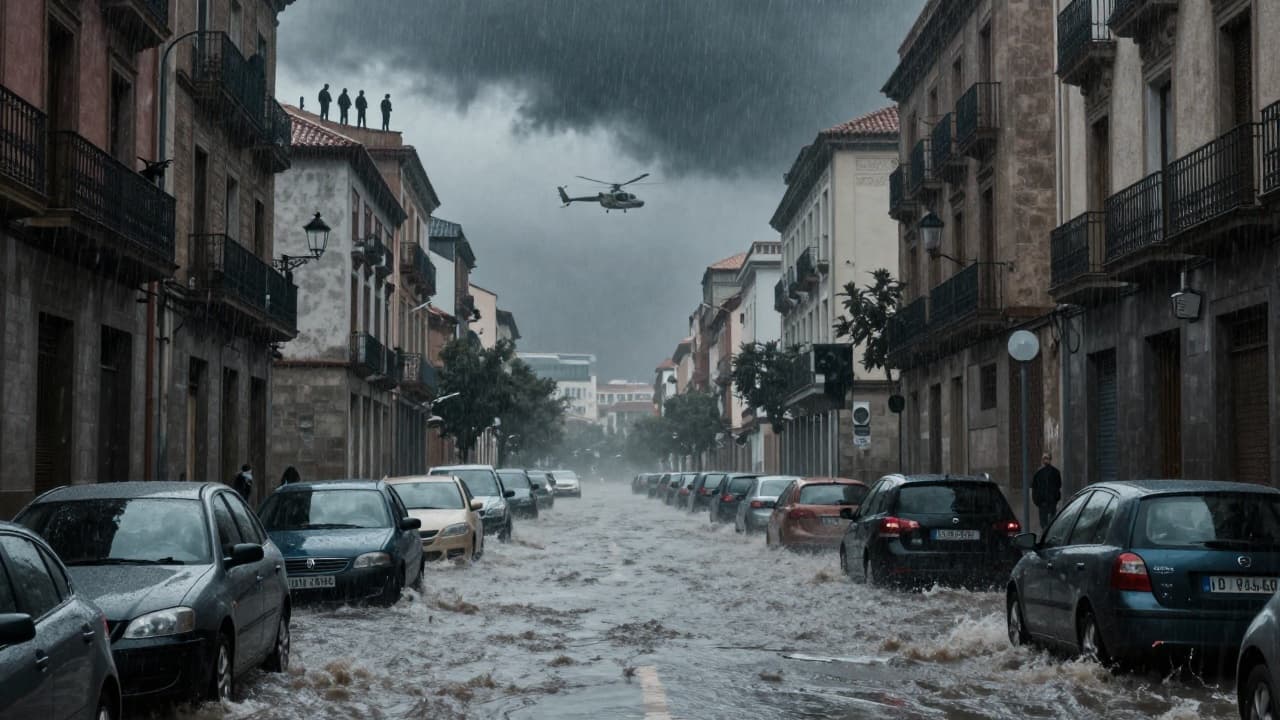
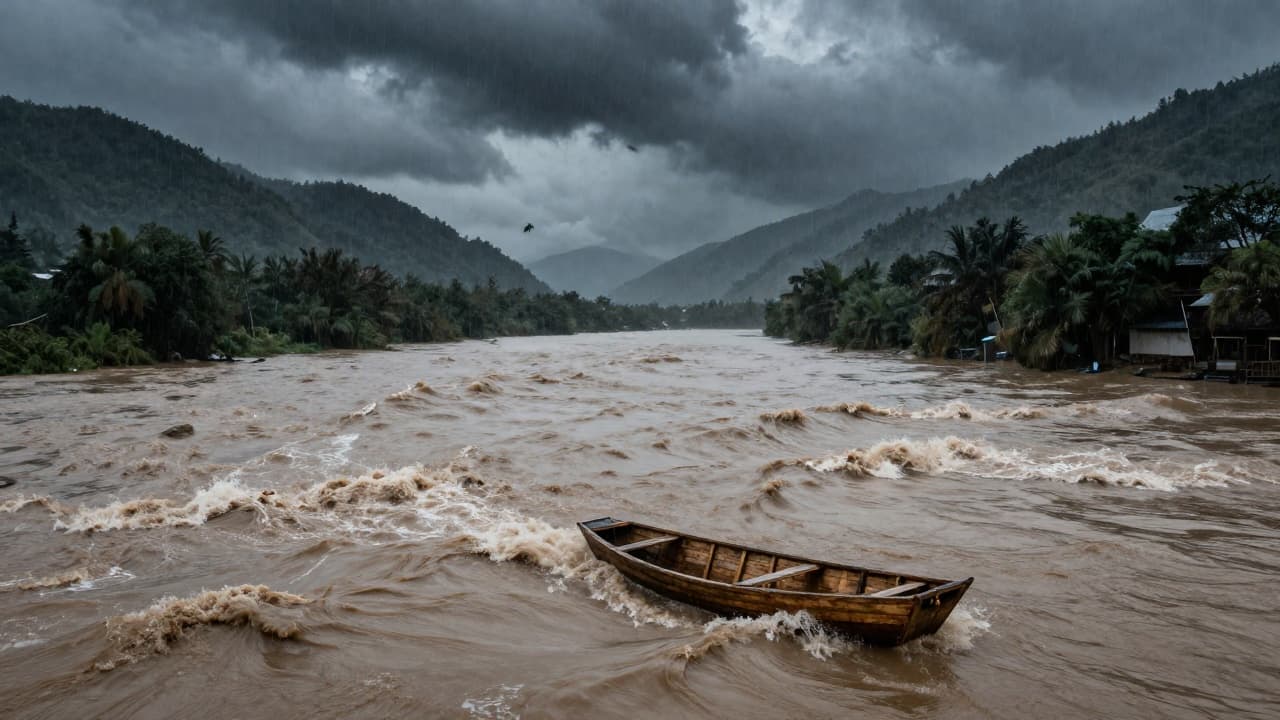
Authorities warned of heavy rain, serious flooding and the risk of landslides until Wednesday. Heavy rainfall is expected in the provinces of Shandong, Henan, Hubei, Anhui and Zhejiang, as well as in Shanghai. In parts of Zhejiang, between 250 and 500 millimetres of rain could fall over a few days, representing an extremely high volume of precipitation over a short period.
Local authorities have urged the public to avoid staying outdoors to reduce the risk of injury. Many tourist attractions have been closed as a precaution, including parts of Disneyland and Legoland. Several viewpoints along Shanghai’s Bund have also been closed, significantly affecting tourist traffic in that part of the city.
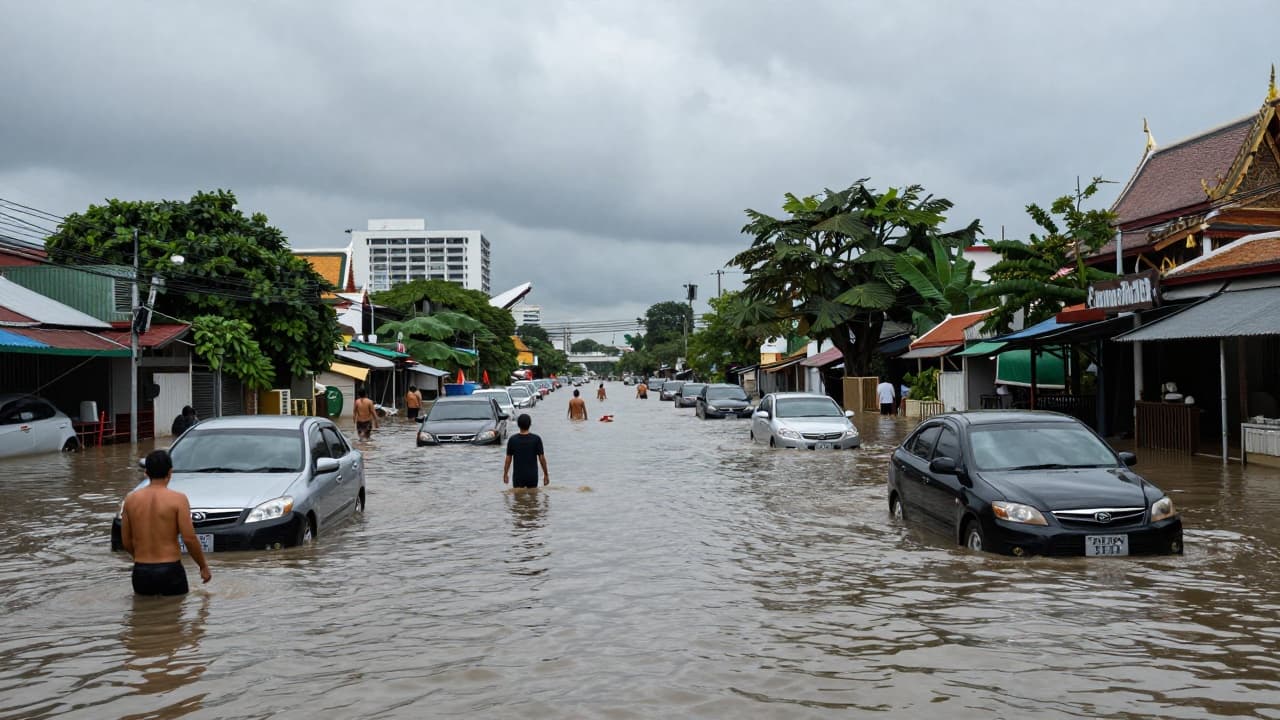
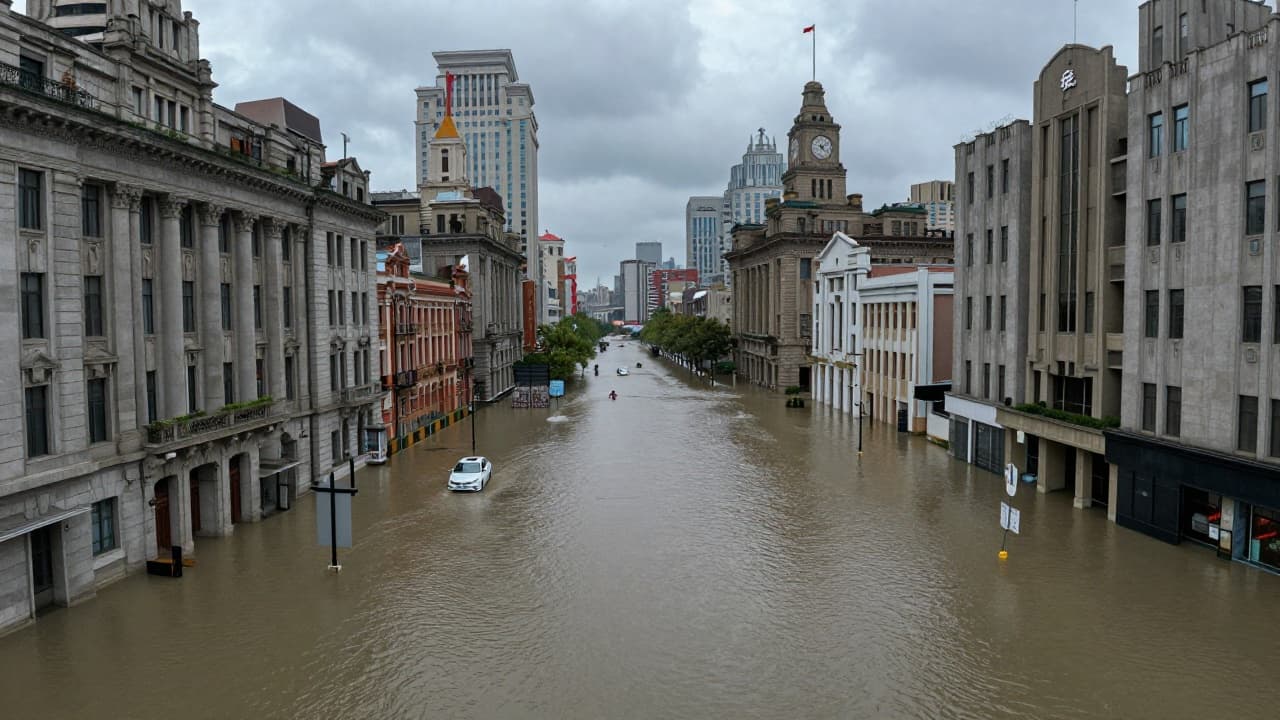
The storm has paralyse transport infrastructure in the region. In Shanghai alone, around 1,400 flights were cancelled, leading to significant delays and congestion at the airports. State media footage shows flooded commercial premises in the former French Concession in Shanghai, illustrating the scale of damage caused by the high water levels and heavy rain.