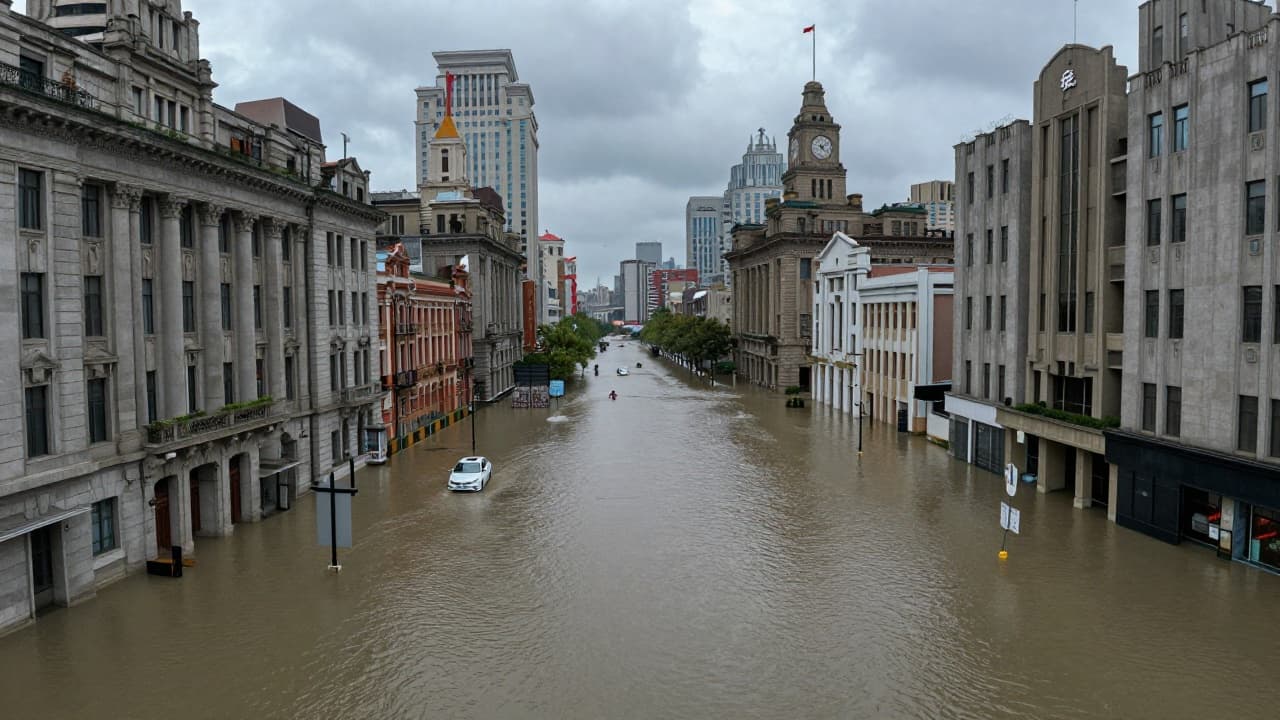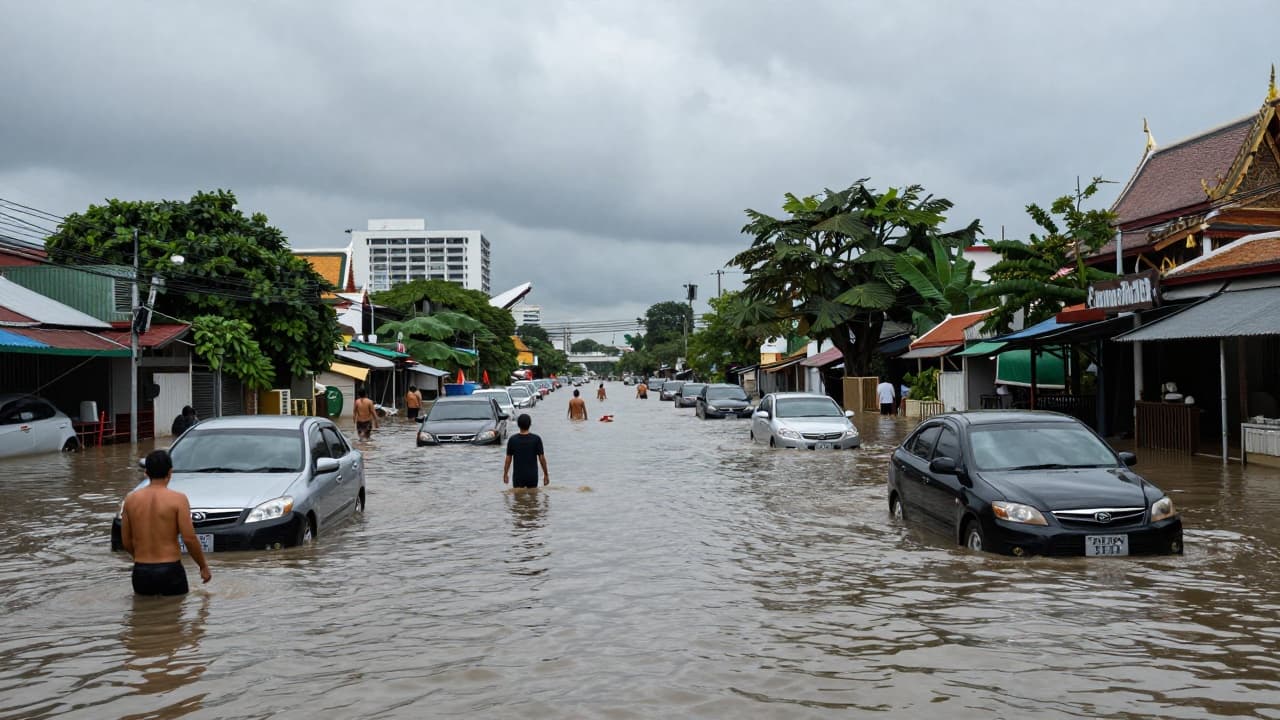
A BBC analysis reveals that fake videos depicting catastrophic events in China are spreading rapidly online. These digitally manipulated content pieces, which often utilise artificial intelligence to generate realistic scenes, are causing real issues in society and spreading panic among the public. Chinese authorities have responded by promising strict measures against the spread of disinformation to halt this trend.
Stephen McDonell, the BBC’s correspondent for China, notes that identifying content generated by artificial intelligence is becoming increasingly difficult. Technological advances allow for the creation of increasingly convincing fake videos, making it harder for the average internet user to distinguish truth from fiction. This situation requires greater public education and the use of technical tools to verify authenticity.
One example is a video of flooding caused by Typhoon Ma-on, which is said to have breached a dam in China. The 45-second clip, published on 7 July, quickly gained popularity. Although it shows dramatic scenes of flooding, it is fake content unrelated to actual events on that date.
A similar incident occurred on 27 July, when a video was published of a scaffold collapsing from a building in Hong Kong during the landfall of Typhoon Noul. The ten-second clip was also identified as inaccurate. These incidents show how quickly misinformation can spread during extreme weather events, exploiting public concern.
A further example includes a video of a bridge collapse and a car being swept away in a Chinese river. The 16-second clip is part of a series of disinformation circulating online. The BBC’s investigation highlights the need for caution when sharing such content and for supporting efforts to combat fake news.