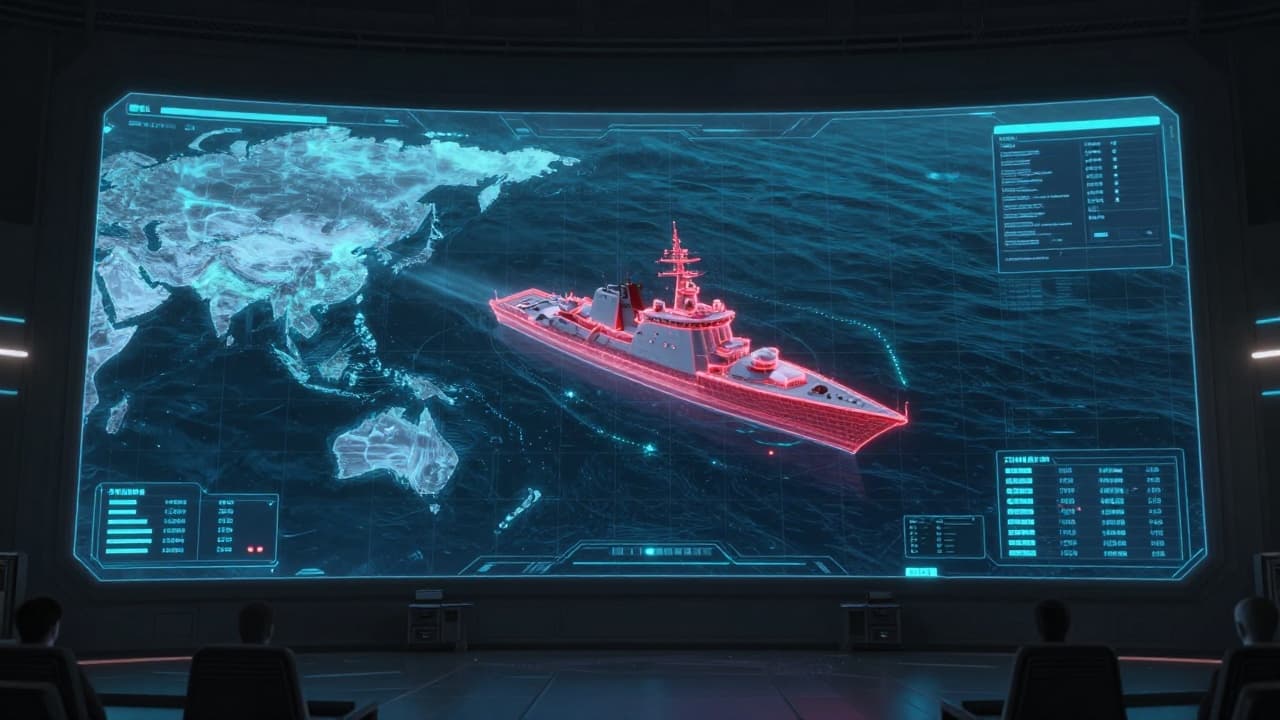
A critical situation in the US armed forces erupted when an automated report, generated with the aid of artificial intelligence, prompted an immediate military response. According to available information, the system generated a false claim that a Chinese vessel in the Middle East was transporting components for a nuclear programme. This falsehood, coupled with an erroneous analysis, created a serious threat and nearly led to military intervention against the vessel in question, had it not been for the intervention of the last minute.
The analysis revealed that the error occurred due to the misinterpretation of data received from the US Pacific Command’s special operations centre. Although the analyst attempted to verify the accuracy of the information, the automated data were so convincing that they nearly led to a mistaken decision. This incident highlighted the critical need for stricter control and verification of data generated by artificial intelligence, particularly in military and security contexts.
Defence Secretary Pete Hegseth, who outlined a strategy to accelerate the adoption of artificial intelligence in January, emphasised the risks associated with this technology. The strategy envisages that leading AI models be made available to three million civil and military personnel across all levels of data clearance. However, this incident demonstrated that, despite technological advances, human judgment and caution remain essential to preventing serious errors.
This incident also sparked debate on the ethical implications of using artificial intelligence for military purposes. Experts warn that while AI can enhance the efficiency and speed of decision-making, it is essential to ensure that this technology is used responsibly and that potential dangers are mitigated. It is therefore crucial that AI is integrated into military and security systems with strict controls and assessments, to prevent similar situations in the future.