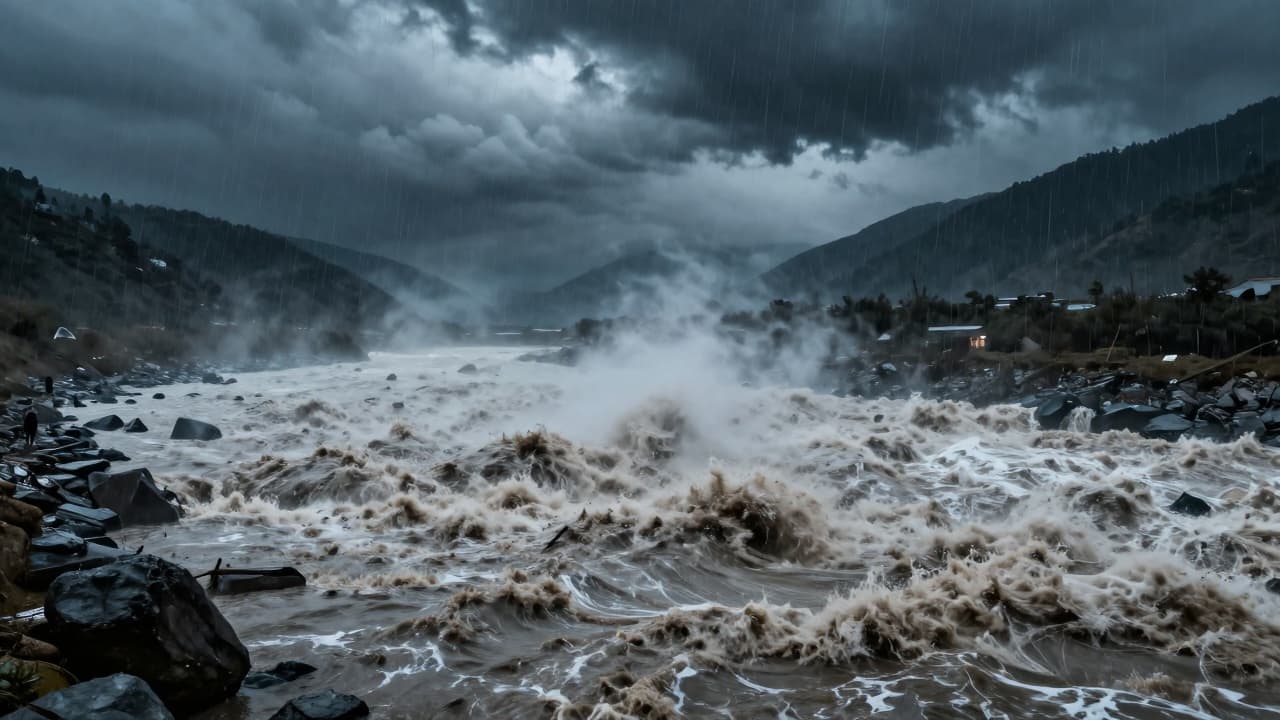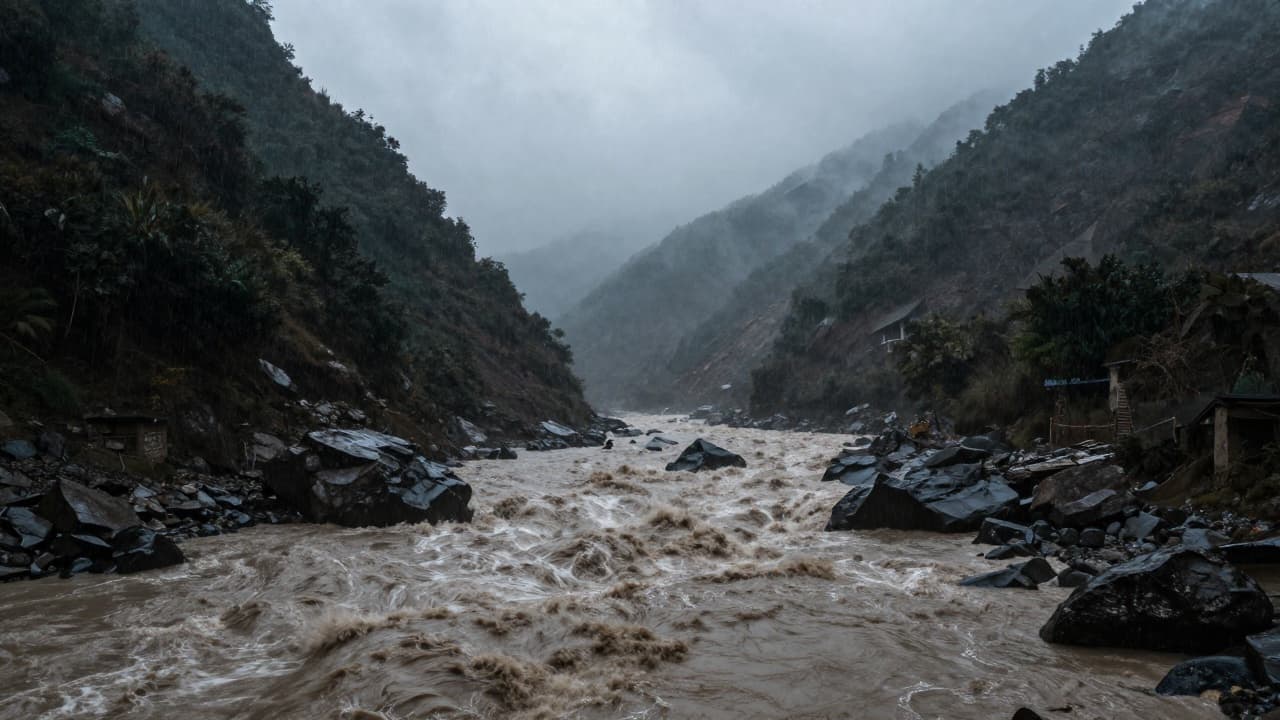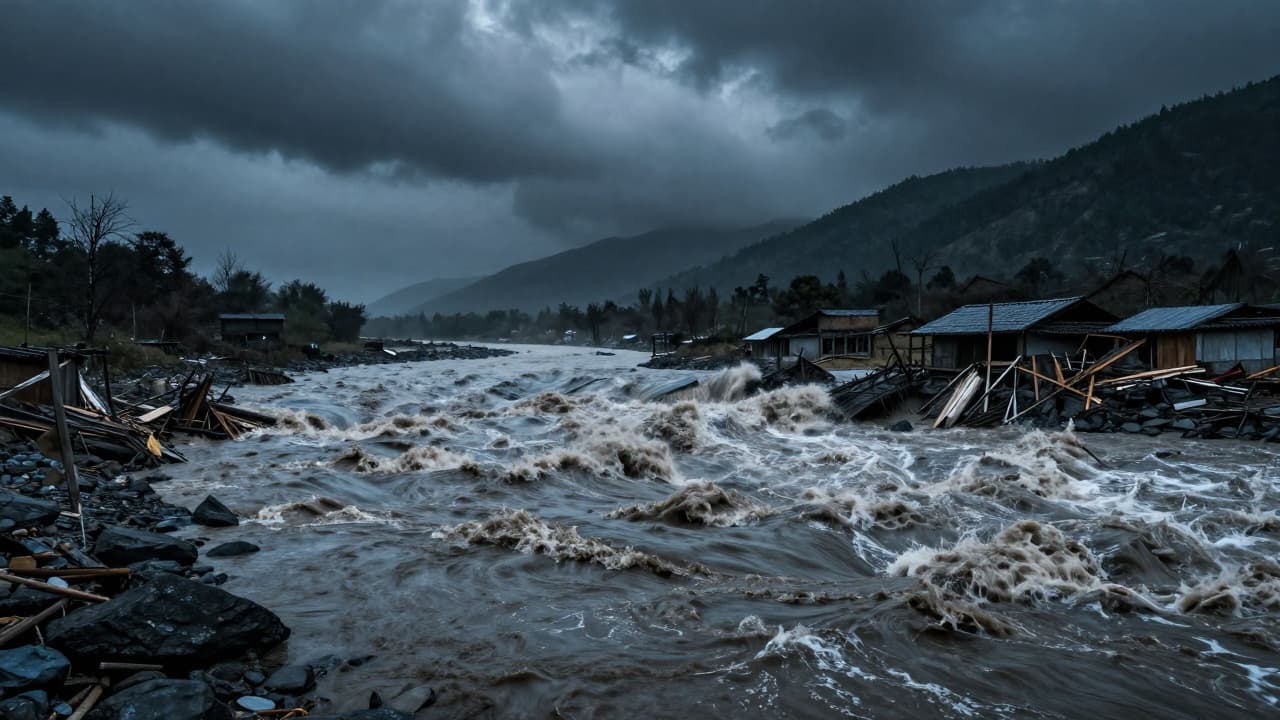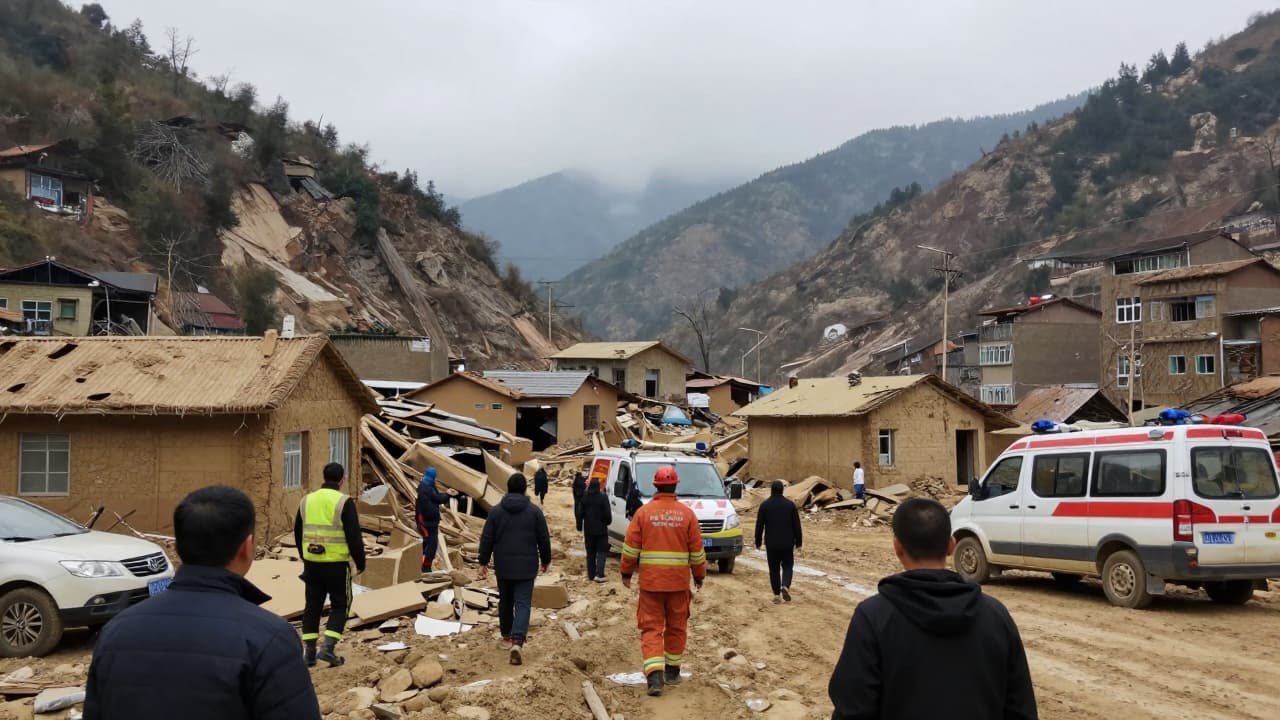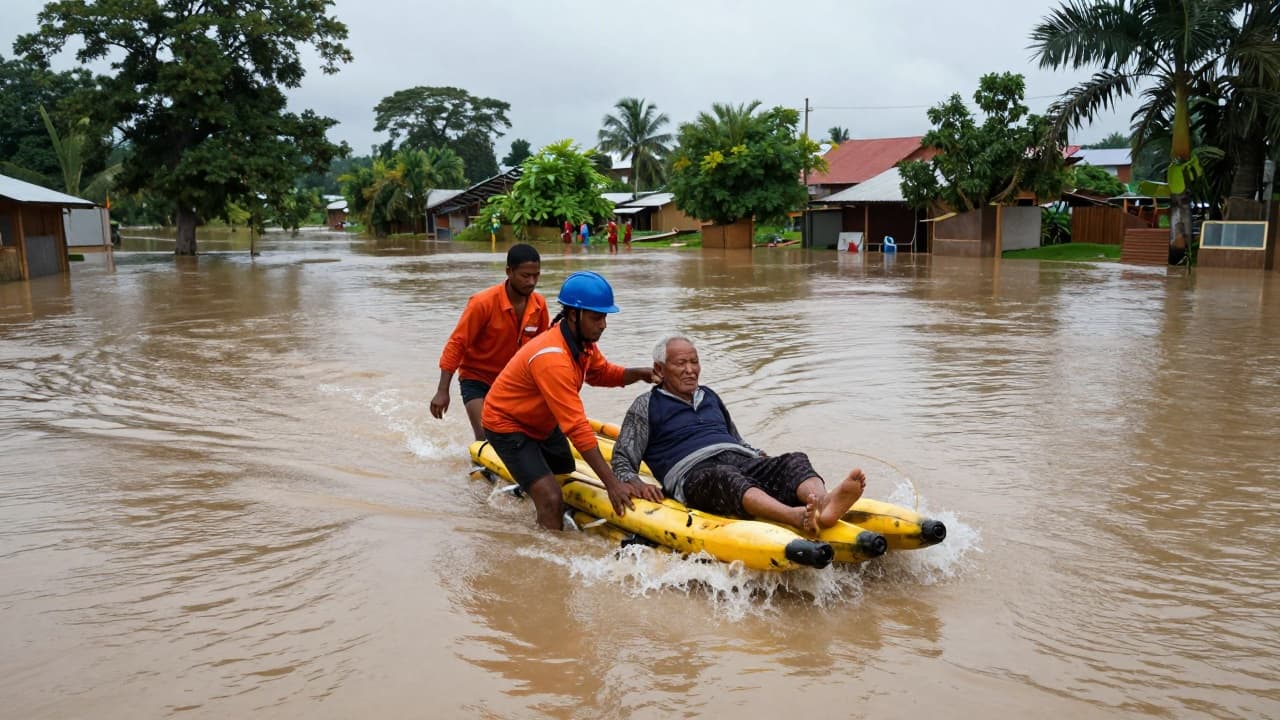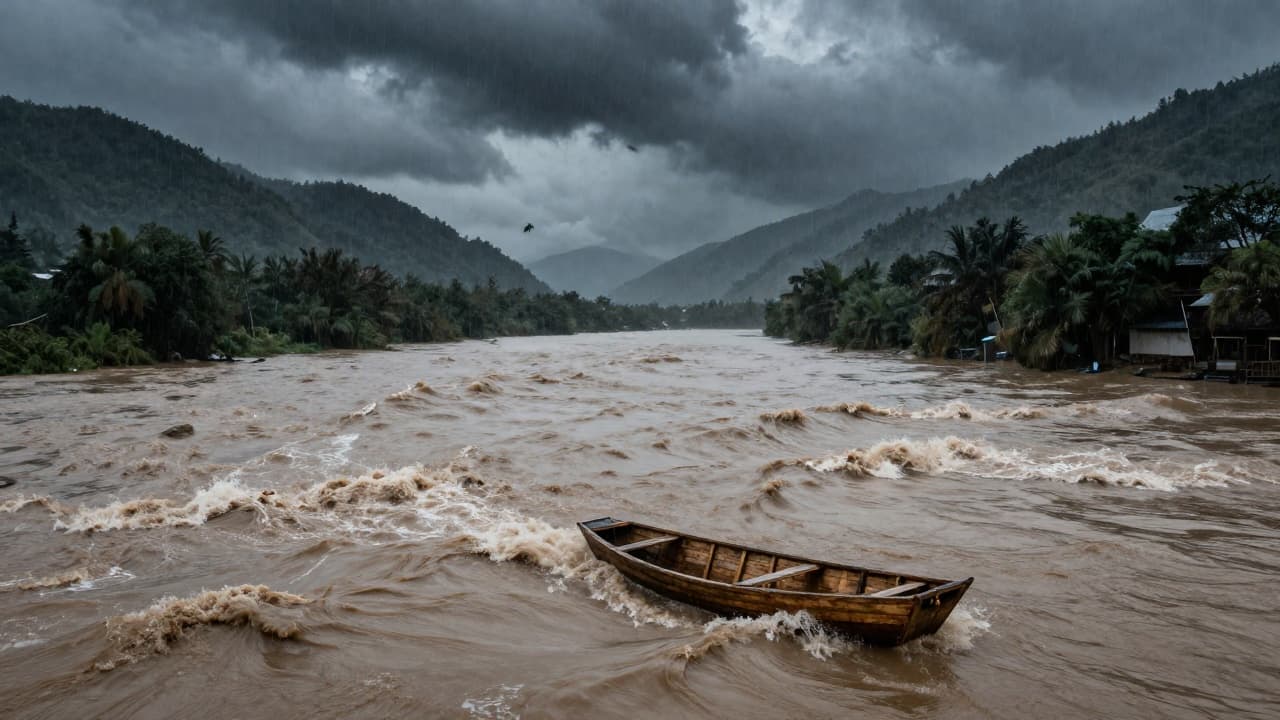
In the Nepalese part of the area affected by catastrophic flooding, official figures record 781 dead. The number of missing persons stands at 2,502, indicating a severe humanitarian crisis in the region. Although hundreds have been rescued, the situation remains extremely fragile, with 2,502 people still listed as missing, including 592 foreigners whose fate is unknown.
China, on the other hand, has reported 16 people dead, with 546 still missing. Within that group, 261 foreigners are listed as missing. The specific statistics for foreigners in the Chinese sector show that among the missing are 104 citizens of Nepal, 49 from India, 33 from Latvia, 18 from the United States, and 15 from Britain. These figures highlight the international dimension of the tragedy and the complexity of rescue coordination.
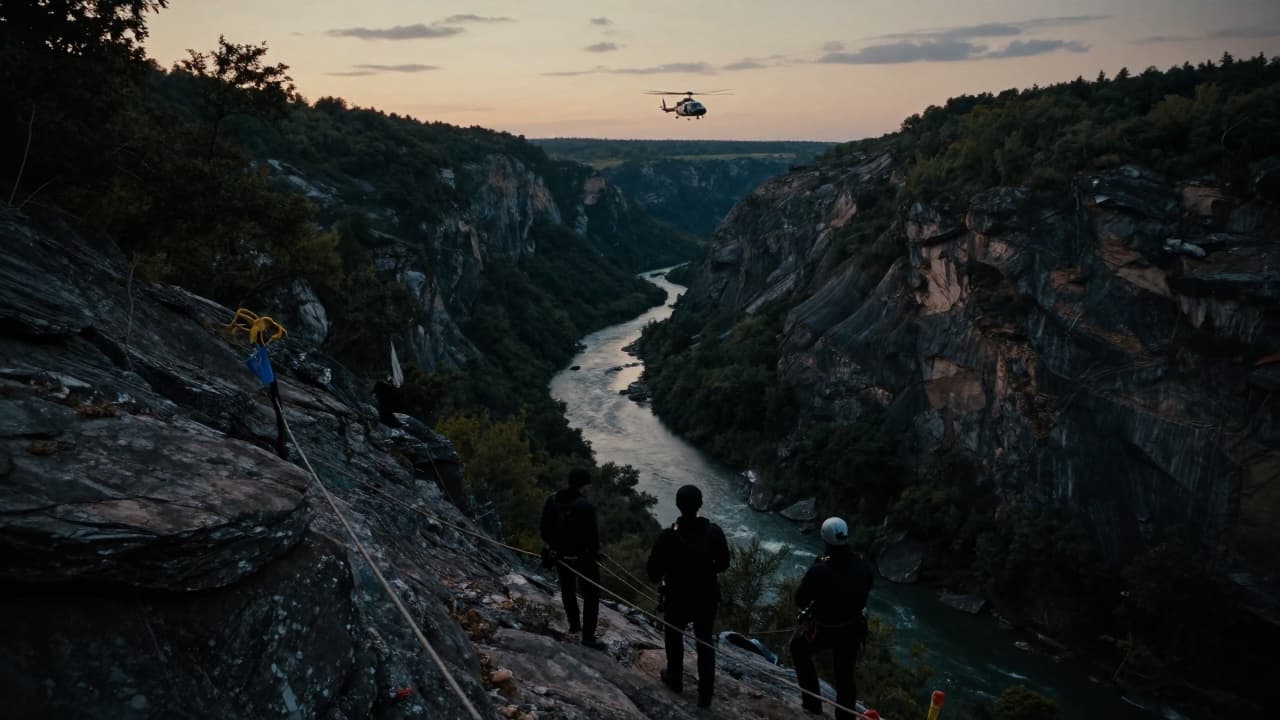
In the Nepalese sector, rescue operations are facing significant obstacles. The Nepalese army has managed to pass a pipe through the tunnel at the Trishuli 3A hydropower plant, where more than 100 workers are believed to be trapped. The total number of workers missing at the hydropower plants is estimated at 933, indicating the scale of the disaster within the infrastructure facilities.
In the Tibetan sector, specifically in the Gyirong area, rescue operations have been temporarily suspended. The reason for the temporary halt in operations is the risk of flooding from a newly formed lake, which poses additional dangers to rescue teams and survivors. These changing conditions complicate efforts to locate survivors and evacuate remaining victims from dangerous zones.