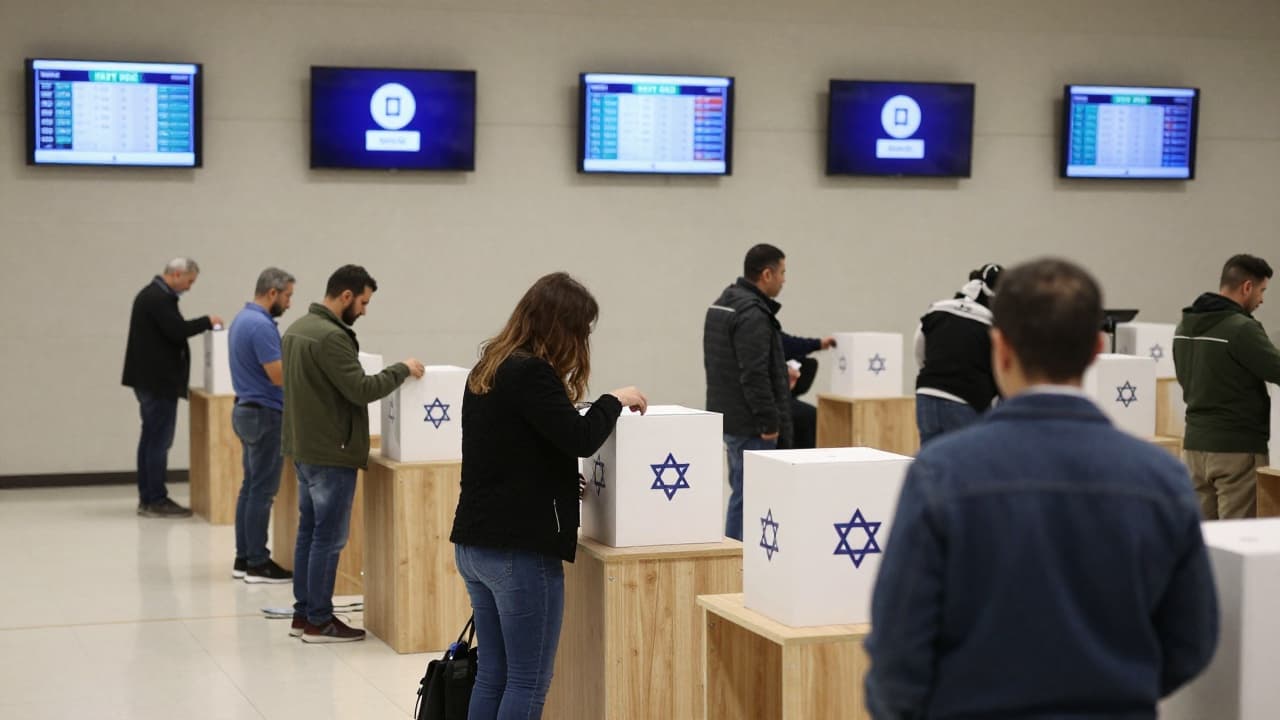
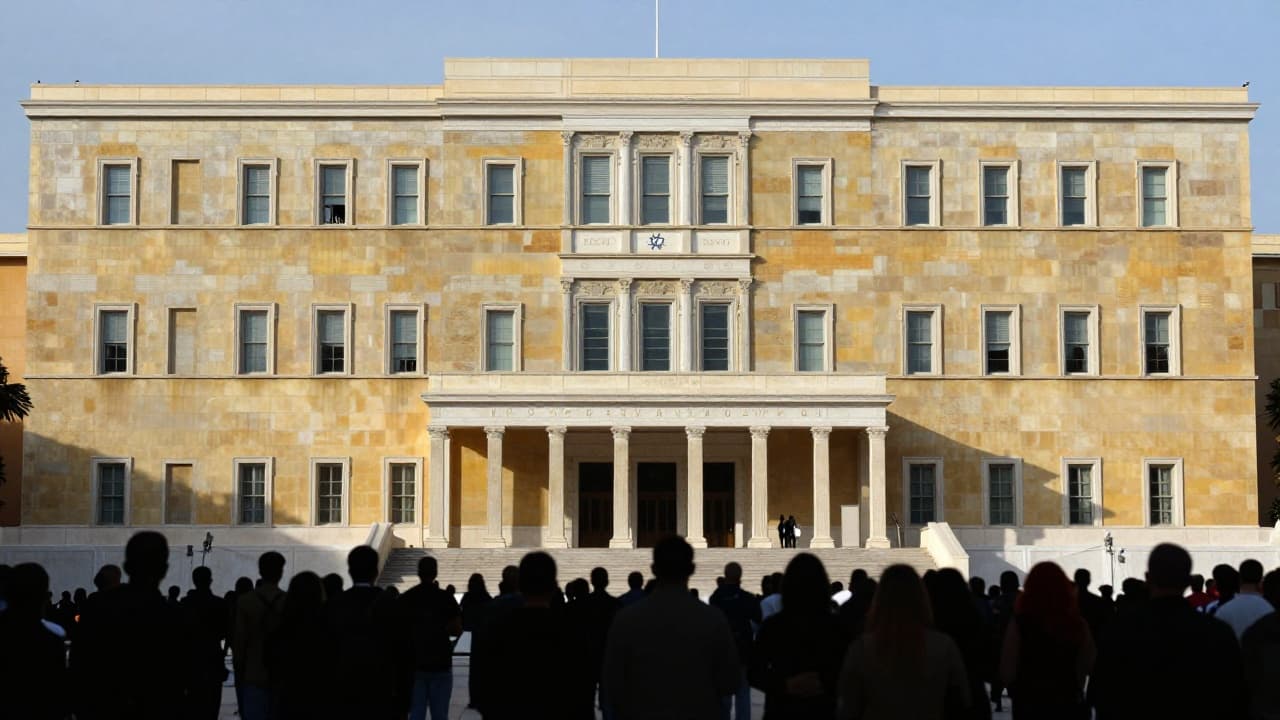
Gadi Eisenkot has been given the mandate to form a new Israeli government after Benjamin Netanyahu lost his parliamentary majority in the latest elections. On paper, Eisenkot has the support of 67 of the 120 MPs in the Knesset, but this majority comes from six ideologically very different parties, ranging from the right to Arab options.
In most parliamentary democracies, including Israel, the party that secures the support of at least 61 of the 120 MPs in the Knesset forms the government, and its leader becomes prime minister. Following the 2022 elections, Netanyahu had 64 mandates, and one more party later joined him, giving him a stable majority of 68 seats. His government then became the first since 1988 to complete its full term. Today, Netanyahu has the support of only 46 MPs, while Eisenkot’s bloc counts 67.
Netanyahu’s pre-election alliance weakened from 53 to 46 mandates after the ultra-Orthodox United Torah Judaism party withdrew its support. The opposition won 67 seats, of which 19 belong to two Arab parties, the Joint List and Raam. Eisenkot is relatively new to politics, while Netanyahu has managed discord within his coalitions for decades.
Gadi Eisenkot’s plan is to form a 'government of national emergency'. This would be a minority government consisting of four Jewish opposition parties with a total of 48 mandates. Arab parties would not be part of the coalition, but would guarantee parliamentary support in exchange for certain concessions. Israel has had minority governments before, such as Yitzhak Rabin’s second government, which survived for two years after 1993 with external support from Arab parties.
Another option for Eisenkot is to seek the support of the United Torah Judaism party. The main obstacle for Eisenkot currently is Avigdor Liberman, leader of the Yisrael Beiteinu party. Liberman refuses to participate in any government that depends on Arab parties and proposes forming a coalition of 61 MPs that would include ultra-Orthodox parties but exclude Arab ones. Eisenkot and Liberman are coordinating their moves.
Benjamin Netanyahu has intensified pressure in recent days against cooperation between Jewish and Arab parties, calling for a 'government of national unity' in video messages. He insists on remaining prime minister and on his entire right-wing and ultra-Orthodox bloc entering the government. Unity governments have been formed in Israel before, for example in 2020 during the pandemic, when Benny Gantz joined Netanyahu. Gantz was supposed to take over the premiership after 18 months, but Netanyahu toppled the government and triggered new elections because he refused to pass the state budget. Eisenkot rejected Netanyahu’s offer, calling it 'poor spin'.
Netanyahu remains in office as acting prime minister for now, until the new government takes the oath of office. Eisenkot has 28 days to form a government, with the possibility of an extension for a further 14 days. If he fails, the mandate may be given to another candidate. Leaders of the main opposition parties have stated that they will not join him. Netanyahu is currently short by eight mandates for a majority. If no one succeeds in forming a government, the Knesset has an additional 14 days to find a third candidate. In the event of failure, Israel will have to go to new elections.