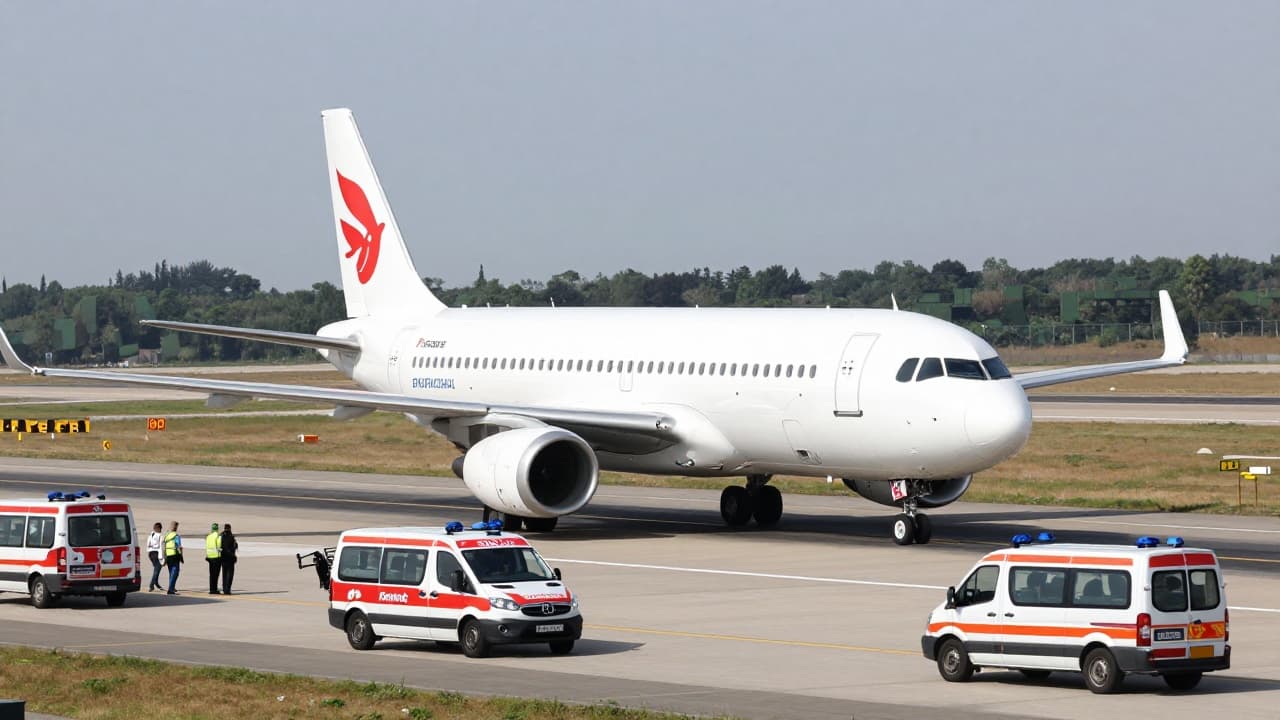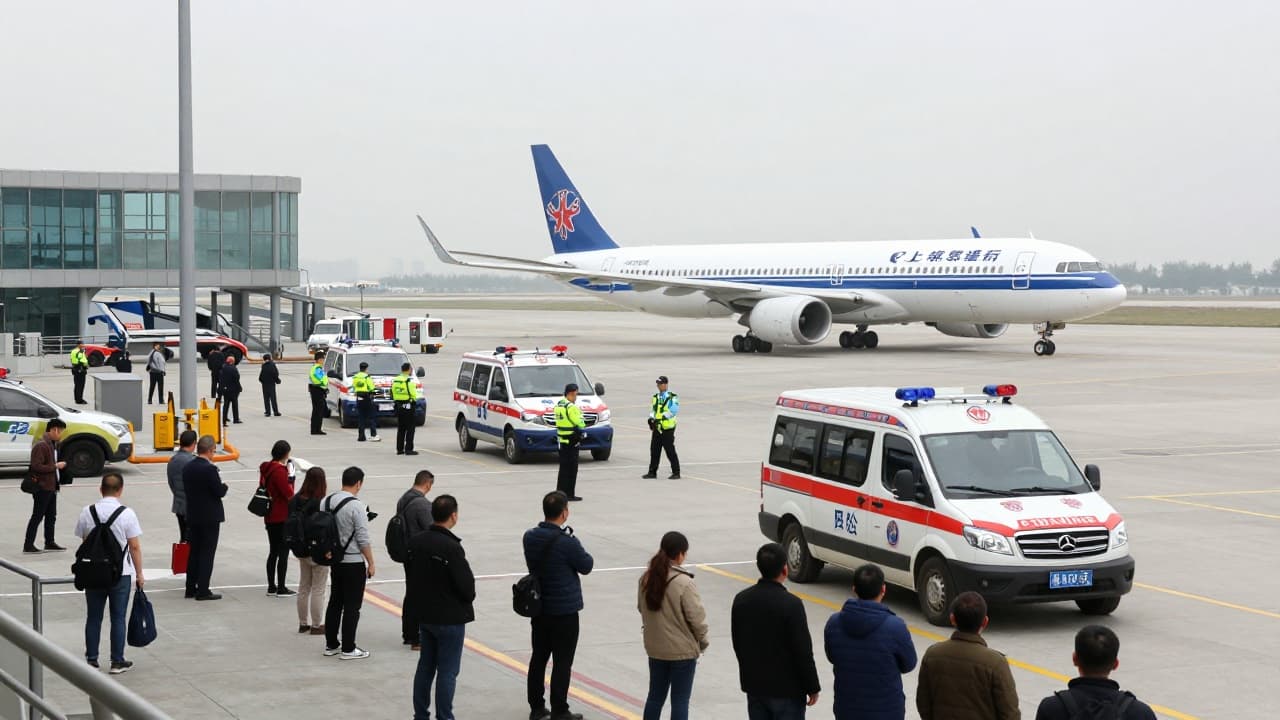
A new wave of bomb threats has disrupted air traffic across Europe, with affected aircraft landing safely after searches found no explosive devices. The latest alerts affected at least 18 flights to or from Bulgaria, the Czech Republic, France, Italy, Hungary, Cyprus, Romania, the United Kingdom and Portugal.
Danish police investigated a threat to Copenhagen Airport, which stated it was operating normally. The alerts followed separate threats on Tuesday and Thursday that forced at least 35 flights to divert or undergo searches. The latest threats affected at least nine flights to or from Prague, four flights over France, two flights en route to Sofia and one flight from Lisbon to Rome.
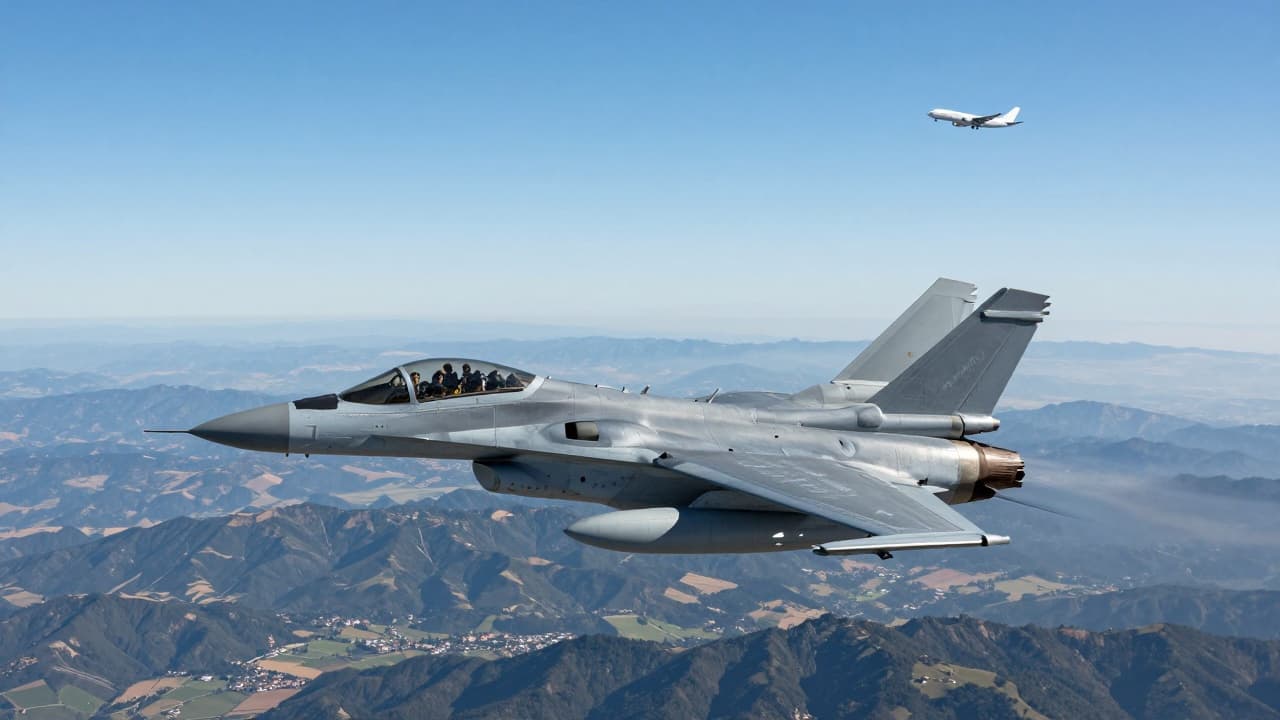
Hungary sent fighter jets to escort civilian flights in its airspace three times, Defence Minister Romulusz Ruszin-Szendi reported. The first alert was triggered by a threat to a Wizz Air flight from Brussels to Sofia. According to Eurocontrol data, the affected flights accounted for 0.0674 per cent of the 26,709 flights planned in Europe on Friday.
A separate series of threats on Friday targeted media organisations in Ireland, interrupting broadcasts and causing staff evacuations and police searches of offices and newsrooms. Irish Taoiseach Micheál Martin told RTÉ Radio 1 that such threats must be taken seriously and are an attempt to sow fear and anxiety. Martin added that European security agencies would seek to identify those responsible and hold them to account. British broadcaster Sky said on Friday that it had also received a security threat and reported the case to the relevant authorities.
Earlier this week, cyberattacks targeted cooling systems in supermarkets in at least seven European countries. Investigators stated there is no evidence that the false threats against airlines and other targets are orchestrated by a hostile terrorist group or a state actor such as Russia or Iran, but investigations continue. Some of the threats on Thursday were signed as 'fighters of the Male State', a reference to a Russian far-right, ultranationalist and misogynist movement founded in 2016. Some officials suspect the waves of disruption are linked to European support for Ukraine in the war against the Russian invasion.
Spanish Foreign Minister José Manuel Albares said authorities need more time to identify the culprits, but a pattern is emerging. 'It cannot be a mere coincidence that so many incidents with the exact same modus operandi are happening across Europe,' Albares told TVE. 'The most reasonable assumption is that we are facing an attempt at hybrid aggression and a form of psychological warfare,' he added, asserting that Europe must be prepared for further such challenges.
The Irish government issued a statement in response to the latest bomb threats against European flights after some Irish media organisations received similar threats. It warned of a 'likely coordinated campaign of disruption'. 'The threats issued this morning to media organisations here are very serious,' the statement read. 'False threats like these cause fear, anxiety and disruption to people in their daily lives and activities; they achieve no positive purpose.'
The government noted that it is not yet known who is responsible, whether it is individuals or a centralised or coordinated effort. 'However, these threats follow on the heels of persistent disruption in aviation across Europe caused by similar threats, and it appears likely that this is a coordinated campaign of disruption,' it said. The Gardaí, in cooperation with the Defence Forces and cyber and aviation authorities, are working to determine responsibility, and the Gardaí and Defence Forces are in constant contact with European security colleagues. 'Every effort will be made to identify those responsible and hold them to account,' it stated, noting that the primary priority is the safety of people despite the inevitable and unwanted disruption. The Gardaí were aware of the risks of such threats in the context of planning for the EU presidency and are applying appropriate protocols.
A Tarom flight from Prague to Bucharest was the last believed to be affected by today's bomb threats. The aircraft, flying as ROT226M, sent squawk code 7700 – a general emergency – before landing safely in Bucharest. The threat was later confirmed to be unfounded. During earlier disruption at Venice Airport, numerous aircraft had to be diverted elsewhere. A Brussels Airlines flight from Brussels and a KLM flight from Amsterdam were directed to Trieste. An Air France flight from Paris, an Iberia flight from Madrid and an Aegean flight from Athens went to Bologna. Some of them have since completed their journeys by flying back to Venice.
The Dutch military police confirmed it checked a KLM flight to Amsterdam facing a bomb threat and found no explosives. The flight from Prague to the Netherlands was among the nine that had bomb threats in the Czech Republic. Local Dutch media reported that the affected flight was coming from the Czech capital, meaning it was flight KL1350.