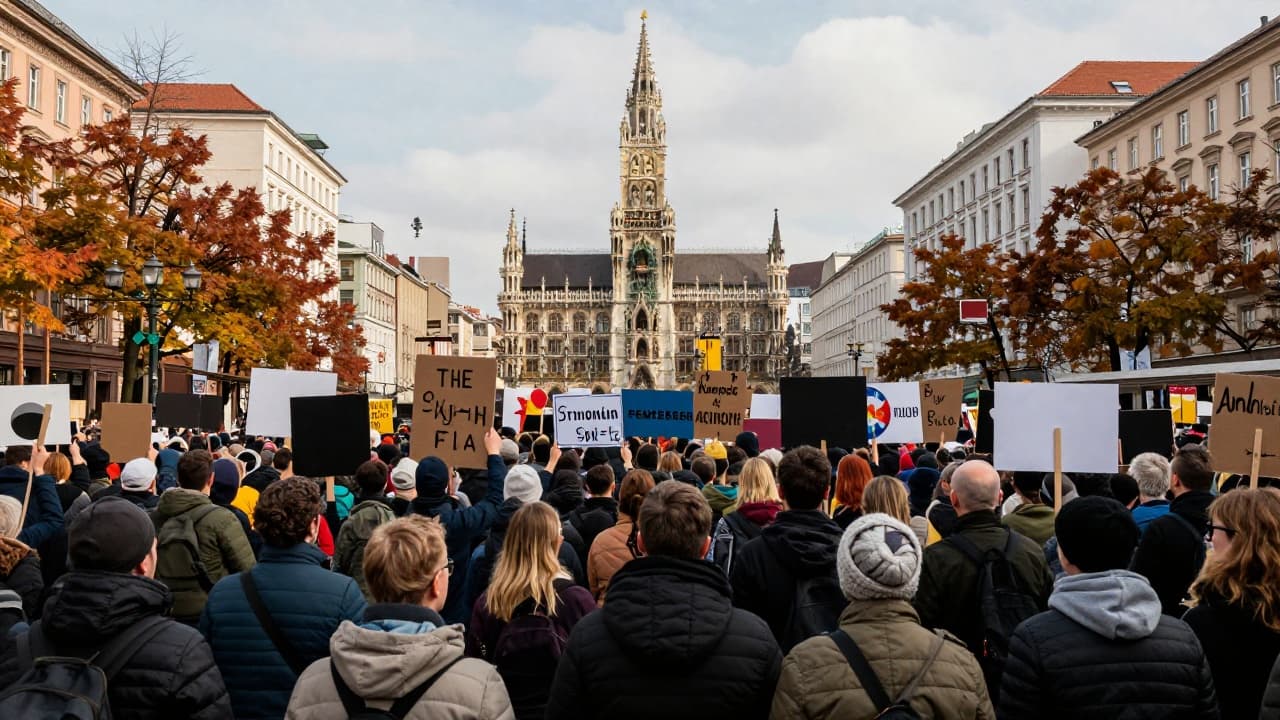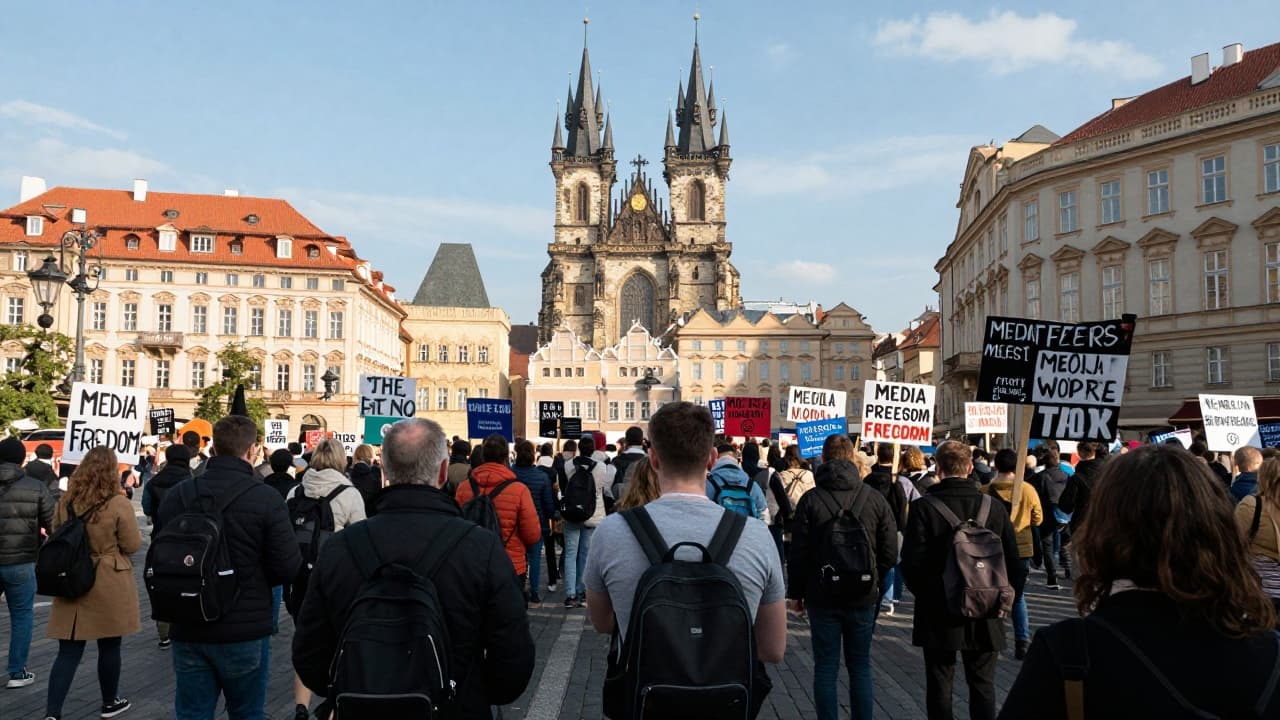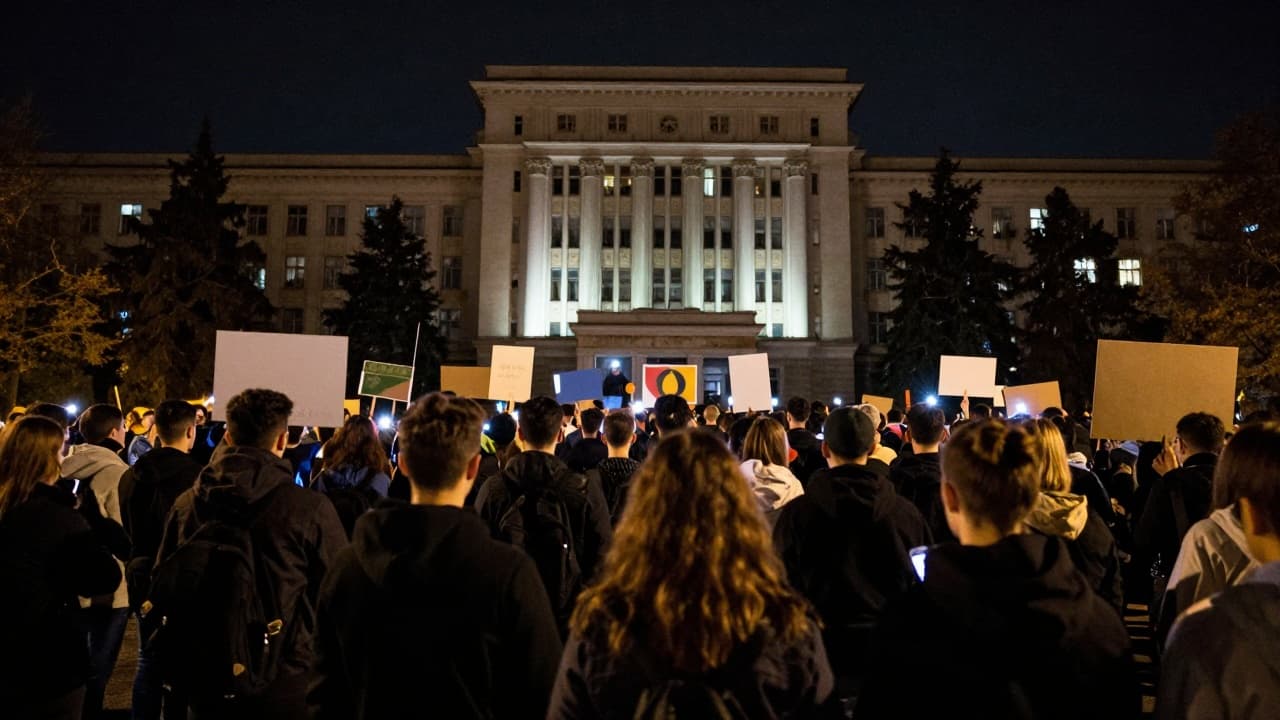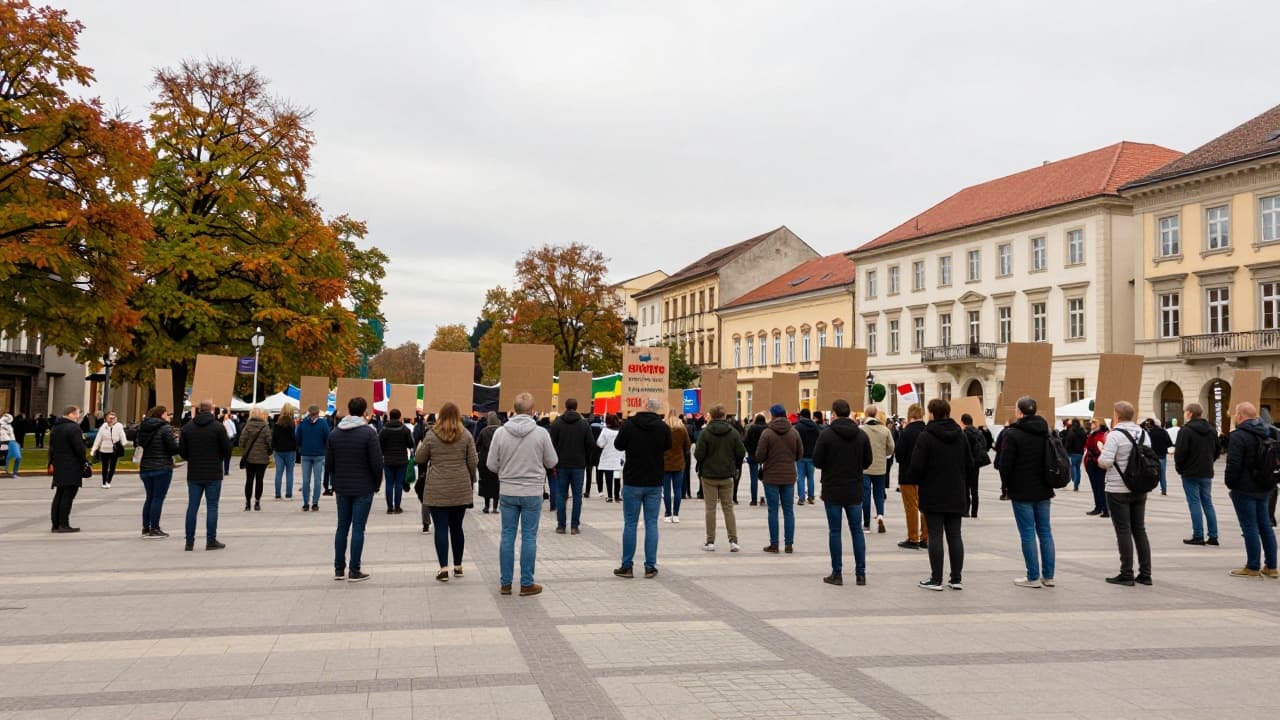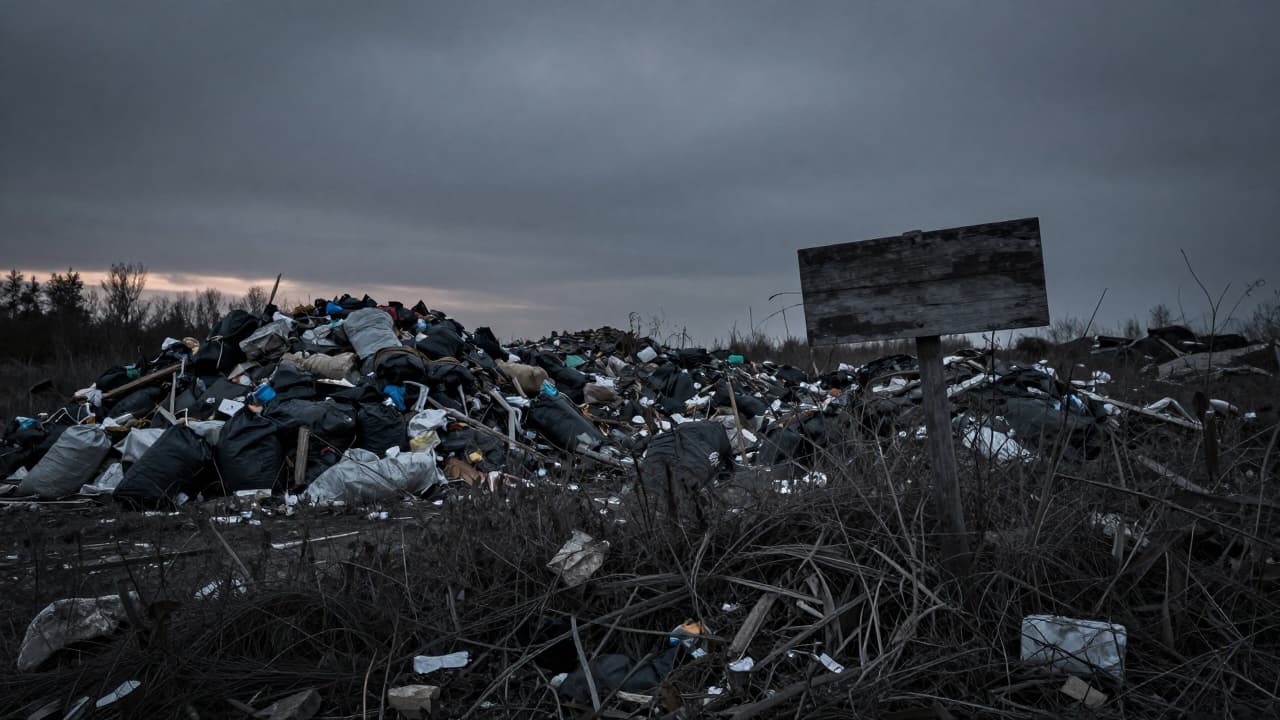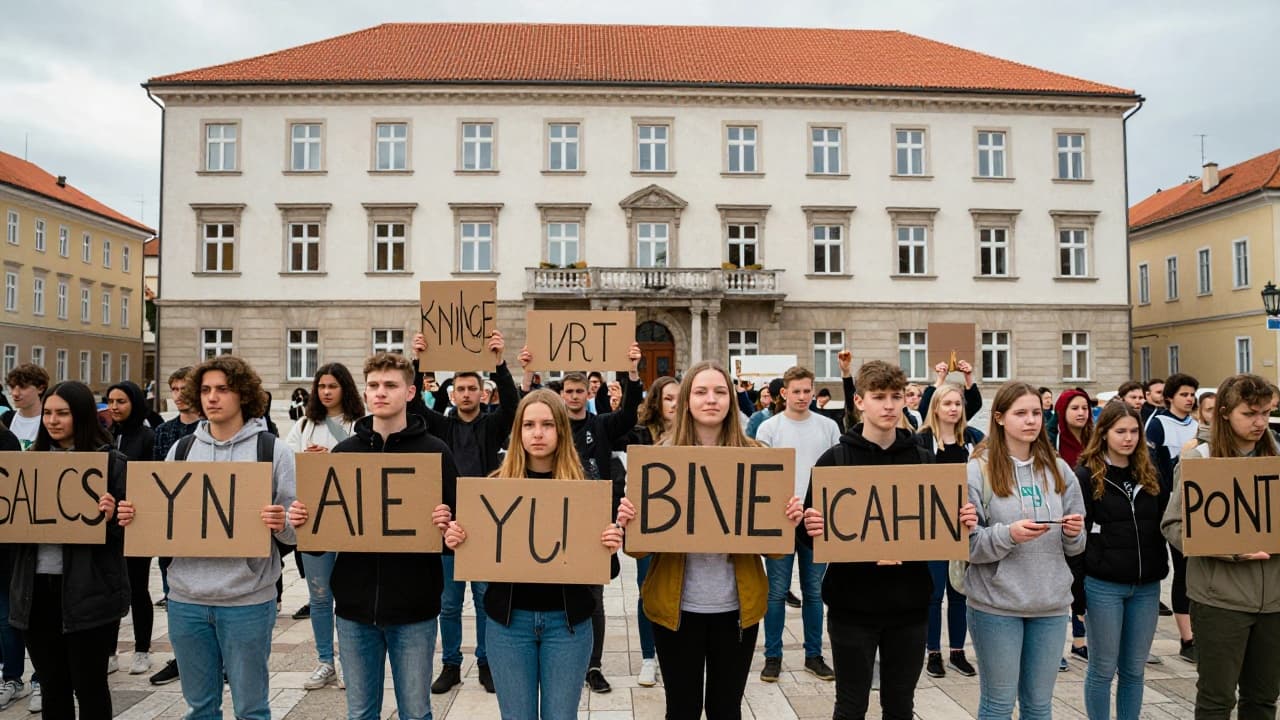
A wave of dissatisfaction is spreading across social media and communication channels in Croatia, which could see citizens and young people take to the streets in more than 10 Croatian cities in the third week of November. Gatherings planned for 20 and 21 November 2026 are directed against corruption, abuse of power, high cost of living and the deteriorating position of young people in society.
Two independent civil initiatives stand behind the upcoming actions, each with its own demands and method of organisation. Mobilisation began with the organisation of pupils and students via WhatsApp groups, the production of posters and the preparation of banners.
The first day of protest is scheduled for Friday, 20 November, under the banner of the "Youth Strike" initiative, which is linked to the broader European Youth Strike movement. Participants in this action plan to boycott classes and gather in front of educational institutions in Zagreb to draw attention to an inadequate education system, the inability to resolve housing issues and low starting salaries. One of the organisers states that they are "one step away from leaving the country".
On Saturday, 21 November at 10:00, the continuation of the protests is announced, organised by the "Time for Change" initiative. The Saturday gatherings are envisaged as a broader civil protest with prepared speakers and a specific programme. Protests have been announced in 13 cities: Zagreb, Split, Rijeka, Pula, Osijek, Zadar, Varaždin, Dubrovnik, Slavonski Brod, Sisak, Karlovac, Šibenik and Vukovar.
Organisers emphasise that this is an exclusively non-partisan and civil movement. The initiative states that it is not linked to any political party or political option, that the protest is civil, and that the goals are the fight against corruption, transparency, institutional accountability and a better future for everyone and for children.
Members of the "Time for Change" initiative highlight that the fight against corruption directly affects the quality of healthcare, education and jobs, and call for the establishment of a system in which "no one is above the rules" and where greater transparency in the spending of public funds is guaranteed. At this moment, there are still no official confirmations or detailed information from the competent authorities regarding the stage of formal applications for these public gatherings.