In the past 24 hours, Ukrainian forces have carried out attacks on Russian war and military cargo ships spanning an area from the Gulf of Finland to the Libyan coast in the Mediterranean, agencies and analysts report.
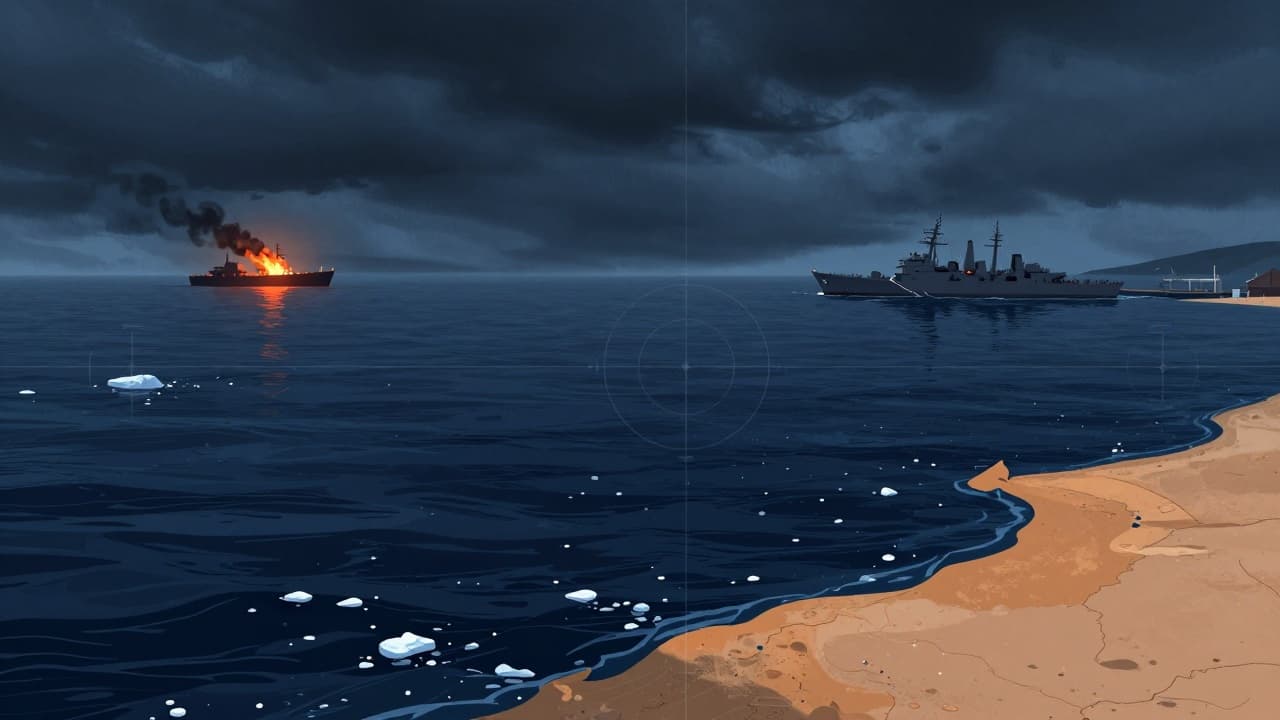
Barak Ravid, a journalist for the US portal Axios, posted on the social network X, citing a source familiar with the operation, that a long-range strike on a Russian warship in Libya was carried out by Ukraine's security service SBU (Security Service of Ukraine). The satellite imaging and geospatial analytics company Vantor, formerly Maxar Intelligence, released a high-resolution image from the port of Benghazi. The image shows the 105-metre-long Russian missile corvette Merkuriy (Merkuriy-class corvette) moored at a concrete pier blackened by fire, with debris scattered along the shore, while the stern and central section of the vessel are heavily damaged and largely submerged.
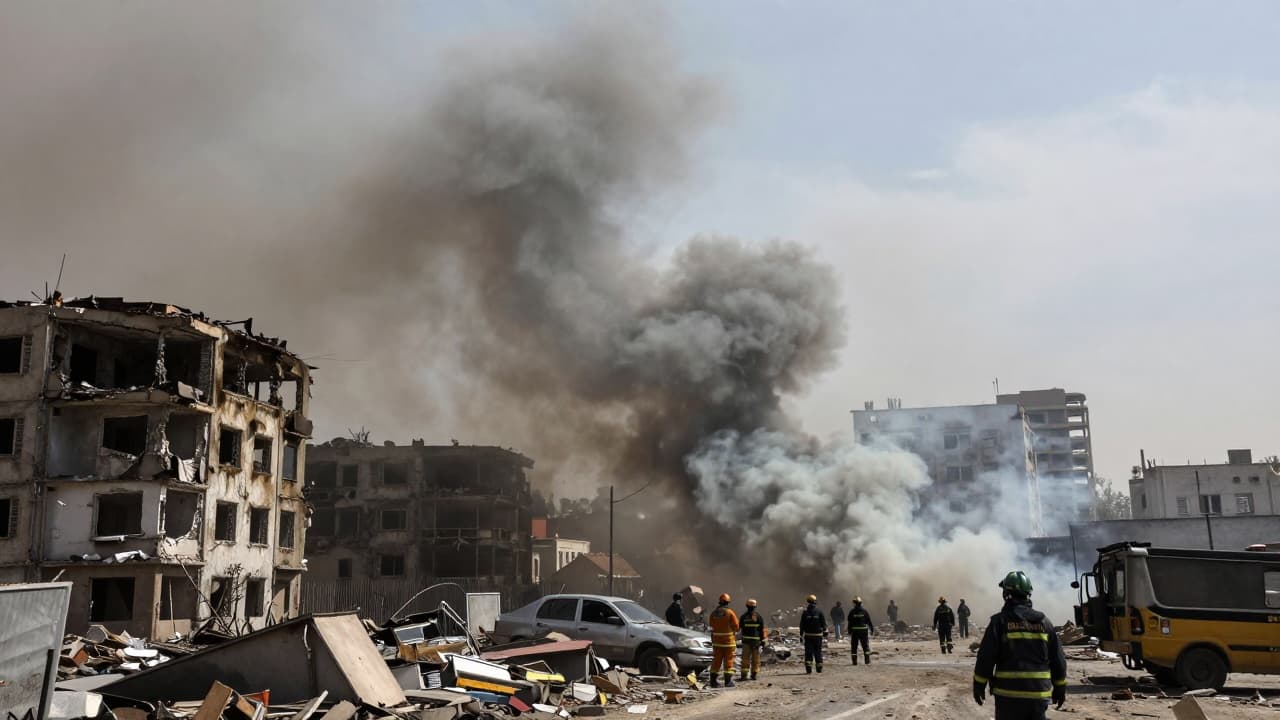
Planet Labs published lower-resolution satellite images, relayed by Radio Free Europe, showing the corvette engulfed in bright orange flames while a huge column of thick dark smoke rises over the entire port area. Merkuriy is a modern Steregushchiy-class corvette with a crew of about 90 members that entered service with the Russian navy in May 2023. It is worth approximately $200 million according to contract data from the Sredne-Nevsky Shipyard in Saint Petersburg. It was built for the Black Sea Fleet but, because Turkey closed the Bosporus to warships, it never entered the Black Sea and instead operated from Arctic bases. It arrived in Benghazi accompanying a Russian military convoy, just a few months after its sister ship Boykiy was heavily damaged in a Ukrainian drone attack in Kronstadt in June.
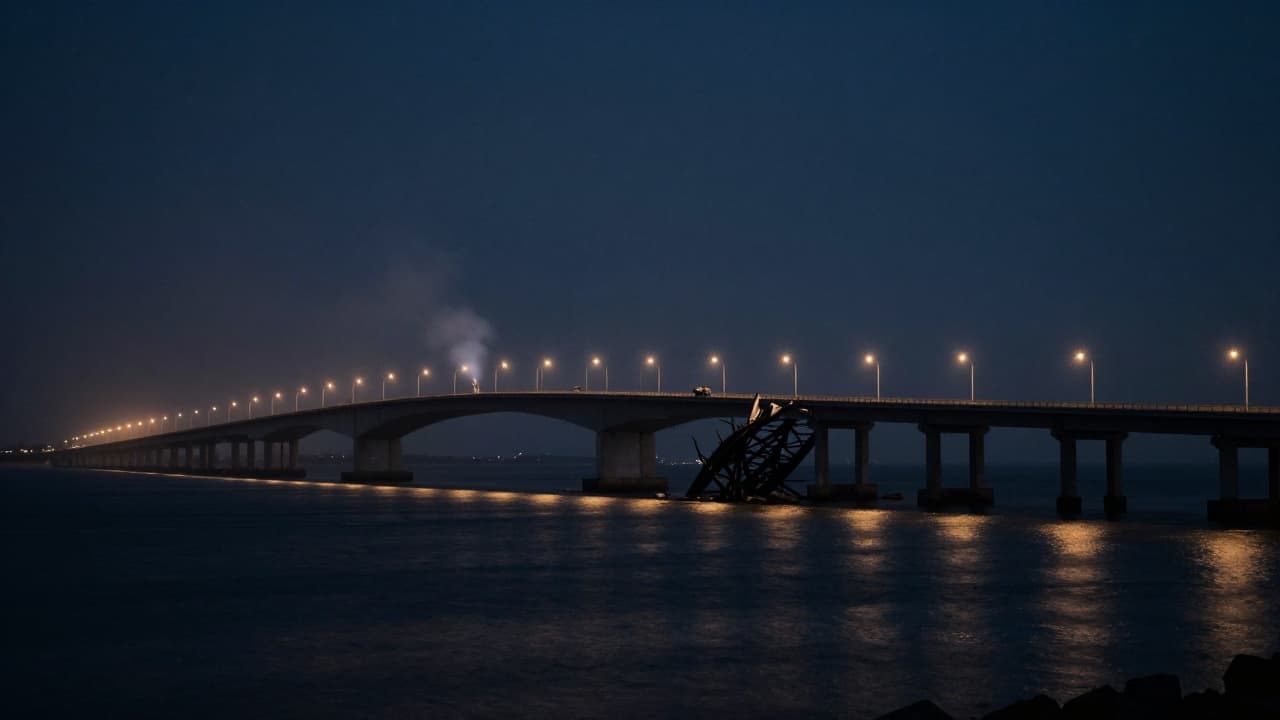
Less than 24 hours after the destruction of the Russian corvette Merkuriy, a new attack on Russian vessels was carried out off the coast of Benghazi. Social media circulated footage showing an unmanned vessel ramming at high speed into the side of a Russian cargo ship, followed by a dazzling flash of explosion on impact. Local sources said forces in Benghazi dispatched helicopters to repel the attack. The authorities of eastern Libya, controlled by Russian ally General Khalifa Haftar, confirmed that last night's explosion at the naval base was caused by a drone attack. According to sources cited by Al Arabiya, six unmanned vessels took part in the night attack — Libyan forces intercepted two and disrupted four, while one struck a Russian ship and another hit an ammunition storage facility. The Benghazi government announced a joint investigation with Moscow, alongside a message that Libya is not a party to the Russia-Ukraine war.
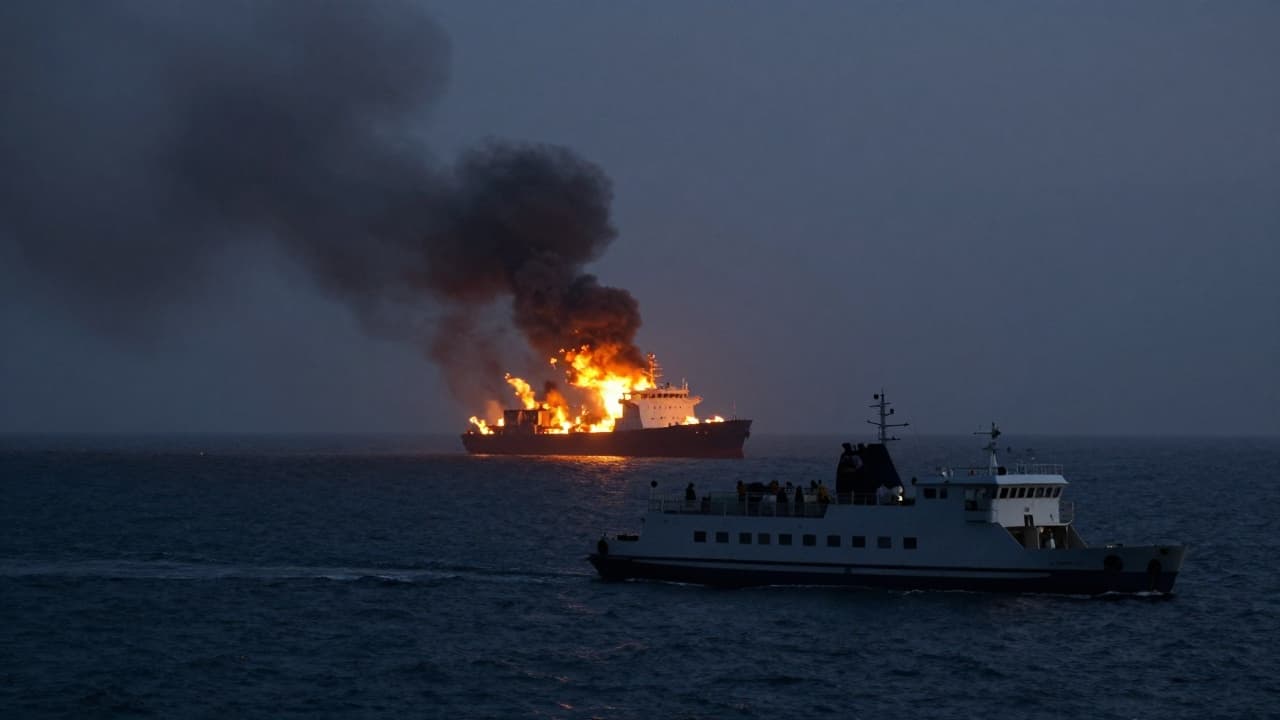
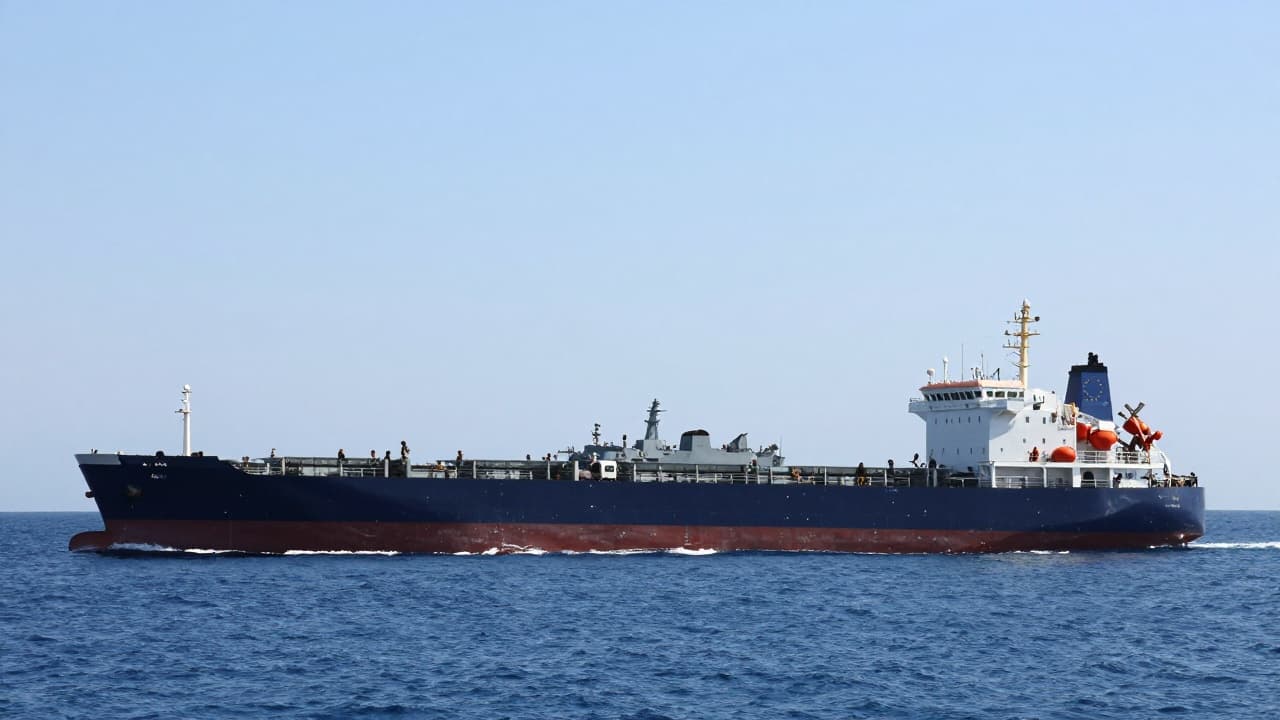
In the Gulf of Finland, the 121-metre-long Russian cargo ship Sparta II was on fire. The vessel is owned by Oboronlogistika (a company under US sanctions for carrying out logistics work for the Russian Ministry of Defence). Sparta II was struck by drones yesterday morning while sailing from Saint Petersburg towards the Russian exclave of Kaliningrad. Out of control, it drifted into Finnish territorial waters off the town of Loviisa, where all 16 crew members were evacuated. The Finnish Border Guard attributed responsibility for the attack on Sparta II to Ukraine. Finnish authorities note that Ukrainian drones in the same waters of the Gulf of Finland already struck a Russian warship 10 days ago.
Naval analyst H. I. Sutton warns that the strikes near Finland and in Libya have exactly the same objective. In both cases, maritime supply lines by which Moscow transports weapons and military equipment beyond the Black Sea are hit, where the Ukrainian military has already previously pushed back and largely neutralised the Russian fleet. In December 2024, in the western Mediterranean, the Russian cargo ship Ursa Major, linked to the Russian military, sank following explosions, most likely from underwater mines. In March this year, off the Libyan coast, the Russian LNG tanker Arctic Metagaz was destroyed by maritime drones. Benghazi is approximately 1,800 kilometres by air from Ukraine, over the airspace of several European countries and the Mediterranean Sea. The Associated Press agency reported as early as April, citing two Libyan officials, that Ukrainian special forces are operating in western Libya under a secret agreement and that it was from there that they attacked the tanker Arctic Metagaz. Benghazi and eastern Libya are firmly under the control of Haftar's forces, which have for years been building military ties with Moscow and serve as Russia's main logistical springboard for operations across Africa.