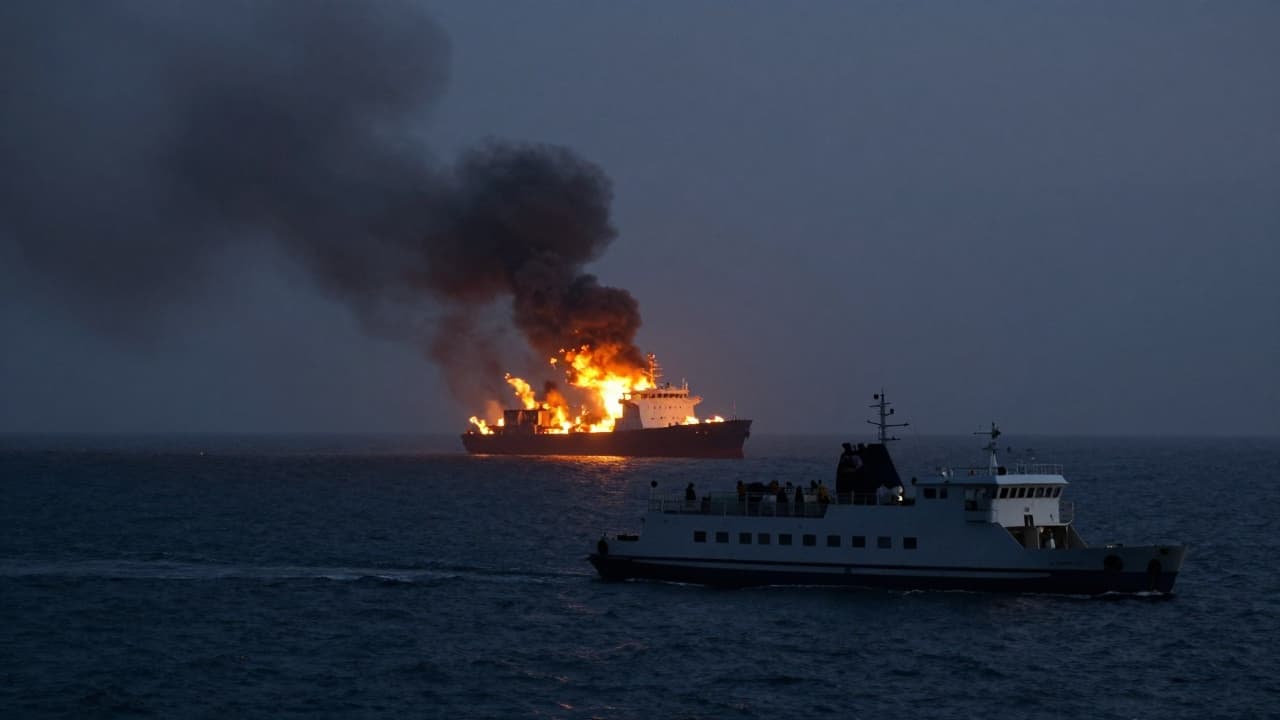
Russia has taken aggressive steps at sea, leading to increased activity by the Russian navy. These changes include inspections of bases and units, as well as the taking of actions aimed at intimidation. These actions are part of a broader strategy by Russia to achieve strategic objectives in the maritime domain.
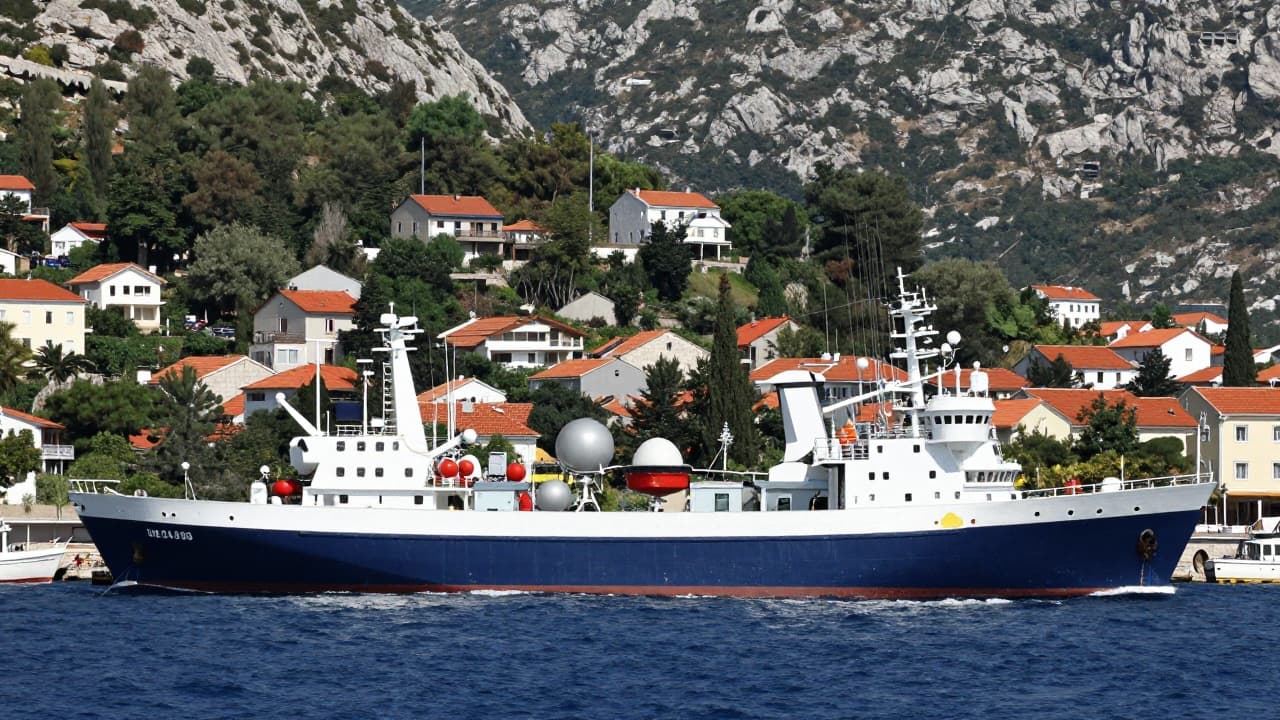
A key aspect of this strategy is the use of a hidden fleet, consisting of less visible vessels. This fleet is equipped with weapons, and its operations are often masked to avoid detection by western intelligence. Russia uses armed security teams on board to ensure the protection of this fleet, a move that further complicates the situation.
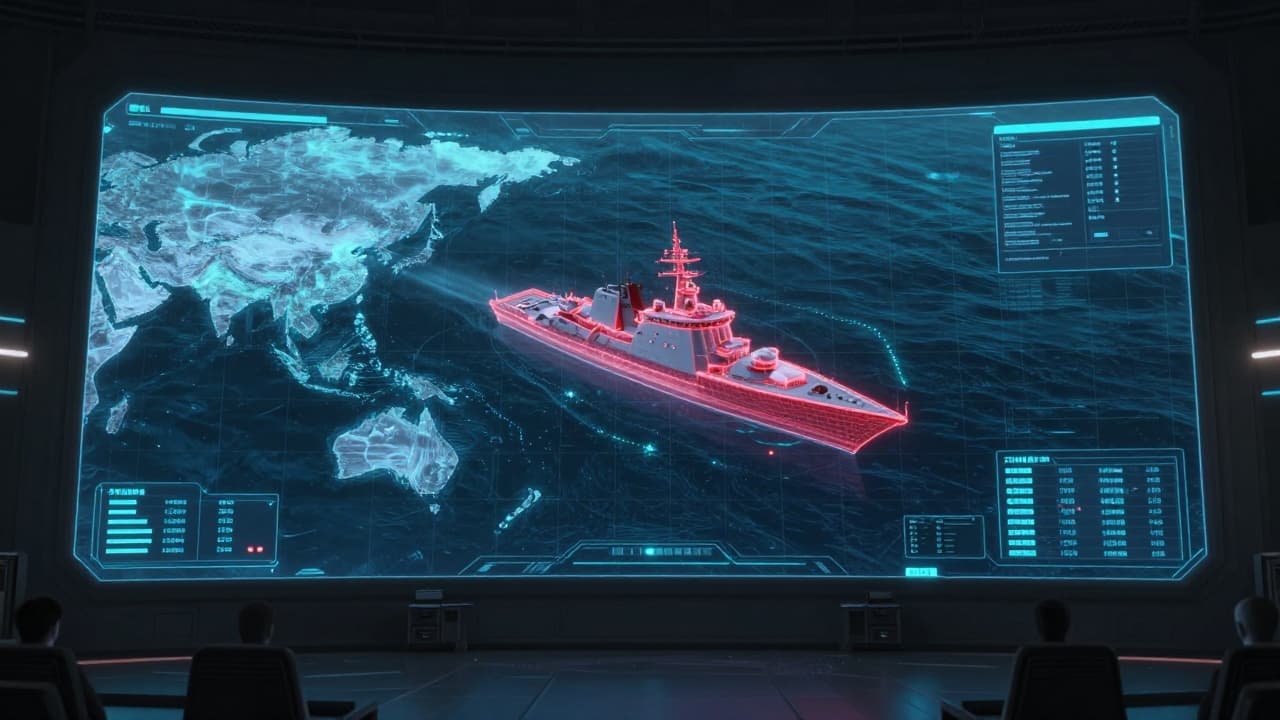
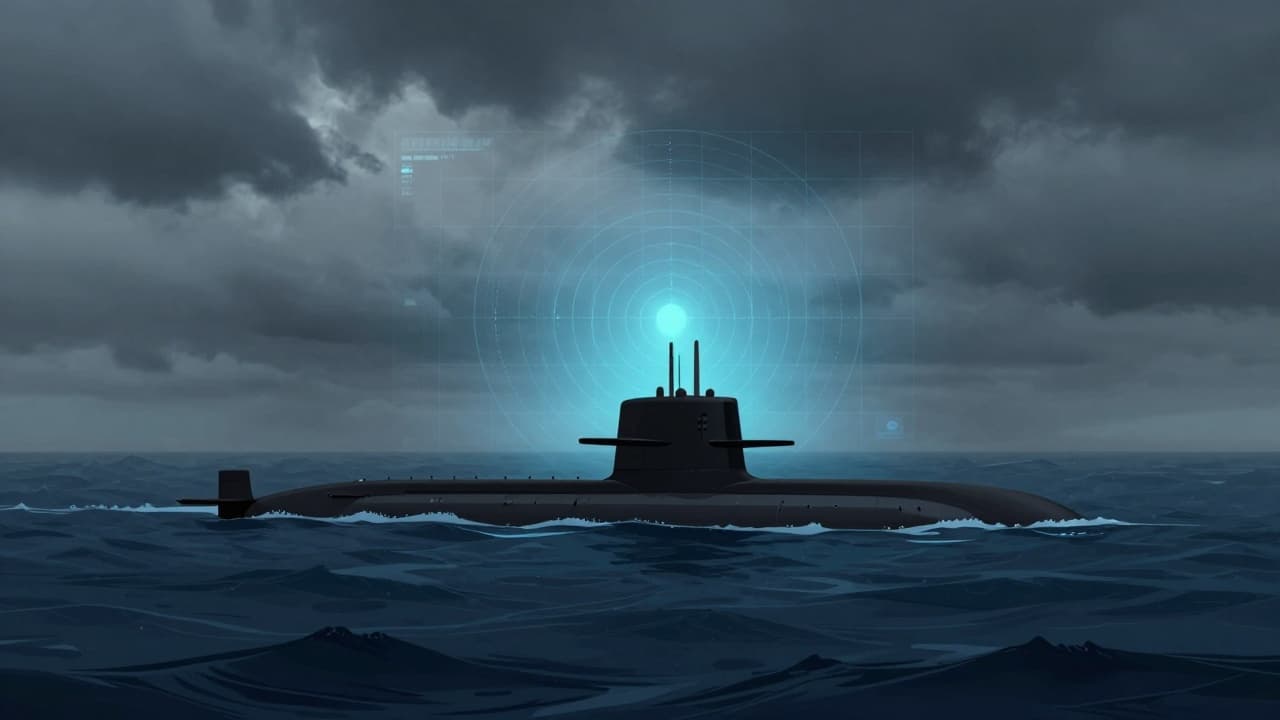
In response, Germany and its allies have taken steps to improve their ability to detect these activities. By using a combination of data from ships, aircraft, coastal radars and satellites, they have significantly reduced the time required to detect suspicious activity. Detection of suspicious actions now takes only one hour, compared to 17 hours previously.
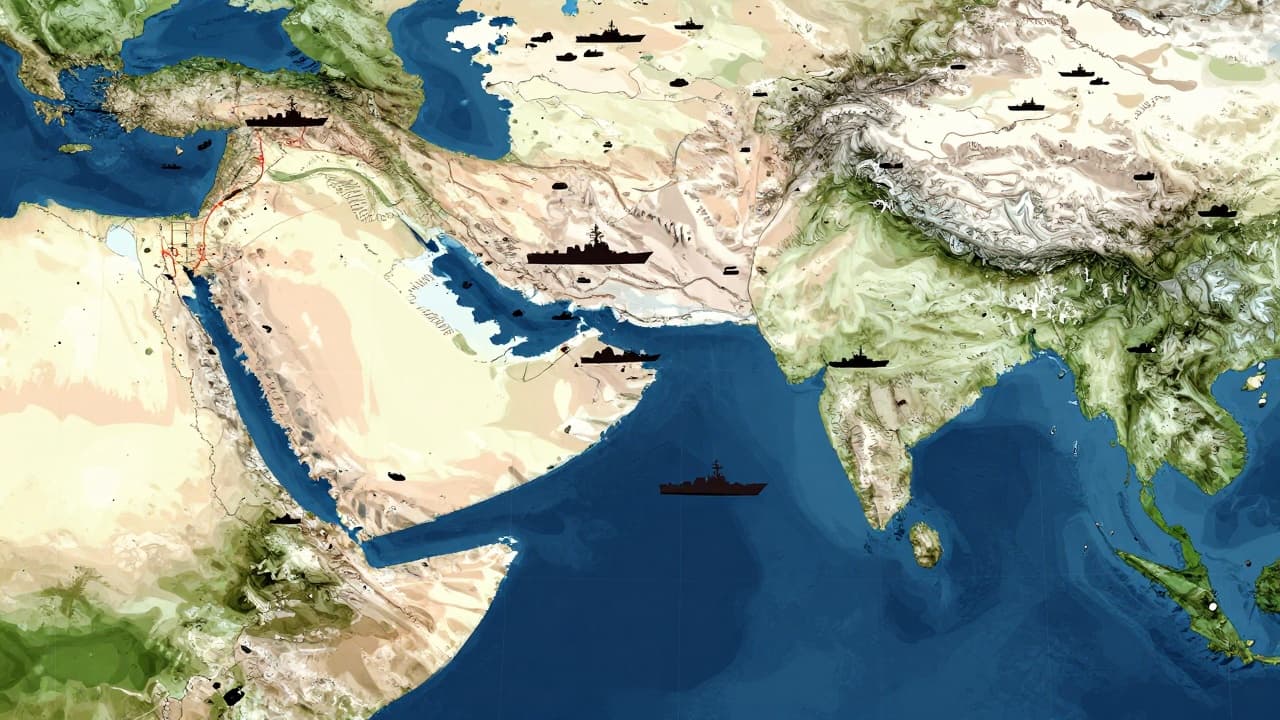
These changes are particularly significant in the context of recent events in the Middle East, where similar tensions have emerged. The Red Sea and the Gulf have become focal points of tension, and freedom of navigation is no longer secure. These changes require constant attention and adaptation of strategies to ensure security in these regions.
Overall, this situation highlights the importance of continuous monitoring and adaptation of strategies in light of changing conditions. Germany and its allies must remain vigilant and adapt to new challenges to ensure their security and stability in the region.