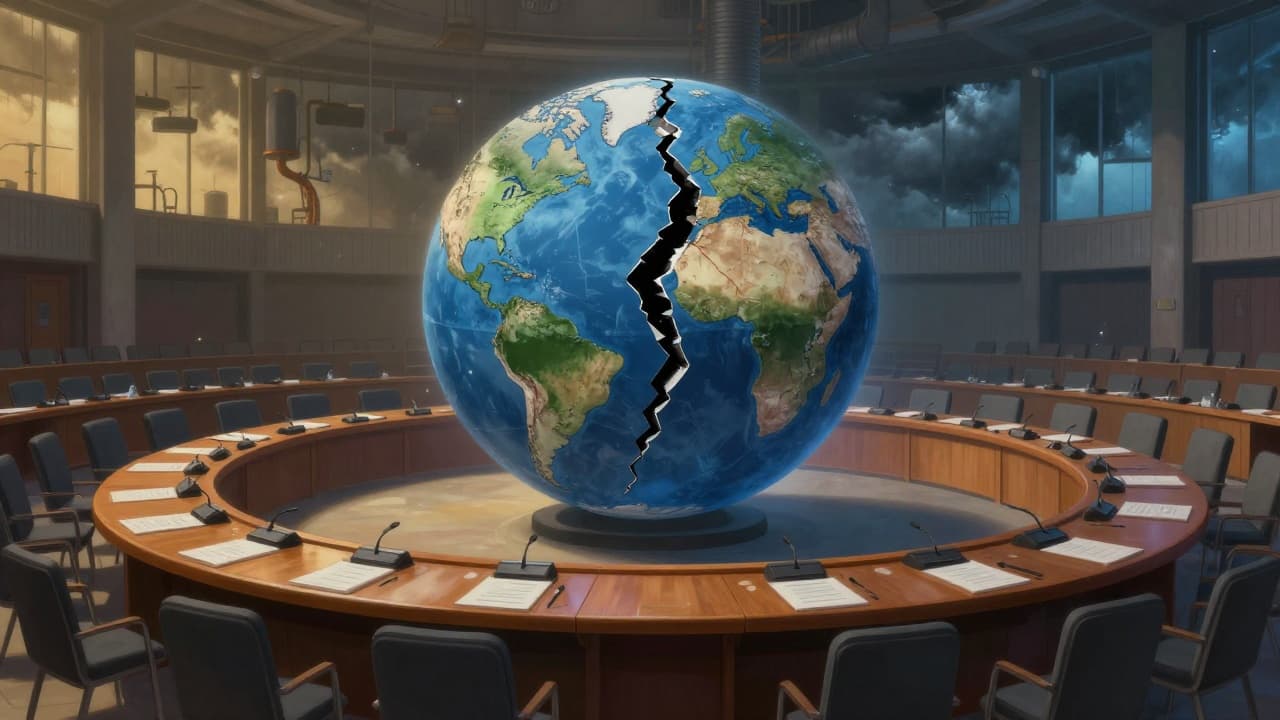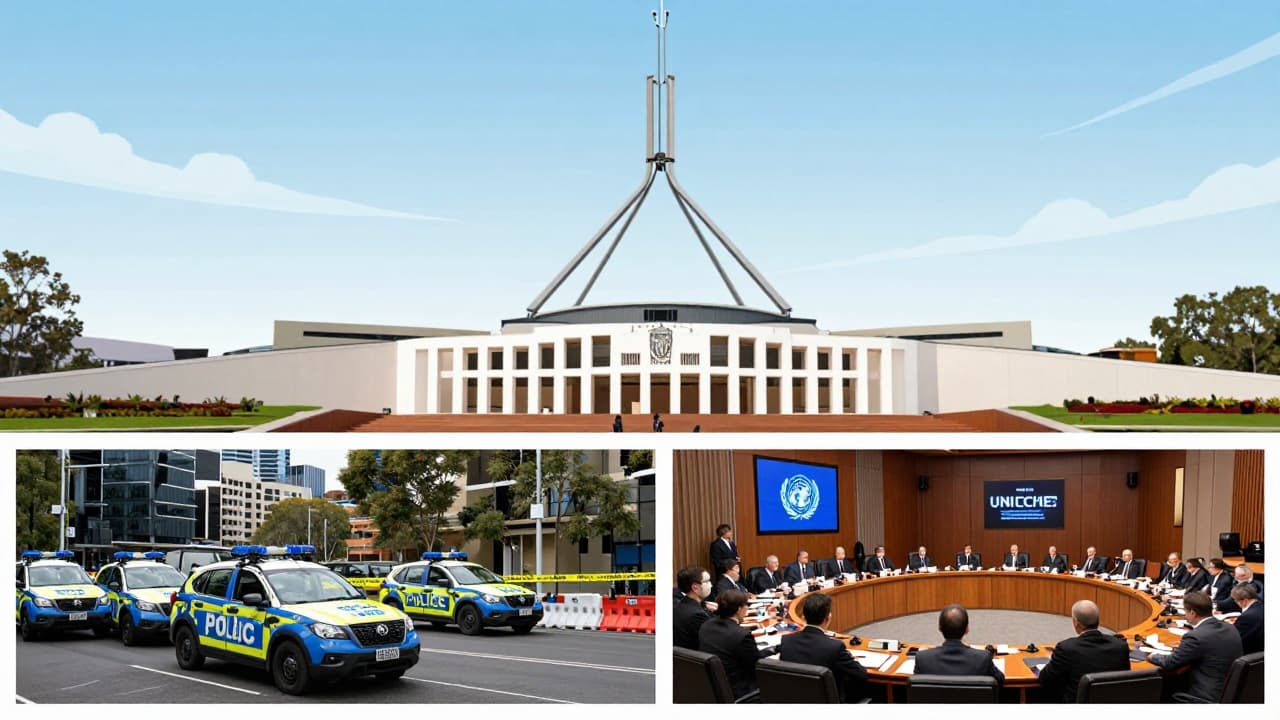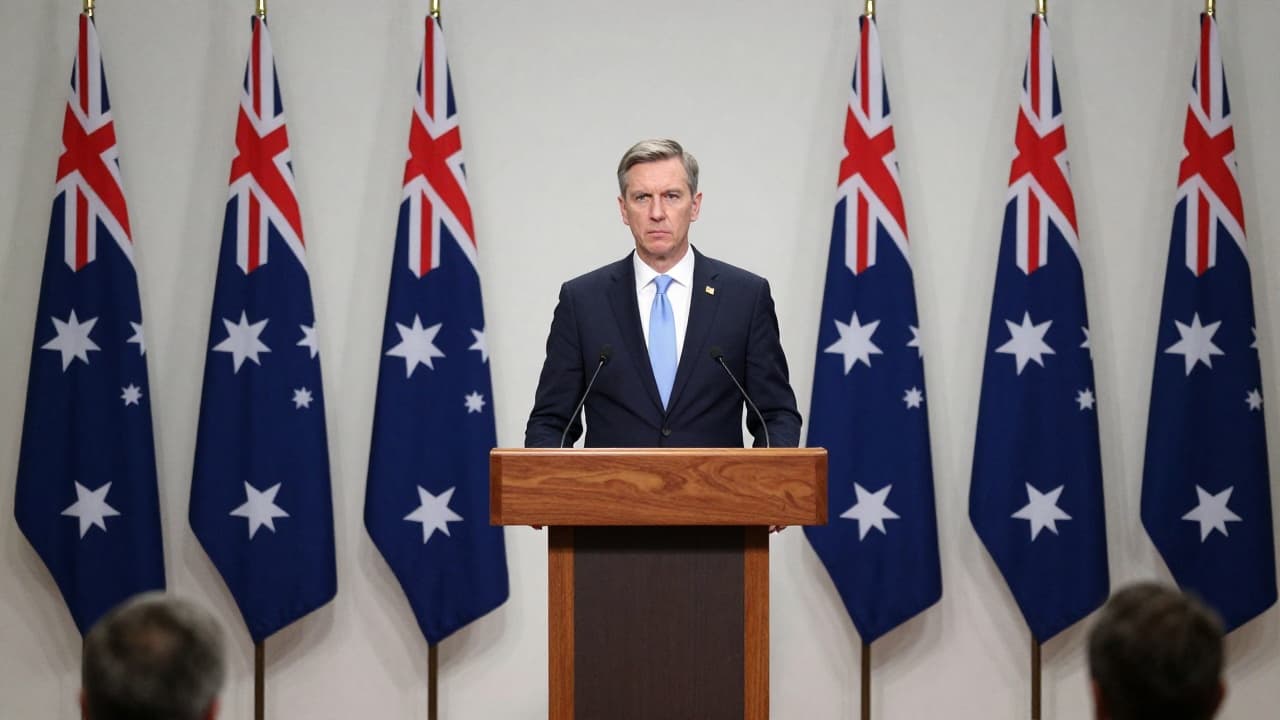
Minister Murray Watt stated that it is becoming increasingly difficult to bridge differences between nations on climate policy following a COP summit that did not conclude with a final agreement. Watt said that the decision on coverage was not accepted by all nations.
According to Watt, the international environment for reaching an agreement is very challenging, with fossil fuel producers on one side and states suffering serious consequences from climate change on the other. He also highlighted that there is much greater defensive cooperation between Australia and Japan, Australia and the Philippines, and the Philippines and Japan, as well as a stronger US defence relationship in the region.
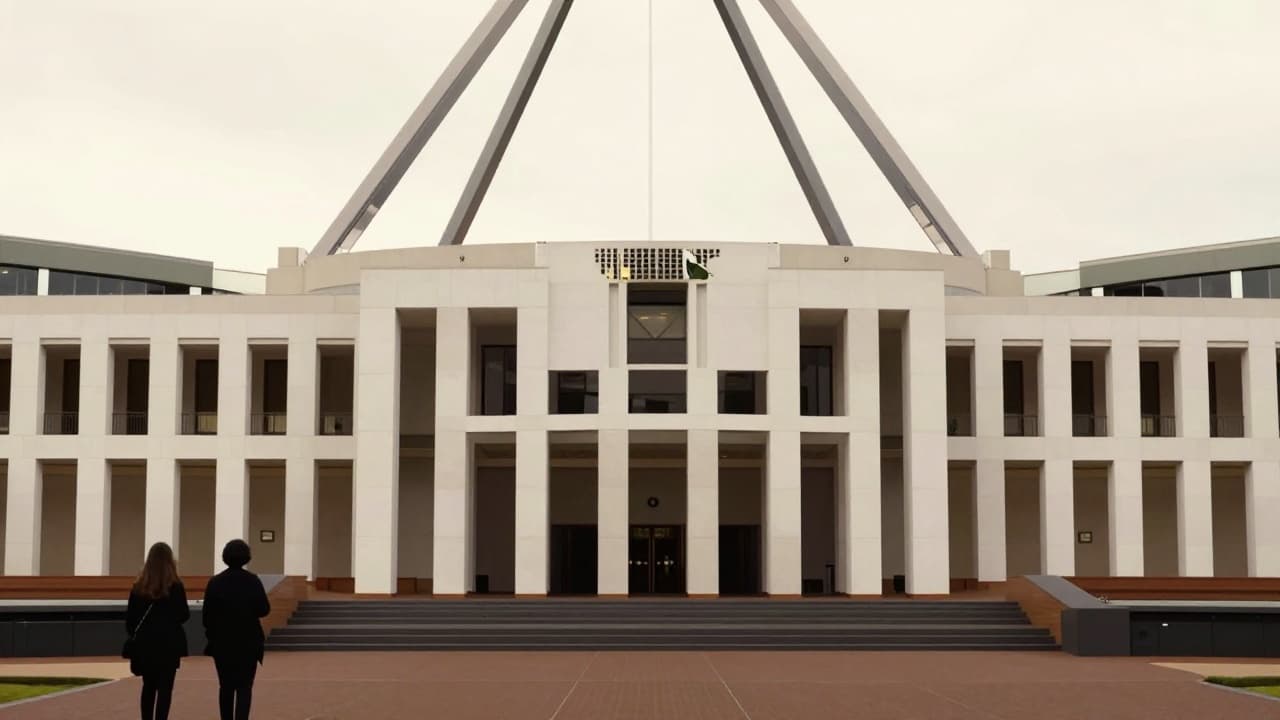
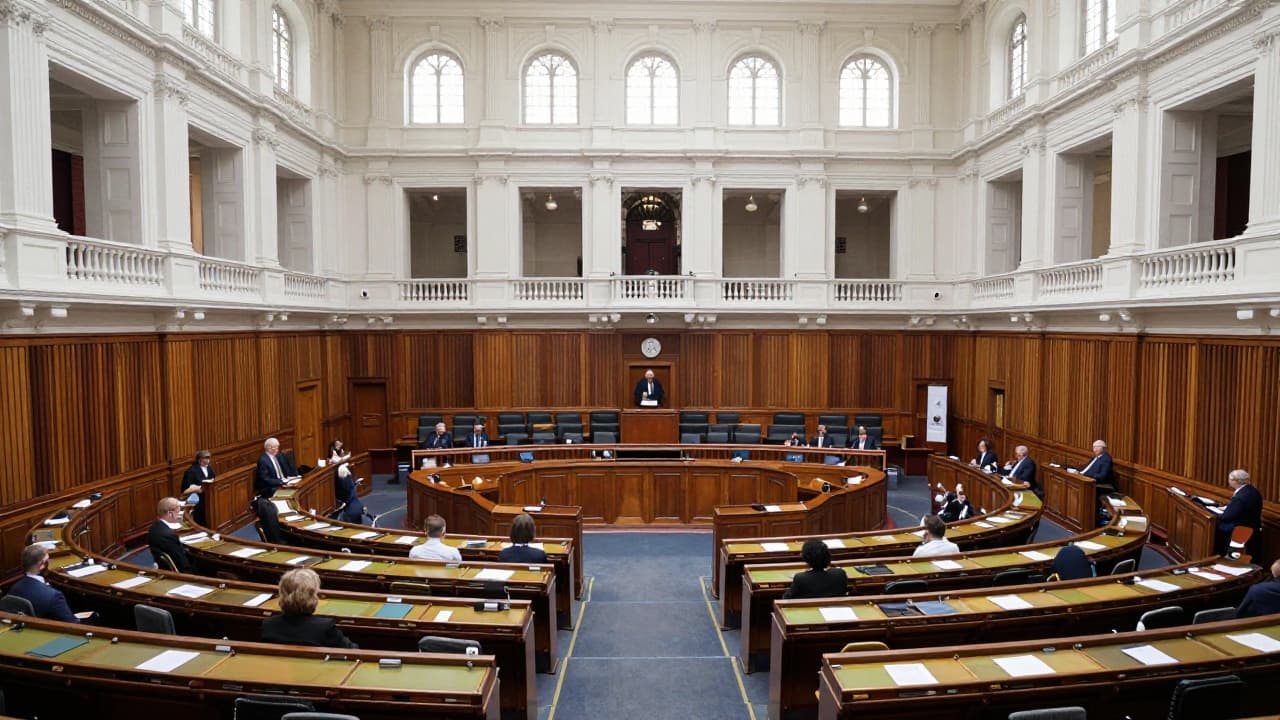
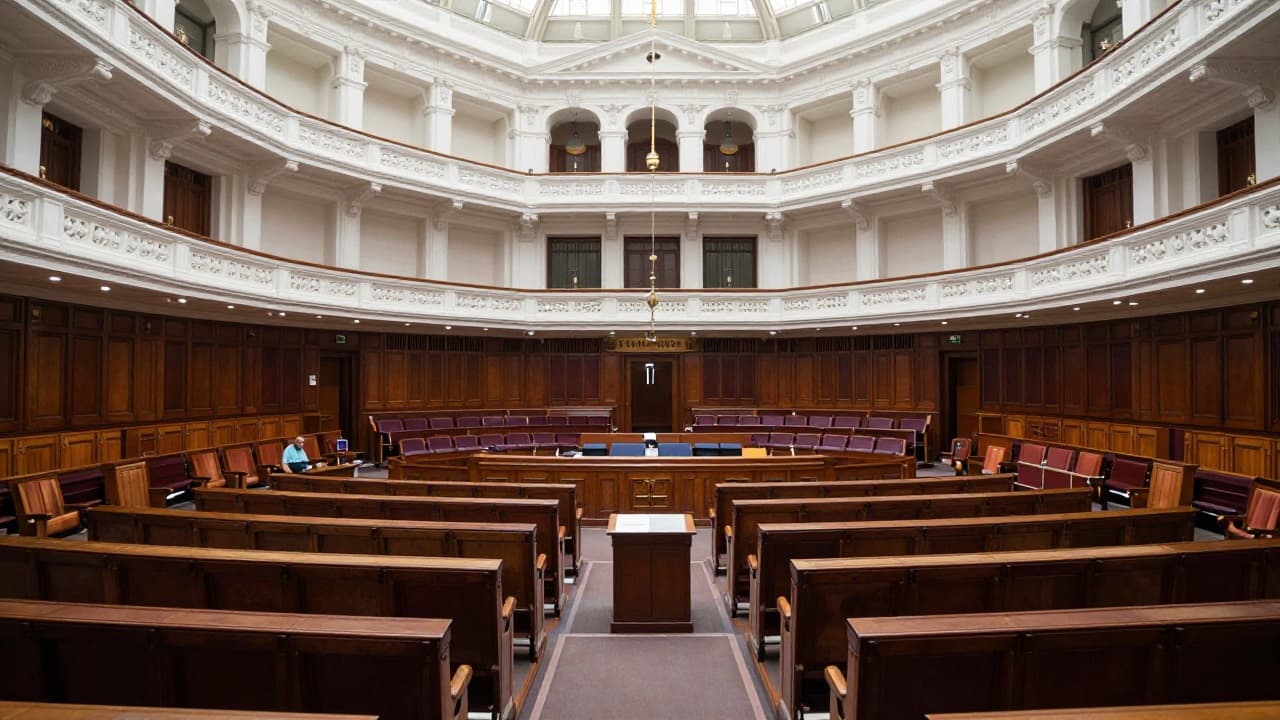
In the Australian parliament, the opposition began a debate on the COP summit after consensus on an agreement was not reached. Dan Tehan, the shadow minister for energy, was ejected from the start of question time due to what was termed the 'Cop flop'. Tehan claimed the government had spent $150 million on that failure and asked the prime minister how much more money the minister needed to spend before being sacked.
Anthony Albanese responded to part of the question in which Tehan said the government had spent $30 million on an event before the COP 'that nobody came to', asserting that several Pacific leaders were there. Tehan then raised a point of order of a procedural nature, asking if they could 'do a favour and answer the question'. Milton Dick called that point of order an 'abuse of the rules' and ejected Tehan. Dick said that such abuse during question time on the first day is not acceptable. Albanese finished his answer by mentioning the incident when Tony Abbott, Peter Dutton and Scott Morrison joked over a hot microphone about the impact of climate change on the Pacific. He did not answer the question of whether he would sack Bowen.
Rebekha Sharkie asked the government why companies are allocated carbon credits for electric vehicles when they are imported into the country, rather than when they are sold. Sharkie says that allocating credits at import risks companies dumping electric vehicles due to the financial incentive and leaving them unsold. She claims that thousands of Chinese electric vehicles are sitting unsold across Australia, dumped in ports and misused water parks. Many of those vehicles will likely never be sold, but many have still attracted lucrative carbon credits for their manufacturer.
Pat Conroy, who was representing Chris Bowen, said that the government's policy on electric vehicles is key to decarbonisation. Conroy says that this policy has led to very strong uptake of electric vehicles in the country, which is key to decarbonising the economy.
Angus Taylor asked the prime minister when he would sack his finance minister and listed a series of complaints. Someone from the government majority bench sarcastically shouted 'sack them all'. Anthony Albanese began by acknowledging that the country is facing difficult economic times. 'These are difficult economic times. Not only do we acknowledge that – we are doing something about it,' Albanese said. He added that the government is acting in the country by proposing reasonable savings, some of which are blocked by those in the opposition.