The first draft of the possible final conclusion of the UN climate summit Cop31 represents an attempt to "pull" signatory countries together on areas where they agree and those where they do not, said the head of the negotiations, Australian climate change and energy minister Chris Bowen.
Many countries were surprised that the first draft of the possible "cover decision" was published on Monday early afternoon, even though more than four days remained until the end of the two-week negotiations. Bowen told the Guardian: "It is an honest attempt to pull the parties together on what they can support and what they cannot. It will contain things on which there is no consensus, but if we focused only on what there is broad consensus on, the document would be very thin."
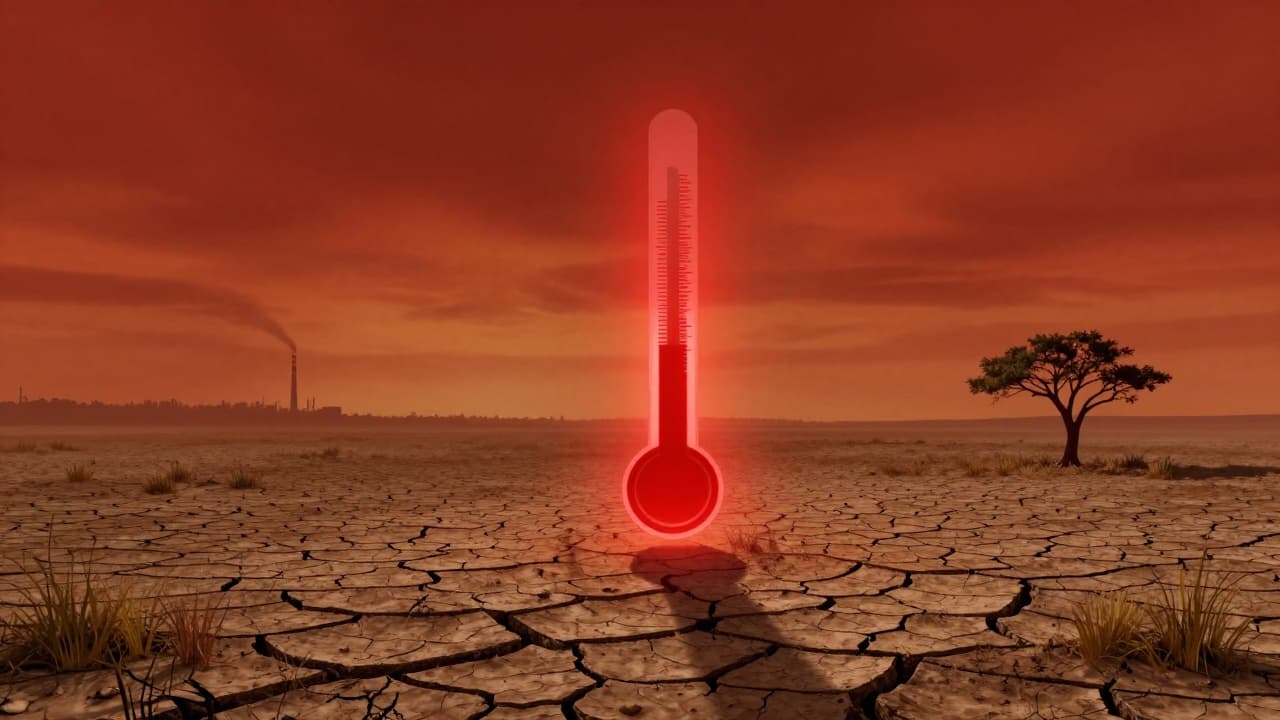
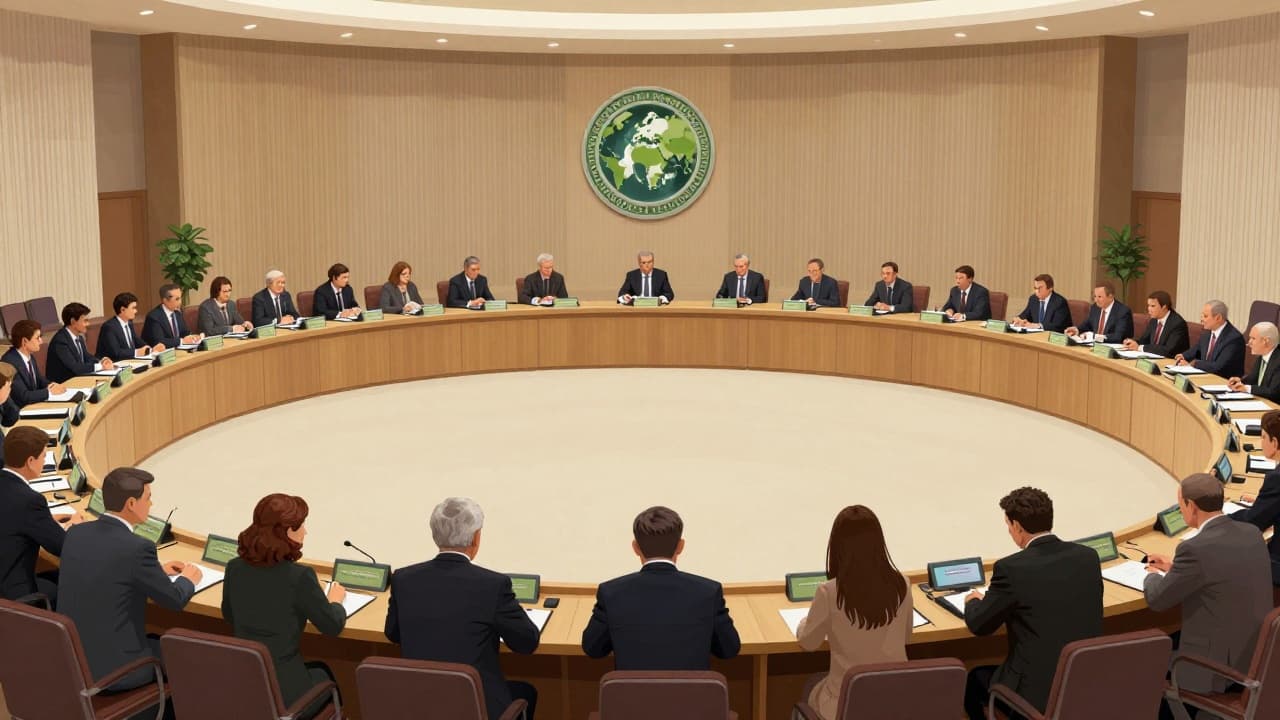
The 18-page draft, among its 144 separate points, contains a call for an "immediate transition away from fossil fuels" and to limit "overshoot" of the 1.5 °C temperature limit targeted by the Paris climate agreement. The document in its current form sets out the opposing positions of governments, from small island states to oil giants and emerging economies. It must ultimately be approved by nearly 200 countries at the UN climate summit.
Bowen said: "We have to start with a broad document, focus on achieving consensus on some difficult issues, and then refine it over the next few days." Alden Mayer, a senior fellow at think tank E3G, assessed that publishing the draft at this stage was a gamble. "But it would have been a gamble to wait later in the week. They decided on a 'full monty' approach, knowing that many of the 144 items will not survive the week," Mayer said, adding: "The question is where the presidency thinks the right balance is on various contentious issues."
The formulation on fossil fuels echoes the promise made by all countries at Cop28 in Dubai to "transition away from fossil fuels", which had no attached timeframe or work programme. It is likely to be attacked by oil-producing countries that have hardened their positions since Cop28. The document also contains provisions on addressing "overshoot" of the 1.5 °C temperature limit and a target for 35 per cent of global final energy to be derived from electricity by 2035, which is a key priority for the host country, Turkey.
Mohamed Adow, director of think tank Power Shift Africa, called the text "a garden that has grown too much. There are many encouraging green shoots, but there is also a lot of weeds that need to be pulled up." Adow welcomed the fact that the draft developed the previous promise to triple financing for poor countries to help them adapt to the consequences of extreme weather. "If that formulation remains in the final version, it would indicate that countries are starting to listen to the needs of the vulnerable," Adow said.
The "cover decision" is only one part of the expected outcome of this Cop, and some countries – primarily Russia, Saudi Arabia and the Arab group, along with some allies – oppose its adoption. Cover decisions have been used at most of the previous 30 Cops, covering resolutions that were difficult to fit into other formal negotiating tracks. Within the other tracks at Cop31, there remain major disagreements between developed and developing countries. Poor countries are dissatisfied that there is likely to be no new financing at this Cop.
Siphesihle Mvundla from groundWork, a non-profit organisation for environmental justice in South Africa, said: "Plans for climate action without climate finance go nowhere." He added: "The Global South spends 225 times more on debt repayment than it receives in climate finance from the very countries that owe them a climate debt."
The text contains points that will likely be the subject of trade-offs among parties. The formulation calling for "removal of carbon dioxide" was attacked by activists who see it as a "false solution", but it is unlikely that any fossil fuel-producing countries would agree to any text without such a reference. Bowen said that fossil fuel-producing countries do not bear greater responsibility than consumer countries in addressing the climate crisis. "There are two types of countries in the world, fossil fuel exporters and fossil fuel importers, and we are all in this together. The idea that it is all [aimed at] fossil fuel exporters is not something I support," Bowen said. He added: "We are all part of that process and dealing only with one group and not the other is not realistic." Bowen refused to commit Australia, one of the world's largest coal producers, to phasing out fossil fuel exports, as demanded by activists and some countries.