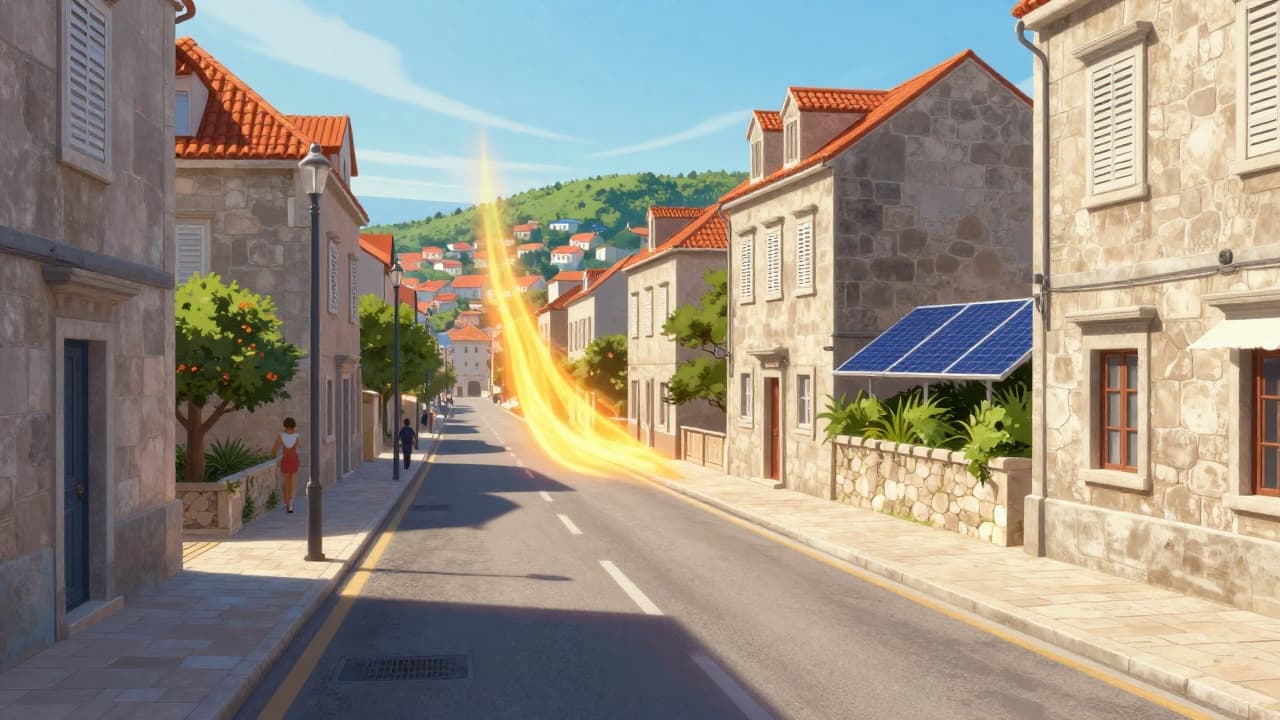
Climate change is progressing faster than the results of mitigation measures are being achieved, warned Ivan Güttler, director of the State Meteorological and Hydrological Service (Državni hidrometeorološki zavod, DHMZ), while appearing on HTV’s Dnevnik. Croatia, in his assessment, must take a more serious approach to adapting cities to higher temperatures and more frequent weather extremes.
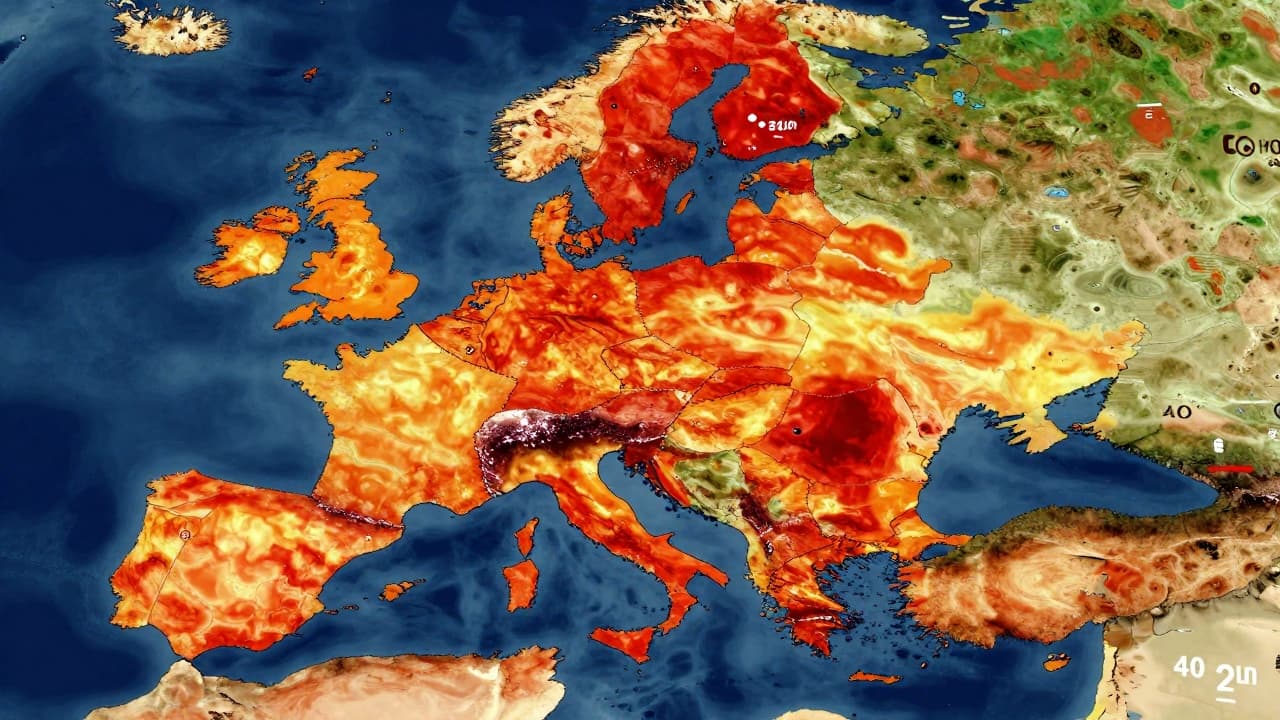
Speaking about the COP31 climate summit in Turkey, Güttler highlighted the slow implementation of climate measures. According to current trends, the average global temperature could rise by 2.8 degrees Celsius by the end of the century. Nevertheless, he considers the situation somewhat more favourable than it was when the Paris Climate Agreement was adopted. "Looking back at the Paris Agreement of 2015 and 2016, the picture was even darker then. At that time, the discussion was not about a world 2.8 degrees warmer, but about nearly four degrees," Güttler said. However, he emphasised that more favourable long-term projections do not mean the climate crisis is under control.
It is necessary to further accelerate the reduction of greenhouse gas emissions and investments in adaptation. Among the main obstacles, Güttler singled out financial constraints, political will and economic interests. The consequences of climate change are becoming visible faster than implemented measures yield results, but positive shifts exist, particularly in the development of renewable energy sources. Solar energy is occupying an increasingly important place in electricity production, including in the European Union and Croatia. Güttler believes Croatia must further accelerate the electrification of transport to reduce emissions, and warned that economically stronger states will have more opportunities to finance the protection of populations and infrastructure from climate change.
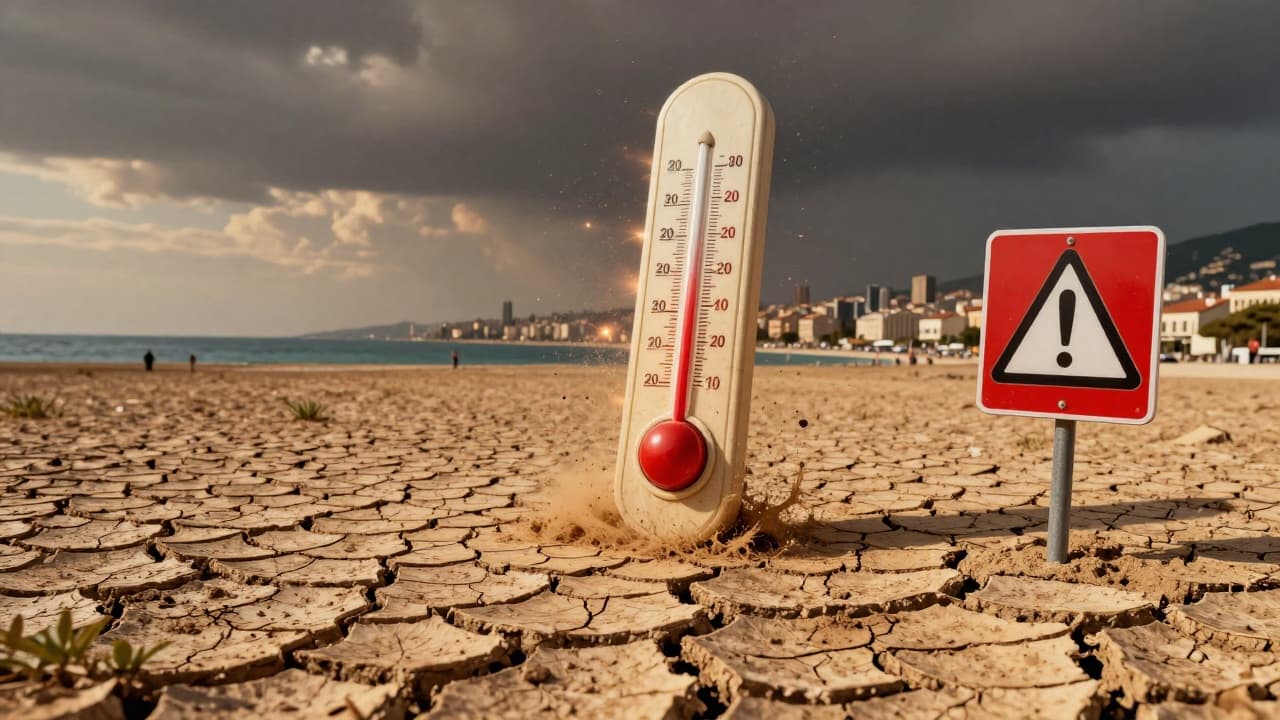
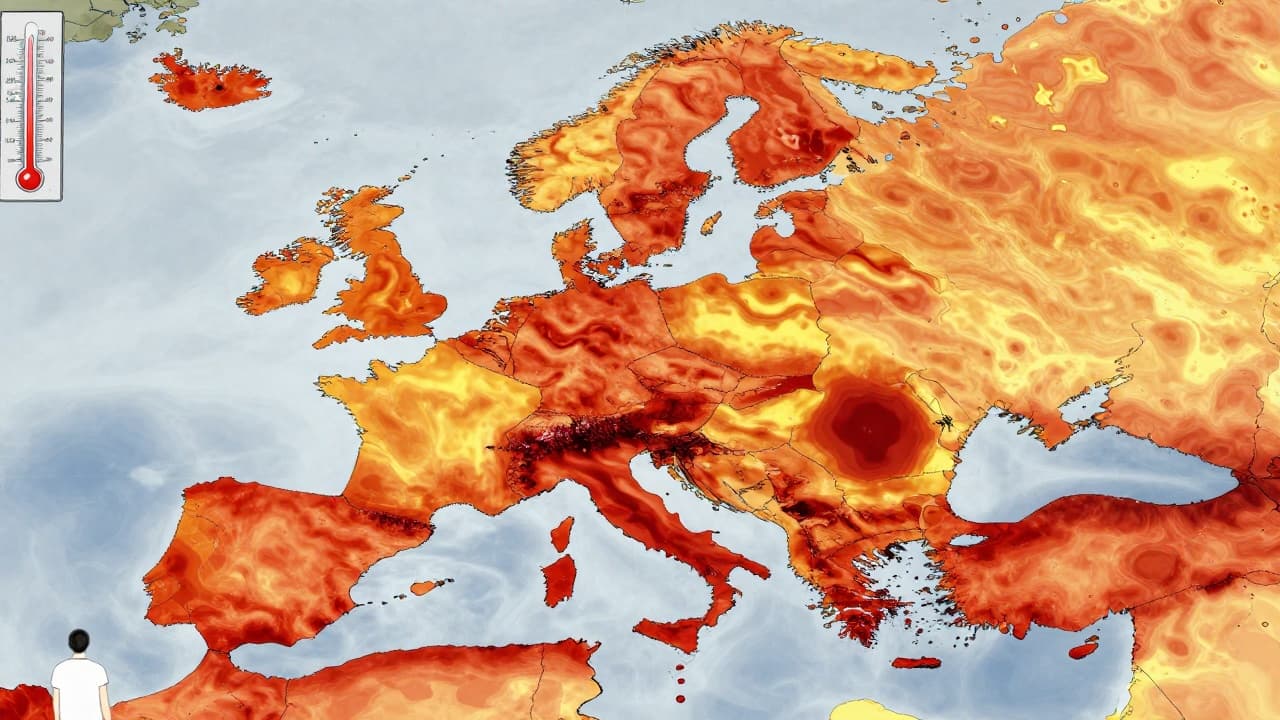
The DHMZ director paid particular attention to the heating of urban areas, where asphalt, concrete and densely built-up surfaces further increase thermal load. Croatia, according to Güttler, has appropriate strategic documents and action plans, but their implementation must become a regular obligation for local authorities. "Croatia is not in a bad position when it comes to strategies and action plans. It is the obligation of all cities, municipalities and counties to implement these measures," Güttler said, adding that it is important for measures to become standard, rather than some kind of festival activity.
An additional problem is presented by the ageing population. As average temperatures increase, a growing number of older citizens will be exposed to health risks associated with prolonged heat. Güttler warned that in the coming decades there will be a warmer climate and an older population, and that the issue of thermal load must be addressed more seriously. Among important adaptation measures, he highlighted the expansion of green spaces, improvement of weather forecasts and the development of more efficient early warning systems for dangerous weather phenomena.
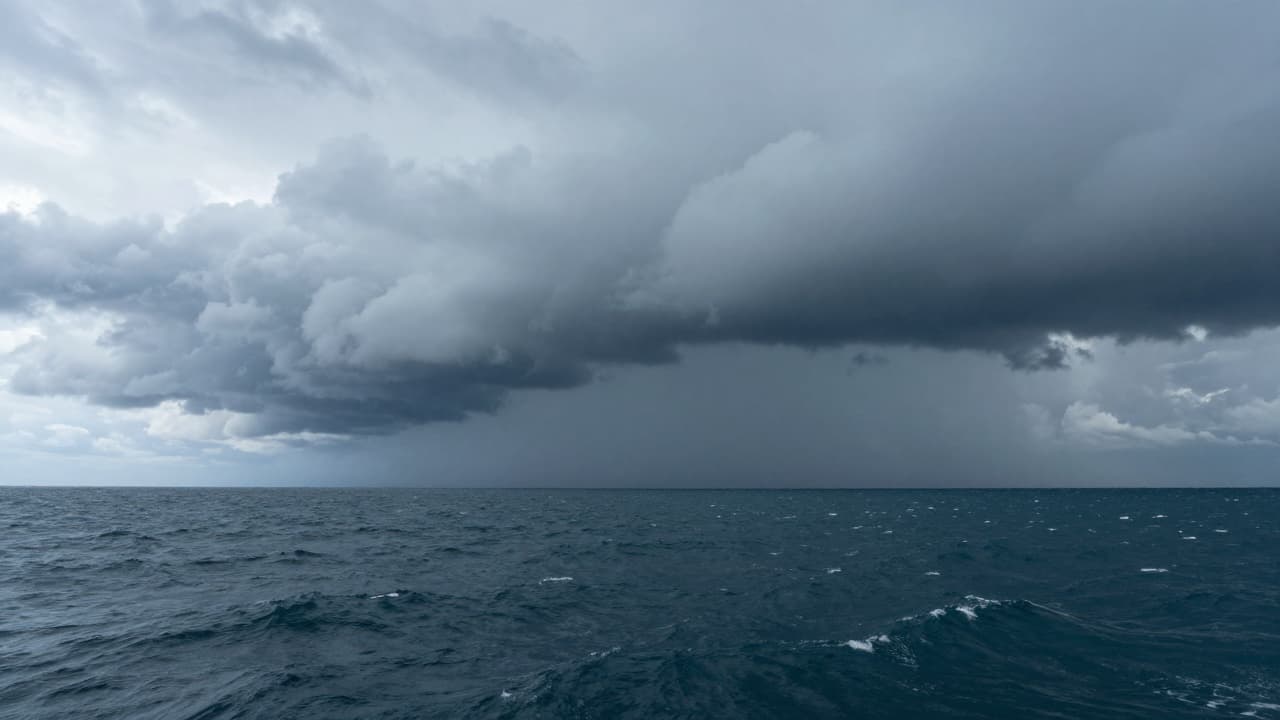
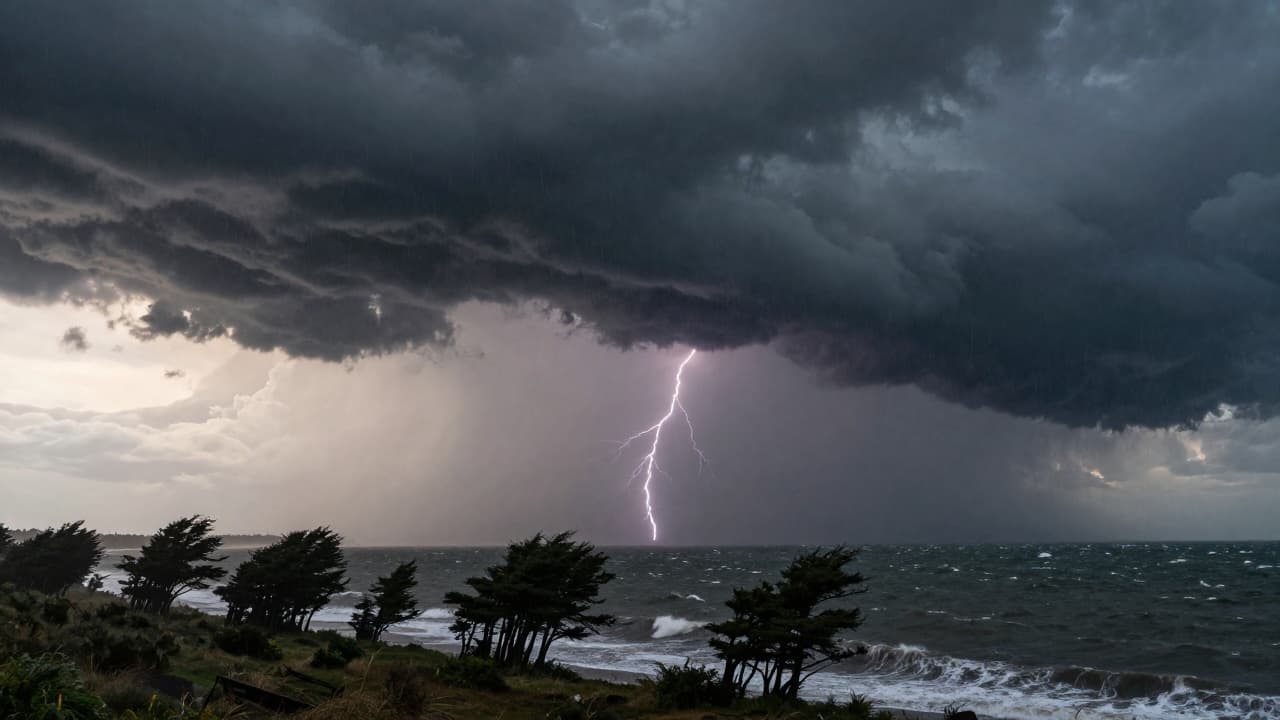
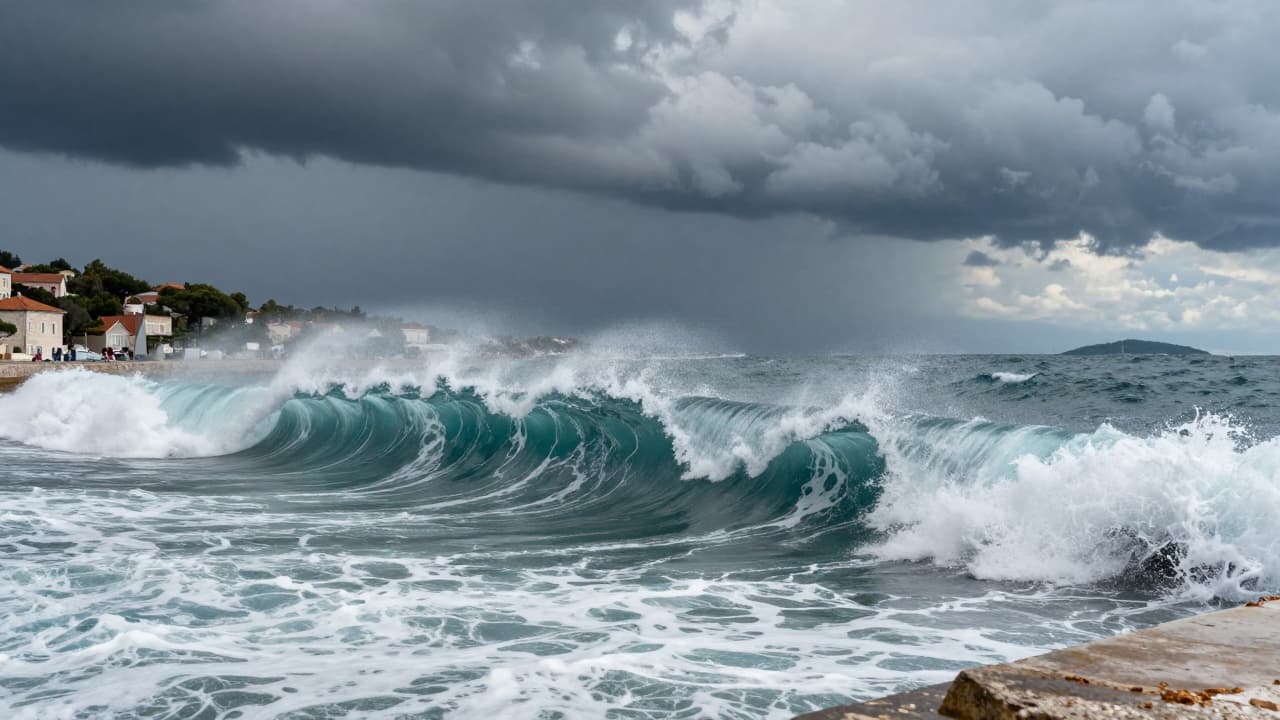
He also referred to the heavy rainfall that, after a prolonged dry period, affected certain parts of Croatia, particularly the Rijeka area. According to him, at several locations on Friday, more than 150 millimetres of precipitation were measured, which corresponds to an amount greater than 150 litres of rain per square metre. Such amounts can cause problems in traffic and local flooding, but are simultaneously important for the restoration of water reserves after a prolonged drought. Güttler warned that river and groundwater levels are significantly reduced, and that the first significant snowfall was recorded in Gorski Kotar. He expressed hope that current rainfall will contribute to the recovery of water resources.
He also explained that the natural climate phenomenon El Niño affects global temperatures, but is not decisive for weather conditions in Croatia. "El Niño occurs tens of thousands of kilometres from us and indeed raises the global temperature," Güttler said, adding that the weather in Croatia in recent days is primarily influenced by cyclones in the Atlantic and Mediterranean regions. El Niño can indirectly affect temperature and precipitation patterns in Europe, but current weather conditions in Croatia are mainly determined by atmospheric systems developing much closer to our area.
Güttler concluded that Croatia must simultaneously work on reducing the causes of climate change and protecting against consequences that have already become part of daily life. He reminded that the sea has already risen by 20 centimetres, and could rise by another metre by the end of the century.