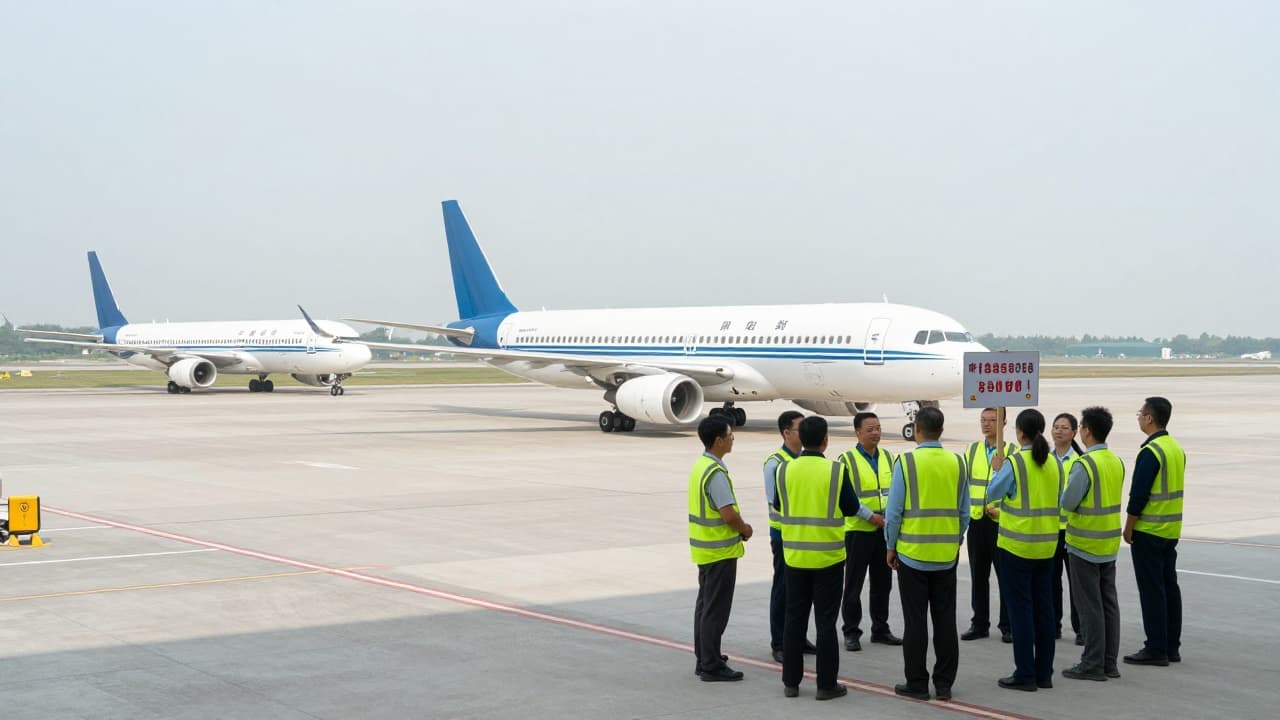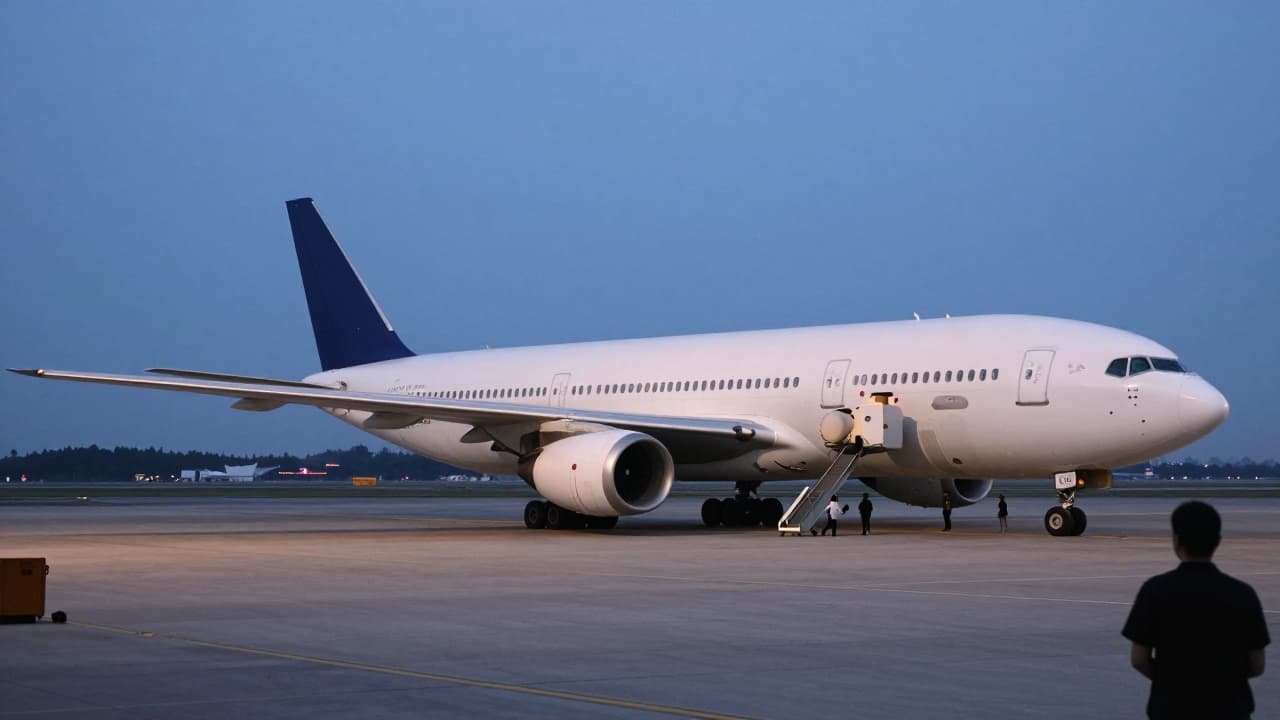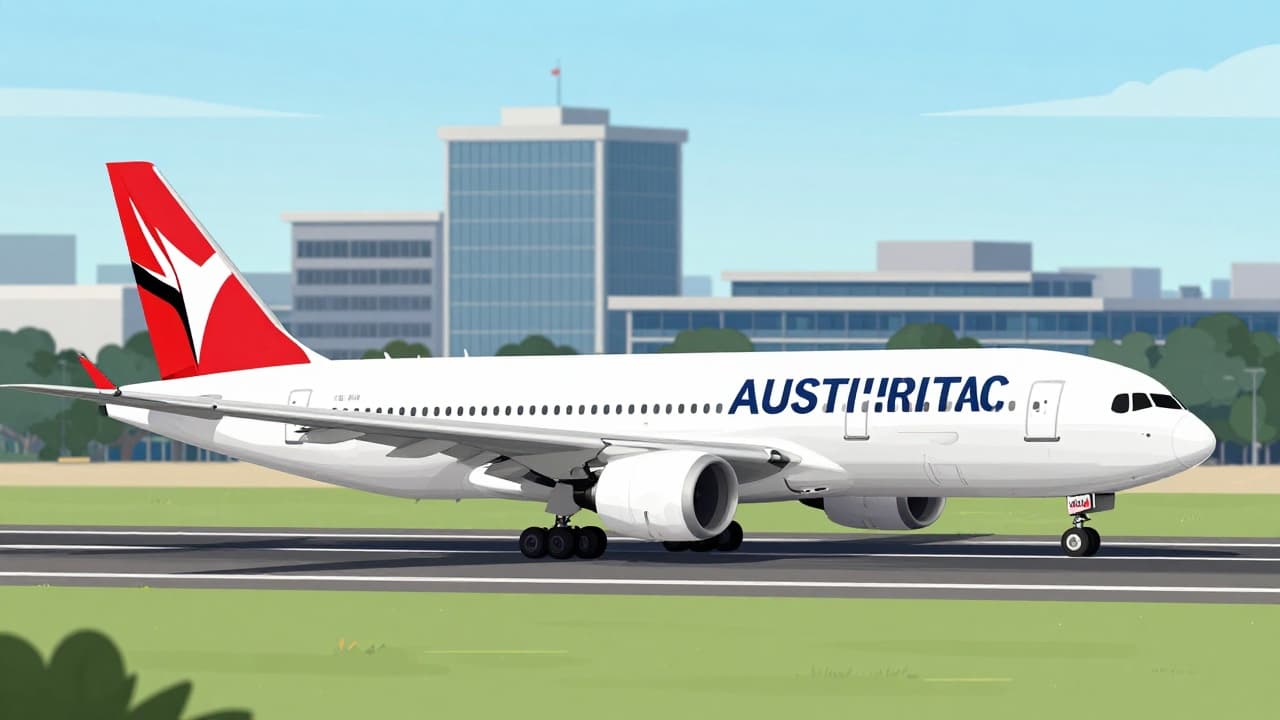
Qantas will outsource 850 domestic corporate jobs to Accenture, it was announced on Tuesday. The majority of these roles will move to India, with the aim of modernising the airline's IT systems. The company also highlighted the impact of artificial intelligence on its operations.
Qantas chief executive Vanessa Hudson addressed employees in an internal email on Tuesday. "This is difficult news for some and I am sorry for the uncertainty it brings," she said. She added that changes in technology and artificial intelligence are happening at a scale and speed no one has seen in their working lives.
The redundancies will begin in mid-2027, with the first wave affecting finance, procurement, human resources and marketing. These roles will move "mainly" to teams in India, with "some in Australia". Qantas is in discussions with unions and employees about the plans, and Hudson stated that consultations with affected workers and unions would take place before final decisions are made. The first changes are expected to take effect by mid-next year.
The new multi-year contract with Accenture relates to the "modernisation" of IT systems to make the company "more efficient". Qantas spends more than one billion Australian dollars (around 691 million US dollars, or 514 million pounds) annually on technology. Hudson said that back-end systems needed an upgrade. "Like every airline, we are working on technology built over decades for another era, including more than 1,000 legacy applications that were never designed to work together," she said. She added that the agreement with Accenture would "redesign and simplify parts of corporate functions and reduce duplication". The company noted that the work taken on by Accenture would be further transformed by automation and artificial intelligence "over time".
Affected employees will be redeployed "where possible", including into new roles in Australia. Qantas employs around 28,000 people in Australia and a further 4,000 worldwide, and the company states that thousands of its staff already use artificial intelligence daily. The BBC has contacted the Australian Services Union for a comment.
The changes come days after the airline published a market report announcing ticket price increases and a reduction in the number of flights due to higher fuel costs. Qantas is grappling with rising jet fuel prices, which have been partially offset by ticket sales to new passengers who switched to the carrier following flight cancellations by airlines affected by disruptions in the Middle East. The report noted that passenger demand remains resilient, but that the company will continue to adjust prices and capacity in line with fuel costs.
This is the third major corporate redundancy plan announced in Australia in three weeks. Restructuring had previously been announced by design firm Canva and National Australia Bank. In just three companies – NAB with 2,500 jobs, Canva with 1,200 and now Qantas with 850 – around 4,550 corporate roles are targeted for redundancy, relocation or restructuring in the past month. The changes are expected at a difficult time for Australian workers, as the cost of living rises and the unemployment rate has reached its highest level in nearly five years. A weakened economy, further exacerbated by high oil prices due to the conflict in Iran, is also driving companies to cut costs.