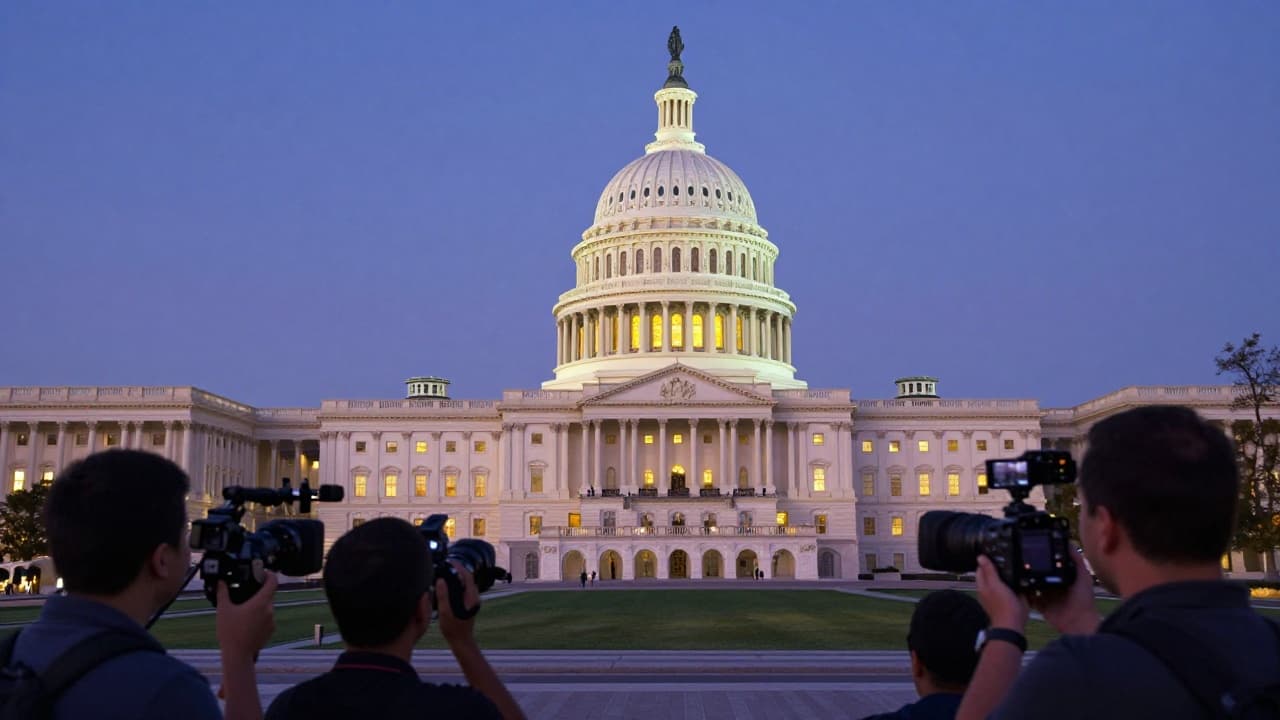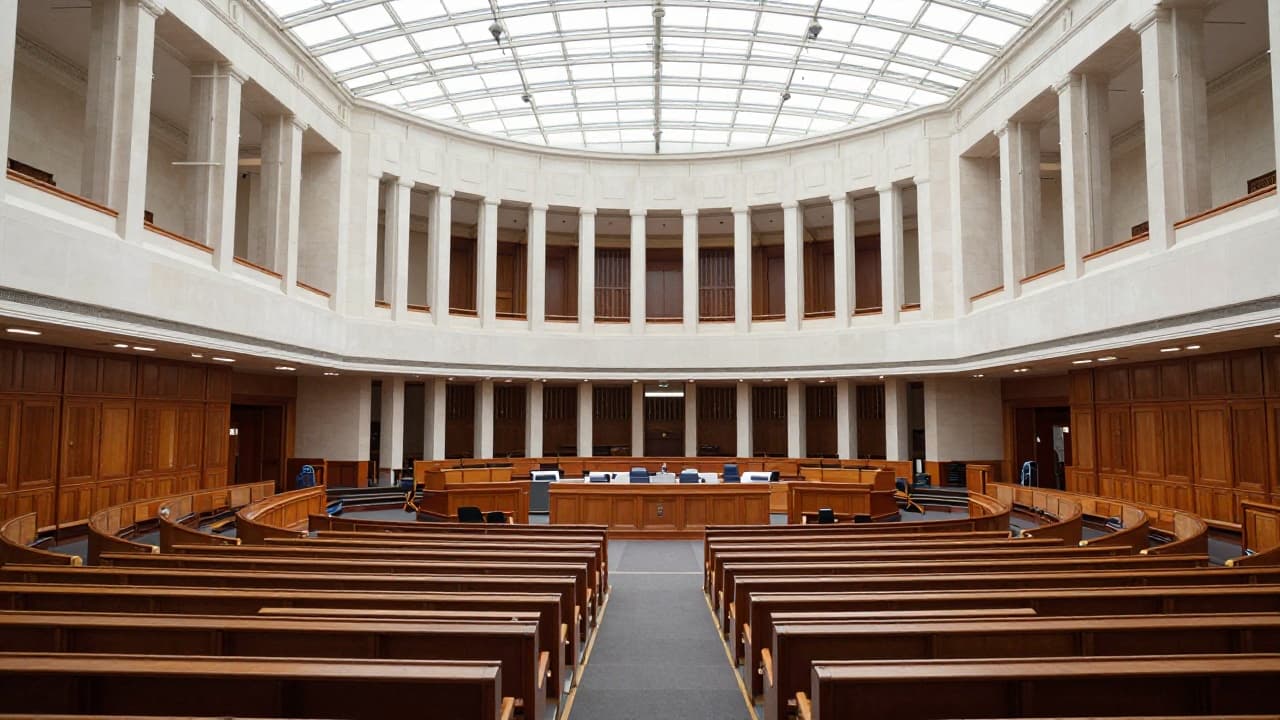
The Senate on Monday opened debate on a bipartisan bill aimed at expediting permitting processes for data centres and other infrastructure projects. Senators voted 73-25 in favour of a motion to close debate, moving the bill one step closer, but it has not yet been passed.
The bill is called the Bipartisan American Affordability and Jobs Act (Baaja) and is 417 pages long. Its sponsors in the Senate are two Republicans and two Democrats. According to proponents, it is needed because the construction of large projects in America takes too long, and the bill shortens deadlines. President Trump called on all senators to vote for it, describing it in a social media post on Sunday as a 'GREAT VICTORY for AMERICAN ENERGY INDEPENDENCE AND DOMINANCE'. He also stated that the bill would 'ensure that we can build pipelines, mines and power plants faster than ever, lowering energy costs for American families'.
The bill would facilitate the construction of large infrastructure projects, from pipelines to transmission lines that would add more clean energy to the grid. It would also repeal parts of environmental and social protections: it would weaken laws such as the National Environmental Policy Act (NEPA), narrow what is reviewed under the National Historic Preservation Act, and limit consultation with tribes. It would also limit the application of the Clean Water Act, shorten deadlines under the Endangered Species Act, and reduce the executive branch's ability to intervene in federal permitting. It also provides for major changes to NEPA, such as what requires a NEPA review and who has the right to sue.
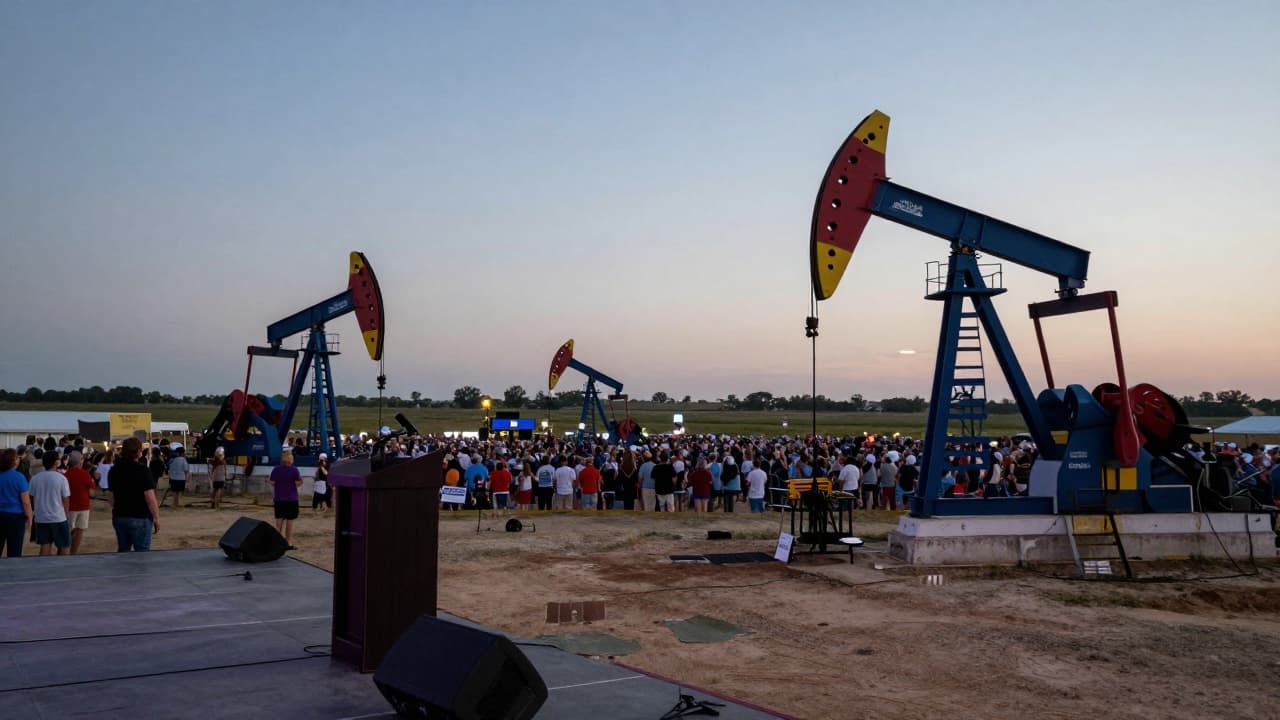
The bill would accelerate the construction of gas pipelines and ICE detention centres. It could pave the way for the Constitution pipeline by Williams Companies through New York; the state denied a water quality permit in 2016, but the company revived the project under the Trump administration. Proponents argue that the bill would shorten deadlines for the start of large energy projects, both clean and fossil, and ensure that data centres pay for the energy they use. Industry associations for clean energy and the oil and gas sector support the proposal, and the American Petroleum Institute (API) called it a 'historic opportunity' and urged Congress to 'complete permitting reform this year'.
Opponents of the bill include Earthjustice, the Sierra Club and the ACLU. Abbie Dillen, president of Earthjustice Action, said the bill 'creates a very fast fast-track for pipelines'. She added that the gas industry is 'extremely excited' because it wants to expand the capacity of existing pipelines for liquefied natural gas exports and to power data centres with gas. Critics warn that the bill could lead to a massive increase in liquefied gas exports and 'unreasonable' construction of gas-powered data centres. Indigenous groups held a press conference on Friday urging senators to vote against Baaja because it weakens the federal obligation to consult with tribes on projects that affect them. Mark Macarro, president of the National Congress of American Indians, participated in this. Protesters gathered on Friday outside the office of Senator Chuck Schumer due to concerns that the bill could spur data centres. Bill McKibben said: 'It would be the height of irony that, after an election victory where opposition to data centres was front and centre, the first move by Congress would be to ease the construction of data centres.'
Democrats elected in the 'blue wave' will not take their seats until January. House Minority Leader Hakeem Jeffries said the bill 'falls short in several areas', including the protection of tribal sovereignty. Democratic sponsors in the Senate, Martin Heinrich and Sheldon Whitehouse, claim they have the votes to pass it. Heinrich said they made last-minute changes to ensure consultation with tribes and that they believe the bill will favour renewables over fossil fuels. 'If we can create an open, competitive market, clean is cheap, and cheap wins in the market,' Heinrich said. Whitehouse wore a tie with wind turbines on it and claimed that passing the bill would lay the foundation for Democrats to work on clean energy policy next year with a majority in the House and Senate. 'People should just cool their heads and have a little faith that this is not the end of the story,' Whitehouse said.
The four main proponents of the bill – two Democrats and two Republicans – published a detailed set of amendments on Saturday to bolster support. These are senators who chair the energy and environment committees and struck the deal weeks before the elections: Republicans Shelley Moore Capito from West Virginia and Mike Lee from Utah, and Democrats Martin Heinrich from New Mexico and Sheldon Whitehouse from Rhode Island. Heinrich said: 'Americans cannot wait for lower electricity prices. We must pass this bill now.' He claims that, if it passes, it will save households billions on electricity costs, create jobs, reduce emissions, and force large corporations to pay their full share for data centres instead of shifting energy costs to consumers. Capito called the bill a 'victory for America'. 'We cannot let this moment pass. The reality is this: over the next few years, we will have no choice but to increase national energy production. This is an unprecedented opportunity... to come together and show the American people that we are listening to you,' Capito said.