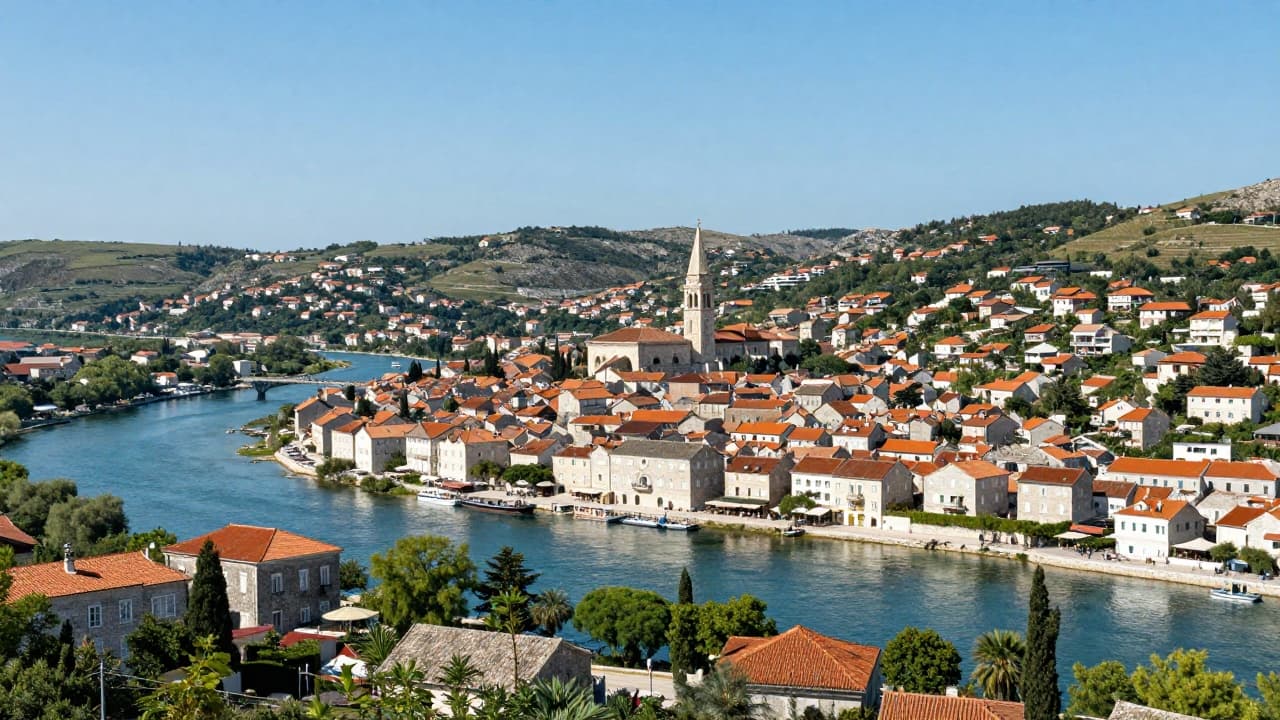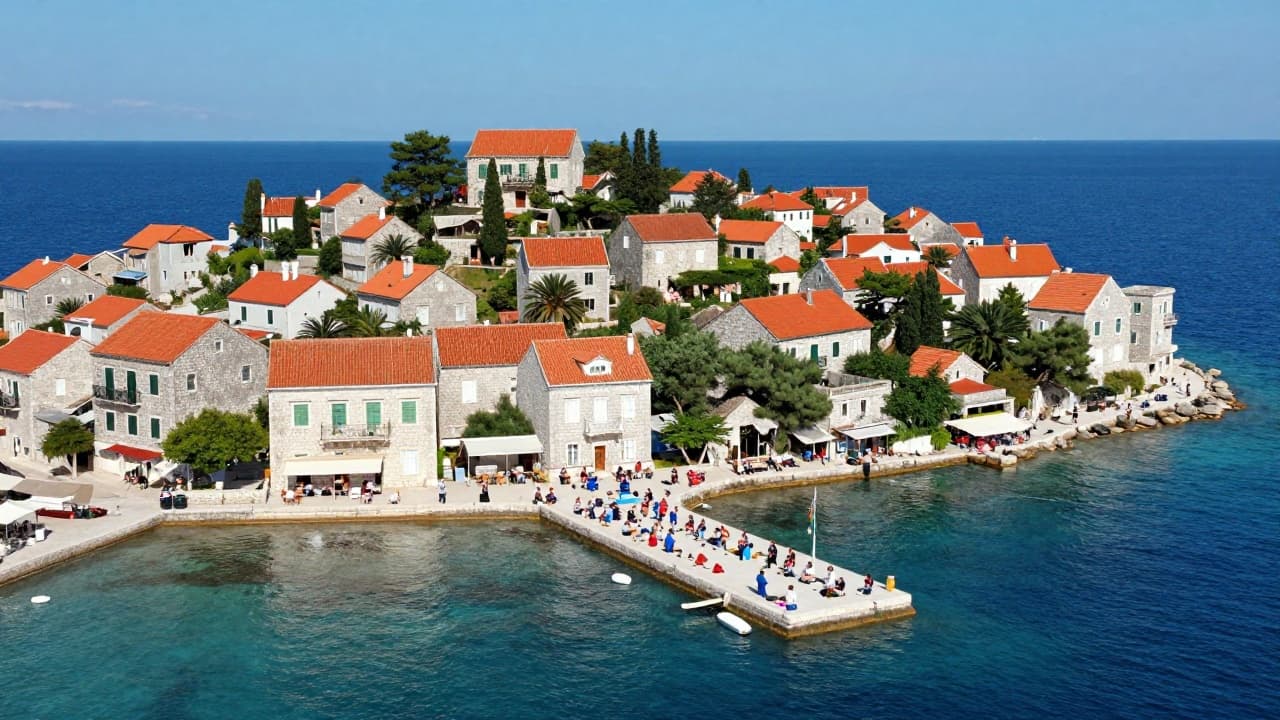
Croatia has become the first country in the Mediterranean to begin applying a methodology for measuring real living conditions on islands. The methodology, named Habitability, covers 45 indicators distributed across seven areas, including the environment, access to water and energy, the local economy, public services, and the quality of life for residents.
The first training on the application of this methodology was held from 6 to 8 November on Vis, with the support of MEP Tonino Picula. Nine participants from Vis and Brač learned how to collect data on island life and use it to propose concrete changes. The aim is to determine what problems islanders face, how much these problems cost them, and what local, national, and European authorities could change to improve living conditions.
The analysis includes travel times, the frequency of transport links, transport costs, and the availability of basic services. Participants in the training also addressed the issue of seasonal population changes, analysed how much money remains in the local economy, and examined whether children, families, and elderly residents have adequate access to healthcare, education, and other services. The particularity of the methodology lies in linking official data with the experiences of the islanders themselves.
According to OECD research, Croatian island local units have, on average, 29 per cent higher expenditure per resident than comparable mainland units, even when geographical and demographic differences are taken into account. Picula reminded attendees of his work in European institutions, including co-founding the SEARICA intergroup, supporting the energy transition, and advocating for a specific European strategy for islands.
The training was led by the methodology's creator Christian Pleijel, Erika Englund from Finland, professor Nenad Starc from Island Anatomy, and Ivan Matić from the Island Movement, Vice-President of the European Federation of Small Islands (ESIN) for the Mediterranean. The project is being implemented with the support of the Club of Socialists and Democrats in the European Parliament and Picula's office.
Following the training, local participants, with international support and the involvement of residents, will produce reports on living conditions on the island of Vis and the area of the City of Supetar on Brač. The reports will be presented to mayors and should serve to plan local projects and present islanders' needs to state and European institutions.
On Saturday, Picula met with the Mayor of Vis, Hrvoje Mratinić, and the Mayor of Komiza, Ivica Vitaljić. They discussed development projects on the island, including investment in a fire station through the Integrated Territorial Programme and an initiative to protect Viška and Komiška pogača. The mayors specifically pointed out the position of the Vis water supply in the reform of water services.
Vis is almost entirely supplied from its own water sources and is not connected to the regional water supply system. They are concerned that joining a common water service provider could reduce the influence of island representatives on the management of the system. They emphasised the importance of preserving local employees and their experience, as well as ensuring a reliable water supply. Experiences from Vis and Brač should also be used to adapt the methodology to Mediterranean islands and to prepare a new edition of the manual for its application.