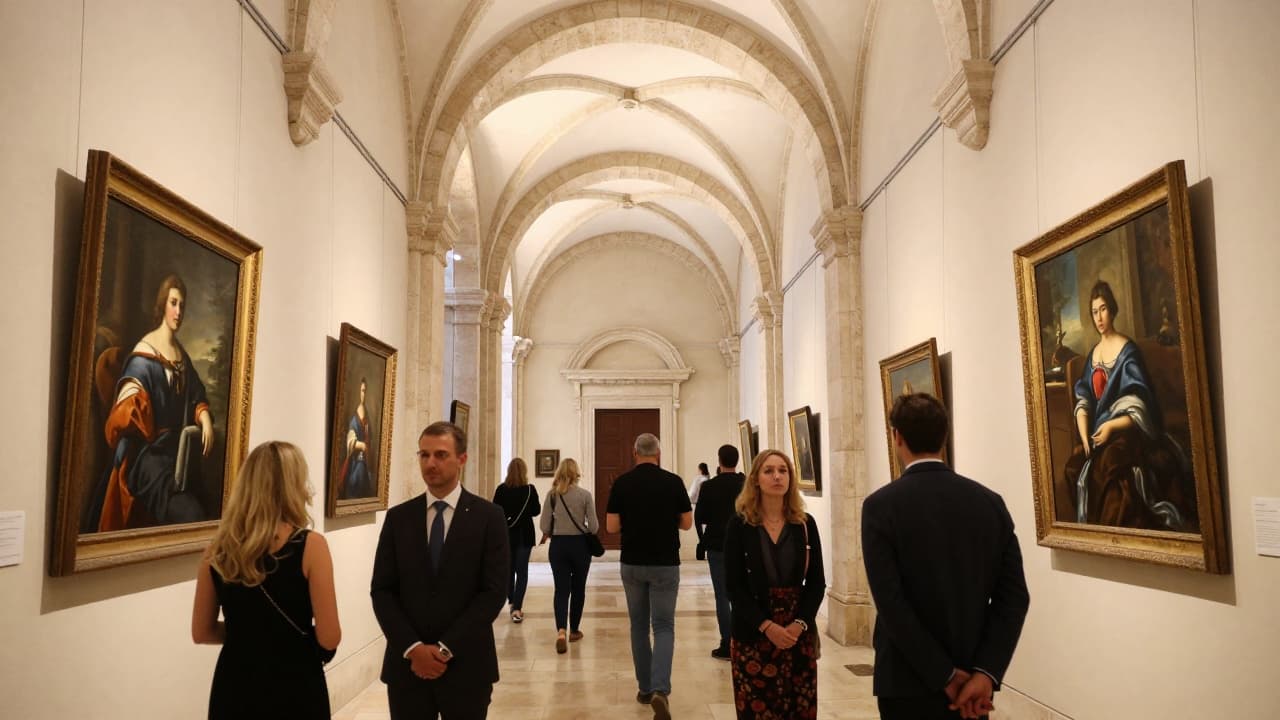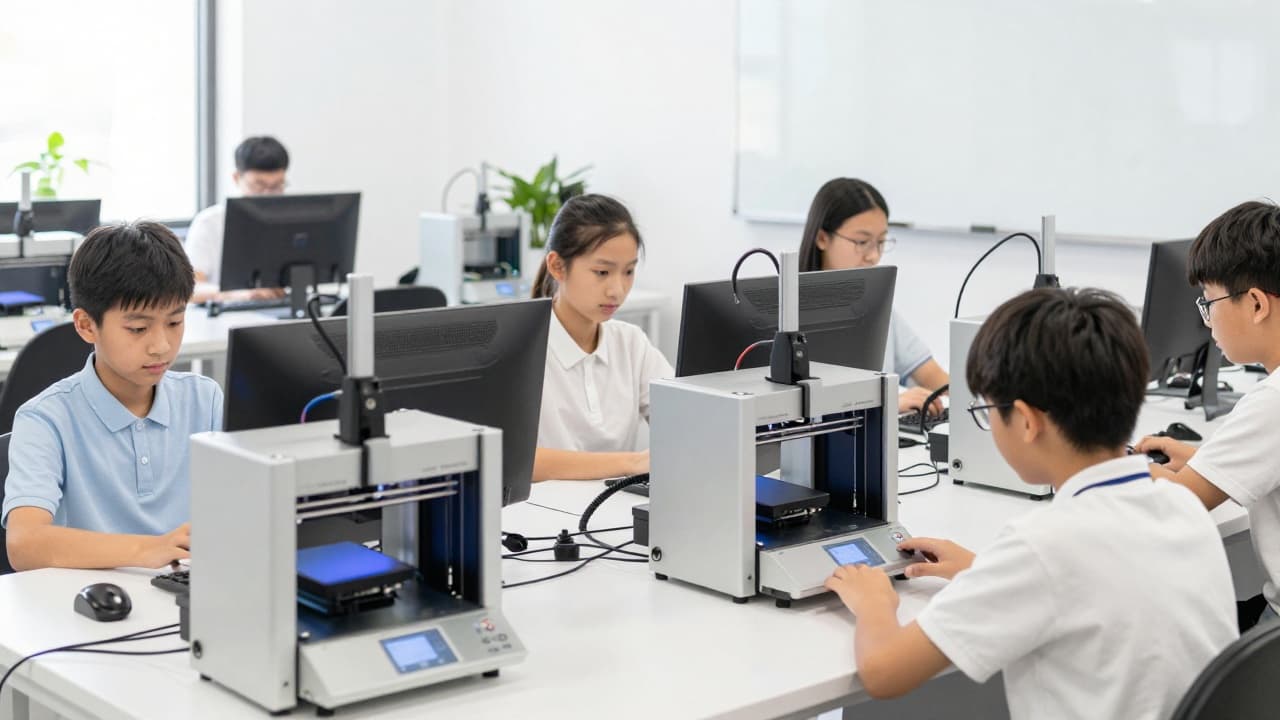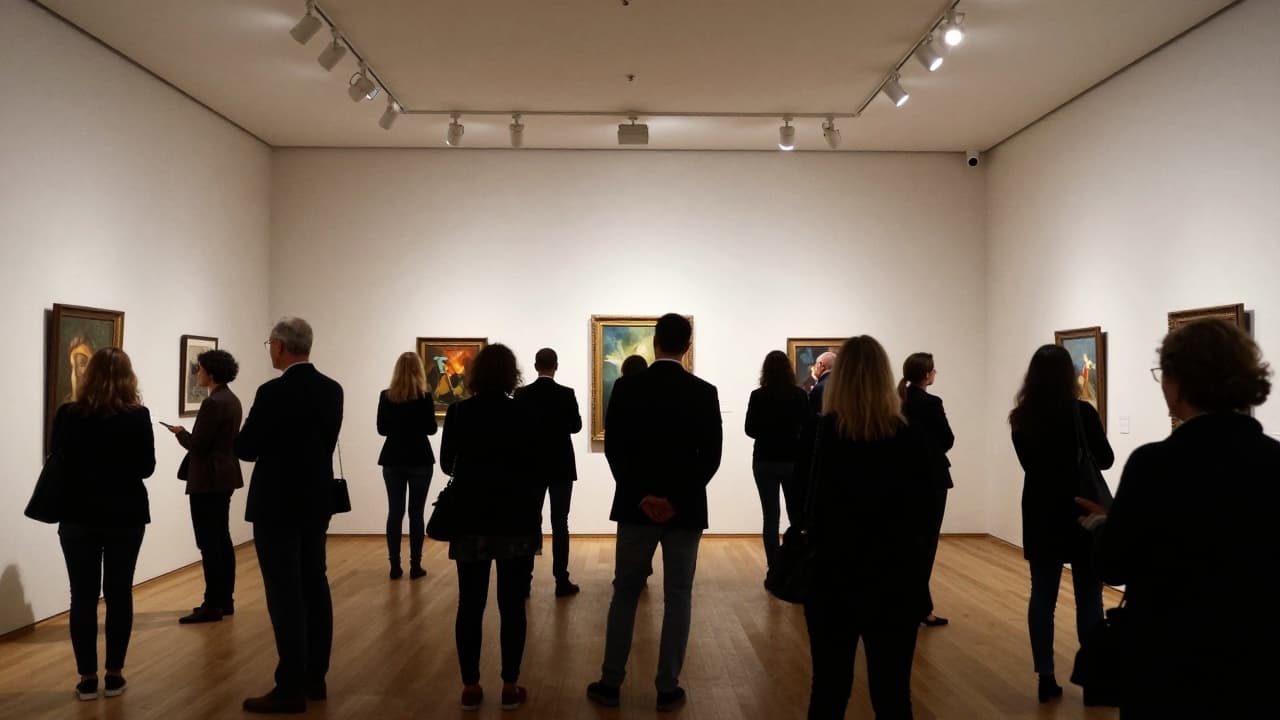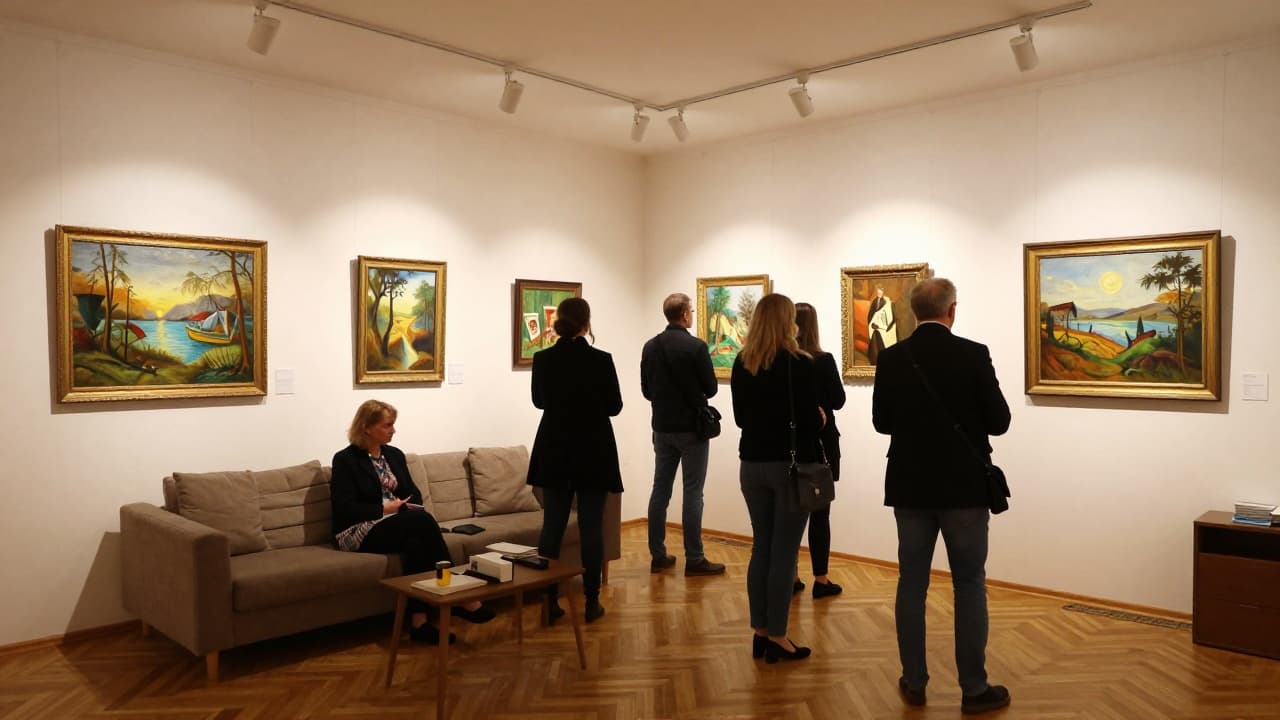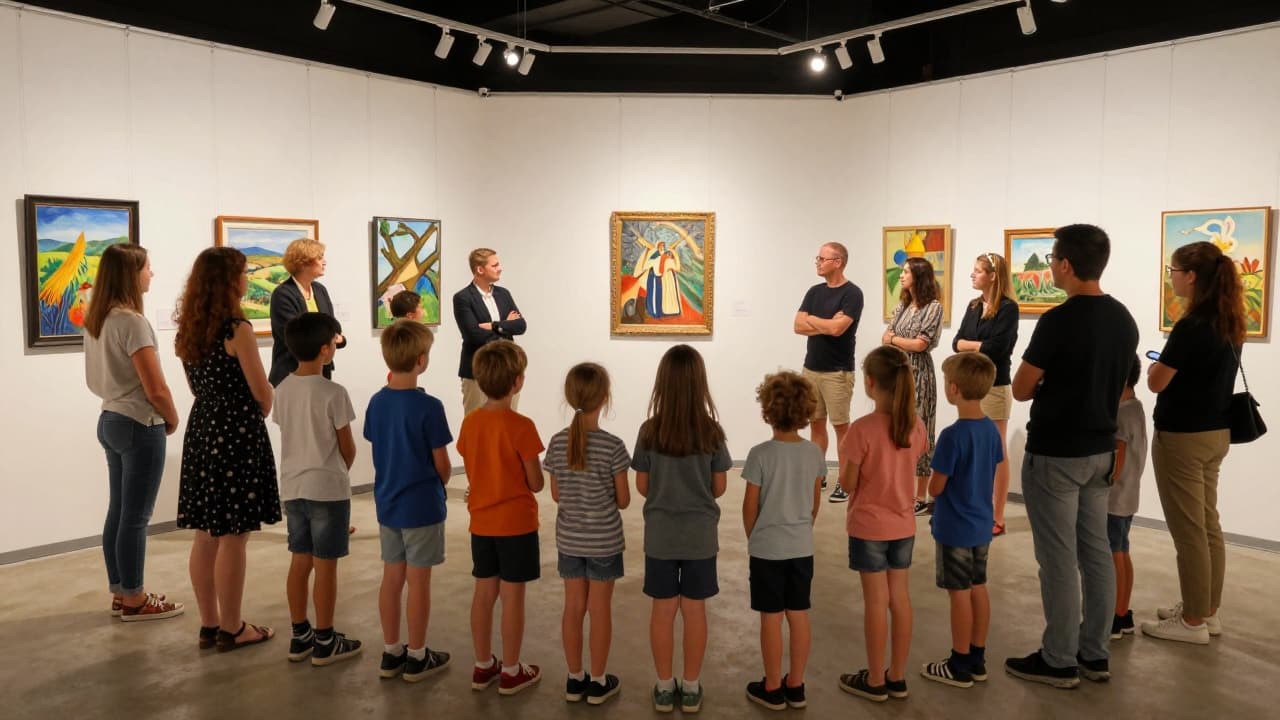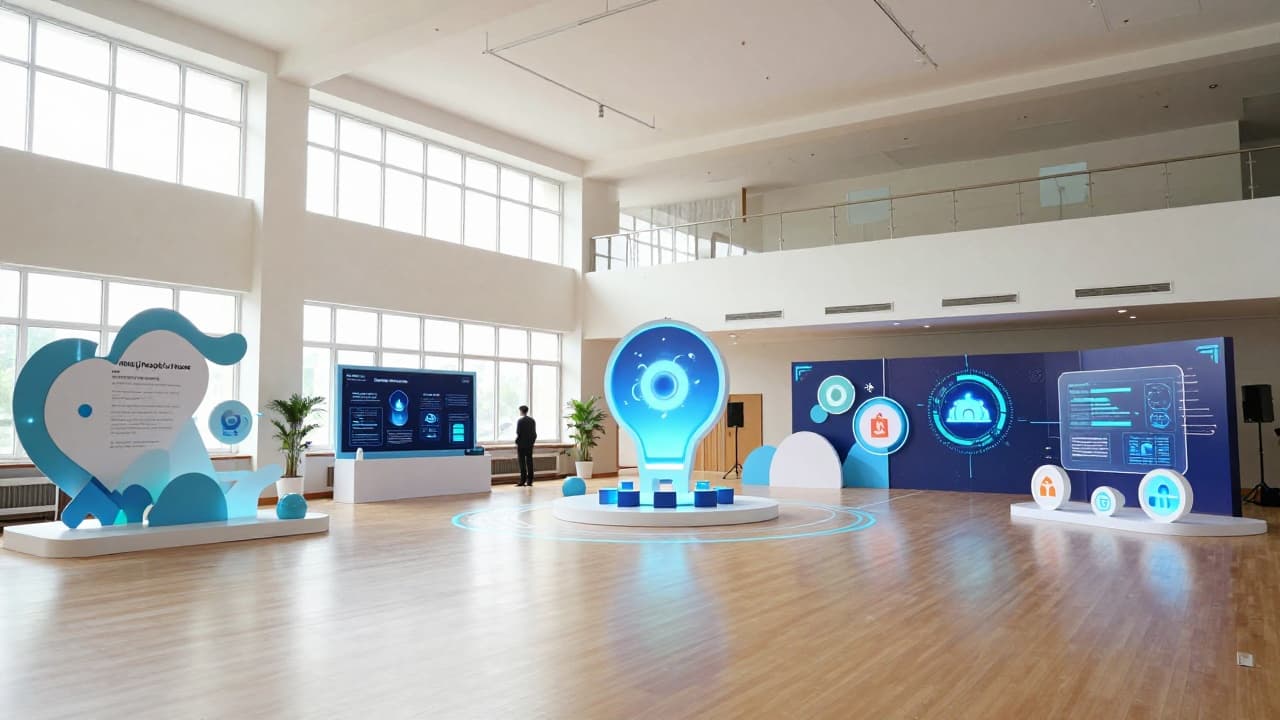
The local community centre in Omiš became the focal point of creativity and innovation with the opening of the 18th National Exhibition 'Young Innovators'. The exhibition brings together some 70 young innovators from around 40 schools and associations, from Ilok to Zagreb to Dubrovnik, with one school from Bosnia and Herzegovina also taking part.
The event is organised by the Association of Innovators of Primorje-Gorski Kotar County, under the patronage of the municipalities of Omiš, Kastav and Matulje, and the Primorje-Gorski Kotar County. The association’s president, Boris Caput, highlighted that these young people and their innovations are a source of pride, and that they wish for them to feel good, exchange experiences and get to know each other. Above all, he added, they want the exhibition to serve as additional encouragement for new work and new innovations. He noted that the exhibition had never aimed for large-scale mass participation, but rather for maintaining quality.
Exhibition director Tomislav Matić said that, alongside the exhibition section, visitors from the island of Krk and the entire county could expect a rich educational programme with some 10 workshops. "I am pleased to host the 18th exhibition of young innovators in Omiš. I am particularly proud that we have organised this in our homeland, to inspire young people in this area with STEM. We have hosted 70 of the best student projects from across Croatia and guests from Mostar. This is an opportunity for all visitors to see that young people can do more than just use social media," Matić said, inviting everyone to visit the exhibition and support the young people. The opening of a club in Omiš is also planned, which would allow students to work year-round on STEM projects.
The director for exhibition activities and international cooperation at the Croatian Innovation Association, Neven Marković, recalled the humble beginnings and the first exhibitions in Kastva, where the space was so small that part of the work and exhibitors had to be placed outside the exhibition space. He noted that the exhibition has changed locations over the years, being held in Kastva, Matulje, Bakr and Omiš, but has retained the same core idea – to give young people a space to show their knowledge, creativity and technical skills. Marković also highlighted the long-standing support of Ivan Lukan, which was the reason for the award presented by the Croatian Innovation Association.
The exhibition, held for the 18th time, was launched with the support of local communities and technical culture associations. The aim is to provide a space for young authors, from primary and secondary school students to university students, to present their own ideas, prototypes and completed projects. Unlike traditional innovation fairs focused on established companies and adult innovators, 'Young Innovators' has always focused on the educational aspect, mentorship and the first steps into the world of innovation. The exhibition started as a local and regional showcase in the Primorje-Gorski Kotar County, but over the years has grown into a national, and even international, gathering place for young creators. In addition to the exhibition, the event is regularly accompanied by workshops, lectures and the evaluation of works by a professional jury.
The combination of tradition, modern technology and creativity has long been the hallmark of the Rijeka School of Applied Arts. Momentum is given to authentic creativity through systematic networking with other vocational schools in the region, with numerous awards and prizes confirming this year after year. Teachers Ines Milčić, Sanja Stevanović and Doris Kapović presented the latest works and years of experience in interdisciplinary collaboration, highlighting the importance of the symbiosis between artistic and technical education. The school educates students in various fields of design, with an emphasis on respecting function and innovation, understanding traditional techniques, but also introducing new materials and technologies. In their work, they encourage collaboration between the secondary school of electrical engineering and computing, the industrial and craft school, and the construction school for industry and crafts. The aim is a closer connection and better understanding between teachers and students, and a more thoughtful approach to innovative everyday objects. At this year's presentation, the public was offered two complementary directions – works created as part of regular lessons and interdisciplinary collaborative projects.