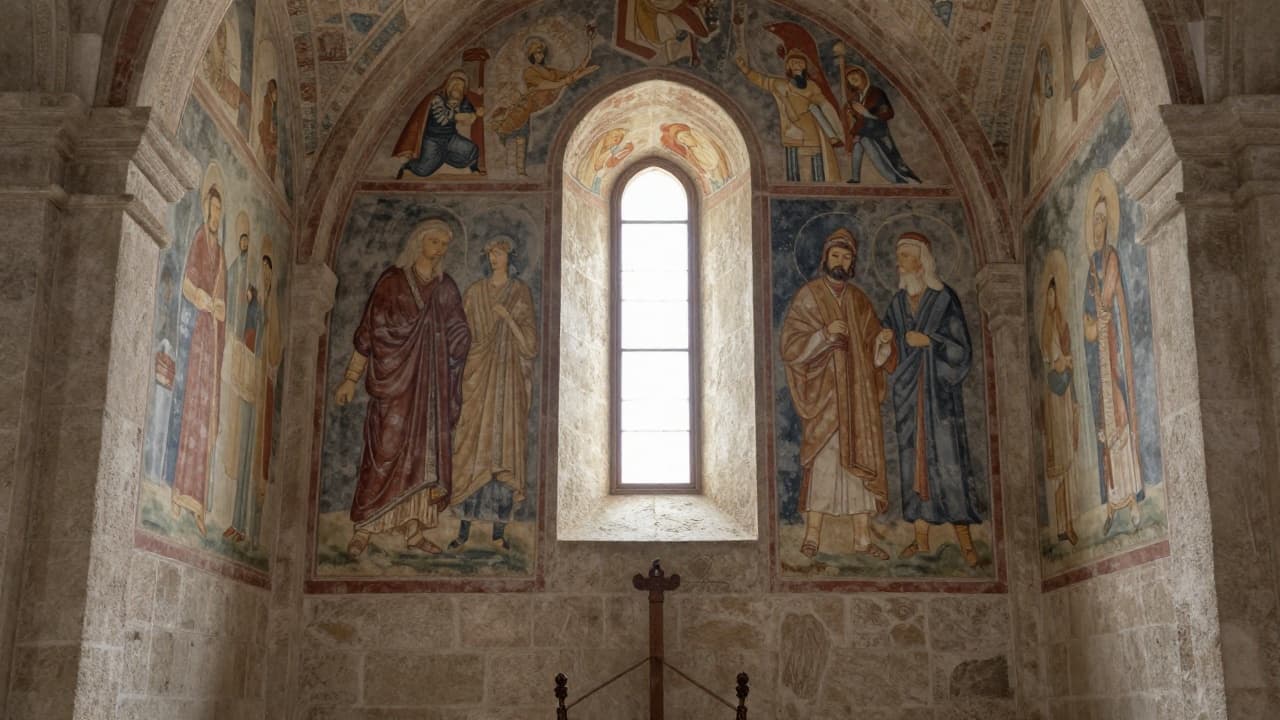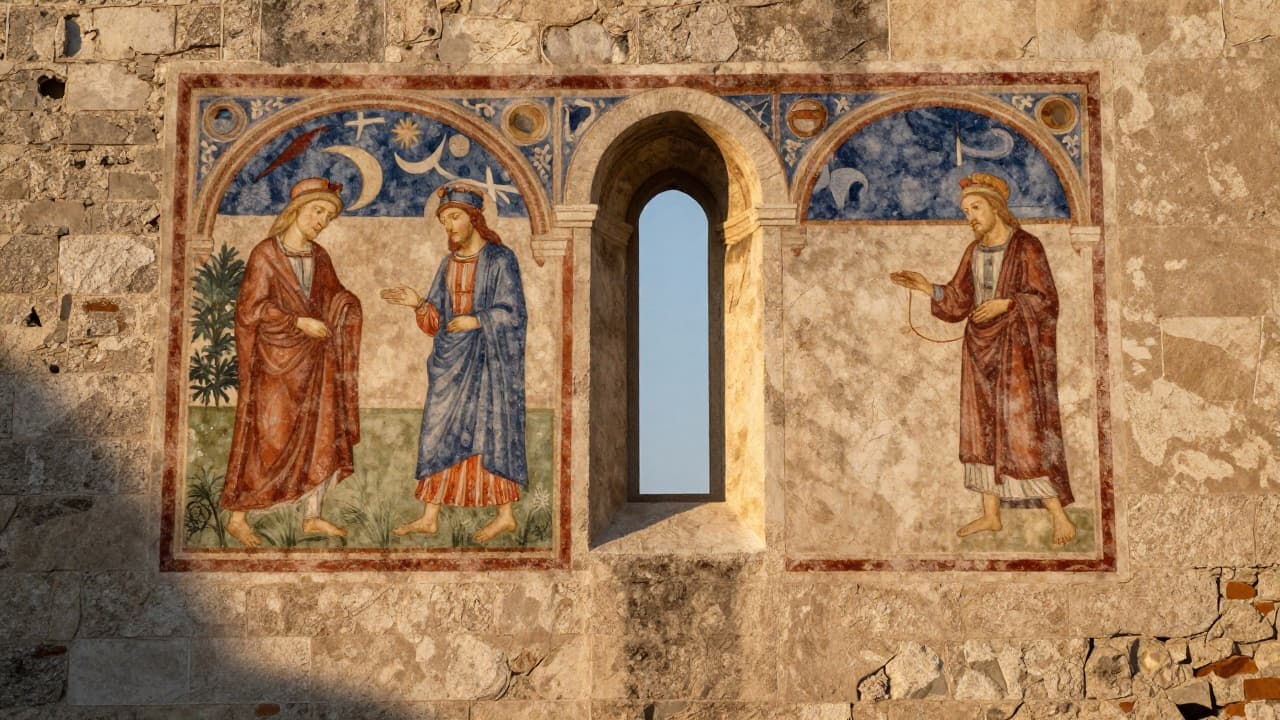
The exhibition Splendor of Istria: Gothic Wall Paintings in Istria opened at the House of Frescoes in the Draguš settlement. This cultural event, which was officially opened, presents a comprehensive overview of Gothic wall painting, focusing primarily on the work of artistic workshops in the 14th and 15th centuries across the region of Istria, the Karst, and the area around Kastav. The project’s organisers, comprising the Istrian Museum, the Regional Museum in Koper, and the municipal administration of Kastav, highlighted the importance of international cooperation in the research, documentation, and promotion of this heritage, thereby contributing to its greater visibility and accessibility to the public.
The exhibition, previously presented in Koper, introduces a shift in focus in its draguš iteration. While the previous version focused on the workshop, this exhibition focuses on the masters and artistic influences that preceded the development of this specific school. Special attention is given to works created in the second half of the 15th century, and the exhibition addresses cultural phenomena of that period. Particular emphasis is placed on the work of two artists, whose names, though generally cited in sources, are key to understanding the context; their work was shaped through collaboration with numerous artists whose hands are now recognisable in the surviving wall paintings.
The works were created as a continuation of the tradition of local artists, as well as artists who came from Veneto, Friuli, and other parts of northern Italy. The exhibition at the draguš museum, the second in the series, highlights the value of international cooperation in the research, documentation, and promotion of Gothic heritage. The works were created in a European context, in which local masters adopted and adapted European templates, including graphic templates from the regions of present-day Germany and the Netherlands. The wall paintings, preserved across Istria, testify to the strong artistic, cultural, and social connections that existed in the late Middle Ages, thereby confirming the significance of this region as a hub of cultural exchange in that historical period.