A specialist symposium dedicated to the life, work and scientific legacy of Dragutin Gorjanović-Kramberger marked the 170th anniversary of his birth and the 90th anniversary of his death. The event honoured one of the most significant Croatian scientists, whose work left a deep mark on geology, palaeontology and palaeoanthropology and shaped the development of Croatian and global science.
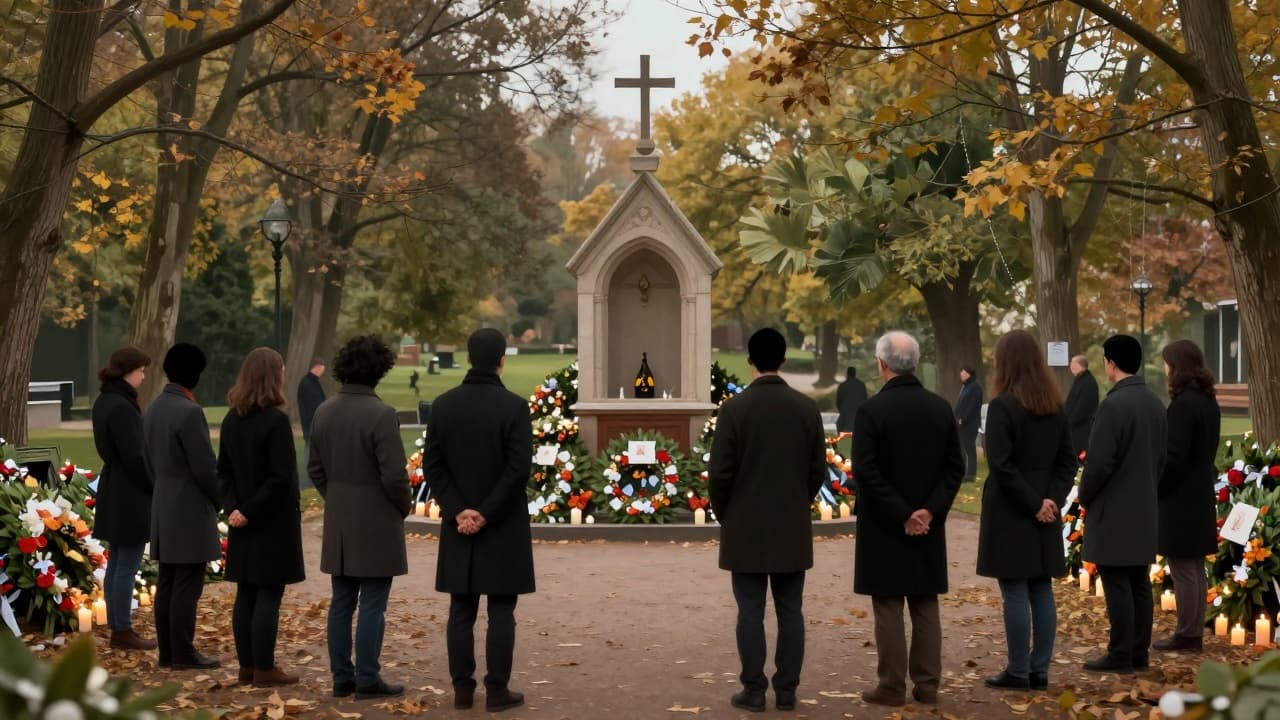
The Museums of the Croatian Zagorje were one of the organisers of the symposium, alongside the Croatian Museum of Natural History and the Croatian Geological Institute. The commemoration began with the laying of a wreath at Mirogoj, after which the programme continued at the Croatian Museum of Natural History.
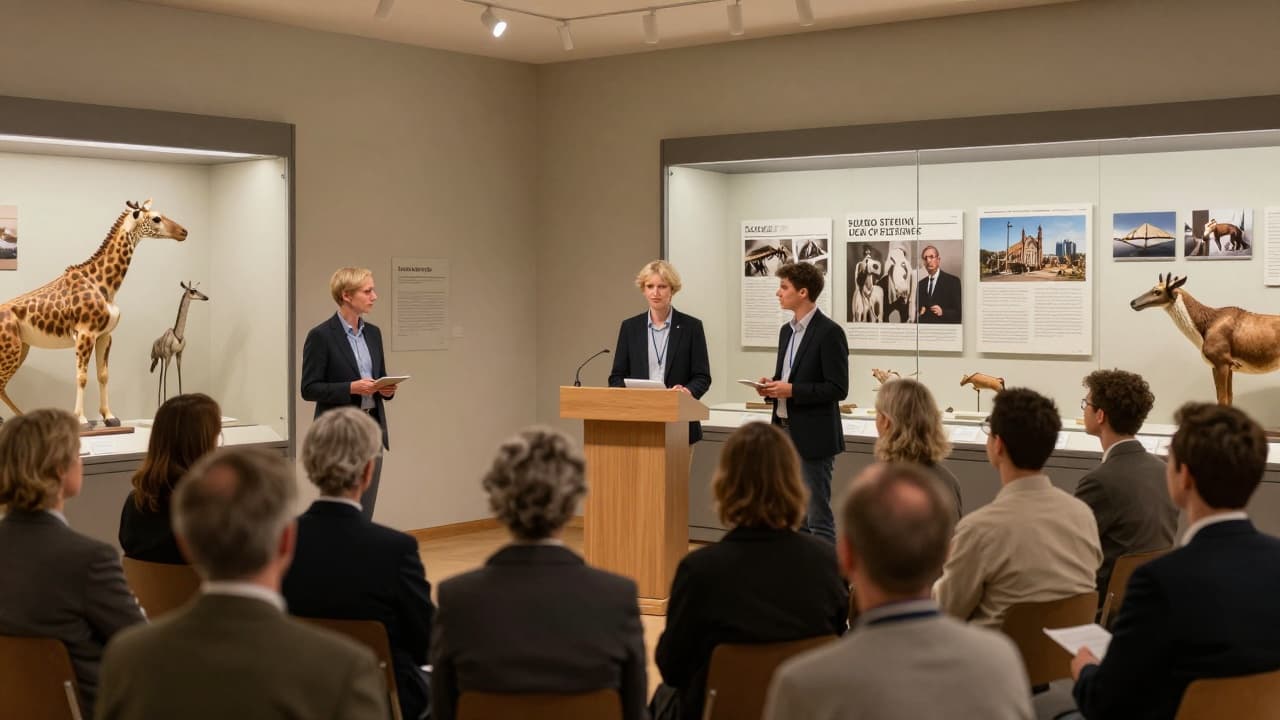
During the specialist symposium, a series of lectures presented various aspects of Kramberger’s scientific and professional activities, his role in the development of geological and palaeontological research, the value of his correspondence and scientific legacy, and his reflection in museum collections and activities.
On behalf of the Museums of the Croatian Zagorje, Director Jurica Sabol participated, delivering a lecture titled “The Hušnjakovo Early Man Site – Yesterday, Today, Tomorrow”, and Mirjana Biljan, curator and pedagogue at the Krapina Neanderthals Museum, presented “From Family Legacy to Scientific Heritage: The Correspondence of Dragutin Gorjanović-Kramberger”.
The lectures highlighted the importance of the Hušnjakovo site in Krapina, inextricably linked to the research of Dragutin Gorjanović-Kramberger, as well as its significance for contemporary research, museum presentation and the preservation of natural history heritage. The programme also included presentations by academician Vlasta Ćosović, Dr sc. Staša Borović, Dr sc. Marija Bošnjak and other experts who presented the scientific, historical and museum dimensions of Kramberger’s work.
The specialist symposium provided an opportunity for the exchange of knowledge and experience among experts and reaffirmed the importance of inter-institutional cooperation in researching, preserving and presenting natural history heritage. By marking these significant anniversaries, tribute was paid to Dragutin Gorjanović-Kramberger and his lasting contribution to science, while also emphasising the importance of continuing research and presenting the value of the Hušnjakovo site and the legacy that continues to inspire the scientific and museum community.