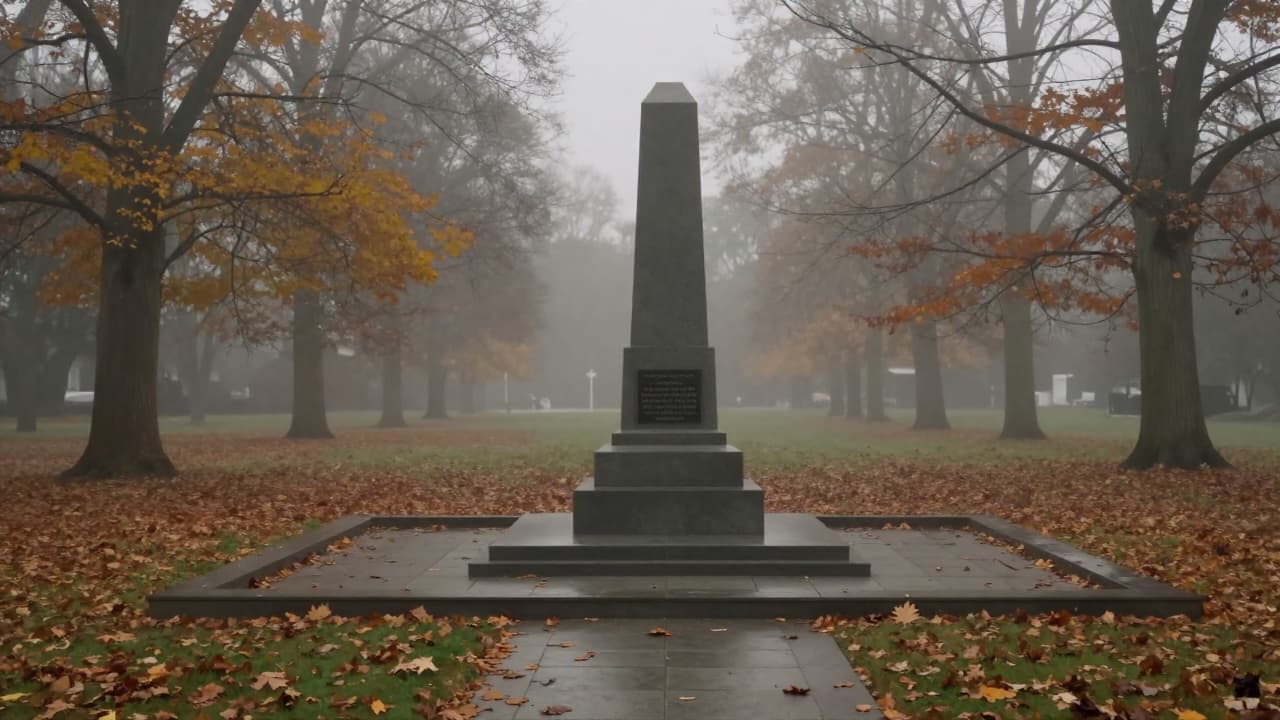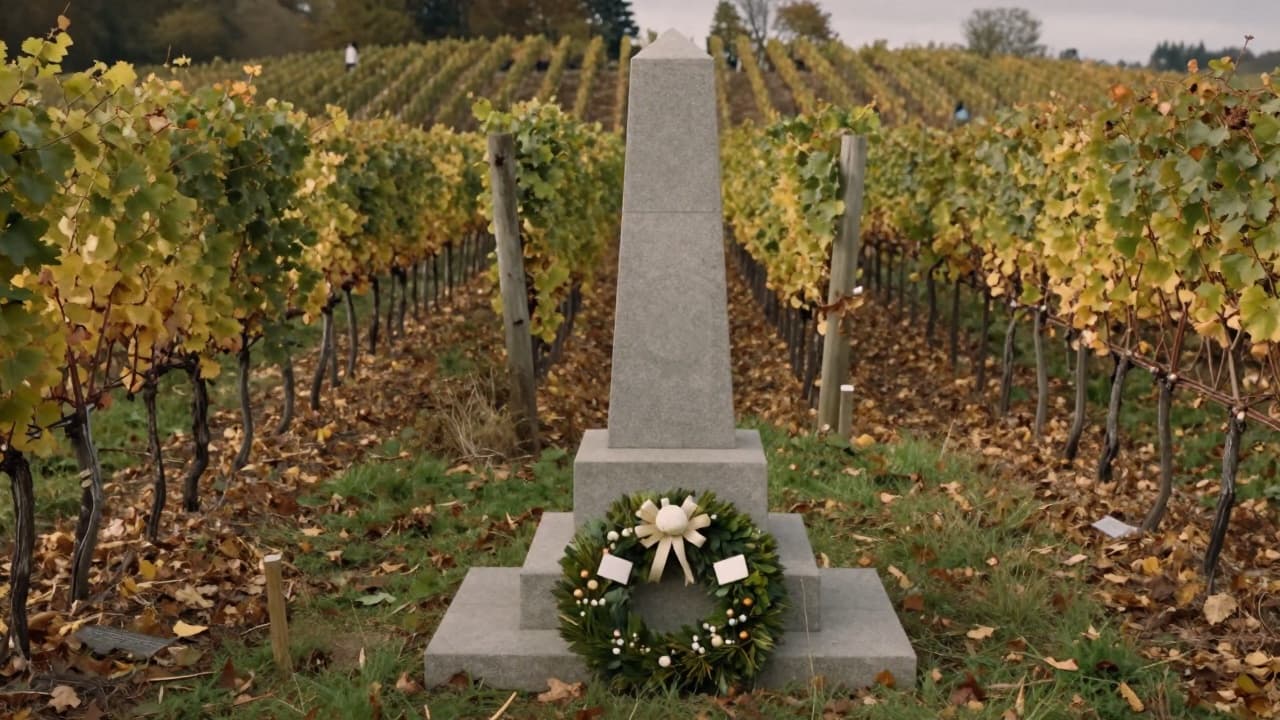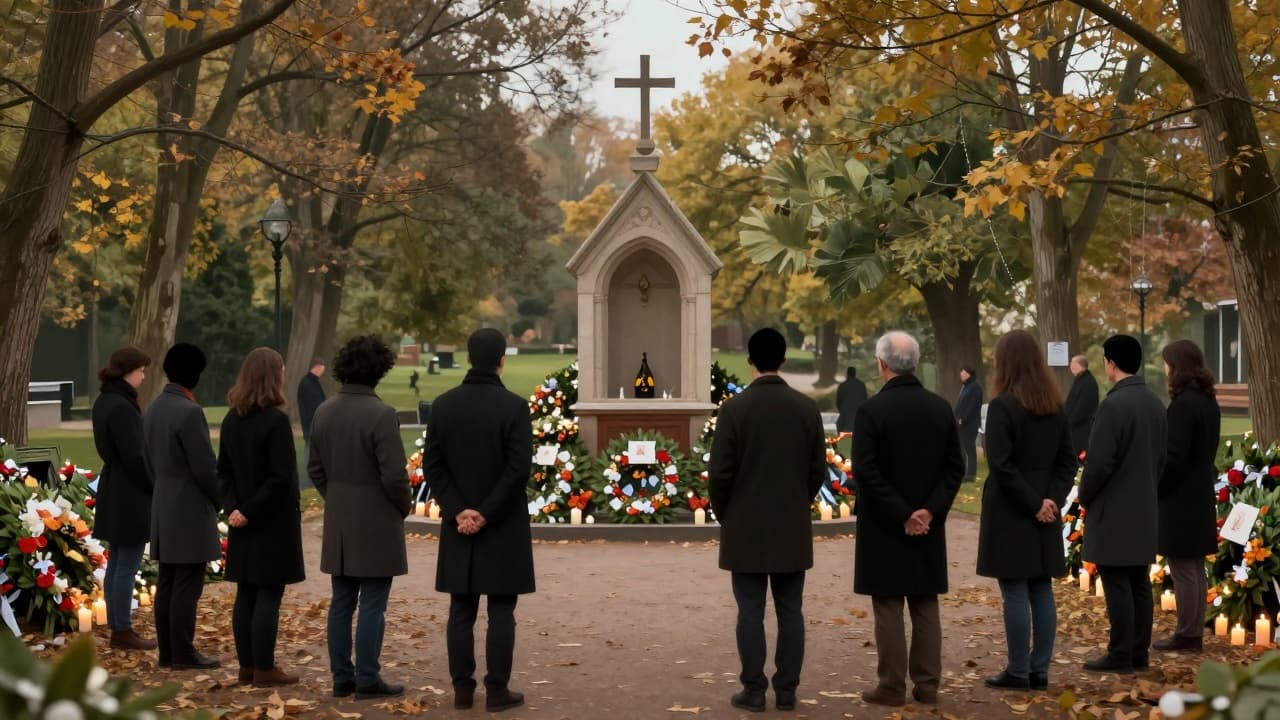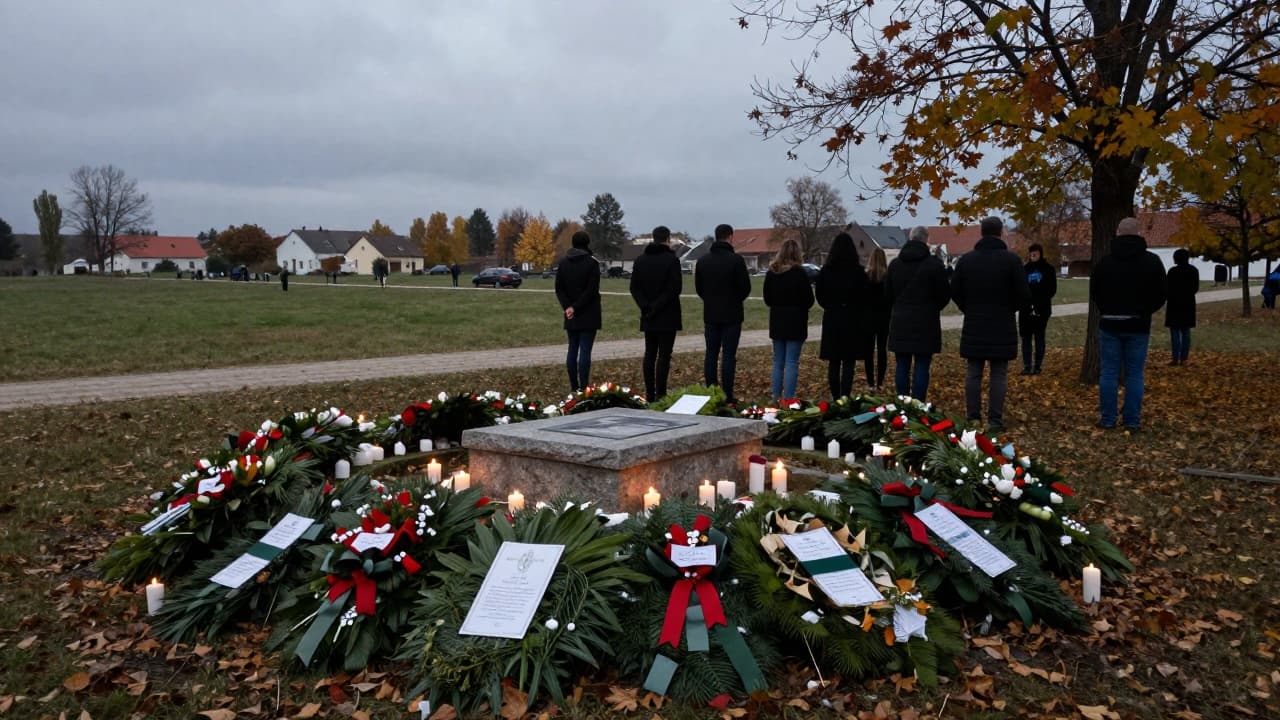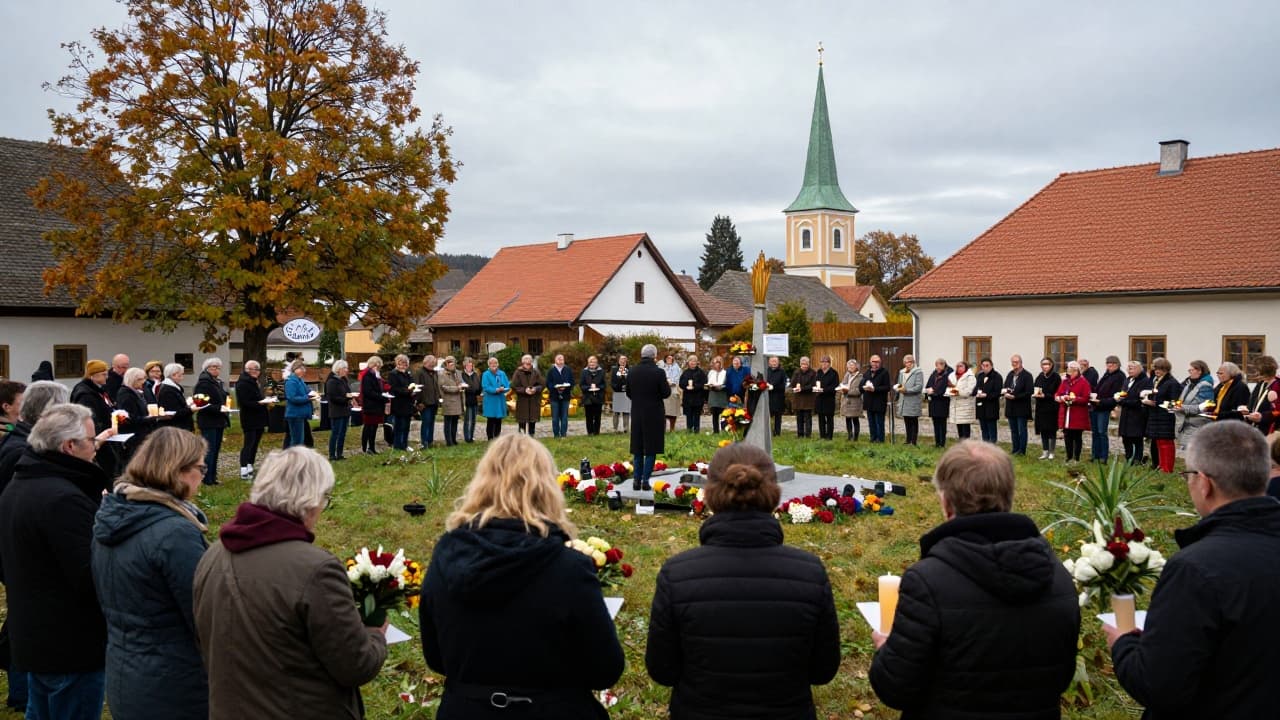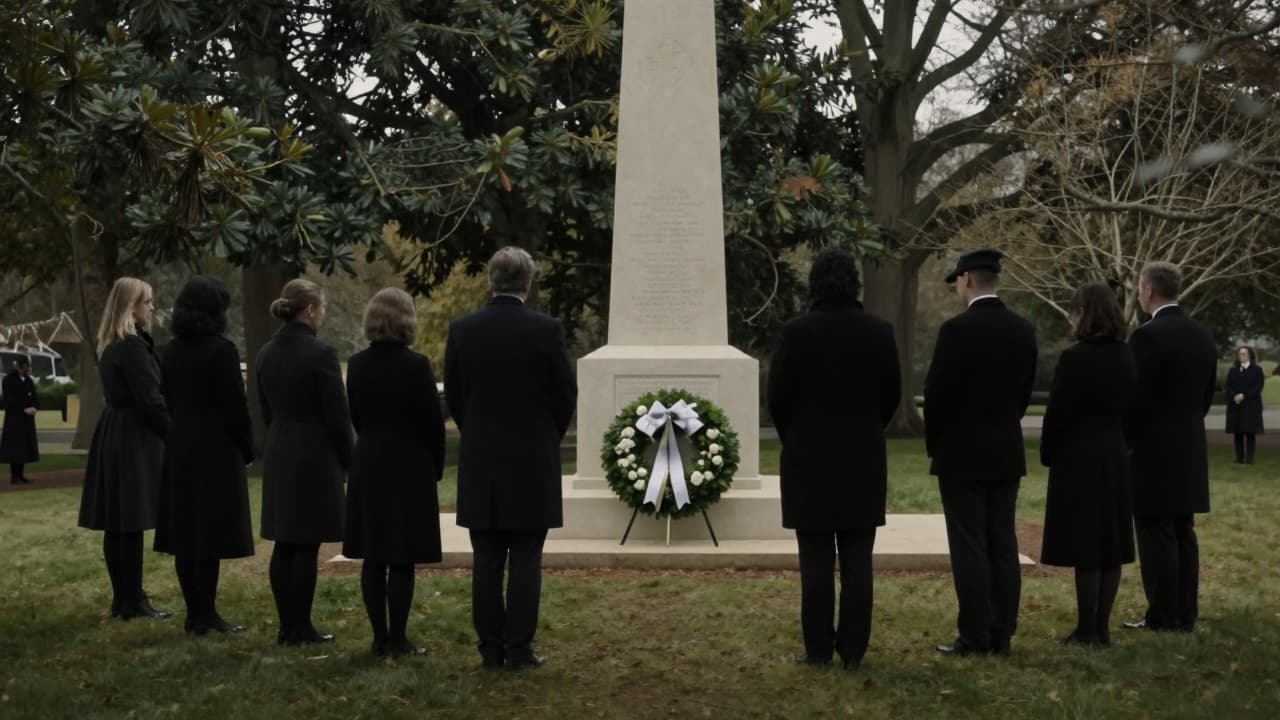
The day of remembrance for the Croatian population during the Homeland War was marked in the area of Glina, with tributes paid at several locations. In the village of Mali Solin, a large number of people laid wreaths and lit candles in front of the Golubica memorial, recalling the civilians who perished during the Serbian aggression in 1991.
Autumn 1991 brought great suffering to the entire area of Glina. Many residents of Mali Solin decided not to leave their homes and stayed in their family homes, while mostly older and frail people remained in the village. Aggressive paramilitary units, supported by the Yugoslav People's Army (JNA), attacked Mali Solina, and the attack was brutal, targeting the defenceless population that offered no resistance. The victims were killed solely because they were of Croatian nationality. The local residents, families of the victims, and Croatian defenders recalled their loved ones, and after laying wreaths and praying, a memorial mass was held at the memorial.
In Stankovac, a tribute was also paid to the civilians killed in October 1991. The village suffered greatly during the Serbian aggression in the area of Glina, and on the anniversary, many local residents and families of the victims gathered, lighting candles and praying. The tribute was also paid by many members of associations established after the Homeland War, and the event was attended by representatives of the City of Glina, led by the mayor, Ivan Janković. Among those killed in Stankovac was an immobile old woman, whose life was taken in her own bed.
In Gornji Jami, near Glina, a memorial was unveiled, established by the Ministry of Veterans. In November and December 1991, local residents were killed, including three children, and the village was completely destroyed after the tragedy. The search is still ongoing for some of the victims. The memorial, featuring a dove, was unveiled by the Deputy Prime Minister and Minister of Veterans, Tomo Medved, along with representatives of the victims' families, Božica Tonković and Ivica Kuštreba, a war invalid who donated the land for the memorial. The memorial was blessed by the local priest, Saša Jožić.
The ceremony was attended by the Sisačko-Moslavačka County Prefect, Ivan Celjak, the mayor of Glina, representatives of state institutions, the Ministry of Defence, the Croatian Army, and the police, as well as representatives of veterans' associations and many local residents. In the area of Gornji Jami, one mass grave and four individual graves have been found so far, with the remains of seven victims exhumed. Part of the remains found on the site of the house have not yet been identified, and ten people are still missing. Among the missing are three children, aged nine, ten, and 14. The tragedy in the Banovina region is evidenced by 44 mass graves, and the Department for Captives and Missing Persons of the Ministry of Veterans has so far investigated 19 micro-locations in the area of Gornji Jami. After the unveiling of the memorial, wreaths were laid and candles lit, and a mass was held for the fallen and missing Croatian defenders and civilians, led by the local priest, Saša Jožić.
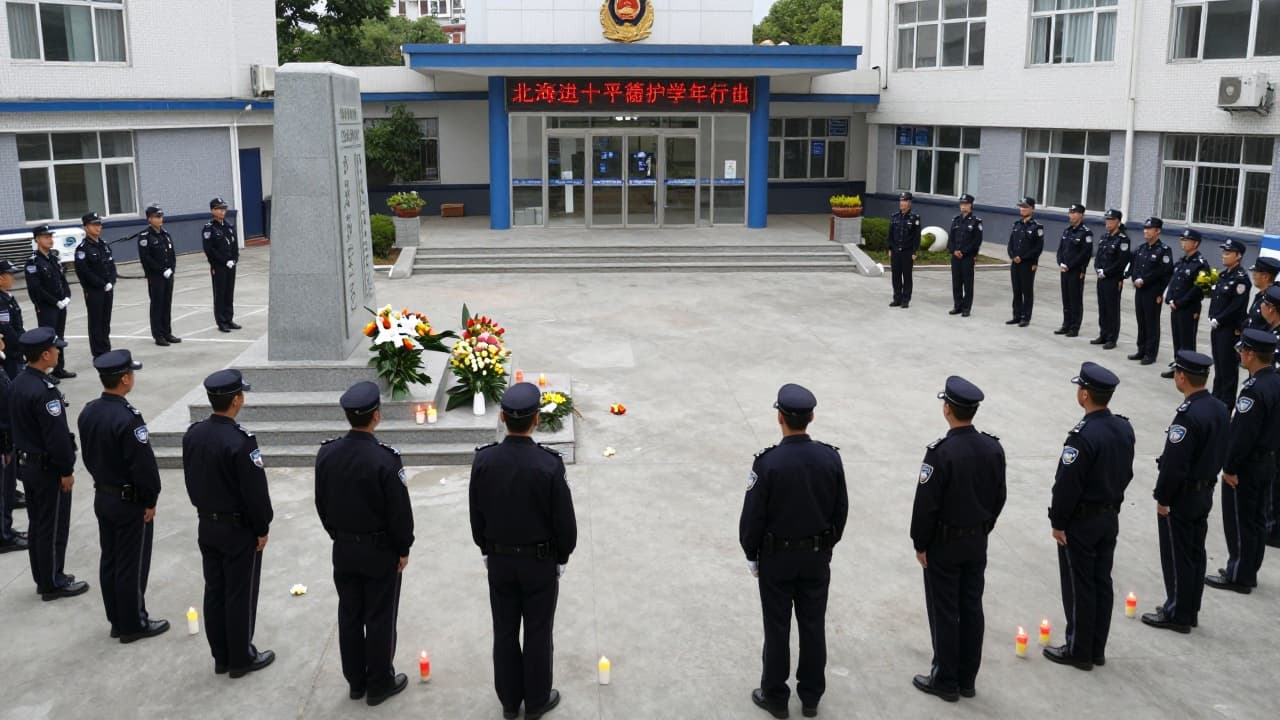
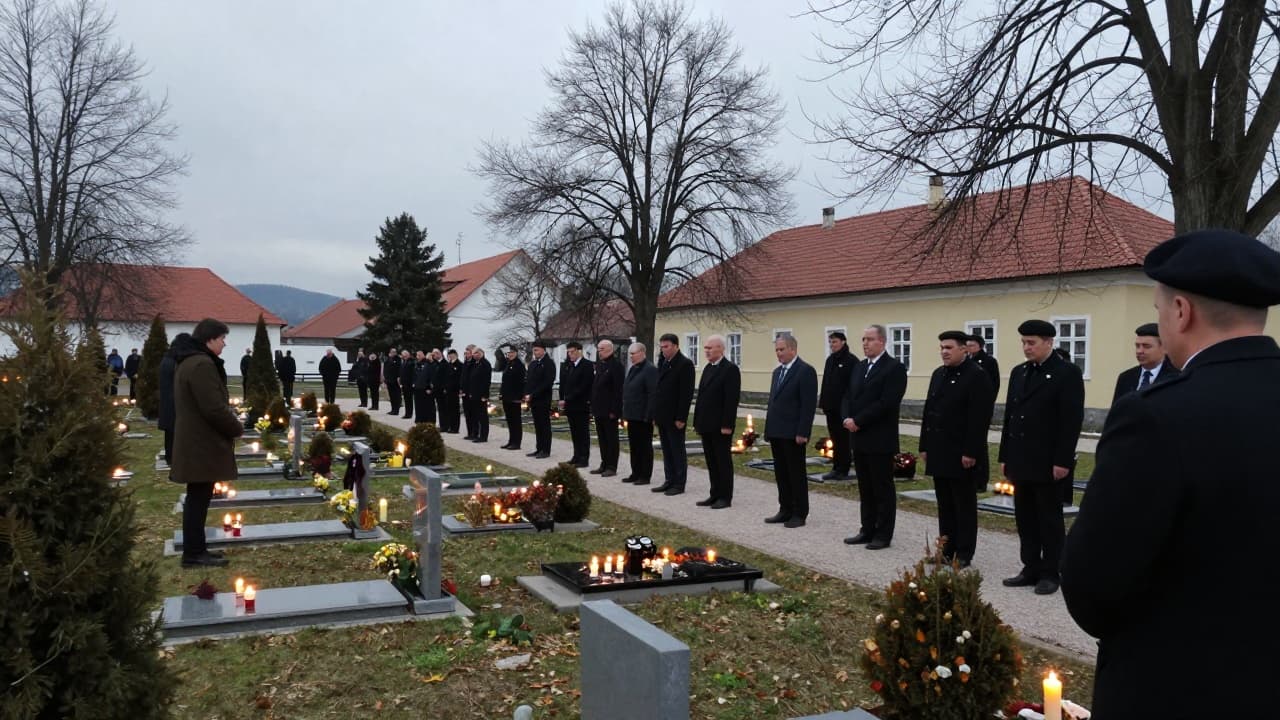
On Friday, 2 October, a tribute was paid to Croatian defenders and civilian victims of the Homeland War in the area of Glina. Candles were lit in the Pokule forest, at the memorial in Gornje Taborišće, in Gornja Bučica, and at the memorial to civilian victims. In the Pokule forest, a tribute was paid to the Croatian defender Damir Pintar, who died on 22 August 1991, as well as to the seven Croatian defenders who died on 2 October 1991 in the Pokule forest: Ivica Jažeti, Darko Srbi, Danijel Mihaljević, Milan Zguri, Branko Klasić, Josip Zguri, and Branko Uzelac. The ceremony was attended by Croatian veterans, representatives of various associations established after the Homeland War, local residents, and representatives of the City of Glina. The mayor of Glina, Ivan Janković, stated that the names of the fallen Croatian defenders are permanently inscribed in Croatian history.