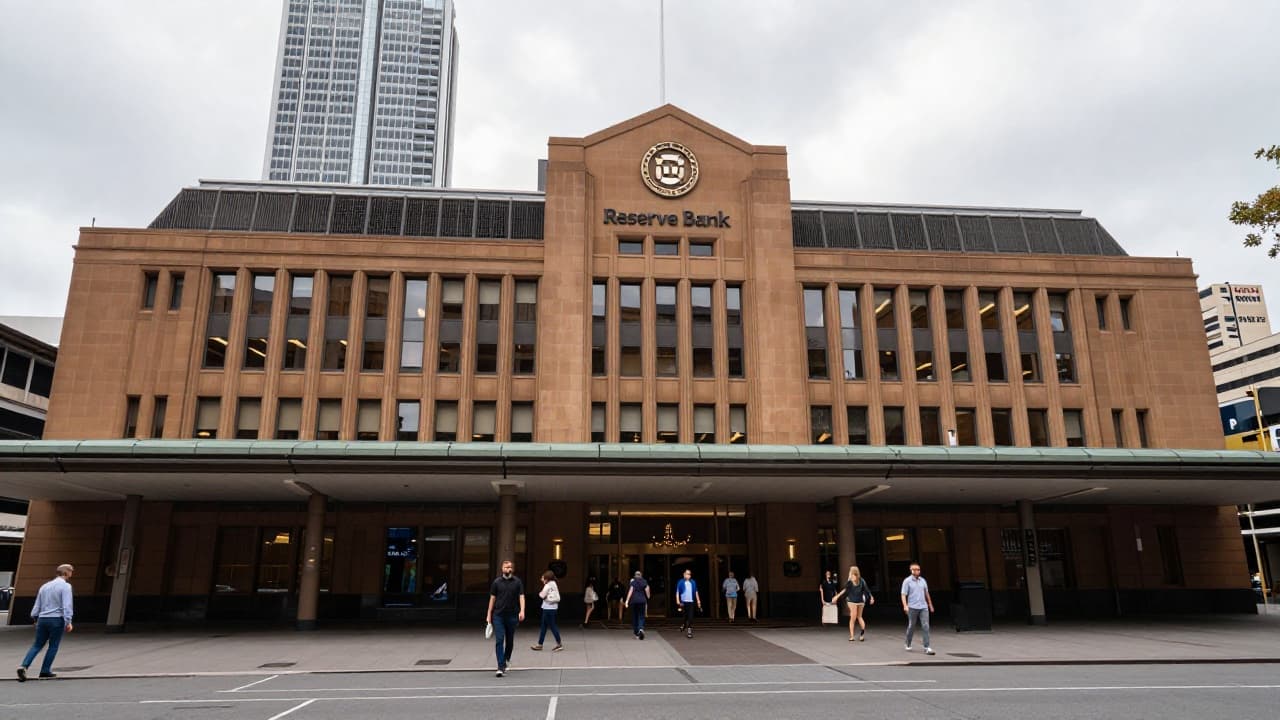
New South Wales Premier Chris Minns has warned that the expected increase in interest rates will lead to job losses and business closures. The Reserve Bank of Australia (RBA) will announce its interest rate decision on Tuesday, with markets predicting a fifth increase in 2026.
Minns emphasised that the rate hike is not an "easy decision" for the RBA and that its impact on the New South Wales economy would be enormous. "There will be jobs that disappear and never come back. There will be shops that close and never reopen with another rate rise," he said. He added that the decision should not be taken lightly, as it is a very difficult call for the central bank. Asked about state spending contributing to inflationary pressures, he stated that "everyone needs to do their part."
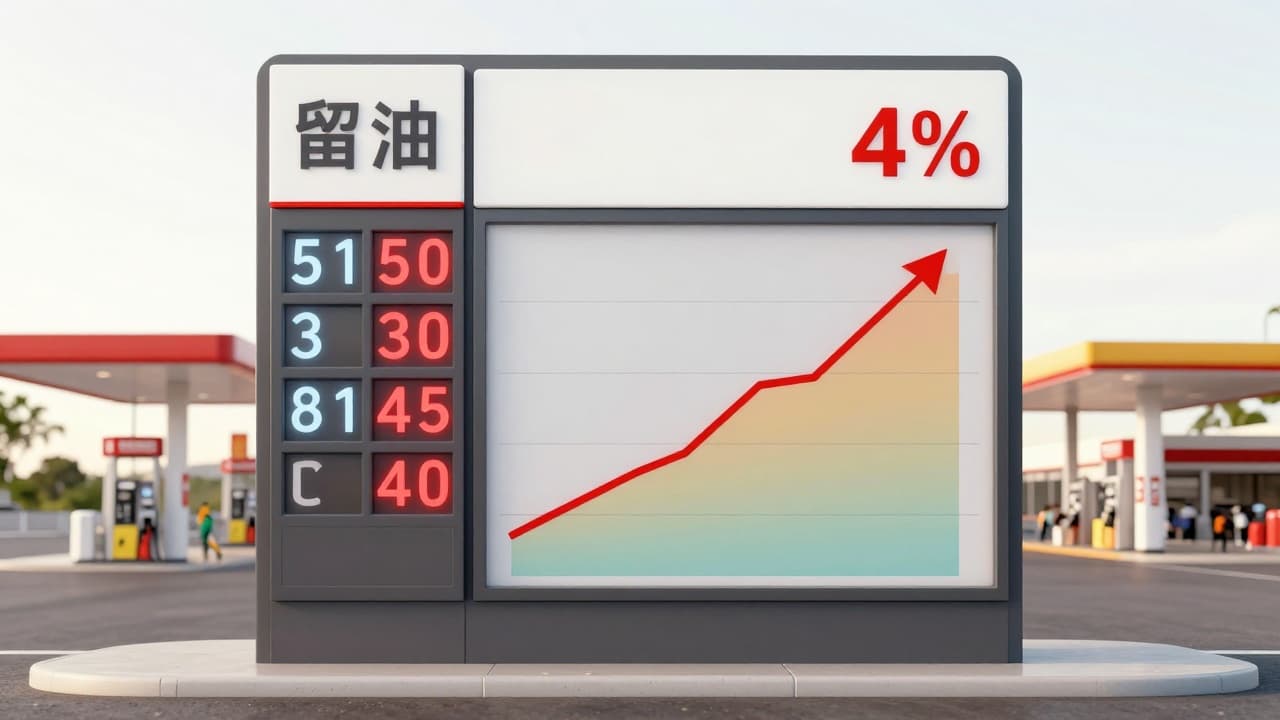
A rise to 4.85 per cent would bring rates to their highest level in 18 years. Prime Minister Anthony Albanese and Finance Minister Jim Chalmers confirmed that the next monthly budget update would include a savings package. They cited international factors, including the war in Iran, as the cause of rising prices. One Labor MP told Guardian Australia that voter anger is already high ahead of the rate decision, comparing the political climate to the difficult period during the rating drop in the government's first term. According to him, Albanese and Chalmers hope that the inflation and interest rate trajectory recorded before the 2025 election will repeat next year. Inflation reached nearly 8 per cent at the end of 2022, and before voters went to the polls, it fell within the central bank's target range. "This is the middle of the cycle and people are unhappy," the MP said.
Albanese will be at the Commonwealth Leaders' Summit in Antigua and Barbuda on Tuesday when the RBA announces its rate decision, while Chalmers will speak on behalf of the government. Environment Minister Murray Watt defended government spending on Monday. "We must keep in mind that Australia is not the only country currently facing inflationary pressures," he told ABC radio. "It is a global phenomenon and even if the Australian government reduced its budget to zero, we would still feel inflationary pressures due to what is happening in the world."
Labor leader Tanya Plibersek defended Chalmers, asserting that savings would be significant but would not harm households. "No reformist finance minister in Australian history has gone through major changes without criticism," she said, adding: "We all support Jim."
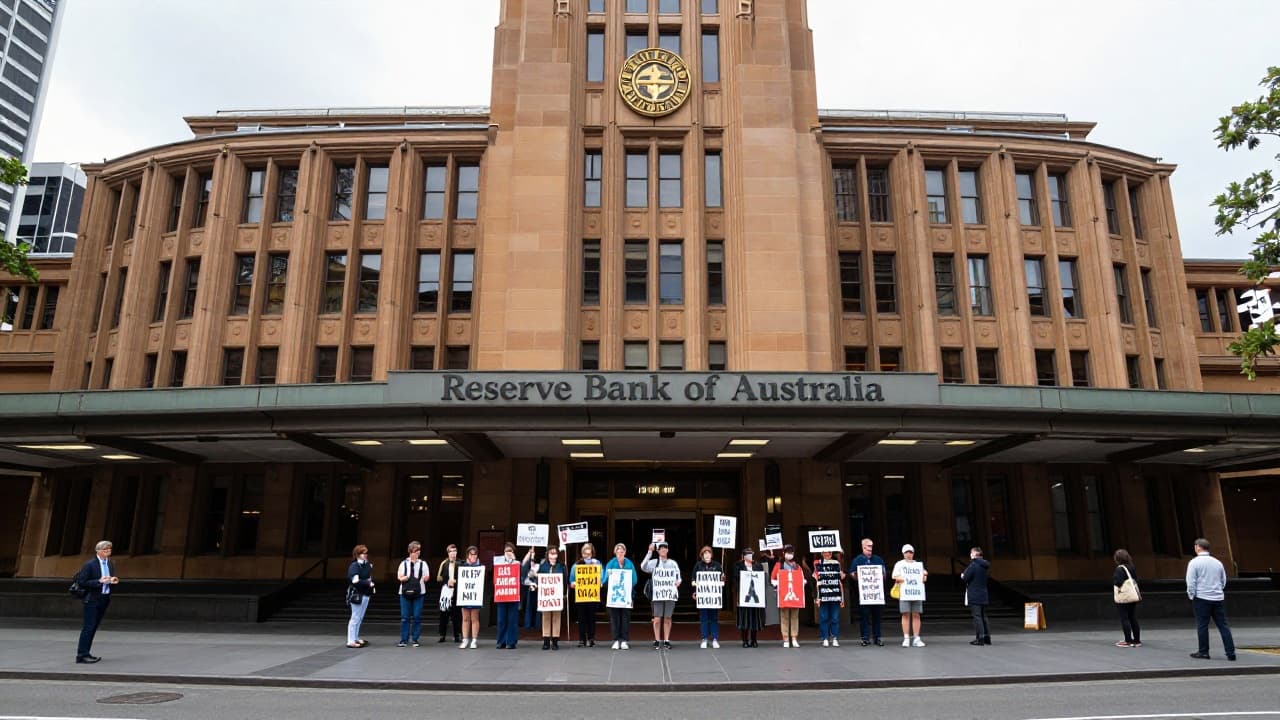
ACTU secretary Melissa Donnelly warned at demonstrations outside the RBA headquarters in Sydney that workers "cannot survive another interest rate rise". She accused major banks and retail chains of further squeezing households by charging them more. "Workers are already struggling and bearing the burden of these cost-of-living pressures. Workers did not create this inflation crisis, it was triggered by Trump's war in the Middle East, but workers feel its pain every day," she said.
Chief Executive Officer of the Australian Council of Social Service Cassandra Goldie called on the RBA not to raise interest rates. Instead, she requested action to reduce housing and energy prices and direct medical costs. "Higher interest rates create unemployment by design," she said. "We cannot be sure what effect another rate rise now will have on unemployment in a year. A rise towards 5 per cent or above would be catastrophic, locking people out of work for years and forcing them to rely on grossly inadequate income support."
A Newspoll published on Monday put the primary vote for the Labor Party at 27 per cent, One Nation at 28 per cent, and the Coalition at 21 per cent. Opposition leader Angus Taylor accused the federal government of losing control over inflation and interest rates. "We see a Labor government that cannot control its spending," he said. "It cannot control spending and the result is that the Reserve Bank has to do all the hard work."