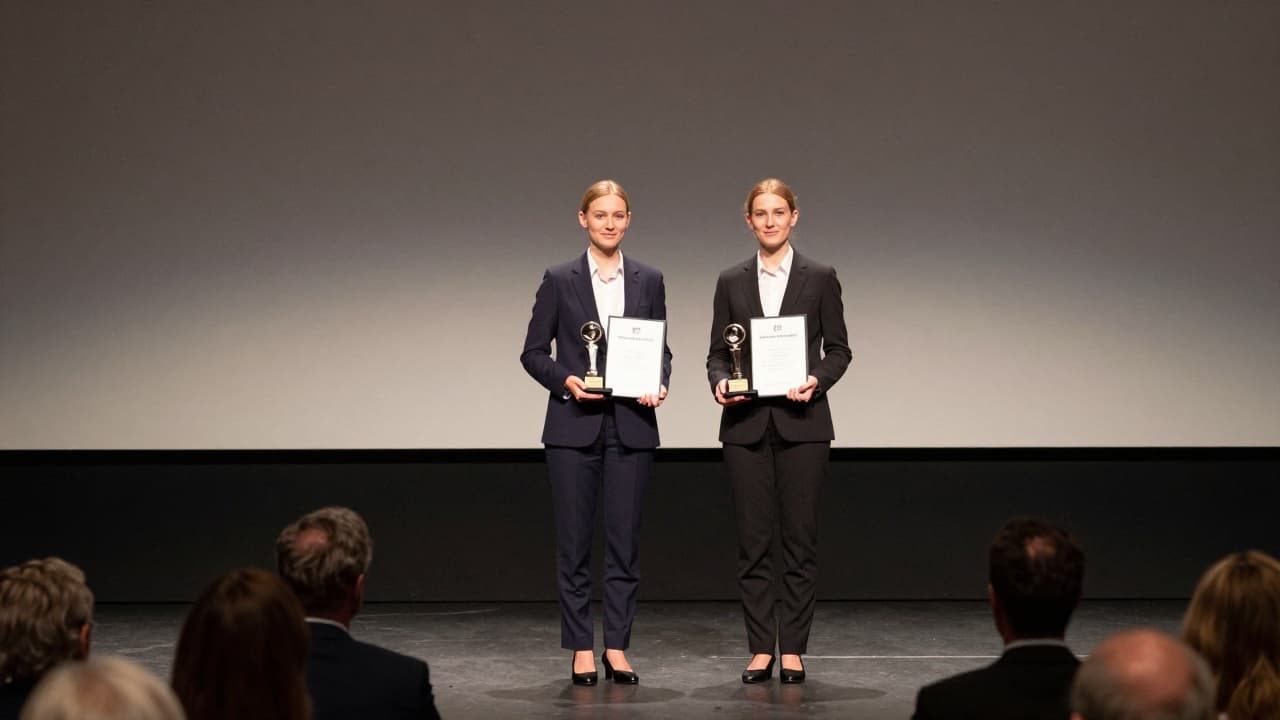
Dr Zorana Medarić and Prof Dr Kristina Sepčić are among this year's recipients of Slovenian state awards for science. Both scientists are originally from Cres, and through their residence and careers, they are part of the Slovenian scientific community.
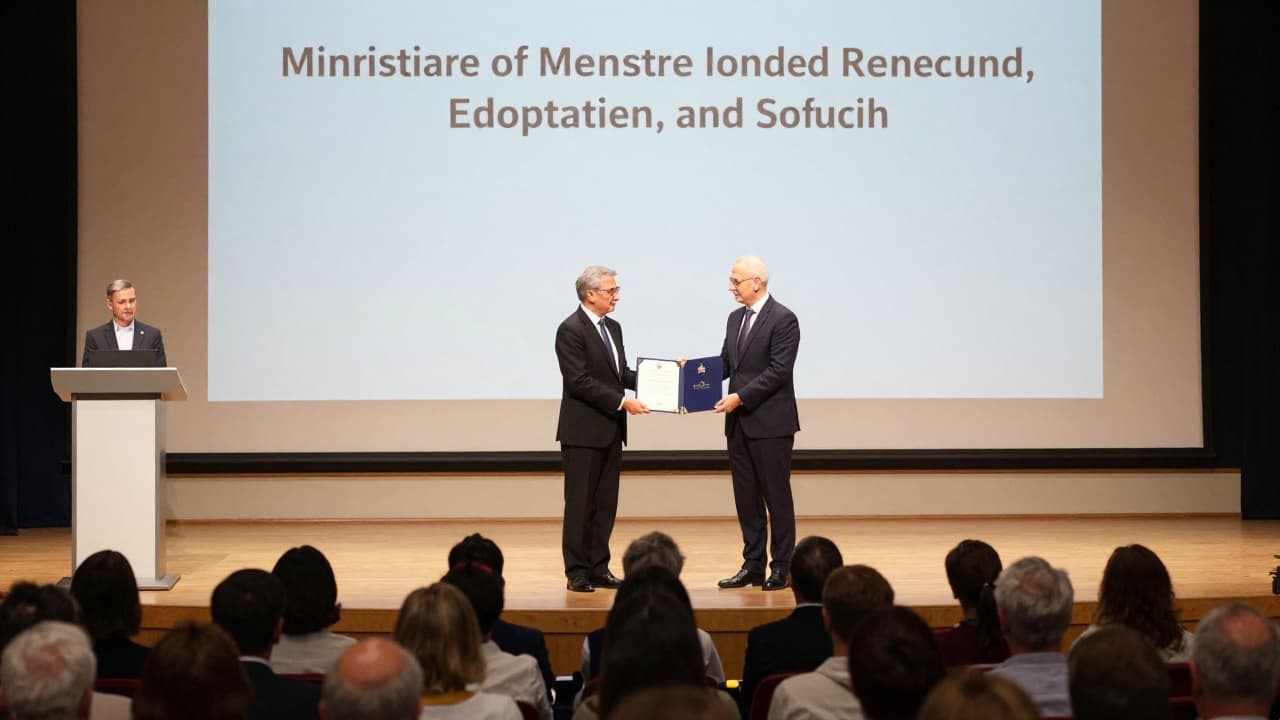
The awards are presented on the occasion of Science Day, a national holiday, and bear the name of Žiga Zois (1747 – 1819), a Slovenian Enlightenment figure, naturalist, entrepreneur and patron of the arts. They were presented at the Cankarjev dom in Ljubljana.
Dr Zorana Medarić is employed at the Scientific and Research Centre Koper, and received the Zois Award for significant achievements in the development and establishment of approaches to the integration of migrant children. Alongside her, the award was received by scientific advisor Dr Mateja Sedmak and senior scientific collaborator Dr Barbara Gornik.
Their work was based on the recognition that in the integration of children into a new environment, an adult-oriented perspective usually prevails, while the perspectives, experiences and needs of the children themselves often go unheard. The research was conducted within the framework of the international project 'MiCREATE – Migrant Children and Communities in a Changing Europe', which they led. They demonstrated that children's own views and experiences are key to understanding their needs and well-being, as well as their successful integration into society. In doing so, they contributed to a methodological and analytical shift by including migrant children as active co-creators of the research, practices and policies that affect them.
Prof Dr Kristina Sepčić from the Biotechnical Faculty of the University of Ljubljana is a recipient of the Zois Award for significant achievements in the application of proteins obtained from oyster mushrooms in the fields of biomedicine and sustainable agriculture. Her research covers proteins from edible oyster mushrooms that bind to specific lipids in cell membranes. She has proven that these proteins can serve as safe and reliable tools for monitoring processes within living cells.
Her research deepens the understanding of conditions such as cancer, as well as neurodegenerative and autoimmune diseases, and contributes to the development of new diagnostic approaches and a better understanding of cellular functions. In addition, she discovered protein complexes that act as environmentally friendly bioinsecticides, effective against the Colorado potato beetle and the corn borer, while being safe for humans and most other organisms, including bees.