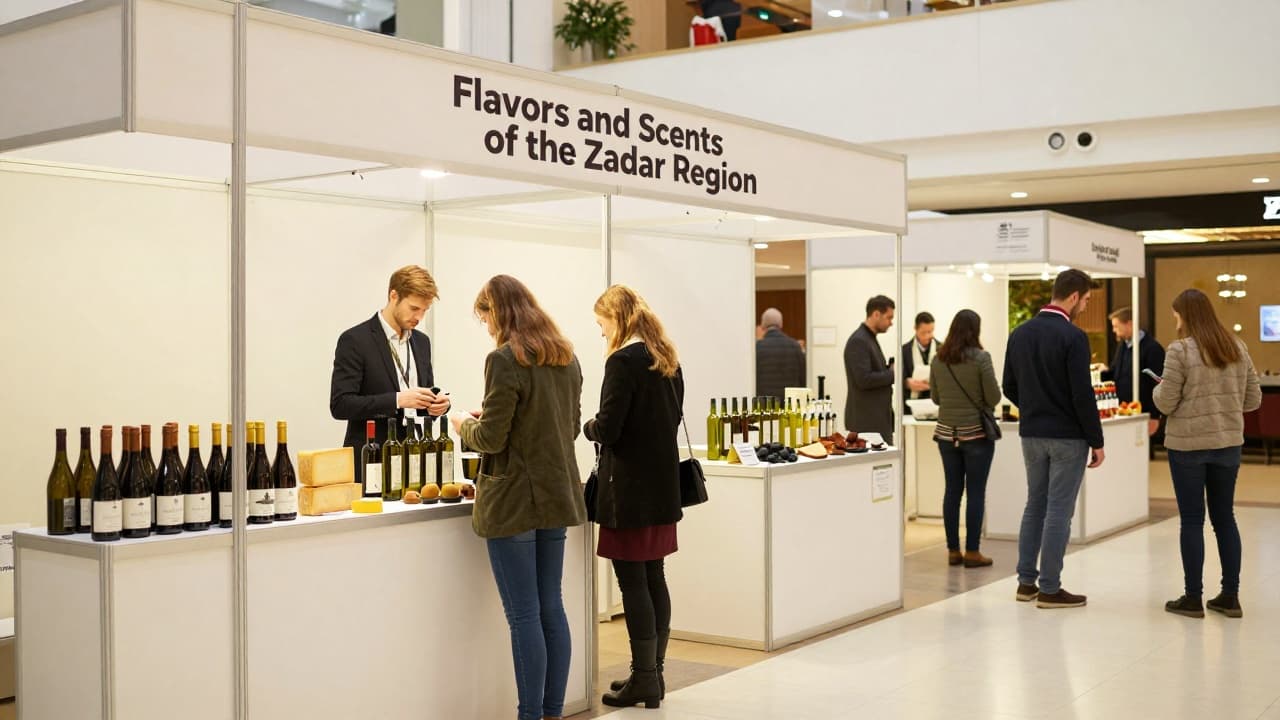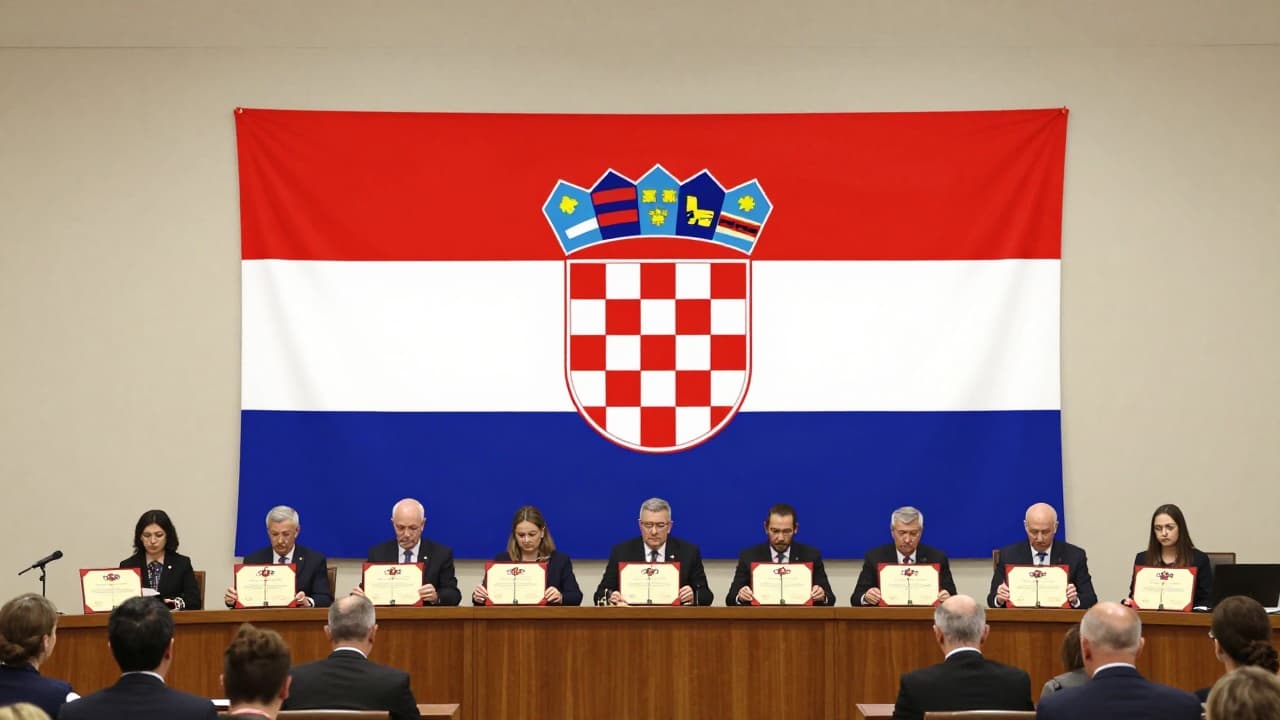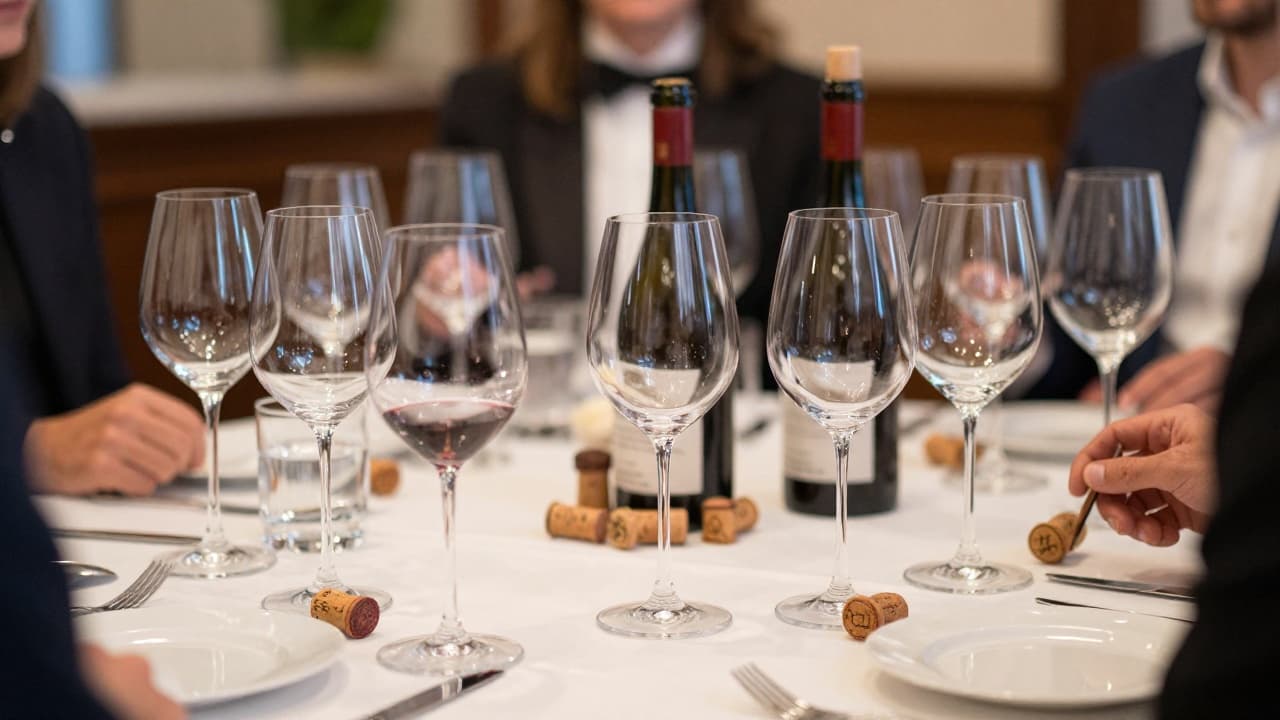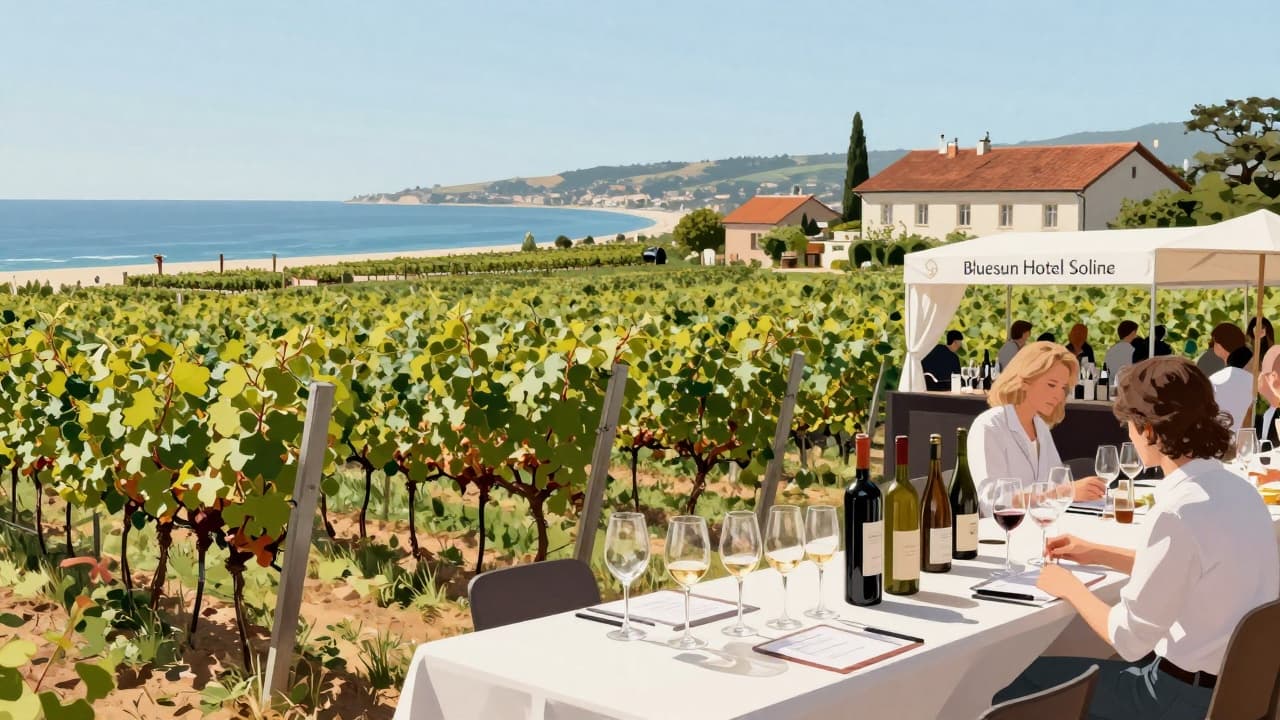
The International Meeting of Viticulturists and Winemakers, Sabatina 2026, was held in Brela for the first time, marking the 36th edition of the event organised by the Dalmatia Cooperative Union. The meeting lasts three days, with the first day seeing the start of a viticulture and winemaking fair at the Bluesun Hotel Soline.
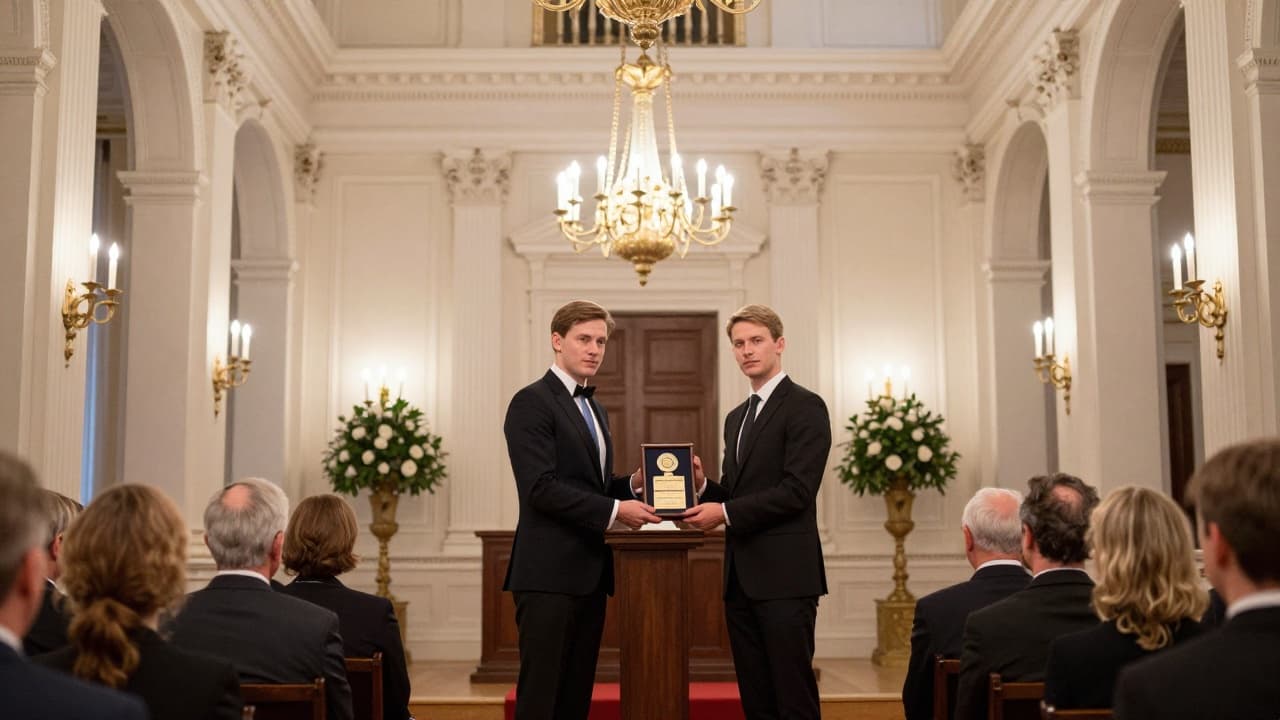
Guests were offered expert topics, workshops and tastings, while the ceremonial opening was accompanied by the presentation of annual awards to laureates. A symbolic planting of a vine cutting, representing roots, stability and life, was also presented at the opening. The high patron of Sabatina is the President of the Republic of Croatia, Zoran Milanović, with "Sjeme" Split as the sponsor. Patrons include the Ministry of Agriculture, Forestry and Fisheries, the Ministry of Regional Development and EU Funds, the Ministry of Tourism and Sport, the Split-Dalmatia County, and the Municipality and Tourist Board of Brela.
The "Stjepan Bulić" award for lifetime contribution to the advancement of viticulture, winemaking and Sabatina was given to Ante Grubišić from Imotski. The "Zlatan Plenković" award for young viticulturists and winemakers went to brothers Antonij and Frane Ivčević from Komiža. The Croatian Agricultural Cooperative Union awarded the Dalmatia Cooperative Union on the occasion of its 120th anniversary, while the Potomje Agricultural Cooperative received an award from the same union for long-term successful work. Žarko Pavić from Hum na Sutli received the Sabatina Golden Amphora for his contribution to the development of winemaking, while the "Mate Bobanac" award for long-term contribution to viticulture and winemaking went to Jovito Vranković from Hvar.
Ante Buktenica – Peculo from Grohot on the island of Šolta received an award as a model winemaker and viticulturist, and at 97 years old, he is the oldest viticulturist in Dalmatia and Croatia. Lordan Ljubenkov, president of the Dalmatia Cooperative Union, greeted the participants and highlighted that 479 wine samples were submitted for evaluation for this year's Sabatina. Ahead of marking the 120th anniversary of the Dalmatia Cooperative Union, a monograph titled "Cooperatives in Croatia – A Heritage of Community" was published.
Deputy County Mayor Stipe Čogelja also greeted the attendees, emphasising the importance of community, connecting producers, the scientific sector, institutions and local self-government units, and referring to the damage caused by catastrophic fires, specifically mentioning winemakers from the Omiš area. Sandra Zokić, director of the Directorate for Agricultural Land, Plant Production and Market of the relevant Ministry, spoke on behalf of Prime Minister Andrej Plenković, highlighting that Croatian viticulture and winemaking have a long tradition but have increasingly developed towards quality in recent years. She stated that she is particularly concerned about the reduction in vineyard areas and that new plantings are needed, adding: "Croatian wines are valued, recognised and praised. There is no more bad wine in Croatia". She added that she is particularly proud of the Dalmatia Cooperative Union in the transfer of knowledge, as well as the cooperation between the relevant Ministry and the Institute for Adriatic Cultures and Karst Reclamation on projects for vine renewal, establishment of mother plantings and preservation of autochthonous varieties.
Honorary guests of Sabatina included the envoy of the President of the Republic and Commissioner for Sport, Tomislav Paškvalin; Sandra Zokić, director of the Directorate for Agricultural Land, Plant Production and Market; Deputy County Mayor Stipe Čogelja; Joze Tomaš, president of the Split Chamber of the Croatian Chamber of Economy; Katja Žanić, director of the Institute for Adriatic Cultures and Karst Reclamation; Božo Volić, president of the Croatian Agricultural Cooperative Union; and Valentina Medić Vitković, director of the Brela Tourist Board. Paškvalin concluded that Croatia has much to represent itself with, as it has 258 recognised grape varieties, of which 134 are autochthonous, and 18 are protected samples of excellence at the EU level. He stated that this wealth needs to be better utilised for a stronger placement of Croatian wines on the European and world markets, and that EU funds from the wine envelope need to be much better used.
After the ceremonial opening and the distribution of awards, a welcome drink, dinner with entertainment, and workshops on old varieties and innovative wines were organised for participants within the Scientific Centre of Excellence titled "Research and Development of Plant Genetic Resources for Sustainable Agriculture".