The Split City Administration has initiated the procurement of an AI assistant, for which it is prepared to pay up to €40,000. A simple procurement procedure has appeared on the electronic notice board seeking the supply of a voice assistant.
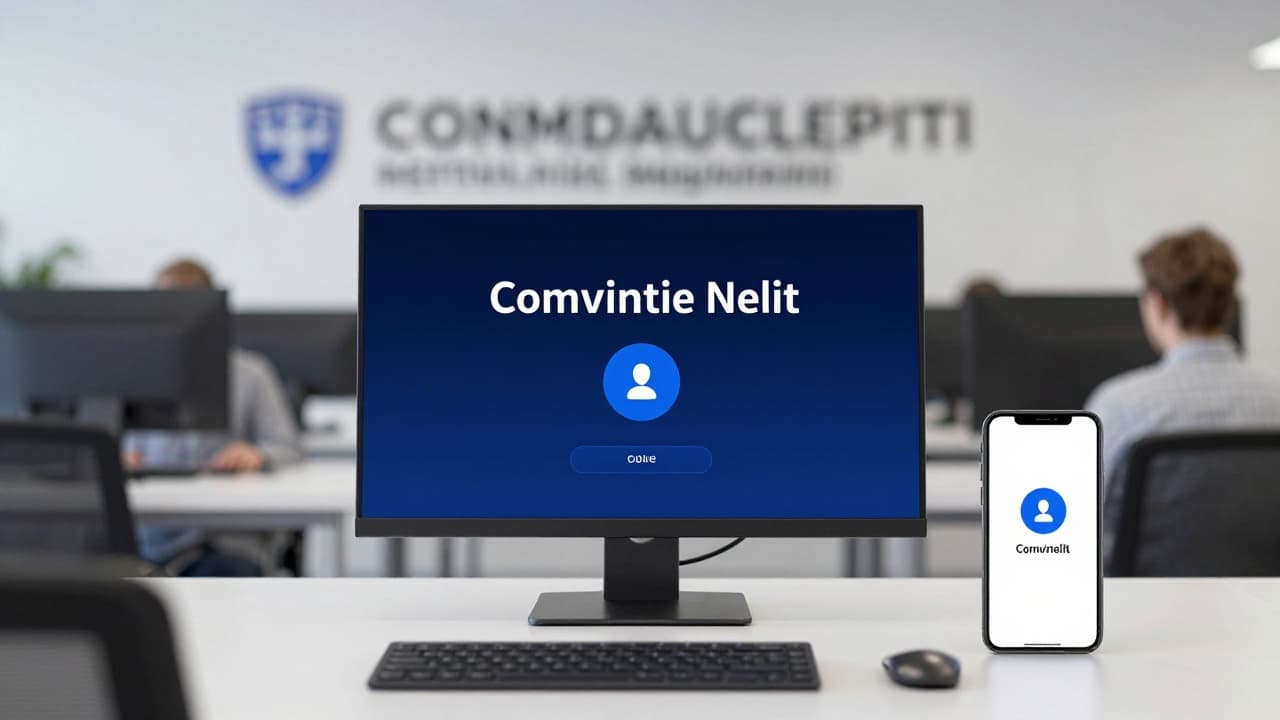
The voice assistant would answer citizens' queries, receive requests, complaints and grievances, and redirect calls to contact centre agents as needed. It is a digital telephone operator that will work 24 hours a day. The assistant should understand what the caller is looking for, respond from the city's knowledge base and, if unable to help, record the data and hand over the conversation to an official with a summary. After each conversation, a record with a transcript would be automatically created, and unresolved requests would be automatically directed to the competent service.
The virtual assistant must speak Croatian, English, German and Italian and fit into the existing Cisco contact centre system. In Banovina, they want to automate at least 30 per cent of incoming queries in this way and relieve the agents. The introduction of the voice AI assistant is conceived as a technological upgrade of the system, and not as the establishment of a new, parallel contact centre or a replacement of the existing way of working. One of the key advantages of the planned system is the availability of information 24 hours a day, seven days a week, including times outside regular working hours, but direct communication with staff remains a key and integral part of providing city services.
Data must be stored in the EU in compliance with GDPR. System availability must be 99.9 per cent monthly, which is about 43 minutes of allowed downtime. For each minute beyond that, the bidder pays a penalty of one per mil of the monthly maintenance fee, up to a maximum of 10 per cent of that fee. Before going live, the City will test the system on at least 30 scenarios, and it is accepted if it passes 95 per cent of them. The deadline for execution is 60 days and a year of maintenance is included in the price.
Experiences from other regions show the risks of such systems. The British municipality of Telford announced that their similar AI system resolved only 39 per cent of queries without the help of a physical person. Of 31 complaints in Telford, only two were justified, so people voted to return the contact centre to the old mode of operation. In Birmingham, people complained that the city's telephone system did not recognise their accent, while the City claimed that the problem was initial difficulties with numbers, letters and postal codes. New York's system once advised that it was completely legal to fire a worker who complained about harassment.
A Canadian court ruled that Air Canada must refund money because its AI bot misstated its own rules. Australia's Commonwealth Bank announced last year that it would lay off 45 contact centre employees because its voice bot allegedly reduced the number of calls. The union claimed that the number of calls was actually rising, so management offered overtime hours and forced team leaders to answer the phones themselves, and the bank ultimately admitted it had made a mistake and the dismissals were withdrawn. Models for languages like ours make errors on average in more than 10 per cent of words, compared to three to five per cent for English.