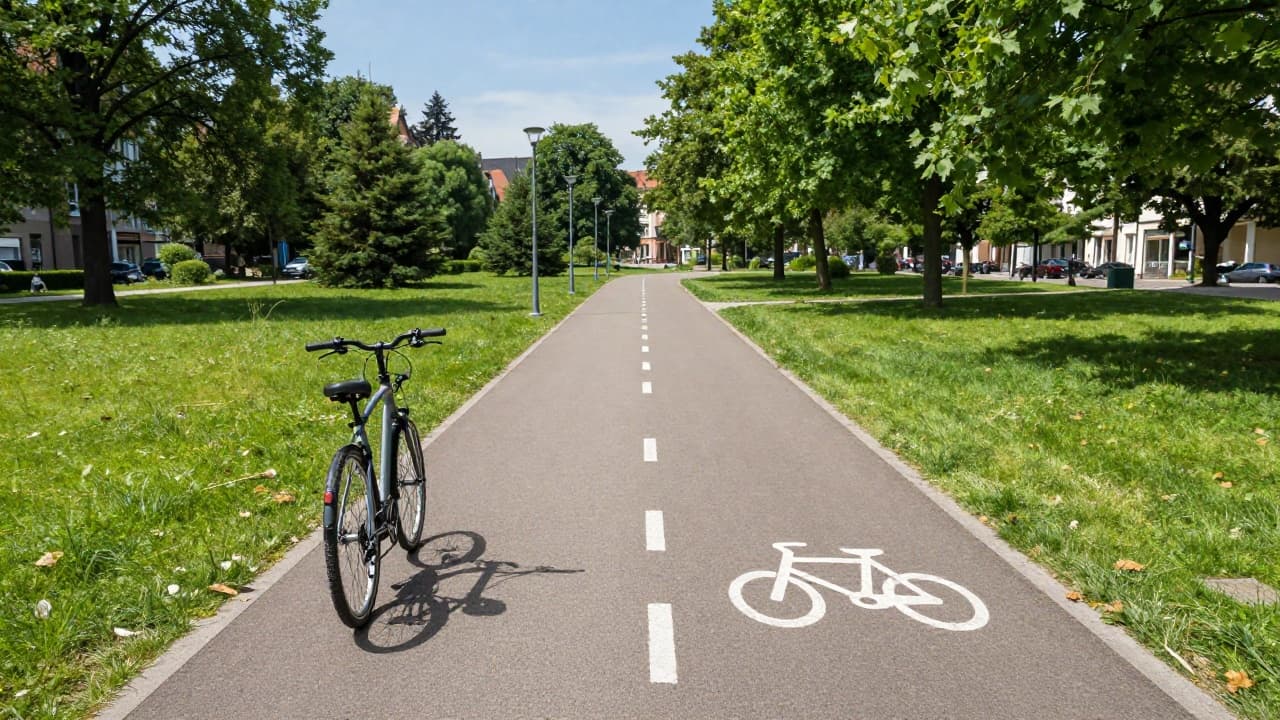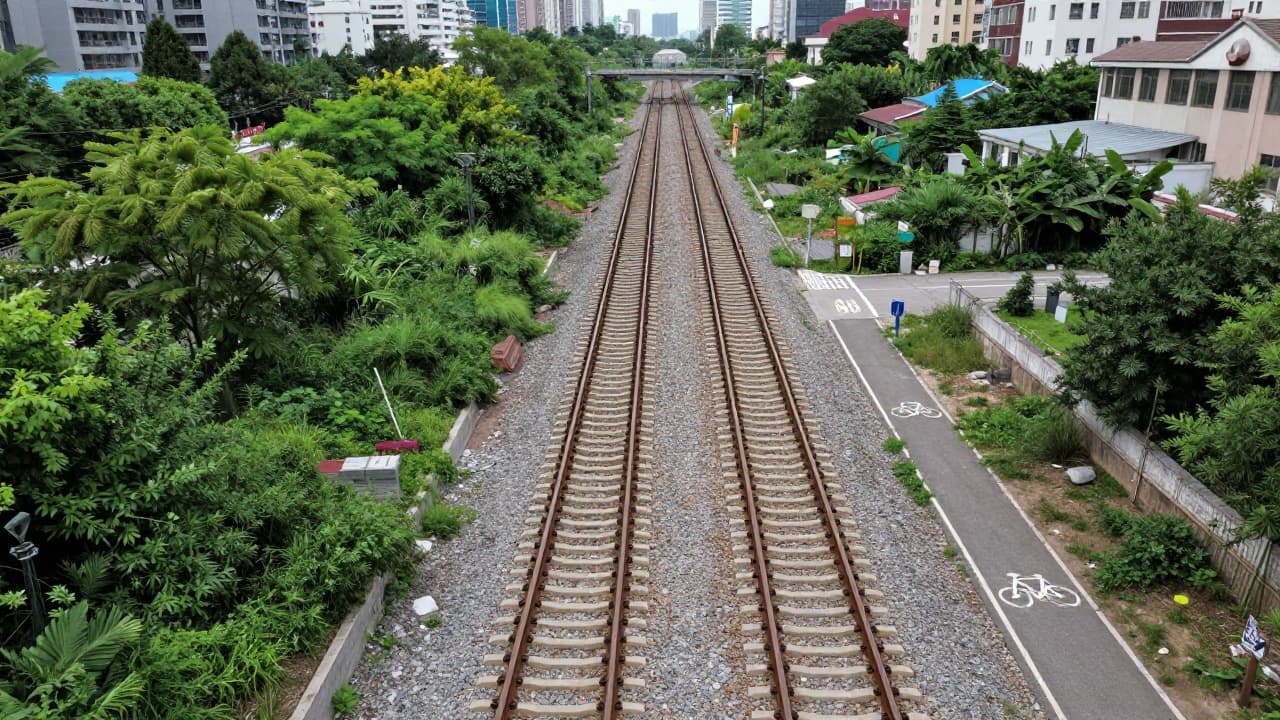
The former railway line that connected Zagreb and Samobor for decades is set to become a space for cyclists, pedestrians and recreation. The City of Zagreb has initiated the first public procurement procedure for the preparation of project documentation, with the planned highway intended to link the western city districts with the inner city centre.
The project involves a pedestrian and cycling highway approximately nine kilometres in length. The former Samoborčeka route was a railway that connected Zagreb and Samobor from 1901 to 1979. For the first section, from Božidar Adžija Street to Sokolska Street, which is about three kilometres long, the City of Zagreb has launched a public procurement procedure for the preparation of project documentation.
In addition to the cycle path, a promenade and recreational area three to seven metres wide will be developed to connect Trešnjevka and Donje Vrapče. The cost of preparing the project documentation is estimated at 75,000 euros excluding VAT, with a projected design period of 90 days. Once the project documentation is completed, a public procurement process will follow to select the construction contractor.
The future highway will extend from the western part of the city towards the centre, linking Trešnjevka, Vrapče, Stenjevec, Gajnice and Podsused. The corridor of the former railway line is between 10 and 20 metres wide, and this space is currently largely neglected.
The realisation of the entire project will proceed in stages due to complex property and legal relations and varying technical conditions along the route. Priority will be given to sections on land owned by the City of Zagreb where complex interventions, such as the relocation of utilities or additional protection of existing infrastructure, are not required.
Special attention will be paid to safety at crossings and improved connectivity with public transport during the design phase. Traffic light systems with video detection of approaching cyclists are also planned, which will enable the automatic activation of green lights.
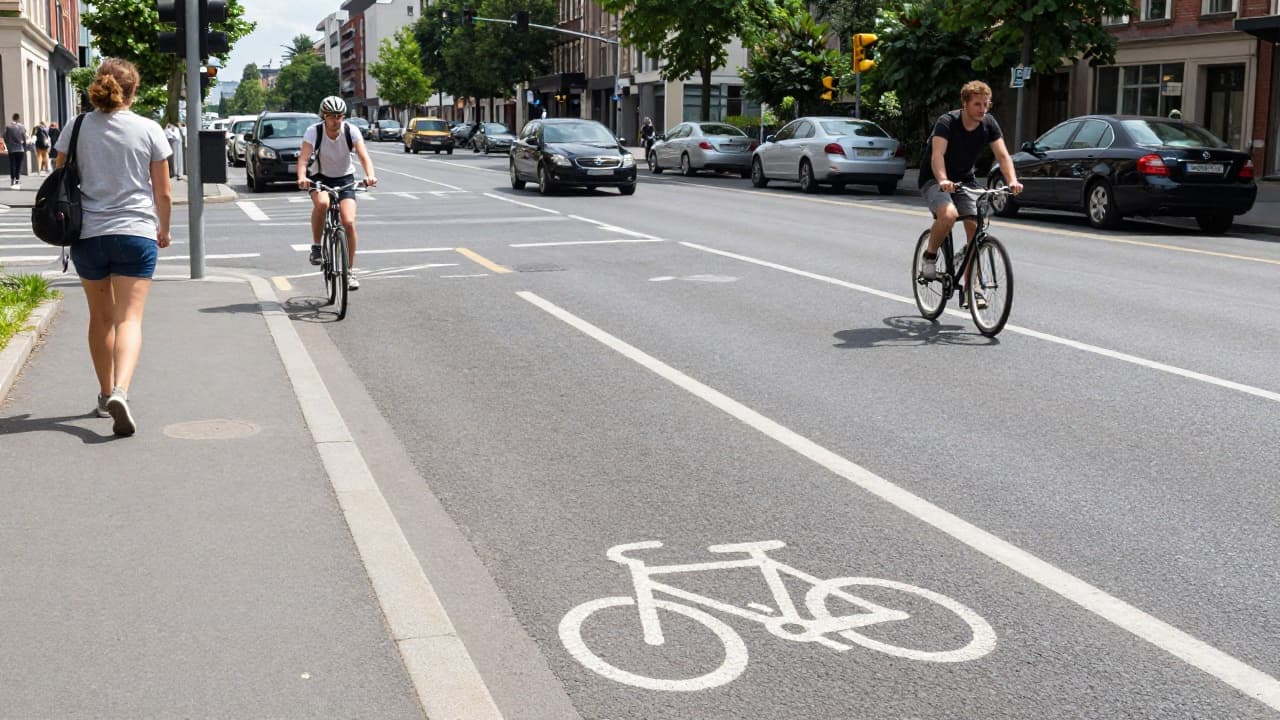
The development of the western cycling and pedestrian highway is part of a long-term strategy for sustainable urban mobility, implemented in parallel with investments in road and other transport infrastructure. On the eastern cycling highway, the first stage of approximately 1.6 kilometres has already been built, which is also the first covered cycle path in Zagreb. In September, the development of a 1.2-kilometre long cycle path on Vukovar Street, from Marina Držić Avenue to Hrvatske bratske zajednice Street, was also completed.