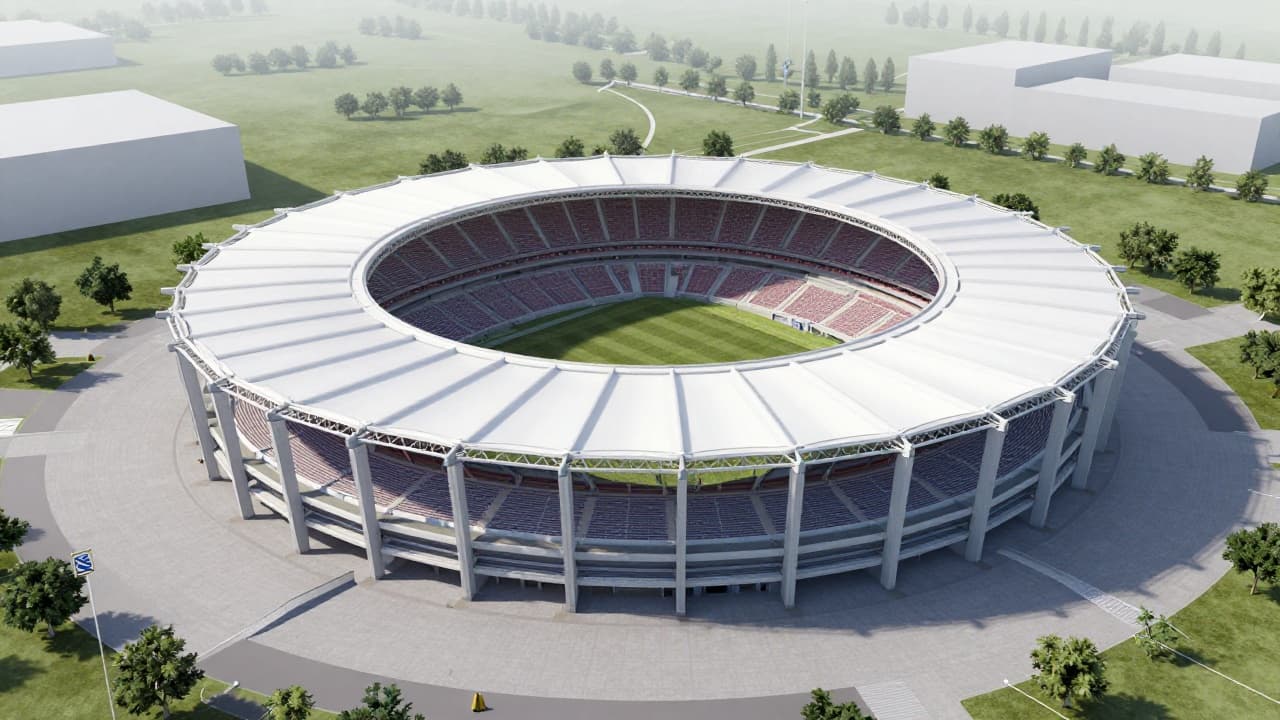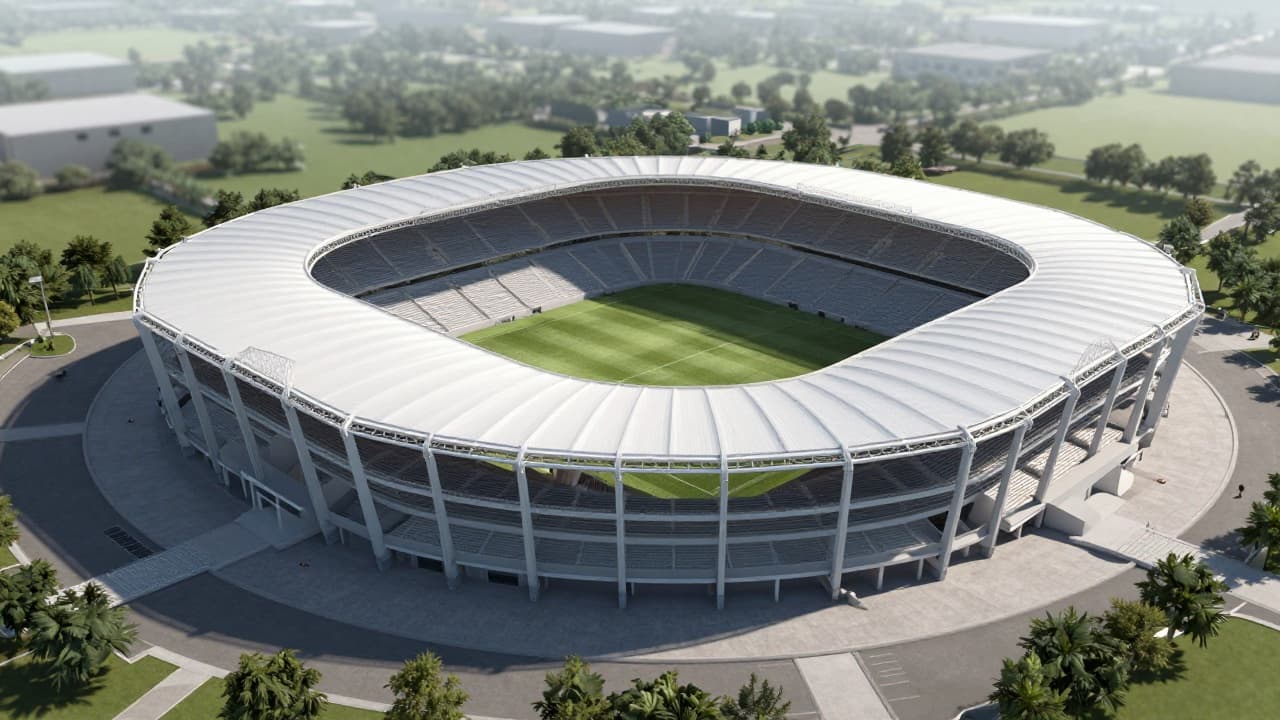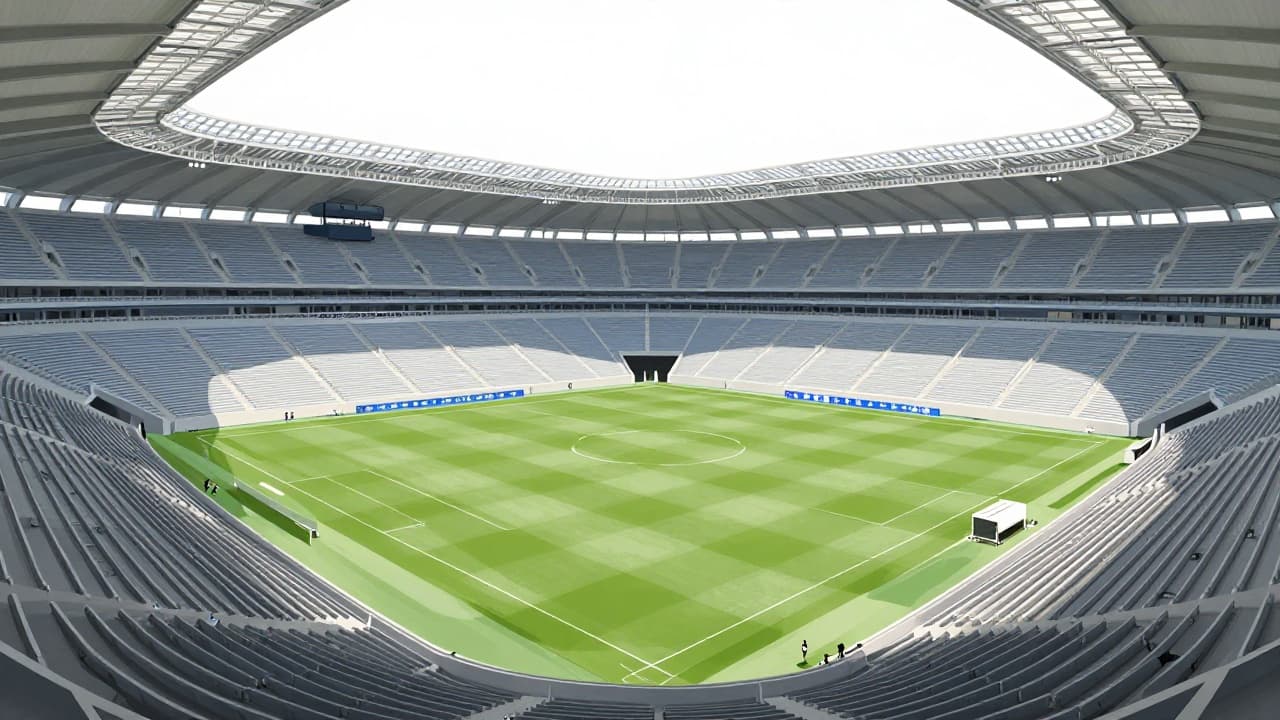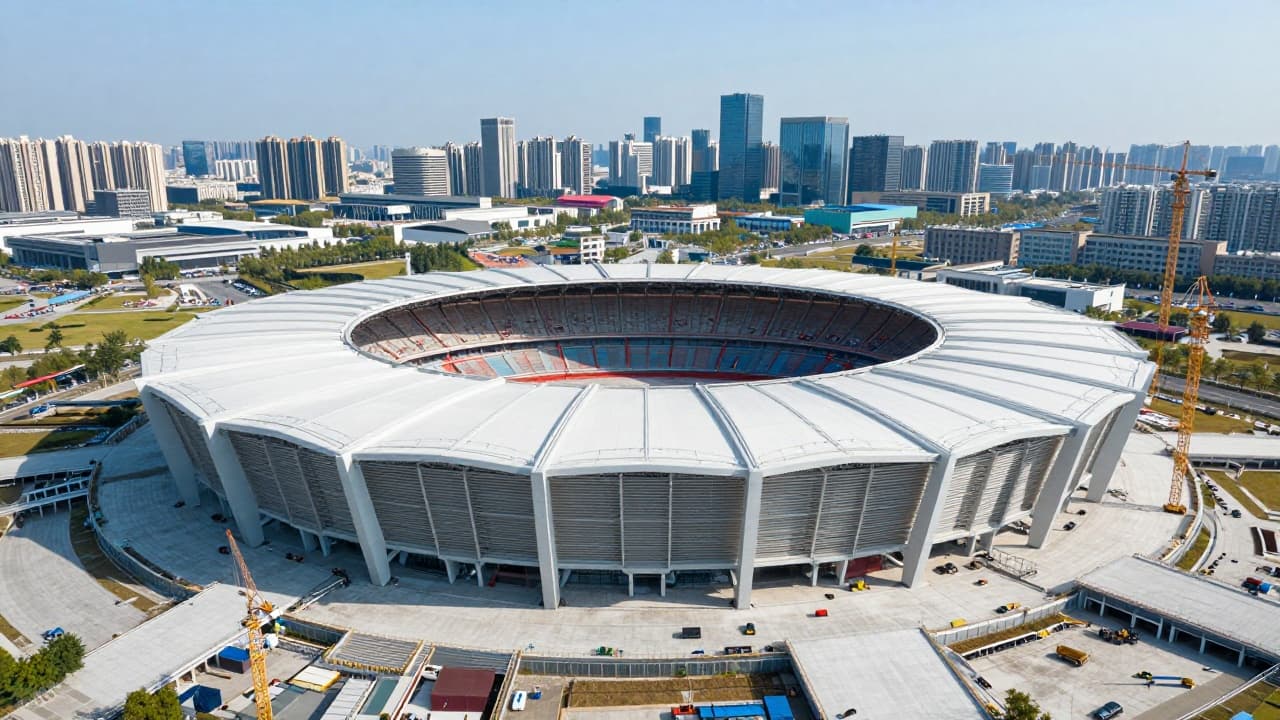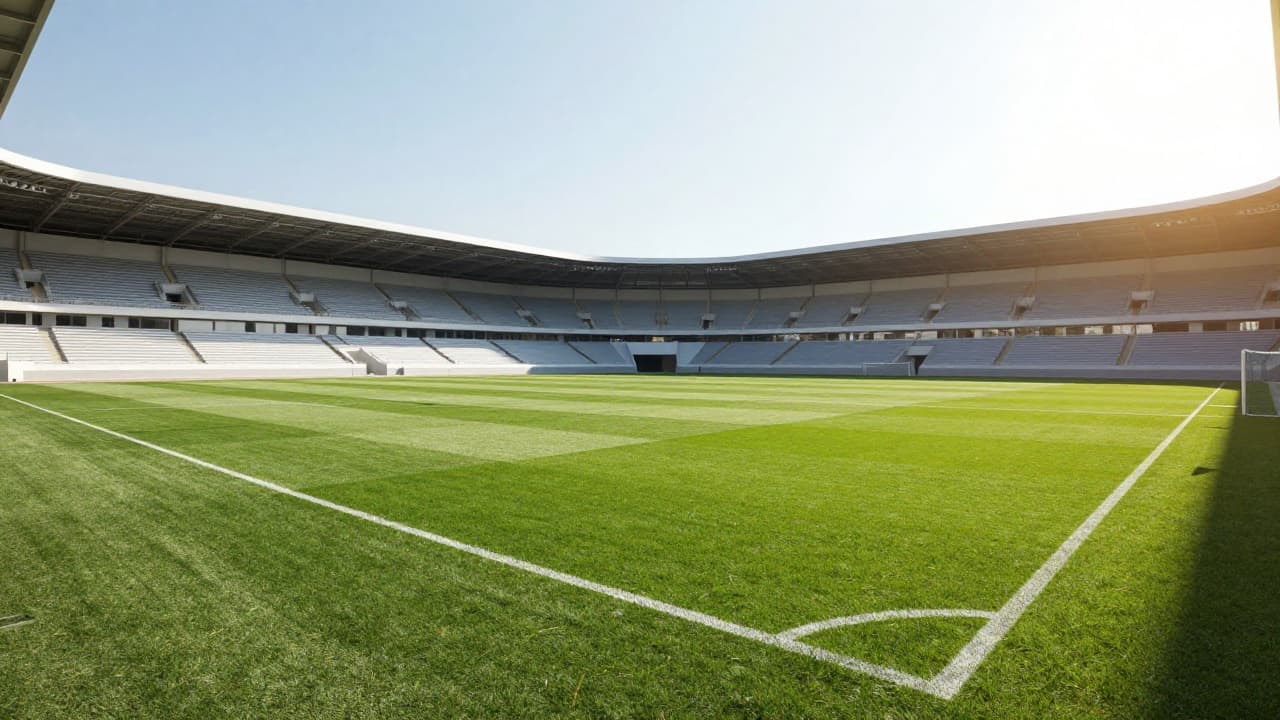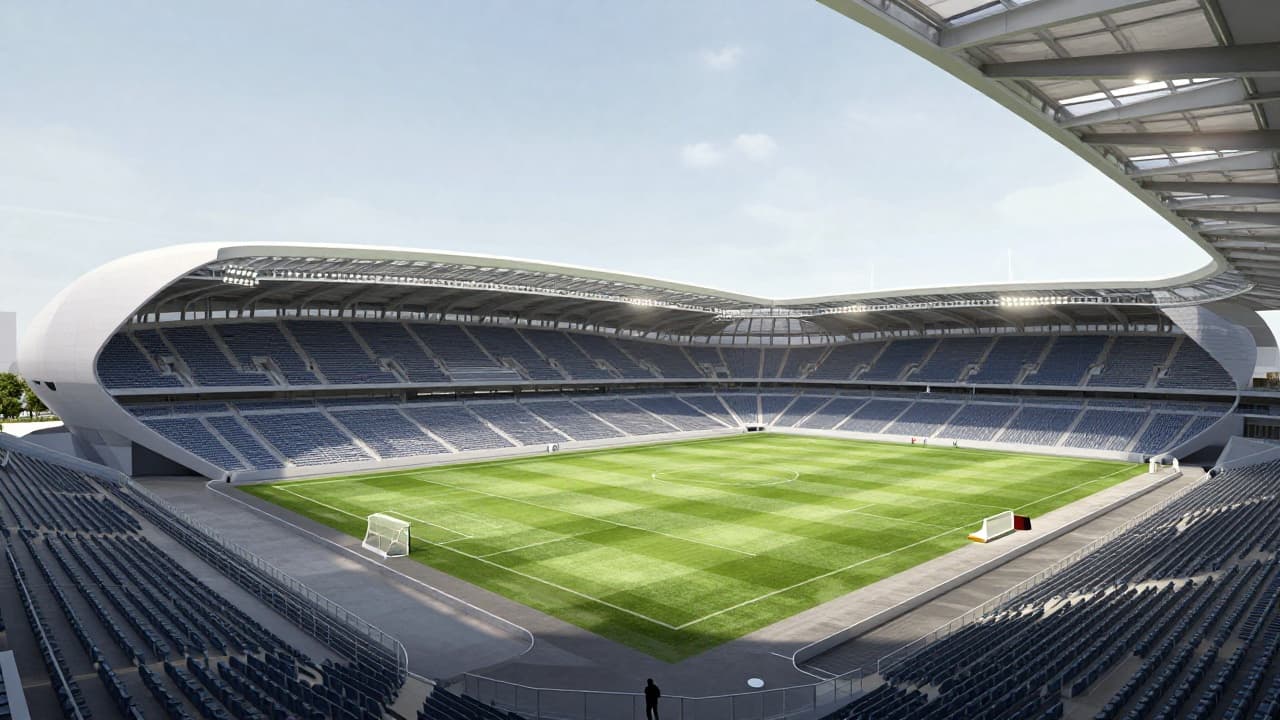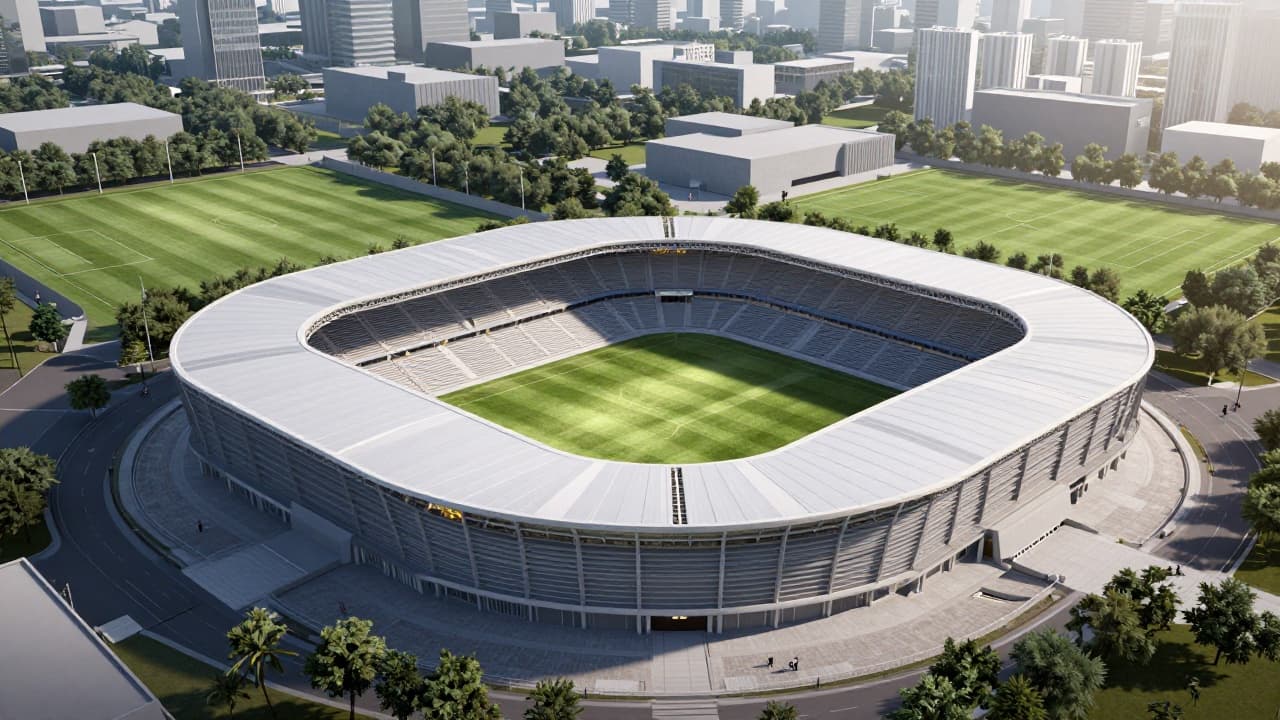
The new stadium was to bring a completely new football arena open to the city, and construction was planned for 2029. The first prize-winning solution to the international architectural competition for the construction of the stadium and the development of the Svet sports centre was presented on Thursday.
A total of 88 works from more than 20 countries were submitted to the competition, with the evaluation taking place from July to September. The competition was open from 20 March to 17 July 2026, and was prepared by the Government of the Republic of Croatia and the City of Zagreb in cooperation with the Association of Architects of Zagreb, which was also responsible for its implementation. The solution by Italian architects Tommaso Fantini and Albert Rossi from the Milan-based studio of VG13 Architects Studio Associato won. In addition to the winning entry, four other solutions were awarded, and all 88 submissions will be presented to the public in an exhibition.
The results of the competition were presented by the President of the DAZ, Ana Boljar, the Chairman of the Evaluation Board, Toma Plejić, and the members of the Evaluation Board: President of GNK Dinamo, Zvonimir Boban, Zagreb Mayor Tomislav Tomašević and Minister of Tourism and Sport, Tonči Glava. The majority of the Board was made up of domestic and foreign architects and experts, with one representative each from the Government and the City of Zagreb.
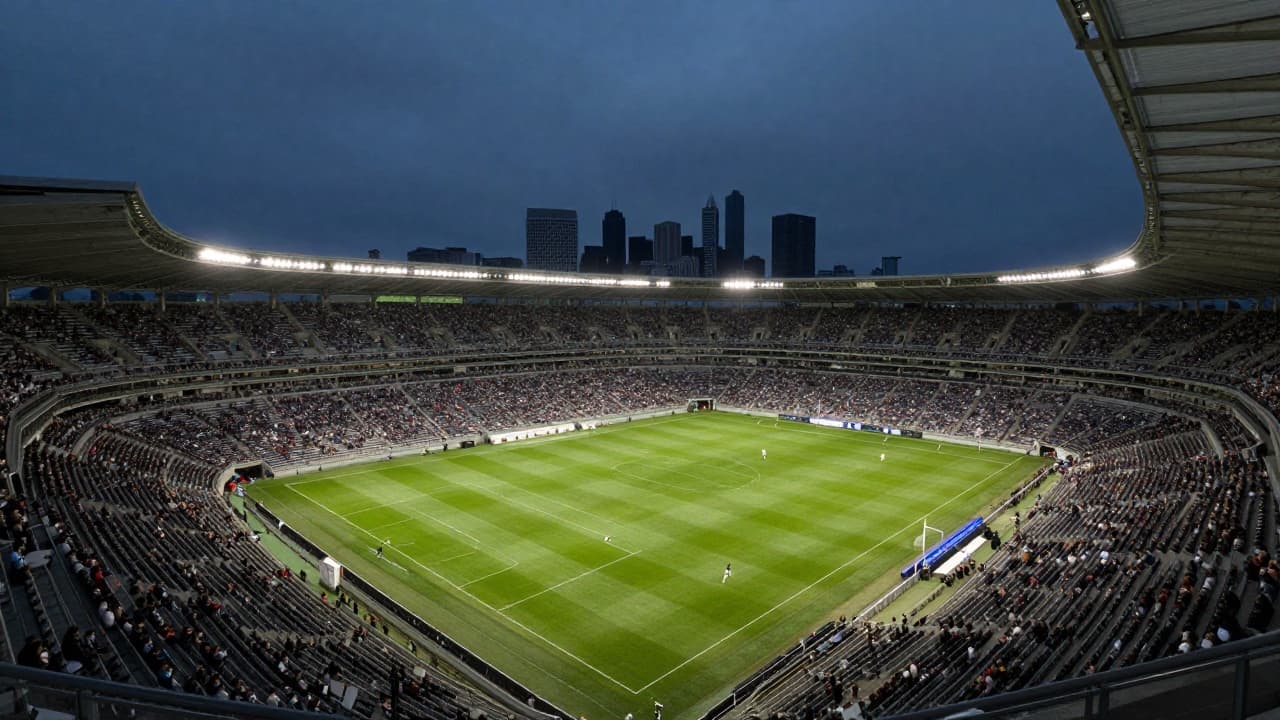
The winning solution was envisioned as a stadium defined by large horizontal and sloping planes. The stands are connected to the pitch in a compact arena, while opening up to the city. The new stadium was to have around 35,000 covered seats. The project also included three football pitches for training, one of which had a stand for around 1,500 spectators, and a garage with approximately 800 parking spaces.
The wider plan for the development of the SRC Svet included a new athletics stadium with around 2,000 seats, a 5,000-capacity handball arena and a multi-purpose hall for basketball and futsal with around 3,000 seats. Additional outdoor exercise and exercise facilities were also planned, and the competition included the development of the intermodal terminal in Borongaj.
The next step was to negotiate the drafting of the conceptual, master and construction plans with the authors of the first prize-winning work. This was followed by the issuance of the location and building permits, and the preparation of the full documentation required for the tender for the works. The demolition of the existing stadium was to begin in 2027, with the start of construction of the new stadium scheduled for the beginning of 2029. Construction was to take 20 months, with completion by the end of 2030.
The estimated cost of the stadium itself was 175 million euros without VAT. When the landscaping, three training pitches and the garage were included, the estimated cost of the project rose to 205 million euros without VAT. The construction was to be jointly funded by the Government of the Republic of Croatia and the City of Zagreb, in a 50:50 ratio.
The last major renovation of Maksimir began in the late 1990s according to the project by architects Branko Kincl and Nikola Filipović. During the renovation, the old northern stand was demolished and a new one was built, and the western stand was extended. The plan provided for the removal of the athletic track, the lowering of the lawn, an additional 16,000 seats and the roofing of the stadium, with the stadium ultimately accommodating around 60,000 spectators. The work was halted in 1999 and the project was never completed.
The new idea emerged in 2008, when the City of Zagreb held an architectural competition for a stadium on the site of the former stadium. The project by architect Hrvan Njirić, known as the Blue Volcano, was the winner, which in its original version provided for around 50,000 spectators. At that time, it was considered whether to continue with the renovation of Maksimir or to move Dinamo to the new stadium, and a referendum of the citizens was announced, but was not held. The project remained on paper, but was briefly updated after the success of the Croatian team at the 2018 World Cup, in a reduced version with around 35,000 seats.