AS Roma have received final approval for the construction of a new stadium in the Pietralata district. The project was approved at the conference of competent authorities and was declared a project of public interest, the club announced.
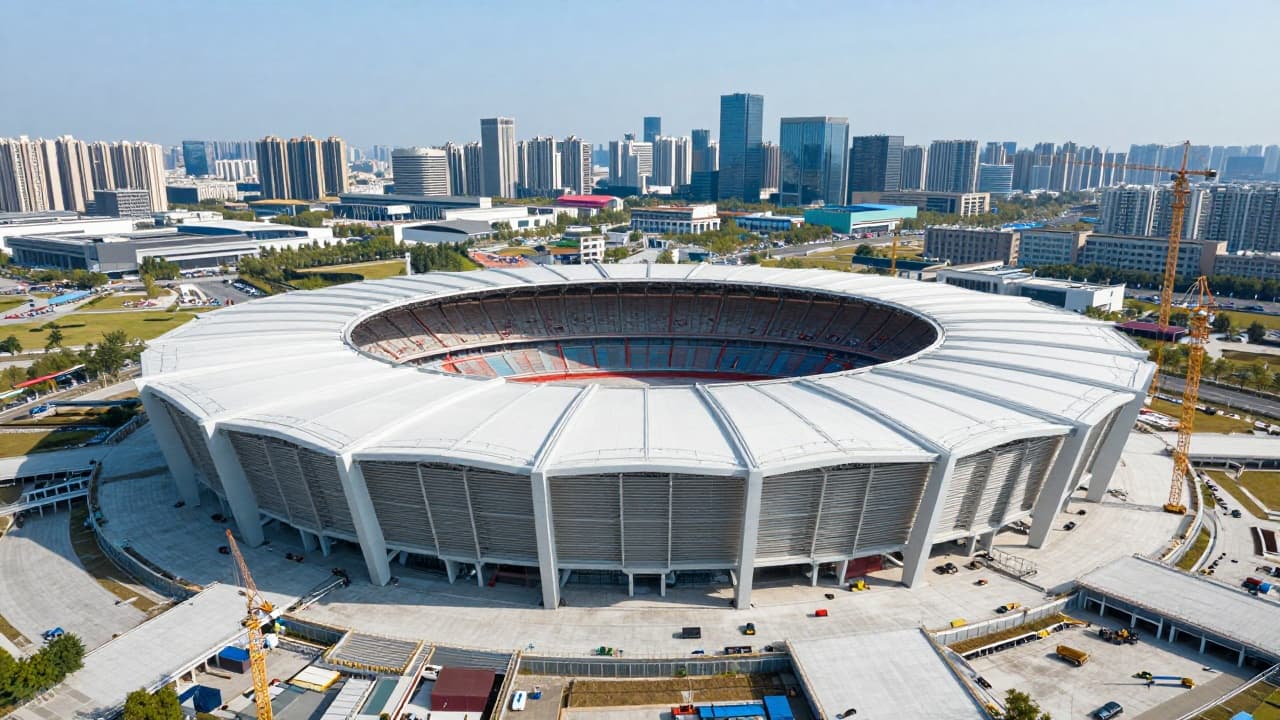
The new stadium will be built in north-east Rome, approximately 10 miles from the Stadio Olimpico, which Roma shares with their city rivals Lazio. The project provides for a capacity of 60,605 spectators, with particular emphasis on the large Curva Sud, which has around 23,000 seats. The total investment is estimated at €1.047 billion, of which €696 million is allocated for the construction of the stadium itself, while the remainder relates to the landscaping of the surrounding area, transport infrastructure, public spaces and other related works.
Rome’s mayor, Roberto Gualtieri, said that work would begin in March 2027, with the stadium expected to open to fans in 2029, earlier than originally planned. The stadium is expected to be one of the venues for Euro 2032, hosted by Italy and Turkey.
The club stated that this decision was a key step on the path to the construction of the new stadium. “This success is the reward for the years of work, dedication and cooperation that the Friedkin family has carried out with determination, vision and continuity, in the belief that the future of AS Roma must be built on solid and ambitious projects,” the statement read. The club thanked the City of Rome, the UEFA Euro 2032 commissioner, the Lazio region, the Ministry of Sport and Youth, and all the public bodies and experts involved in the process, and made special thanks to the fans, who, it said, had waited for the project with great passion and trust.
“Now a new phase begins with the aim of AS Roma and the city receiving a modern, sustainable stadium. The project is not designed solely as a new home for the club and its fans, but as a contribution to the regeneration and development of the surrounding area and as a lasting benefit for the whole city and community,” the statement said.
Roma have been seeking to build their own stadium for more than a decade, well before the Friedkin group took ownership. The project has faced delays for years, largely due to difficulties in finding a site suitable for the arena with good transport links.
Meanwhile, Roma are currently at the top of the Serie A table, level with Inter and their city rivals Lazio, and this season they are playing in the Champions League for the first time in seven years.