Dr sc. Andrea Gelemanović is a senior assistant at the Mediterranean Institute of Life Sciences (MedILS) at the University of Split, where she leads several scientific research projects. By training, she is a molecular biologist, working in bioinformatics – a combination of biology, medicine, programming and statistics.
Her research focuses on understanding the impact of genetics and the environment on health, the development of chronic diseases and the possibilities for their prevention. Central to her work is the question of how genetic, molecular and environmental factors affect health and the immune system, with the aim of preventing chronic diseases as early as possible. She investigates, among other things, genetic predisposition to diseases, the influence of genetics and the environment, and the role of chronic inflammation. The ultimate goal is to find early 'warning signals' that would allow a disease to be recognised before it develops, bringing us closer to medicine increasingly focused on prevention and personalised treatment.
Gelemanović is involved in the large European project 'InnoThyroGen', worth around five million euros, which is funded through the 'Horizon Europe' programme. This project deals with personalised medicine and thyroid diseases, and is coordinated by the Faculty of Medicine in Split, where she is engaged within the project. The aim is to investigate why some people develop thyroid diseases and how, based on their genomic profile, more effective and personalised treatment can be developed. In the project, she leads one of the research work packages, focused on long-term sustainability and the application of results in practice, which includes the development of machine-learning-based tools and the creation of models that could turn scientific results into concrete solutions for patients and the healthcare system.
She particularly highlights that she is coordinating the first European COST action at the University of Split, which she considers a great success for both the University and Croatian science. The COST action 'INFLAMomx' has so far gathered more than 350 scientists from more than 40 countries. The theme is 'inflammaging' – chronic, mild inflammation that naturally increases with ageing and can contribute to the development of various chronic diseases. We can partially influence this process through healthy lifestyle habits, such as regular physical activity, quality sleep, a balanced diet and stress reduction.
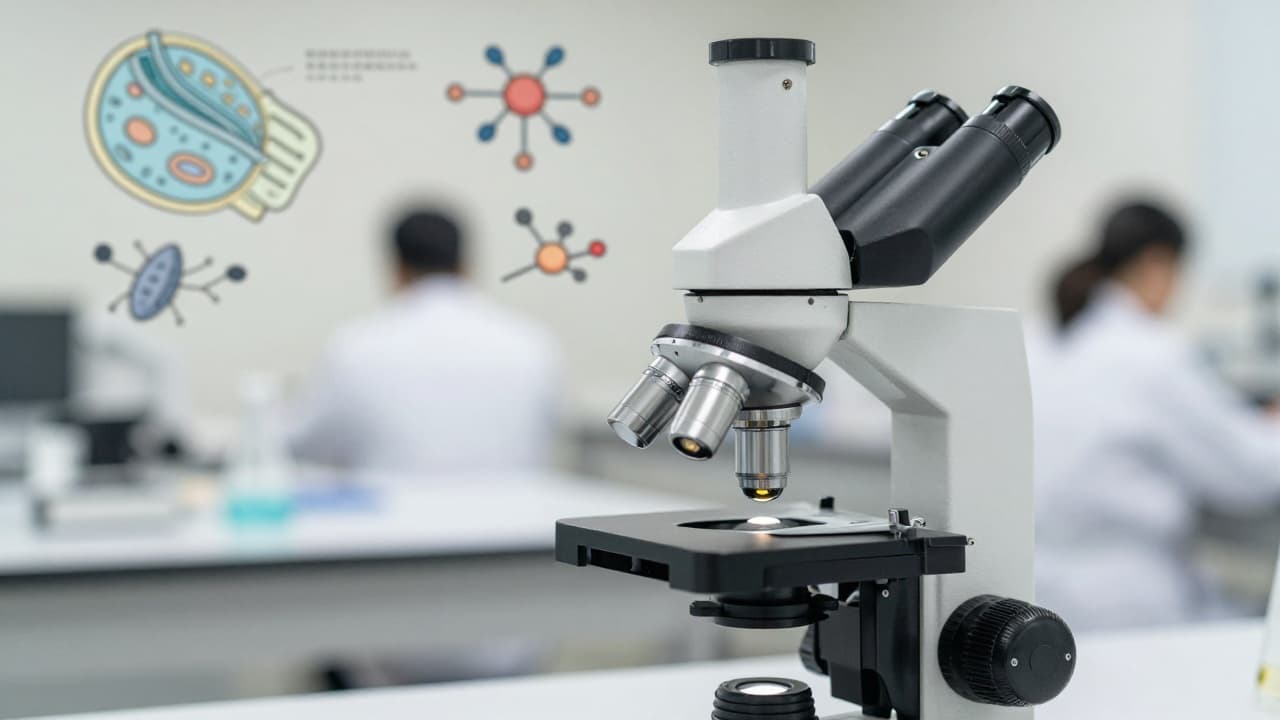
In addition to her research work, Gelemanović teaches on the master's programme in molecular biology at the Split Faculty of Science. During her doctorate, with the great support of her mentor Prof. Dr sc. Ozren Polašek, she further oriented herself towards bioinformatics. She describes a bioinformatician as a sort of 'data detective' in the world of biology and medicine, because modern science generates huge amounts of data on genes, proteins and other molecules, and bioinformatics, using programming, algorithms and statistics, enables useful information to be extracted from them. Her work, she says, is based on connecting genetics, computational biology and medicine to better understand why diseases occur and how to get ahead of them.
The path to science was not pre-determined. During her schooling, she was interested in various things, and alongside the natural sciences, she attended music school from a young age, played the piano, sang in a choir, did classical ballet and read a lot. At one point, she dreamed of becoming a crime fiction writer, but it was two biology teachers who most strongly directed her towards the subject, awakening a great love for the field in her. The decision to enrol in molecular biology at the Faculty of Science in Zagreb came quite spontaneously.
A major turning point occurred in her final year of studies, when she entered the FameLab scientific communication competition. Winning the national competition took her to the international final in Cheltenham, where she met so many young scientists from all over the world for the first time. This was followed by an Erasmus exchange in Vienna, and then her arrival in Split.