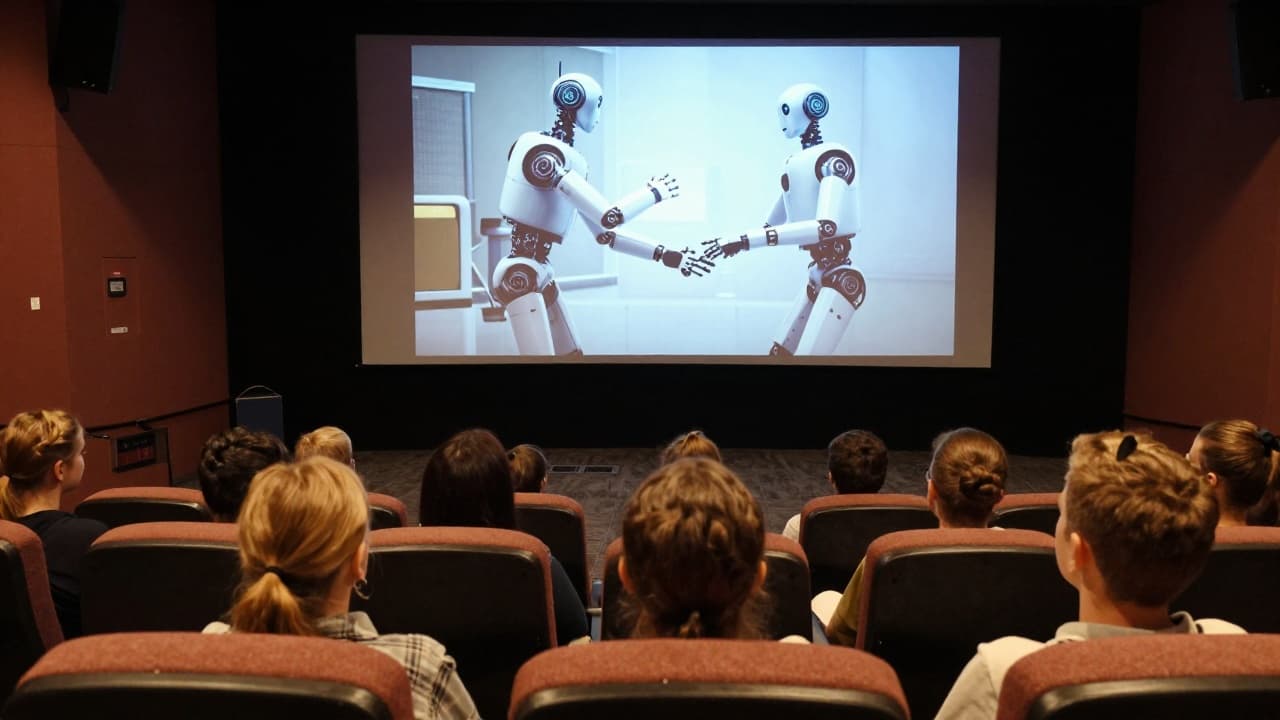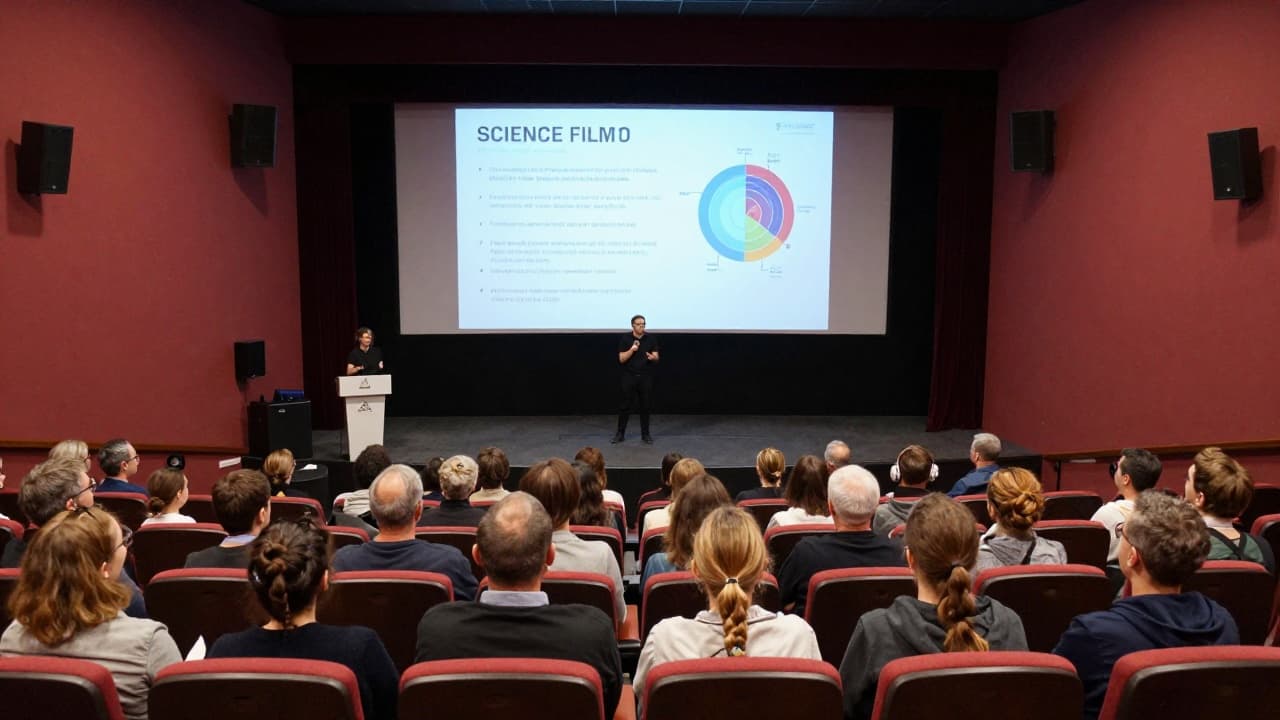
The Science Film Festival was officially opened in Rovinj and will run until 15 November across ten Istrian towns. For the second consecutive year, the festival is organised by the Rovinj-based Technical Culture Association 'Galileo Galilei', in cooperation with the Goethe-Institut in Zagreb, under the patronage of the Istria County and the City of Rovinj.
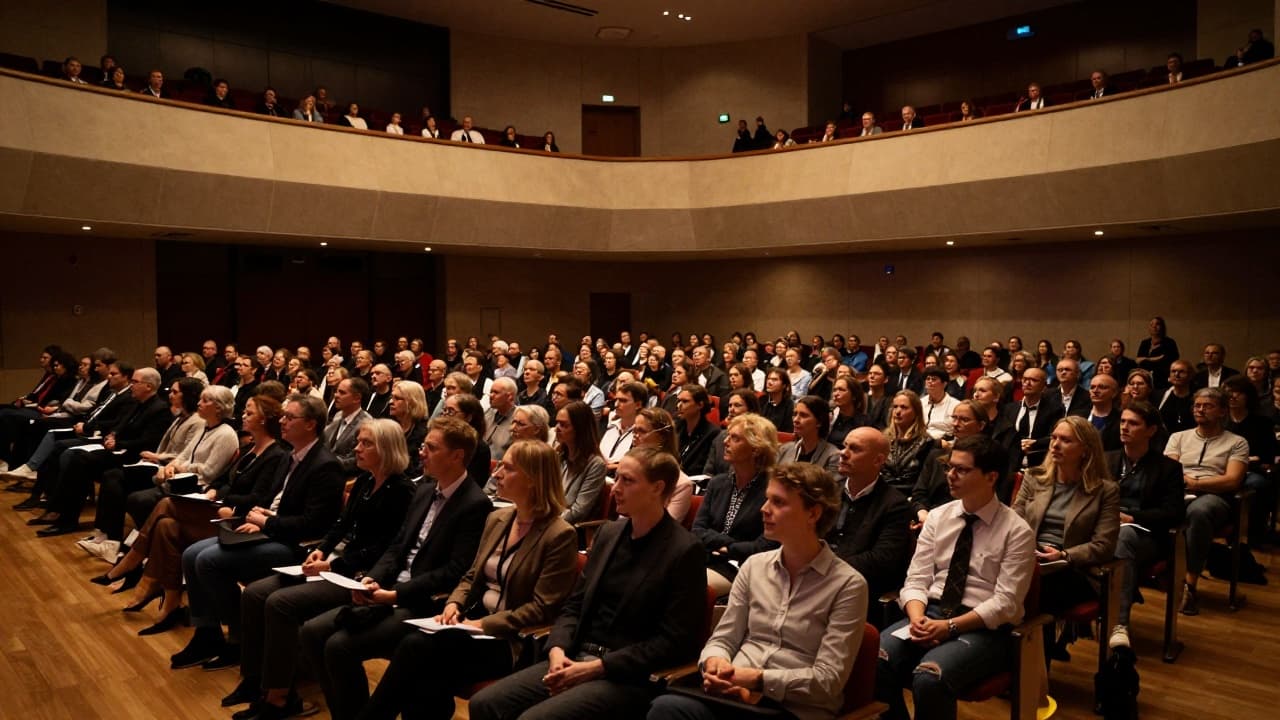
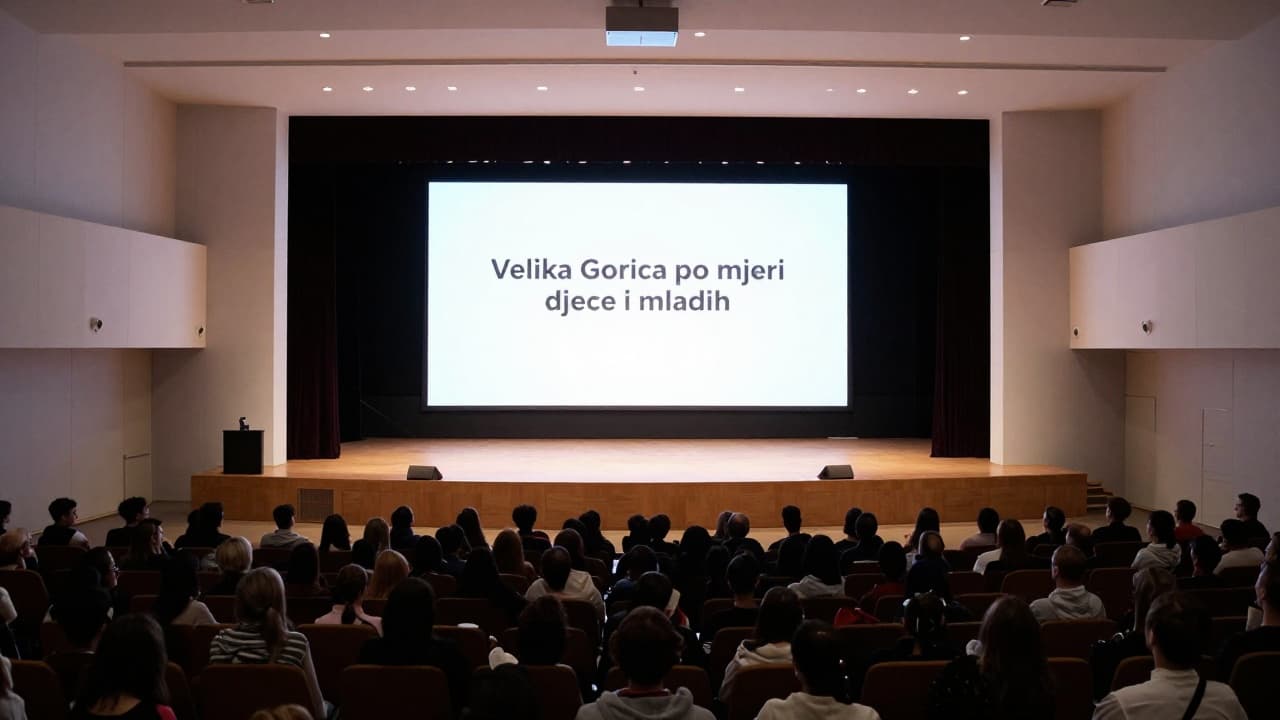
At the opening, Dino Sošić, Deputy Mayor of Rovinj, addressed the audience at the Gandusio cinema in Rovinj, stating that the festival promotes science and technical culture knowledge. Tea Batel, Head of the Administrative Department for the Italian National Autochthonous Community, National Minorities and Youth of the Istria County, and President of the Rovinj City Council, said the festival is in step with the technology in which we live and encourages curiosity to learn something new. She highlighted that the Istria County finances the Galileo Galilei Association, which this year received the State Award for Technical Culture, Faust Vrančić.
Gordan Sinđić, President of the Galileo Galilei Association and festival director, stated that artificial intelligence does not think and lacks the curiosity that humans possess. He added that this year's festival, through 20 documentary and science films, explores how artificial intelligence is changing the world around us, and suggested to the attendees that they try out the festival's digital housekeeper, Luna, who responds by voice.
The festival's guest is physicist Boris Debić, who spent 24 years in Silicon Valley, including 15 years at Google, where he worked on infrastructure development, data centres, release engineering, machine learning and decision-making with the help of artificial intelligence. Upon returning to Croatia, he began teaching about artificial intelligence at the Zagreb School of Economics and Management (ZSEM), where he designs courses and trains a younger generation to continue with the lectures, and is also the director of the ZSEM AI:X:Lab.
Debić stated that, from an economic perspective, artificial intelligence is a new revolution. He compared that the industrial revolution raised the world's gross domestic product by 0.3 per cent in 100 years, the digital revolution by 0.6 per cent in 30 years, and that the impact of AI will raise GDP by 1.2 per cent in 10 years. He said that at Google, they had been dealing with artificial intelligence as early as 2000, as well as at Epiphany, where he was first employed when he left Croatia, and that the changes will be drastic.
He mentioned estimates that artificial intelligence will bring very large economic value in the next 10 years, literally twice as much as the digital revolution brought in the last 30 years, citing models prepared for the UN by the consultancy firm McKinsey in a study covering the period from 2020 to 2030. He reminded the audience that 50 years ago, five workers worked for one retiree, whereas today it is 1.4 workers, and said that we now have three unicorns, companies with a capitalisation of more than one billion dollars, and predicted that we will have 10 unicorns in a few years. He added that Italy, which is significantly larger than us, does not have a single tech giant.
After Debić's lecture, the German documentary film 'My Husband Continues to Live as AI' was screened, which follows journalist Frank Seibert as he explores how this technology can transform grief, love and human relationships. In a conversation with the audience, Debić said that the human brain is actually organised atoms, i.e. a physical thing, and that there is no philosophical barrier to reaching artificial intelligence because physicality can be solved with the help of sensors. He said that we are not even close to a solution on how hormones work, that AI reads everything but understands nothing and therefore must always be checked, and explained that there are three types of artificial intelligence: narrow, general which is equivalent to a human, and artificial superintelligence which surpasses humans.
In Rovinj, the festival programme lasts until 7 November, and screenings are held at the Gandusio theatre. The films are primarily intended for primary and secondary school pupils, for whom morning screenings are organised, while evening screenings are open to all interested citizens.