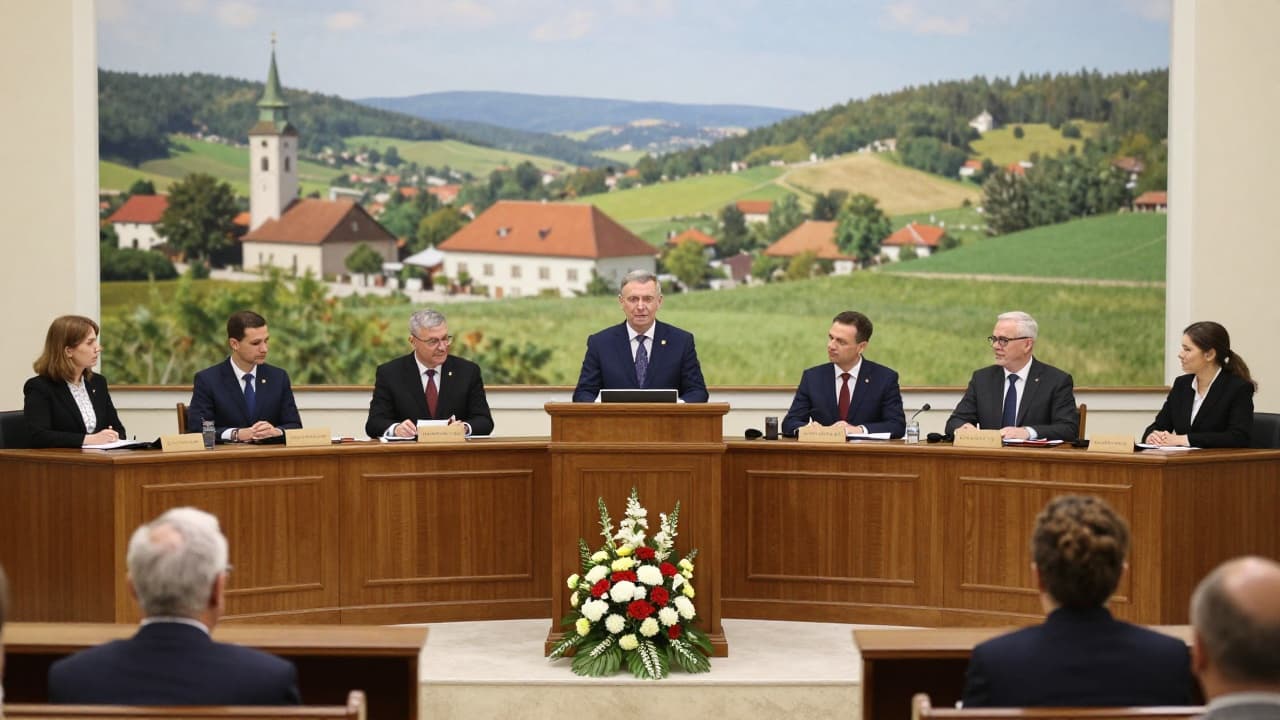
The initiative titled 'Adriatic-Ionian Railway Corridor: Connectivity as the Foundation for Development and Resilience' was signed on Friday. It was signed by the Member of the European Parliament and member of the Committee on Transport and Tourism, Nikolina Brnjac, the Zagreb County Prefect Josip Bilaver, county prefects, and representatives of the coastal counties, along with the State Secretary in the Ministry of the Sea, Transport and Infrastructure, Žarko Tušek. The initiative was launched by Nikolina Brnjac together with the Zagreb County Prefect Josip Bilaver.
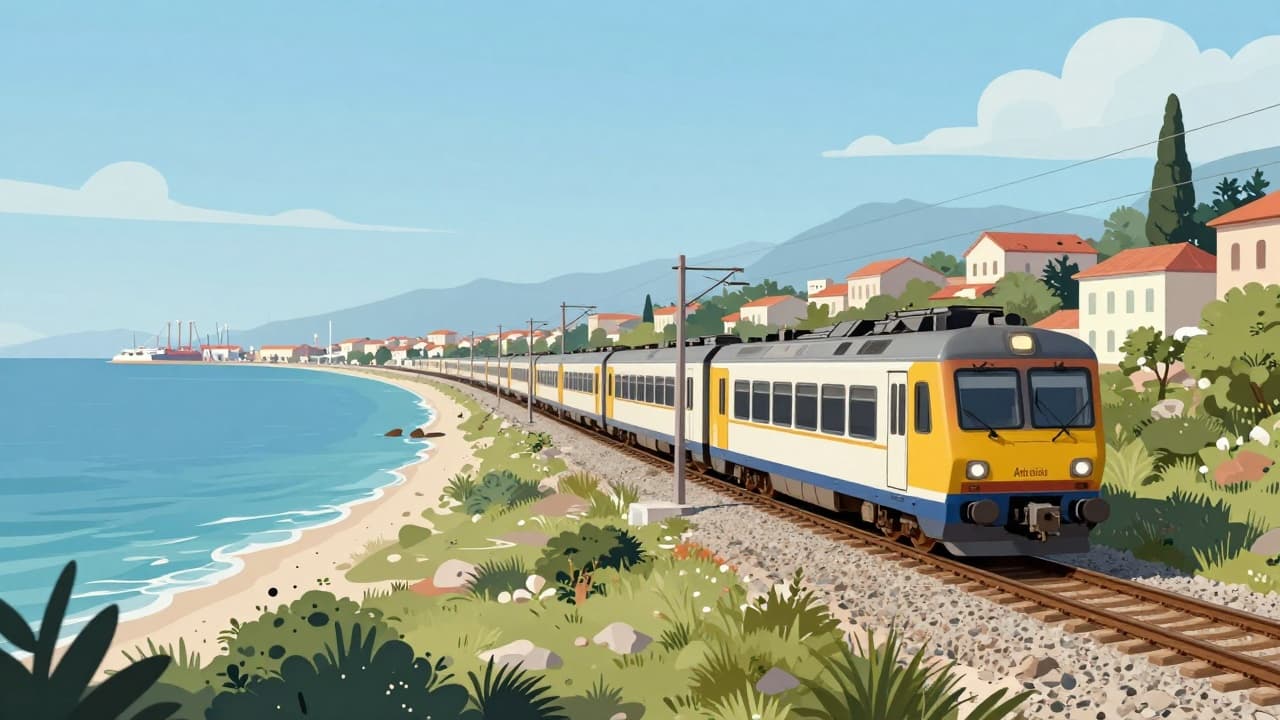
The objective of the initiative is to better connect Croatia with neighbouring countries and the rest of the Adriatic-Ionian region, and to stimulate joint investment in transport infrastructure. Brnjac stated that the Adriatic-Ionian railway connects Italy, Slovenia, and Croatia with Bosnia and Herzegovina, Montenegro, Albania, and Greece. She highlighted that this is an important corridor linking the south-east of Europe with the north-west, and that she has been working on this initiative since entering the European Parliament.
The new corridor would connect Trieste, Koper, Rijeka, Zadar, Šibenik, Split, Ploče, Bar, and Drač, along with Greek hubs on the Adriatic-Ionian route. Brnjac stated that it is important to connect Ploče, the Port of Ploče, with the ports of Split, Zadar, and Rijeka by rail. In her view, this would for the first time enable rail connectivity and funding for the counties of Istria, Kvarner, and Dalmacia with the rest of Croatia, as well as with the European network. She added that recent events in Ukraine have shown the importance of new and secure transport routes. The initiative will also impact the reconstruction of existing railway corridors, as well as the construction of new lines.
The next step is a meeting with stakeholders from the governments of the countries through which the corridor will pass. Brnjac believes that without this rail network, there is no possibility of strengthening Croatia's ports. Regarding timelines, it is only known that a large conference will be held in the European Parliament on the subject early next year. Brnjac stated that they have begun this initiative, working on the opening of the regulatory framework for the trans-European network. She highlighted that when the tender regulations are opened, the Adriatic-Ionian corridor will be included, and funding can be secured for further development. 81 billion euros in EU funds are available until the next financial framework, of which 35 billion are for transport, 30 for energy, and 17.5 for military mobility. The final conference is planned in Brussels, where the initiative will be presented to the European Commission's Commissioner for Sustainable Transport and Tourism, Apostolos Tzitzikostas, who, according to Brnjac, has recognised the importance of this initiative.
For the Prefect of the County of Zadar, Josip Bilaver, the establishment of the railway on the mentioned corridor is important for Croatia, but also for the rest of Europe. He emphasised that it is important for this to pass through Croatia, and that a quality rail network is created. He pointed out that it is important to properly handle matters concerning themselves, such as the preparation of spatial plans, strategic studies, and documentation. The Prefect of the Dubrovnik-Neretva County, Blaž Pezo, has previously stated that the county supports the initiative, and that the goal is for the south of Croatia to be well-connected by rail. He added that it is important that the needs of that area are clearly articulated, as it must be part of European transport plans.
The State Secretary in the Ministry of the Sea, Transport and Infrastructure, Žarko Tušek, stated that without modern rail, there is no strengthening of logistics capacity or position in the TNT network. He highlighted that what is being done today is a step forward in strengthening the TNT network. He pointed out that the integration of Istrian railways into the Croatian network is necessary.