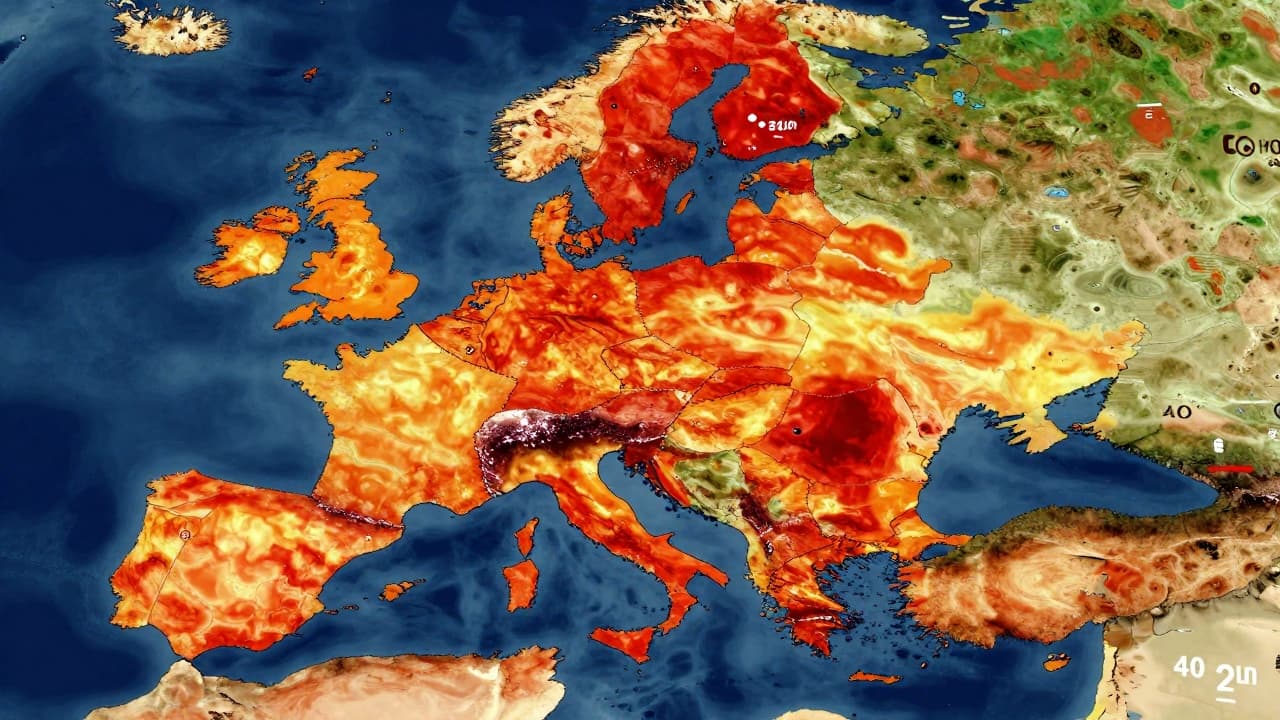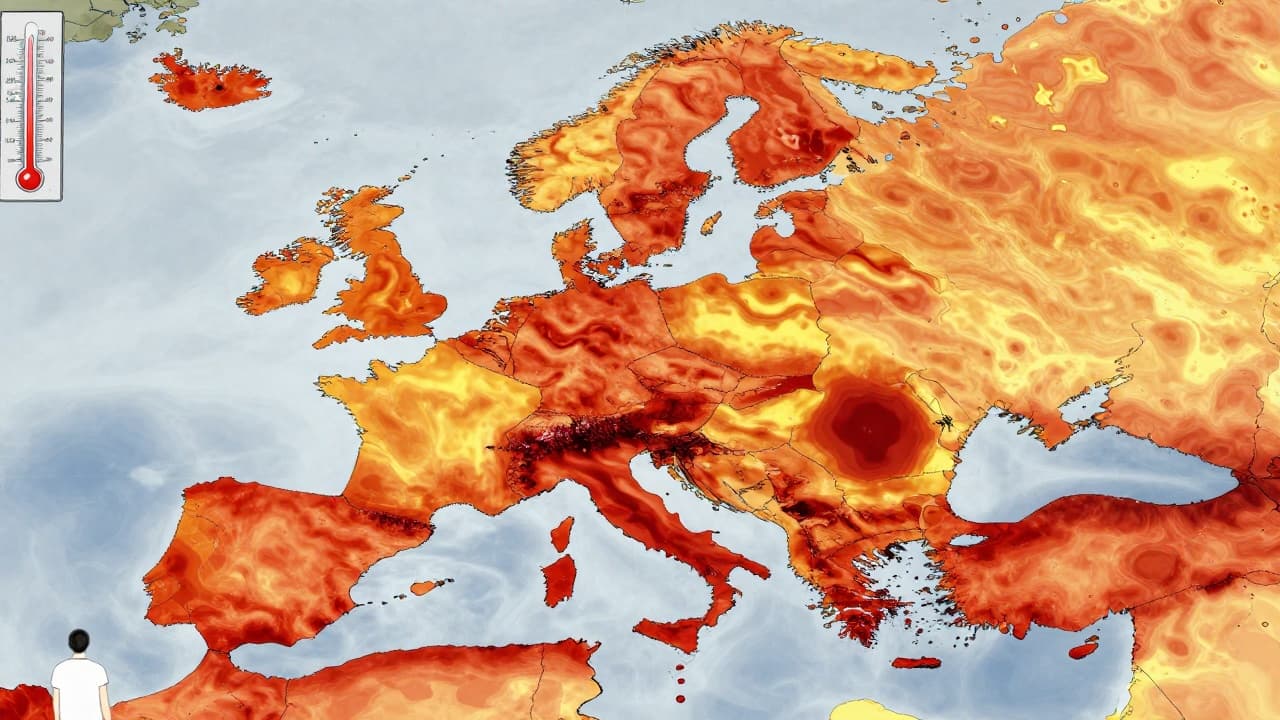
The annual United Nations climate change conference, COP31, is currently being held in Turkey, and the non-profit group Climate Action Tracker, which analyses climate policies, has revealed that the planet is still on track to warm by nearly five degrees Fahrenheit by 2100, or 2.78 degrees Celsius.
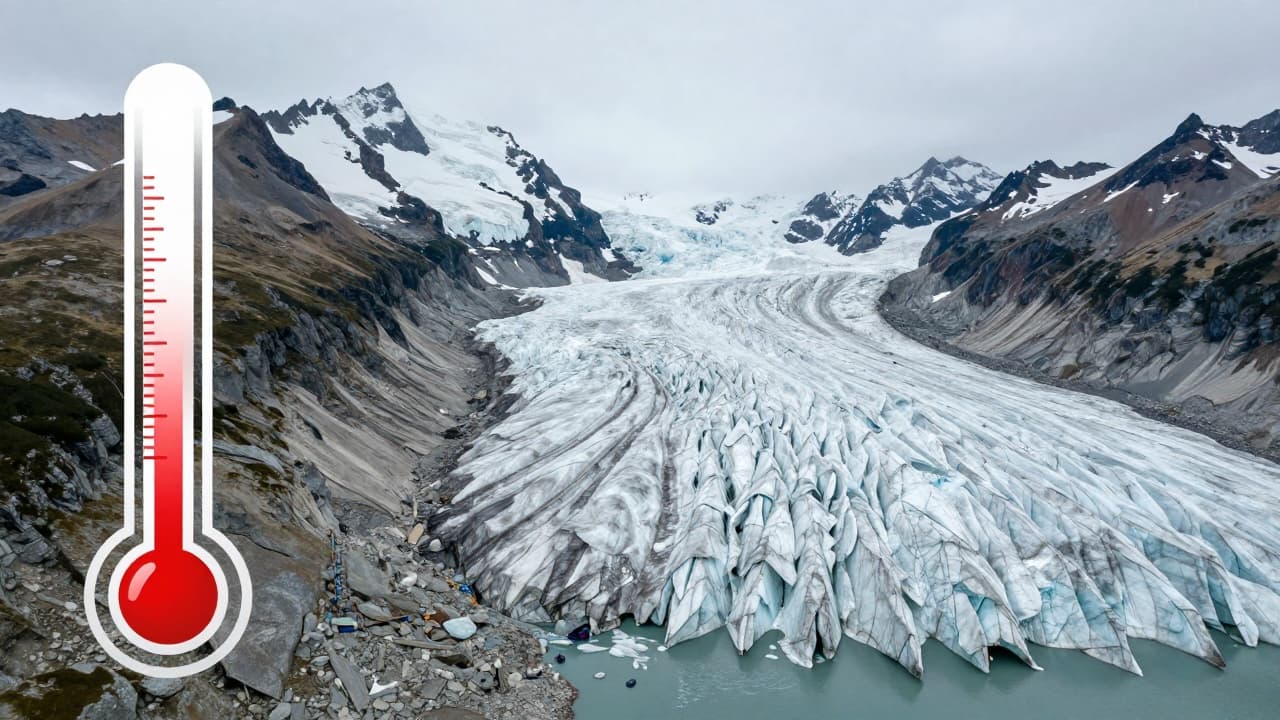
That temperature rise would destroy coral reefs, disrupt agriculture and forests, and melt most of the world's ice. In a separate bulletin, the European Union's climate change service Copernicus reported that global warming has significantly accelerated since the 2015 Paris Agreement on climate. When the Paris Agreement was adopted, it was predicted that the average global temperature would exceed the pact's long-term threshold of 1.54 degrees above the pre-industrial average around 2045. Now, according to Copernicus, warming is predicted to cross that reference value as early as 2029.
EU scientists wrote that this striking change suggests that global warming has accelerated in recent years and that it is clear that constantly rising concentrations of greenhouse gases emitted into the atmosphere by human activity remain the main driver of this trend. Current levels of warming have already caused deadly and destructive floods, wildfires and catastrophic glacier collapses, said Swedish activist Greta Thunberg, who is participating in the UN climate conferences of the parties for the first time since 2021.
"The climate crisis is a matter of life and death," Thunberg said, adding that the "actions of those in power here are completely divorced from reality." "While we speak, we are losing invaluable lives, ecosystems and species that we will never get back," she added.
Sarah Heck, a climate policy analyst at Climate Analytics, an international institute for climate science and policy, said that governments have failed to significantly improve the outlook for warming by the end of the century. "Our message is clear," Heck said, emphasising that "collective government action on climate change has stalled for the fifth year in a row." Efforts to accelerate the phase-out of fossil fuels have been offset by new oil and gas drilling projects and governments that are delaying, weakening or reversing their climate policies.
Even under the most optimistic scenario, assuming full implementation of existing policies and pledges, global temperatures would rise by more than two degrees above pre-industrial levels by 2100, which climatologists consider an extremely dangerous increase. Niklas Höhne, a researcher at the New Climate Institute, said that although progress has been made in the development of renewable energy sources, the brutal truth is that these positive shifts have not yet added up fast enough to reverse the curve.
Höhne added that the development of new oil and gas projects is somewhat like discovering that your food is burning and then turning up the stove instead of switching it off. He noted that the conference co-organisers, Turkey and Australia, have so far opposed including the word clean in relation to electrification goals. "It is very hard to understand, and the only explanation that comes to mind is their interest in fossil fuels," Höhne said. Australia is one of the world's largest coal exporters, while Turkey is a major coal consumer, whose energy sector still heavily relies on the fossil fuel that has the most harmful impact on the climate. No country has offered concrete plans for transitioning away from fossil fuels.
Bill Hare, executive director of Climate Analytics, criticised wealthy, developed countries for their lack of leadership in climate action. He noted that European Commission President Ursula von der Leyen did not mention anything about transitioning away from fossil fuels during her speech at COP31 this week. "Governments at this conference of the parties have a difficult choice," Hare said, warning that if they continue to support fossil fuels, they will condemn humanity and our ecosystems to insurmountable economic damage and irreversible loss.