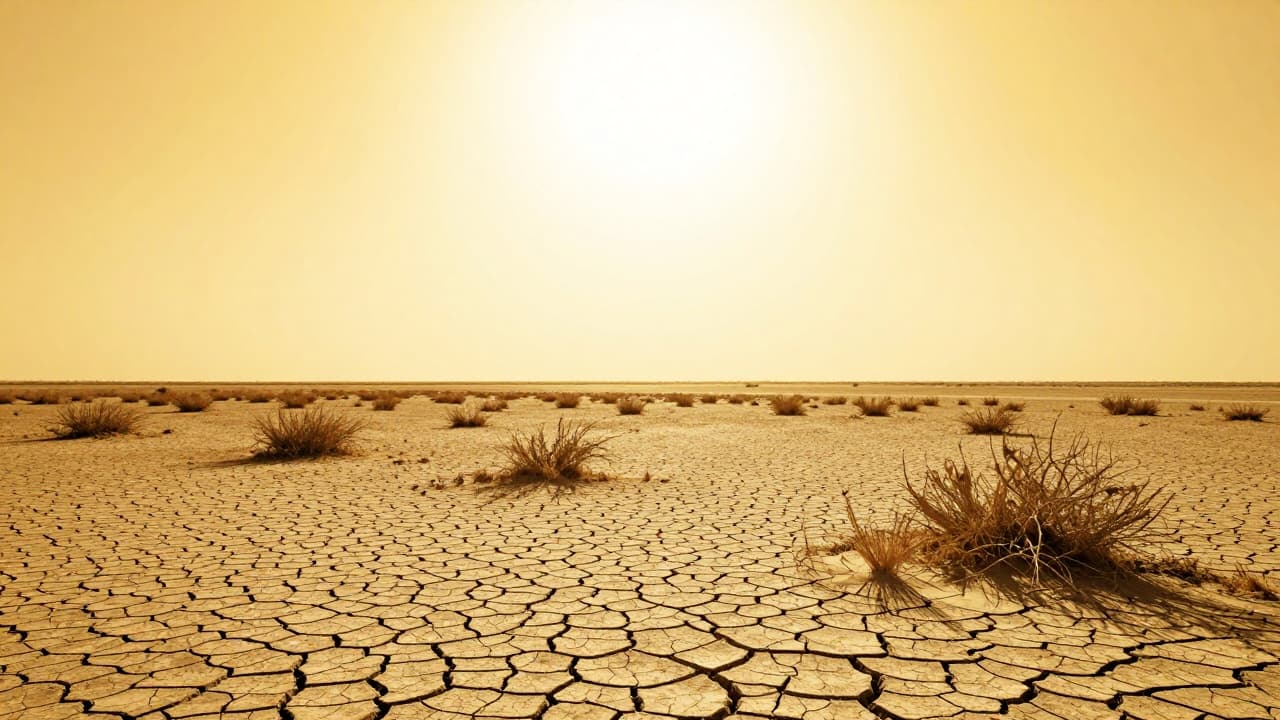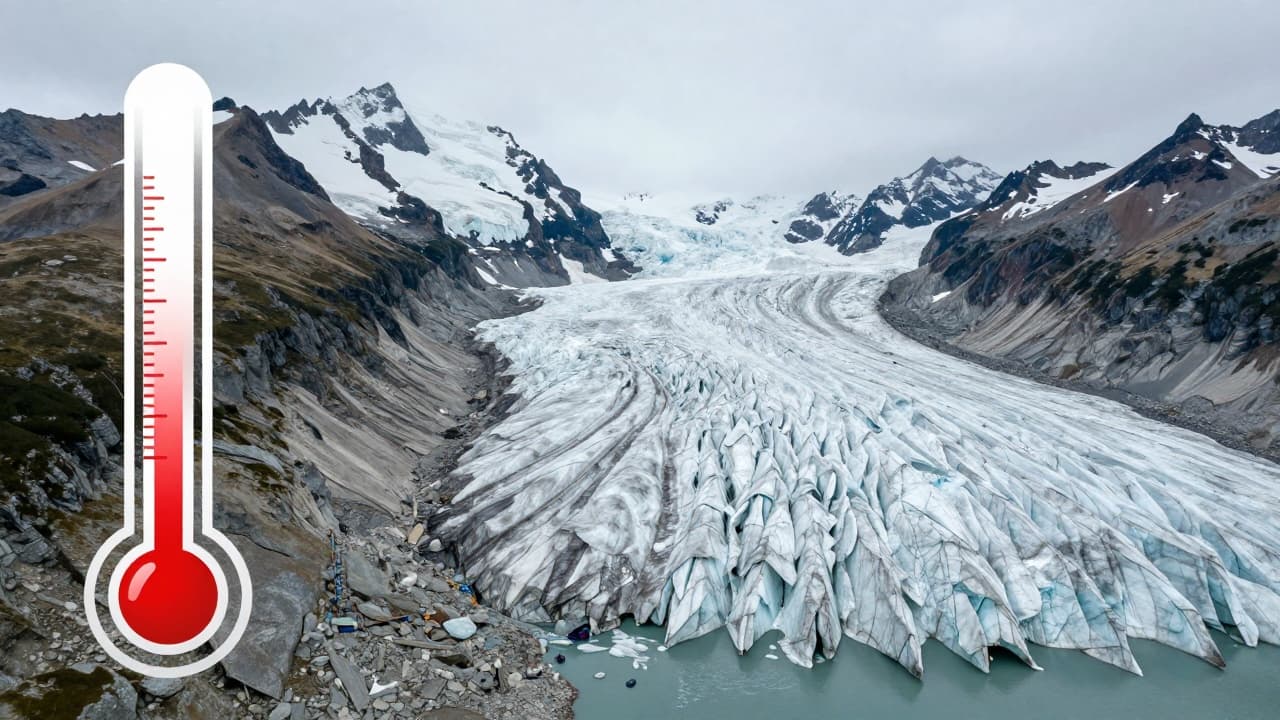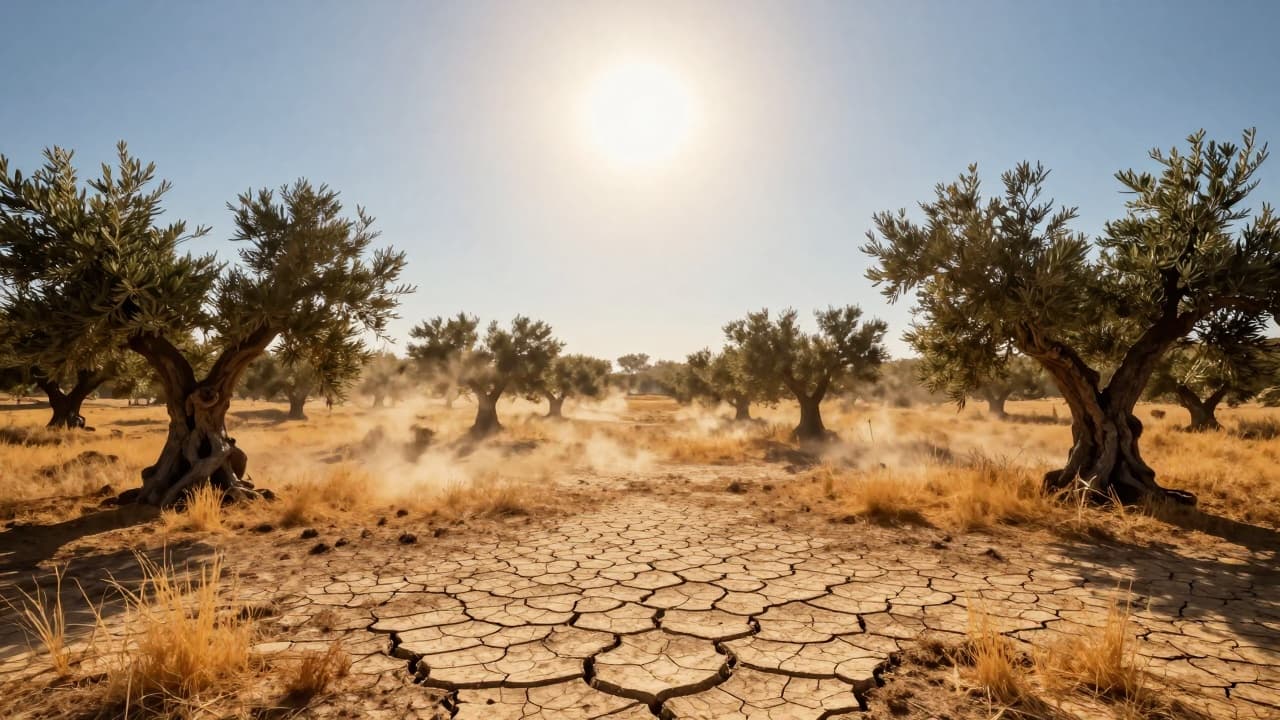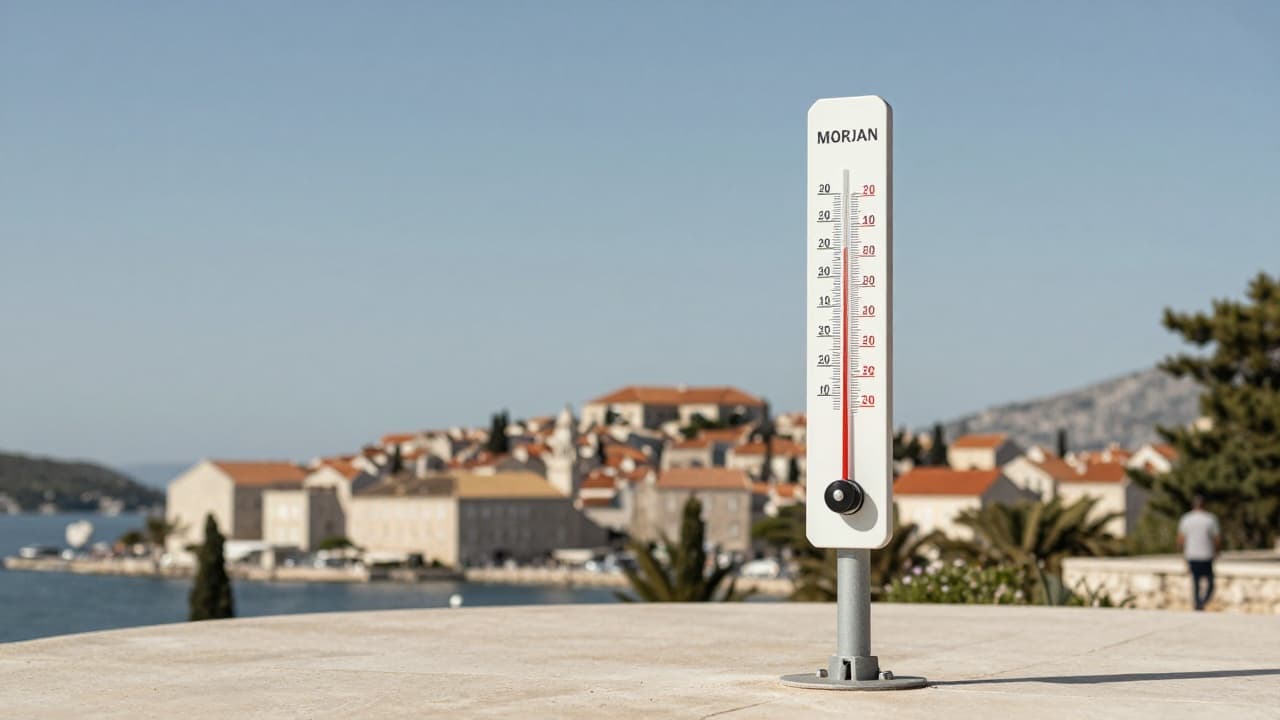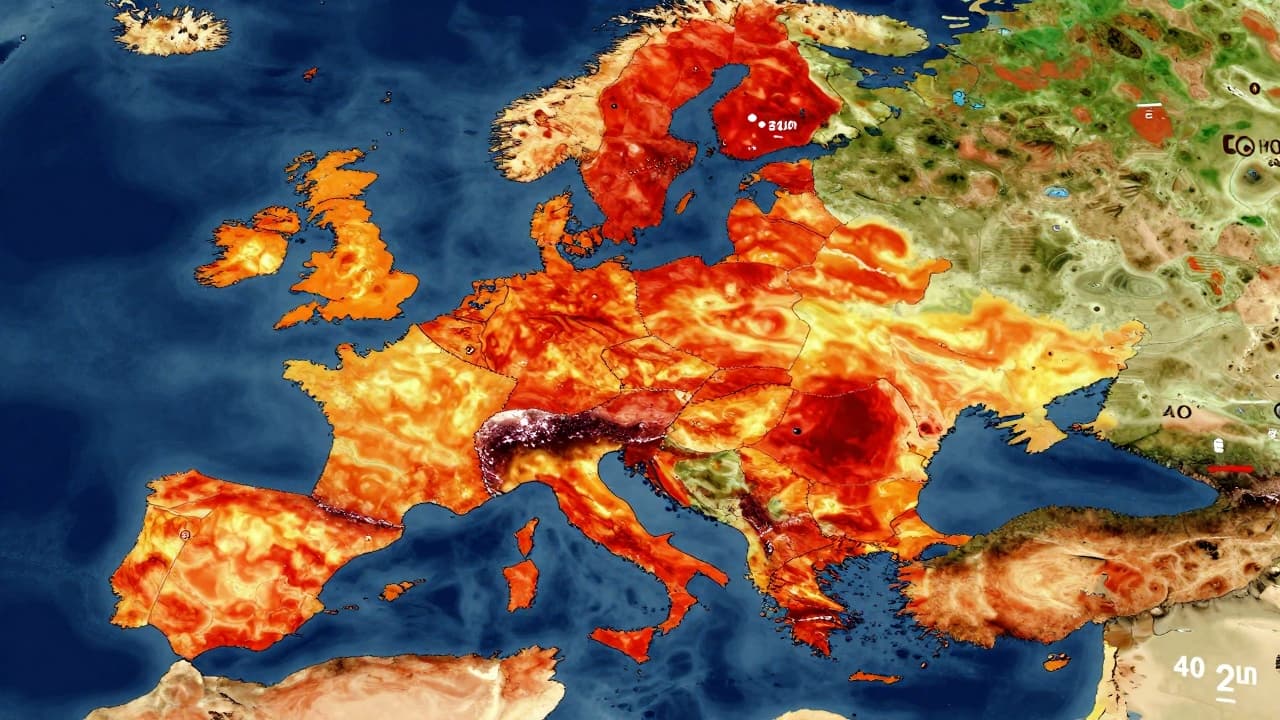
The threat posed by rising temperatures due to climate change to the health of older people is severely underestimated, scientists warn, with results published by researchers at Stanford University. The American team led a study published in The Lancet Planetary Health, which was triggered by the extremely hot summer and record-breaking temperatures worldwide.
The study aimed to estimate how often human-caused global warming would raise temperatures to levels that older people can no longer tolerate. Previous research in this field used a metric known as wet-bulb temperature, which takes into account both temperature and humidity to assess how much heat the human body can withstand. However, these studies were largely conducted on young, healthy adults, creating a gap in understanding the vulnerability of the elderly population.
Older people sweat less, have weaker hearts, and are more likely to have pre-existing health conditions, making them significantly more sensitive to heat stress. To assess this accurately, researchers used data from recent experiments conducted in the United States. These experiments examined how people over the age of 60 tolerate high temperatures and humidity, providing key data for modelling the impact of climate change on specific age groups.
The analysis took into account the ageing of the global population and assessed how heat up to 2100 would affect people in three different age groups. Different levels of global warming were considered, allowing for more precise predictions of future risks. The results suggest that the frequency of days when temperatures become intolerable for older people will rise dramatically, requiring urgent adjustments in public health strategies.