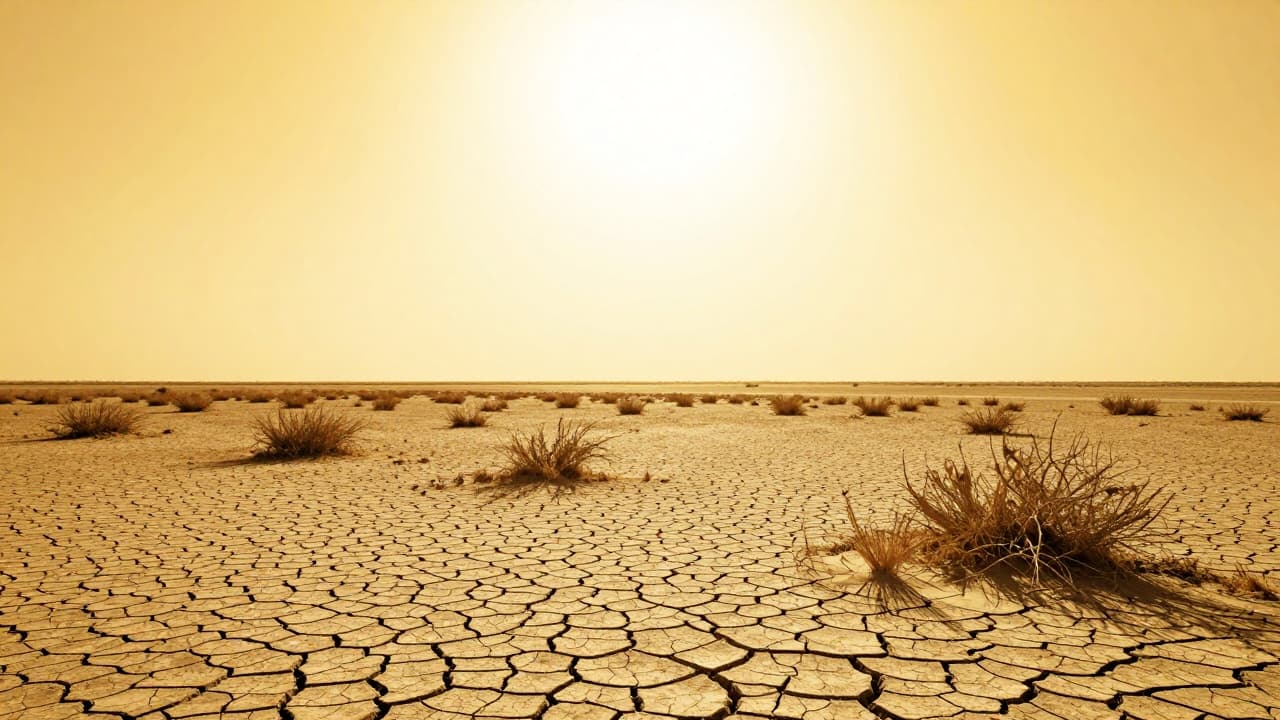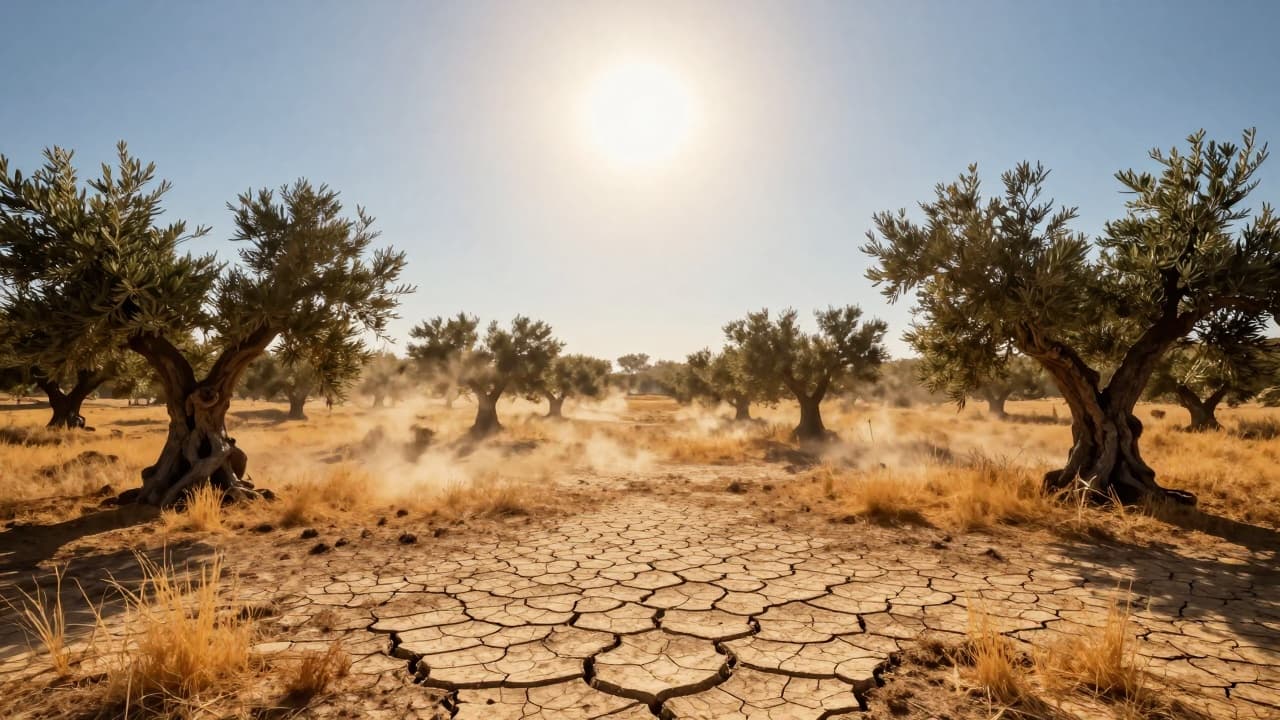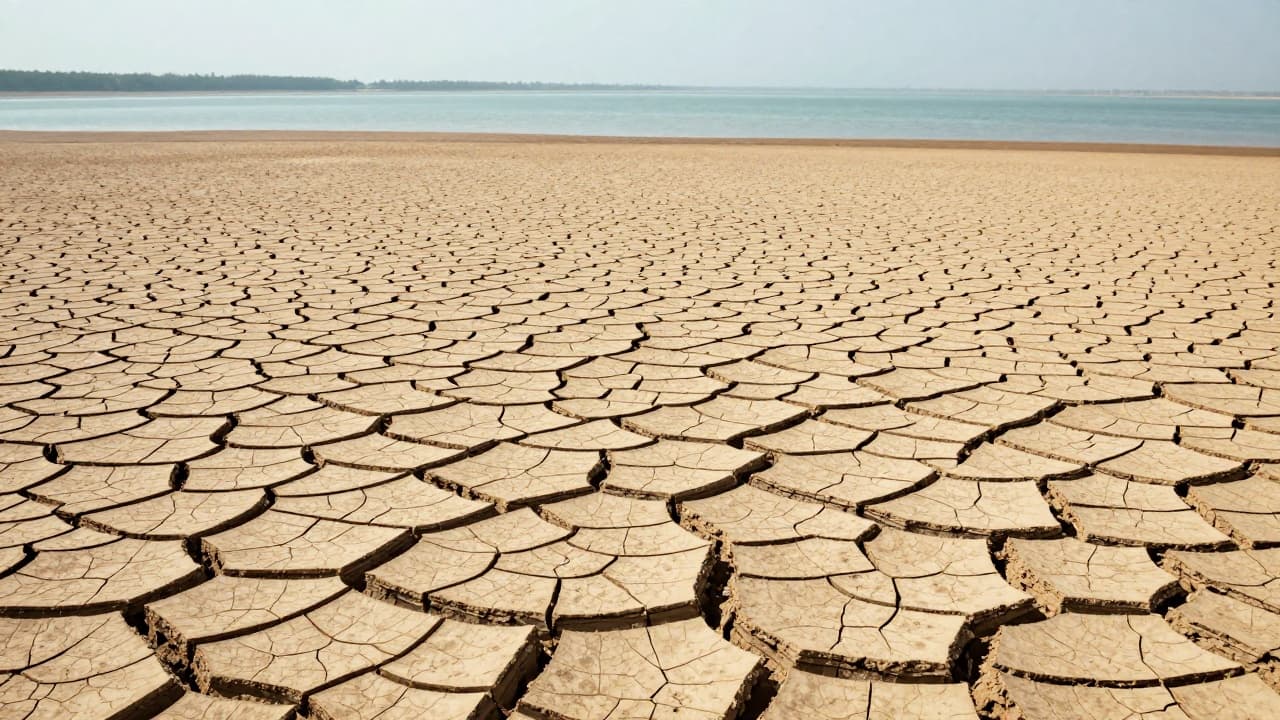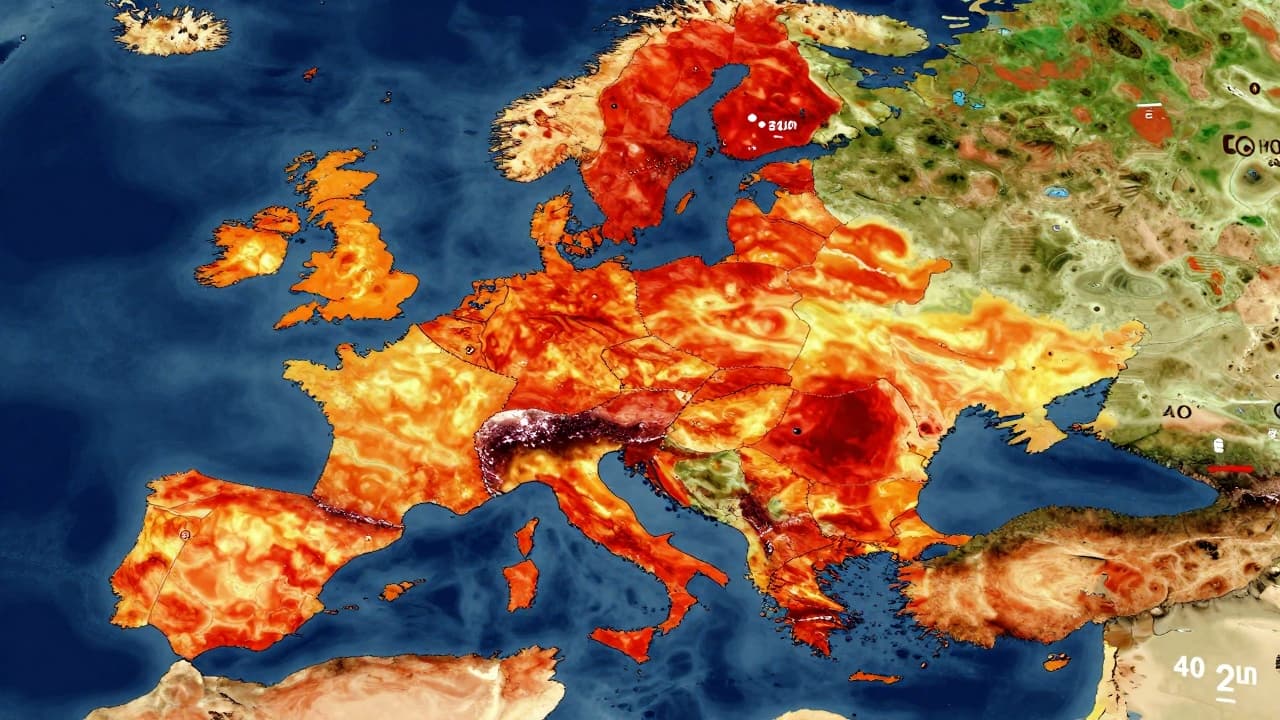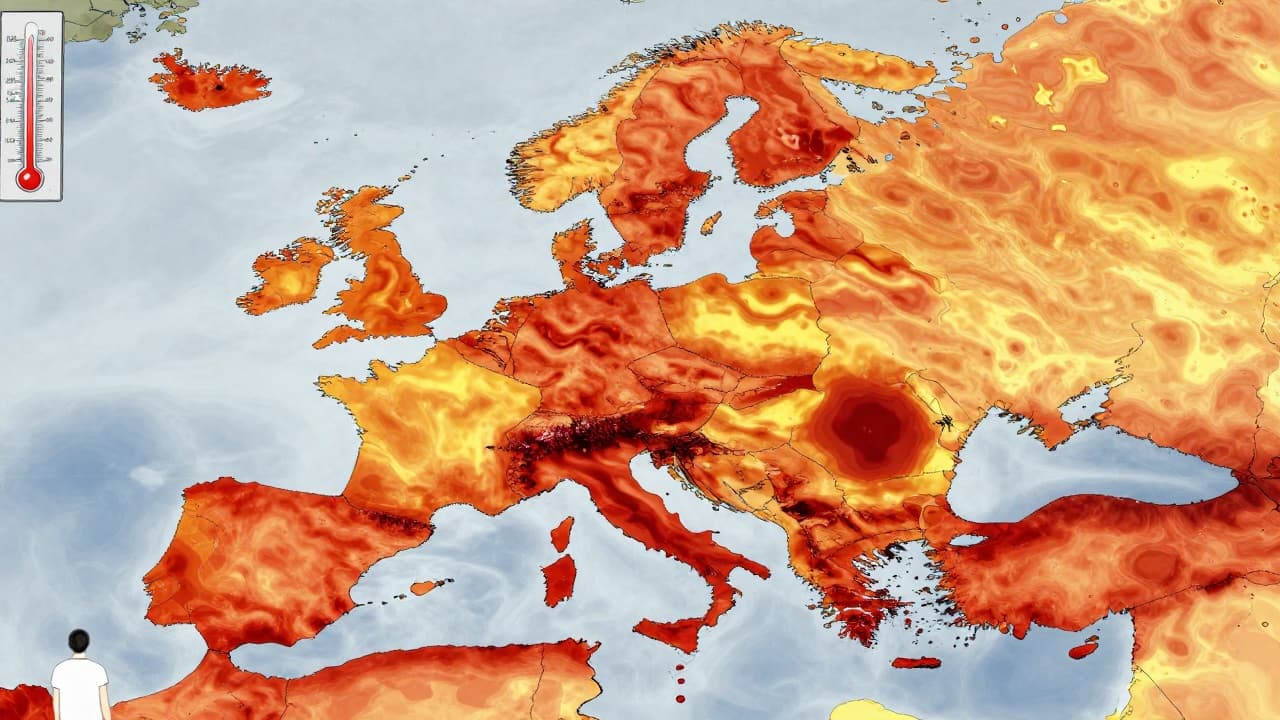

Climate change is leading to more pronounced, longer and more intense heatwaves, significantly altering recommendations regarding diet and fluid intake during the summer months. Doctor Leonardo Bressan highlights that modern scientific consensus introduces entirely new guidelines that were not the focus of professional discourse ten or twenty years ago.
Although basic rules such as the necessity of drinking sufficient water remain valid, the emphasis is increasingly shifting towards specific dietary adjustments to thermal stress. Extreme heat changes the way the body reacts to food intake, so it is necessary to revise common habits to reduce the risk of health complications.
Bressan explains why it is necessary to reduce the intake of heavy food during extreme temperatures. Such food burdens the digestive system, further stressing an organism that is already struggling with high temperatures. Instead of heavy meals, a lighter diet adapted to current weather conditions is recommended.
Special attention should be paid to chronic patients, on whom heatwaves can have an even more pronounced effect. The doctor stresses that this group of the population must be particularly careful and strictly adhere to adapted recommendations for fluid and food intake to avoid negative health consequences.
According to Bressan, dietary recommendations are changing significantly precisely under the influence of climate change and increasingly extreme heatwaves. Older advice is no longer sufficient, and new scientific knowledge requires a more active approach to protecting health during heat.