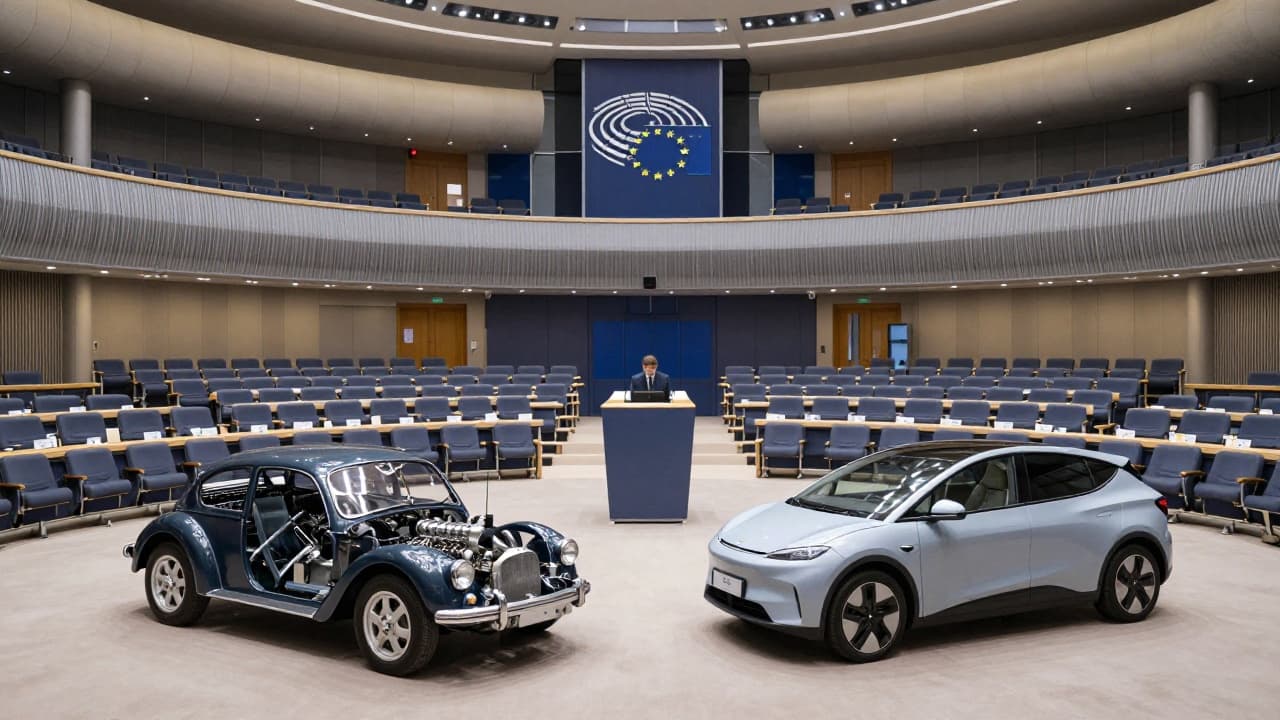
The main political groups in the European Parliament have agreed to soften the ban on conventional engines until 2035, opening the door for the continued sale of hybrid and petrol vehicles. Negotiators from the European People's Party (EPP), the Socialists and Democrats (S&D) and the Renew Europe group reached an agreement to dilute the European Union's plan to phase out the sale of new vehicles with internal combustion engines by 2035, according to a report on the provisional deal by the German weekly Der Spiegel.
Under the provisional agreement, car manufacturers will have to cut carbon dioxide emissions from new vehicles by 87.5% compared with 2021 levels. The deal departs from the legislative target of a complete emissions halt from 2023, but ensures the continued sale and registration of new vehicles with internal combustion engines and hybrid drivetrains across the European Union.
The European Commission had previously proposed, in December 2025, to lower the target to 90%, with the remaining emissions offset by the use of low-carbon steel, e-fuels or biofuels. The new parliamentary compromise formally retains the 95% emissions reduction obligation but introduces a mitigation mechanism under which the use of environmentally friendly green steel produced in the EU is recognised with an additional 7.5 percentage points. Green steel is produced with minimal greenhouse gas emissions using natural gas or green hydrogen.
By using green steel, the actual requirement for tailpipe emissions reduction is lowered to 87.5%, and the formula leaves a permanent 5% margin below the originally planned full ban. This secures a constant market share for new hybrid and conventional vehicles after 2035. Representatives of the centrist and left-wing factions in parliament accepted this concession to prevent a scenario in which a right-wing majority would completely reject the planned phase-out.
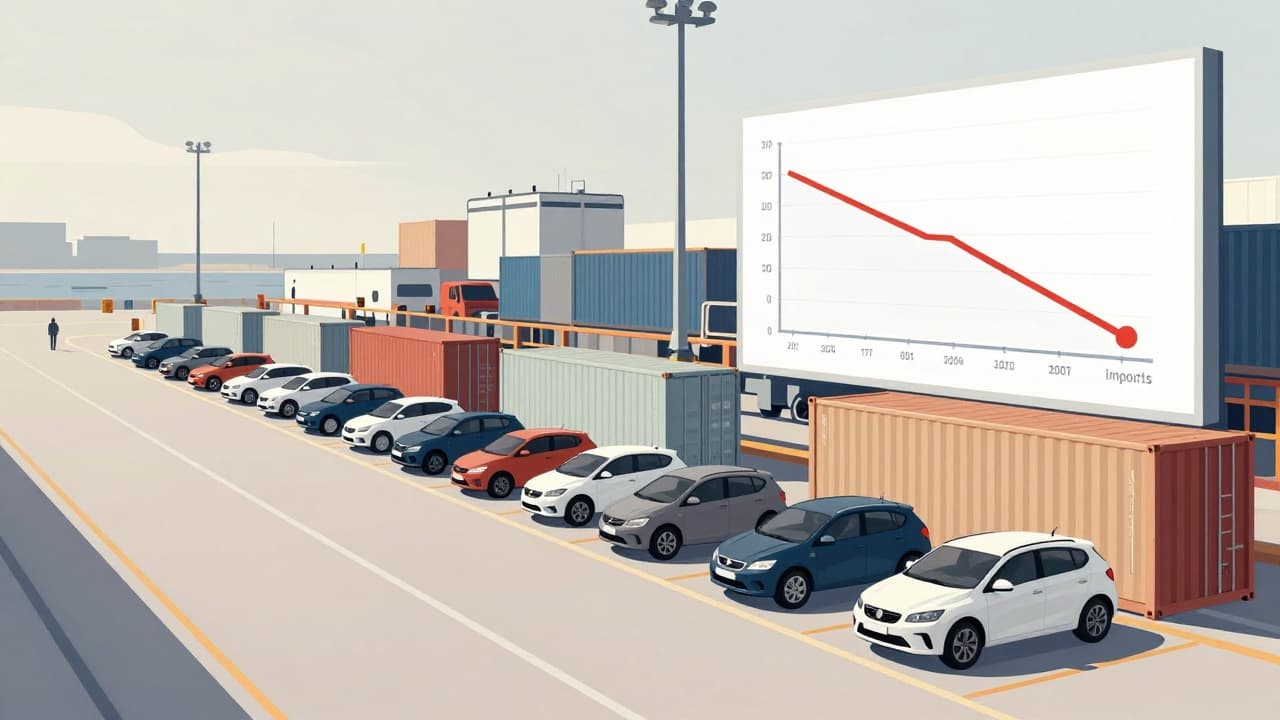
The agreement came four days after Berlin and Paris aligned their positions on reforming car standards to protect the competitiveness of European industry against growing imports of Chinese electric vehicles. The reached agreement must go through further procedure before it becomes part of European legislation. Political groups must formally accept the text within their delegations, followed by debate in parliamentary committees and a vote in plenary session. Once accepted by the European Parliament, the proposal enters trilogue negotiations with the Council of the European Union and the European Commission before the final regulation is adopted.