The Government of the Republic of Croatia held a telephone meeting at which a decision was made on the continuation of the regulation of fuel prices. This measure was taken in response to recent trends in world markets, where significant increases in the prices of oil and oil products were recorded. Without the adoption of these measures, the prices of petrol and diesel on the domestic market would have risen, placing a burden on consumers and the economy.
The key part of the new regulation is the reduction of taxes on fuel. The government decided to reduce the duty on petrol by 0.02 euros per litre. At the same time, a significant correction was made in the field of diesel fuel, with its duty reduced by 0.09 euros per litre. This step allowed the achievement of a lower price, but it is important to note that the reduction in duty on diesel required the specific approval of the European Commission. The European Commission allowed a temporary reduction in duties below the levels prescribed by the directives, which allowed the duty on diesel to fall below the prescribed minimum level, specifically by seven euro cents below that threshold.
In addition to changes in taxation, adjustments were made to the level of premiums. The premium for both main types of fuel, petrol and diesel, was reduced by 0.02 euros per litre. These measures, combined with an additional reduction, apply to a period of seven days, ensuring a temporary relief in the costs of transport and production.
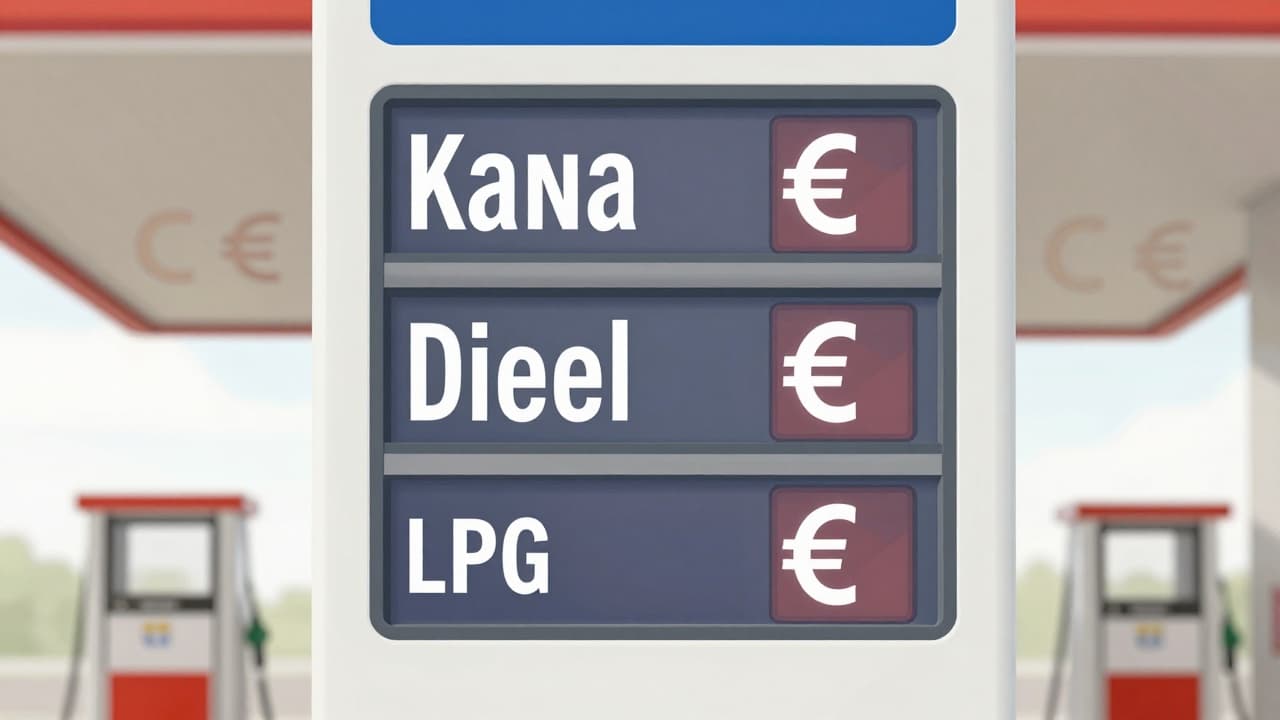
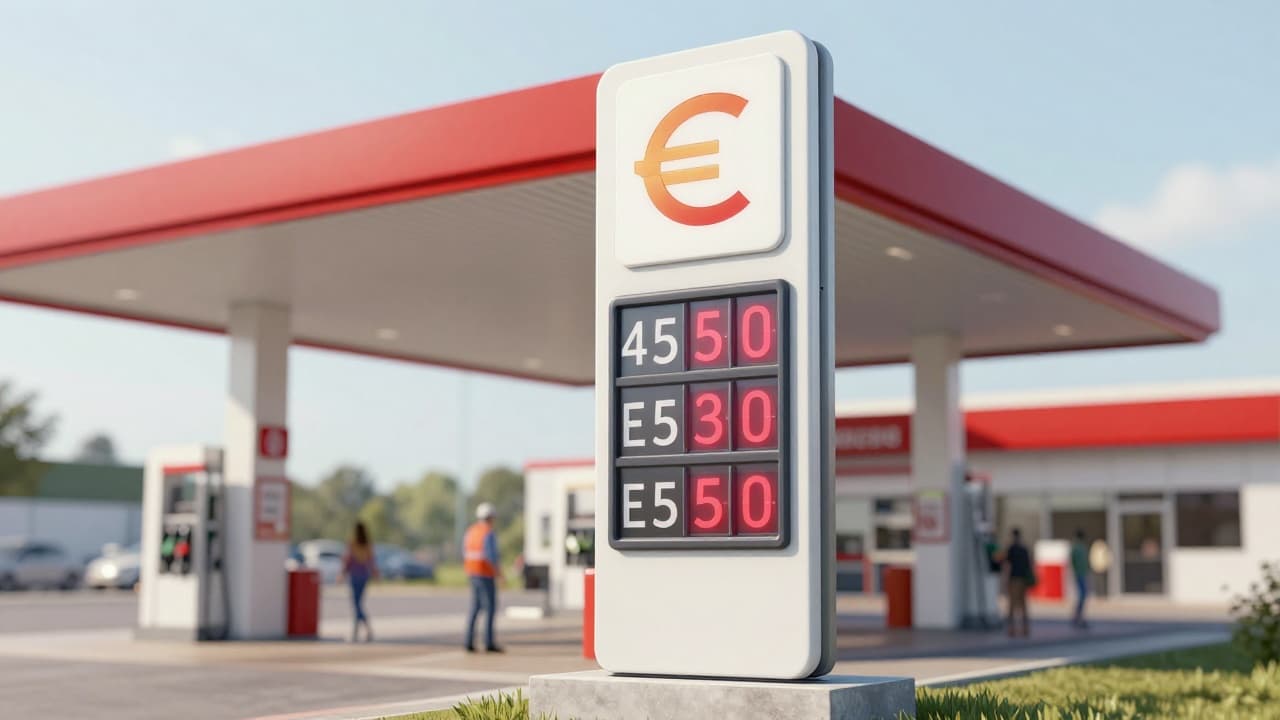
Due to the measures, the maximum permitted price of petrol at the pump is 1.67 euros per litre. Similarly, the price of diesel fuel is limited to 1.79 euros per litre. In addition to these basic derivatives, the prices of other products are regulated, with the highest price of gas (LPG) in tanks fixed at 1.33 euros per kilogram, while the price of gas in bottles is limited to 1.90 euros per kilogram.
All regulations adopted at today's meeting will enter into force on 8 September 2026. This date marks the beginning of the application of the new prices and conditions, with the aim of stabilising the market and protecting consumers from sudden price increases caused by volatility in world commodity markets. This approach allows the government to actively manage the cost of living for citizens and business, taking into account the current geopolitical and economic conditions at the global level.