Croatia recorded inflation rising to 4.1 per cent in August, a slight increase from July when the rate stood at 3.9 per cent. According to Deputy Prime Minister and Minister of Finance Tomislav Ćorić, these developments indicate that the Croatian economy is slowly aligning with European Union standards, yet challenges remain.
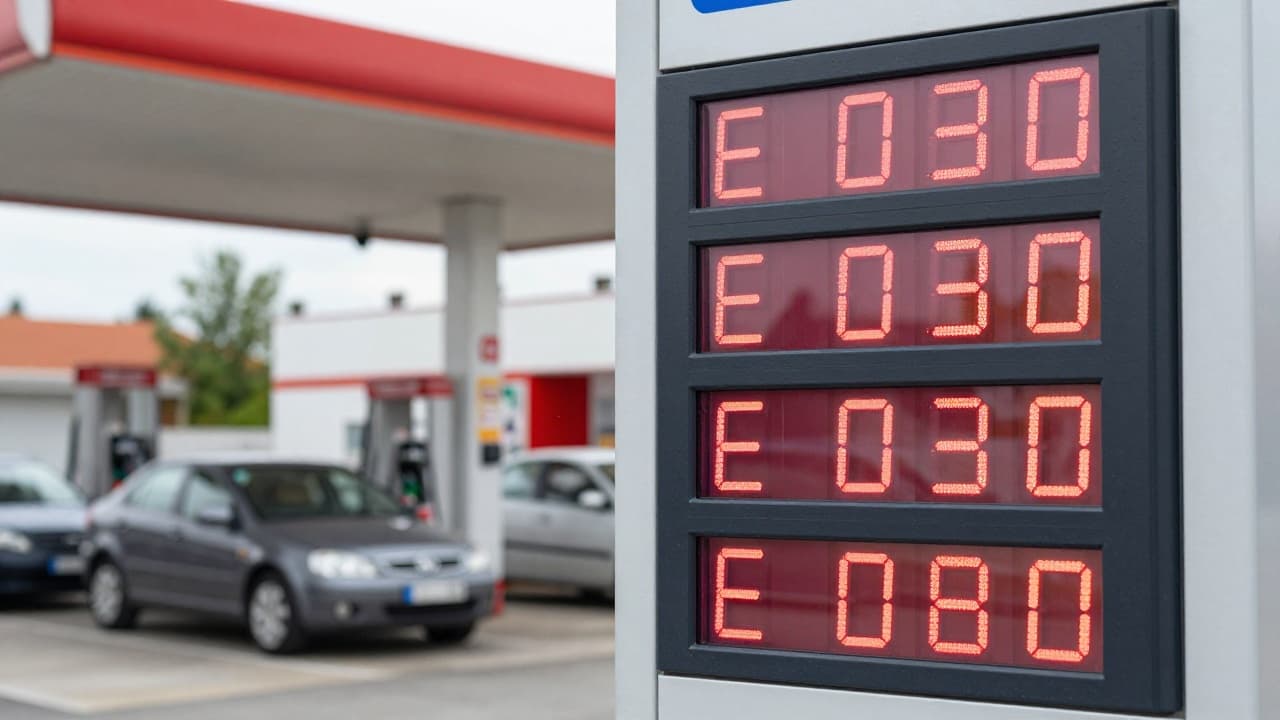
The key factor driving the rise in prices is the increase in energy costs. Despite this, other parts of the consumer basket show mixed trends. Prices of non-food industrial products are falling by 1.3 per cent, which somewhat alleviates the overall pressure on prices. On the other hand, costs for services have risen by 7.2 per cent, a significant factor contributing to the overall rise in living costs for citizens.
The Croatian government, aware of these trends, will maintain existing support measures. The aim is to mitigate the impact of rising prices on the most vulnerable groups in society. This measure is designed to protect citizens who are most sensitive to changes in living costs, providing them with a certain level of security despite inflationary pressures.
Experts stress that these changes must be monitored closely, as they have a direct impact on the standard of living of citizens. Although the current situation appears stable, it is important to note that convergence with the European average in inflation rates will only occur in the first quarter of next year. The government will continue to implement measures that help citizens cope with these challenges, ensuring security and stability in their daily lives.