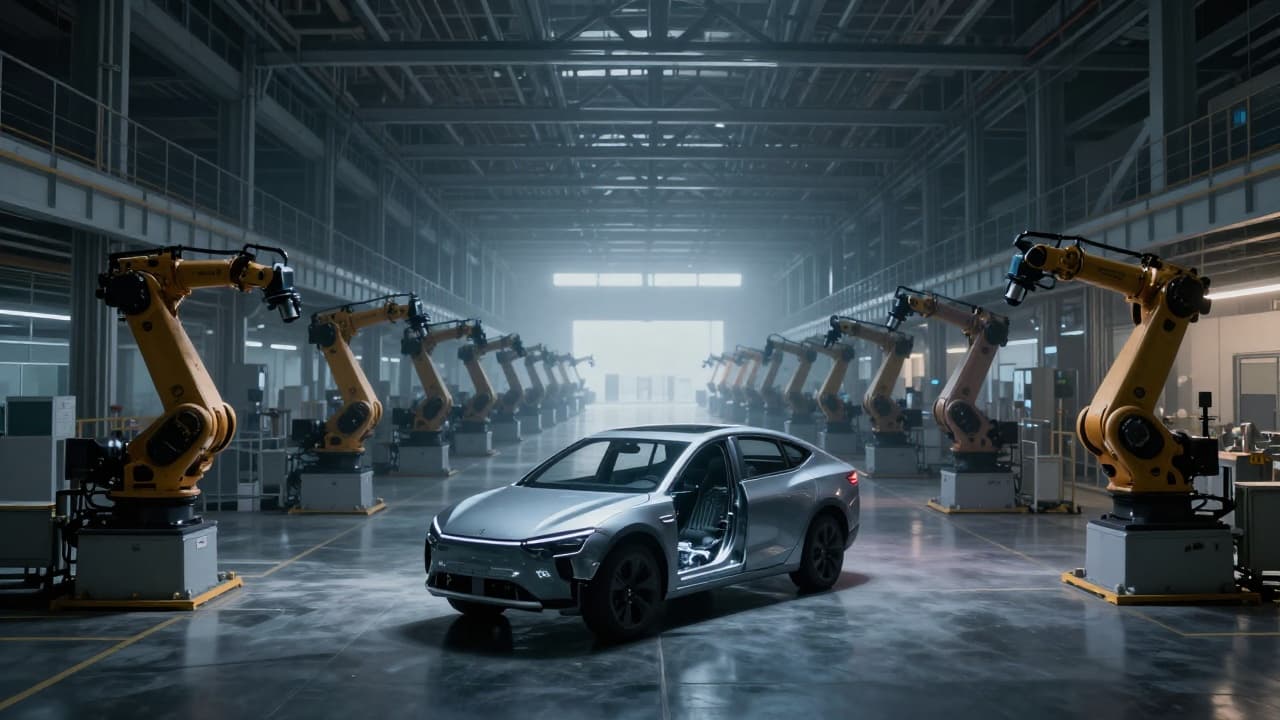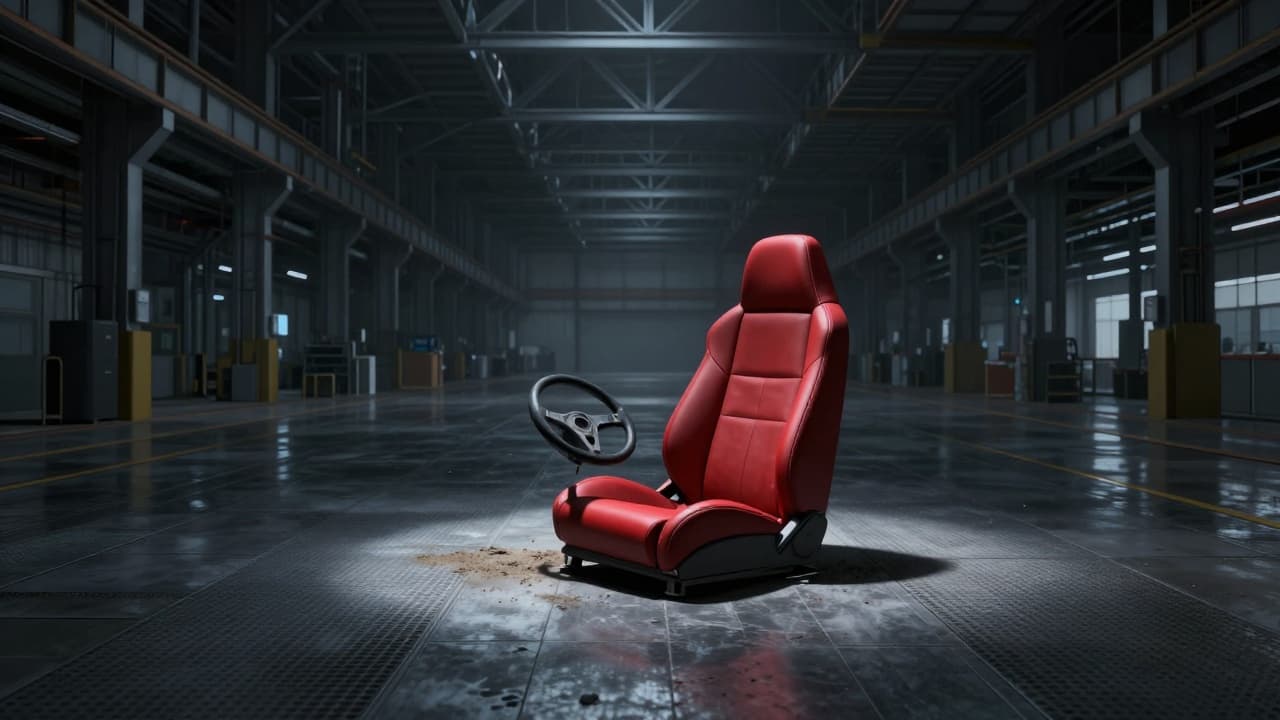
Volkswagen has announced drastic changes to its organisational structure, including the dismissal of 100,000 workers by 2030. This move, representing the largest restructuring in the history of the automotive industry, is a response to the need to adapt to rapidly changing market conditions. The decision to reduce the workforce by 15 per cent is one of the most radical steps in the history of the European automotive industry, with the aim of ensuring the long-term viability and competitiveness of the company.
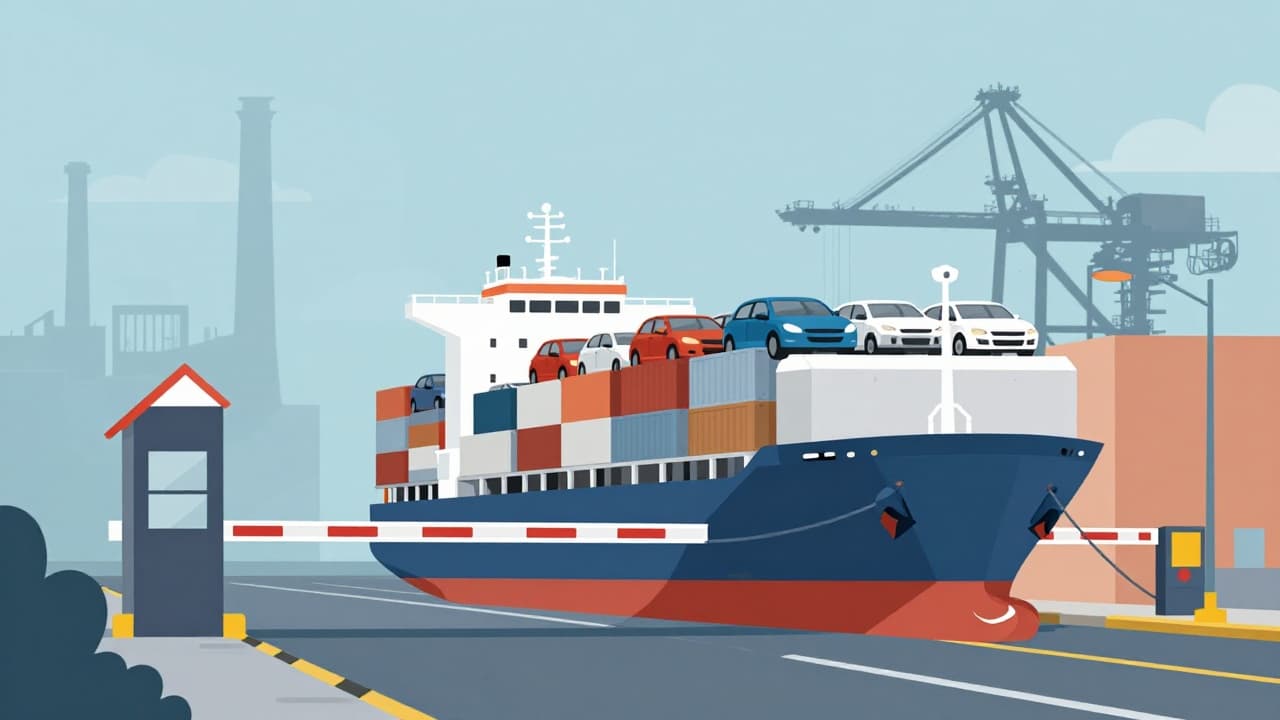
This reorganisation follows as a direct response to the increasingly difficult operating conditions facing the automotive industry. The company is facing serious challenges, including high tariffs imposed by US authorities, which further complicate exports and business operations in key global markets. In addition, increasing competition, particularly from Chinese manufacturers, is placing additional pressure on traditional European car manufacturers, forcing them to make rapid and radical changes to maintain their market share.
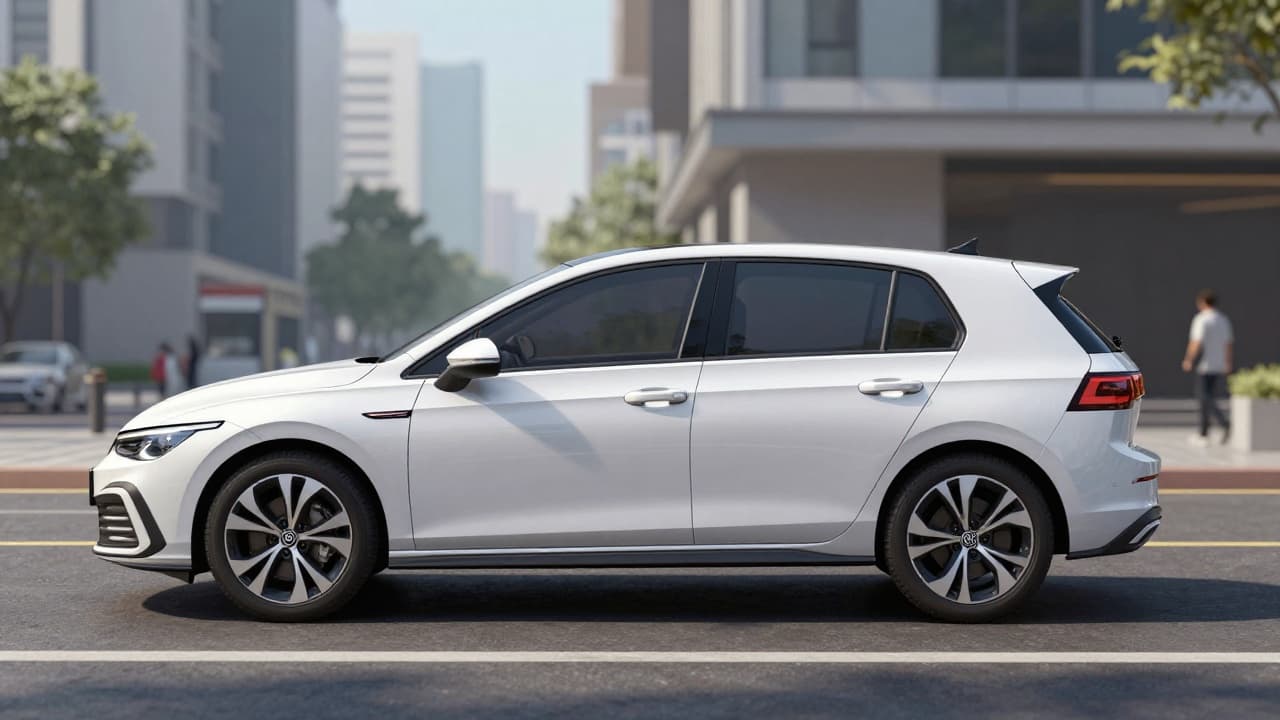
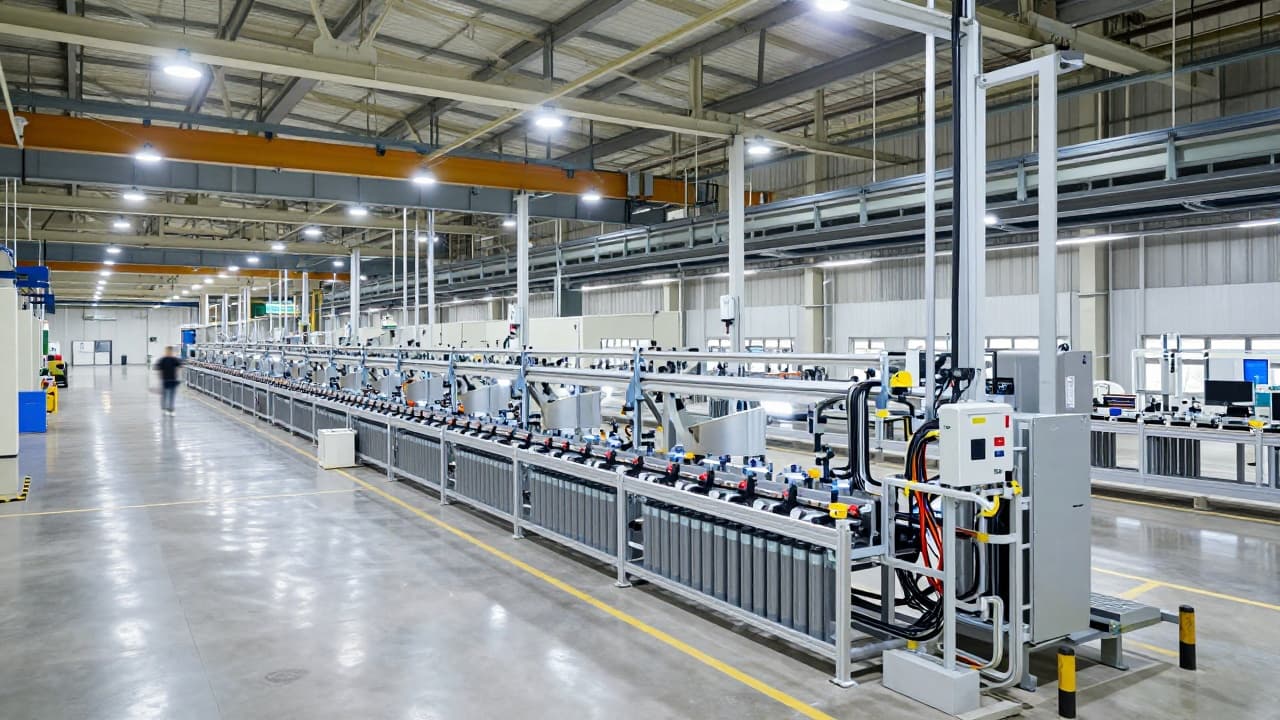
As part of a strategic overhaul, Volkswagen plans a significant reduction in its vehicle range. The number of cars the company produces will be halved, allowing a greater focus on key models and increasing production efficiency. This decision is part of a wider restructuring strategy, which includes reducing costs and optimising production processes to ensure long-term competitiveness in the global market.
Volkswagen, as one of the world's largest car producers, is facing challenges that require immediate and decisive action. The reduction in the workforce and the restructuring of the product range are part of a broader strategy of survival and adaptation to changing conditions in the automotive industry. These changes, though difficult, are necessary to ensure the long-term viability and competitiveness of the company in an increasingly complex global market environment.