The analysis, conducted using the VoltSun tool, shows that the profitability of the investment in solar panels does not depend directly on the vehicle type, but primarily on the geographical location and the way energy is used. Although solar panels remain a profitable investment, the conditions are changing due to new billing rules, known as net-billing, which affect the economic viability of home systems.
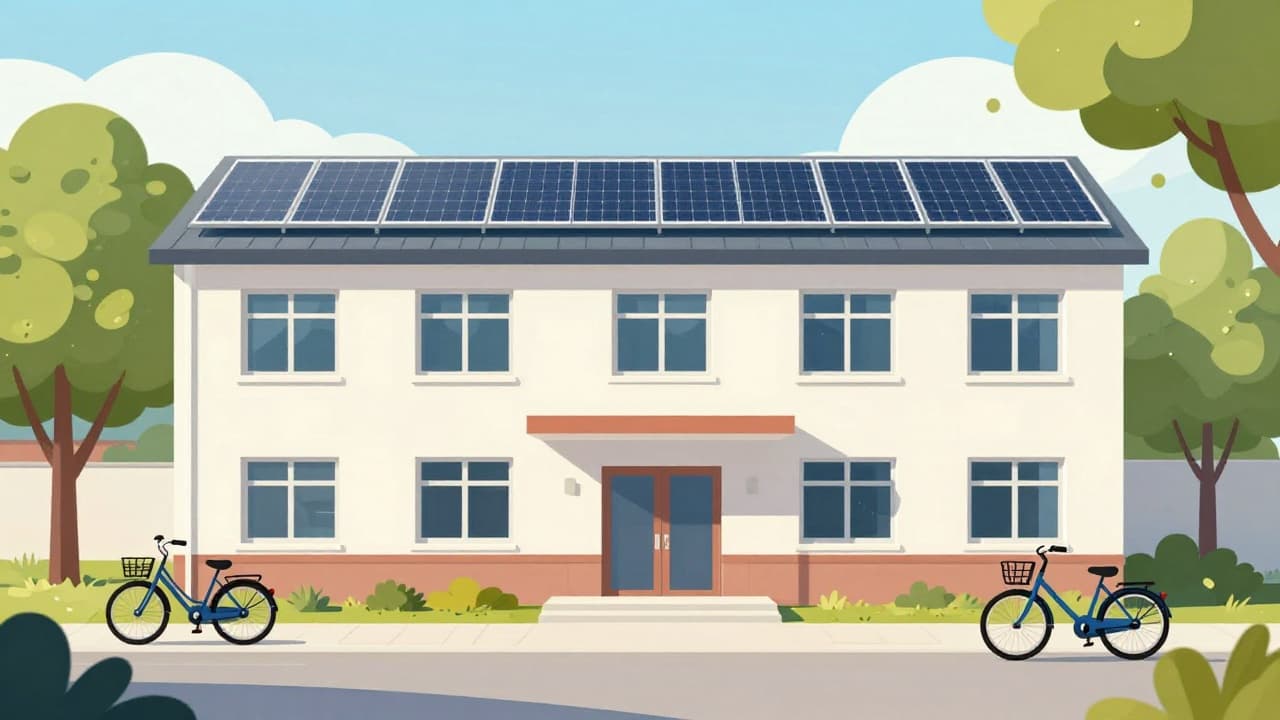
The key factor for profitability is annual consumption. Households with an annual mileage of 15,000 km are advised to install between four and six 400 W solar panels. The difference in payback period, calculated without state subsidies, is from 5.3 to 6.5 years, depending solely on location. While in Split the payback period is 5.3 years, in Zagreb it is longer, which is a direct consequence of the differences in sunlight levels. For example, coastal areas record about 25 per cent more energy production compared to the continental parts of Croatia.
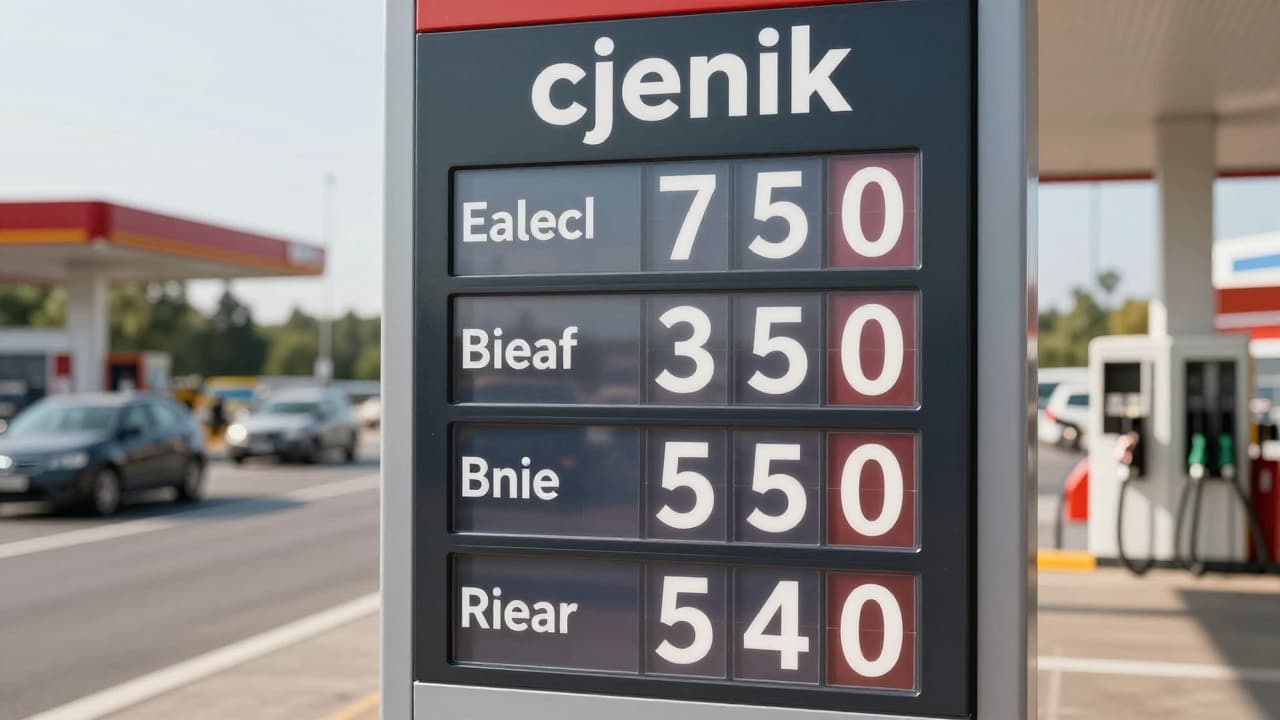
The cost of driving an electric vehicle powered solely by one's own solar system is around 0.79 euros per 100 km, which is significantly less than the cost of 1.46 euros per 100 km when using grid electricity. However, the charging method is crucial for economic sustainability. If the vehicle is charged exclusively at night, the share of directly used energy drops, and the payback period extends, for example, to eight years in Zagreb.
Home energy storage batteries represent a marginal investment. They are profitable only in capacities of 5 to 10 kWh, provided that the support of the Fund for Environmental Protection and Energy Efficiency (FZOEU) is used. The installation cost of batteries ranges from 300 to 600 euros per kilowatt-hour, with an average of 400 euros. Although a 15 kWh battery yields 187 euros annually, it does not pay off completely within a 15-year lifespan without additional support, unlike smaller capacities.
On the other hand, increasing the system capacity, for example to 10 kilowatts, results in a lower price per kilowatt-hour of electricity delivered, but at the same time extends the payback period, which in this example is 8.5 years. Therefore, the rule of installing the maximum possible capacity on the roof does not automatically provide an economic advantage in the light of new billing rules.
It is important to note that the profitability of batteries is further improved if the household has an electric car. In such cases, a 10 kWh battery yields 158 euros annually, compared to 122 euros in households without an electric vehicle. This difference highlights the importance of integrating multiple renewable energy sources within a single household to achieve optimal economic efficiency.