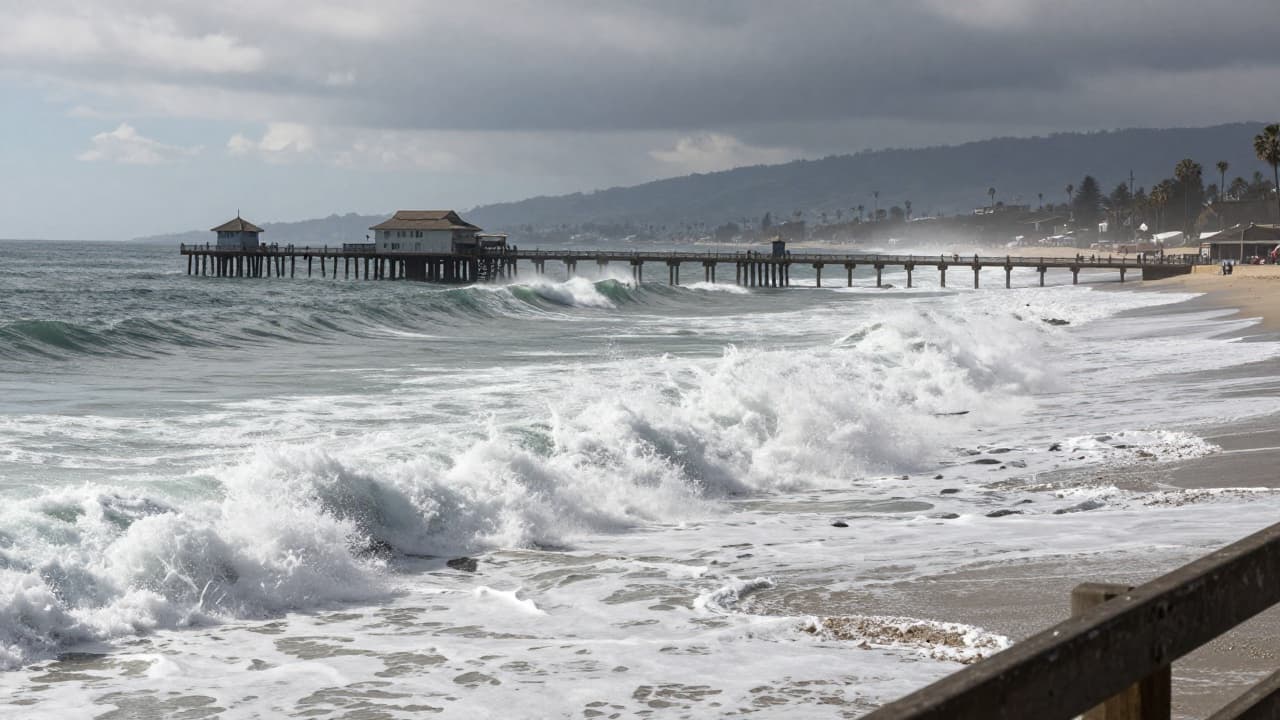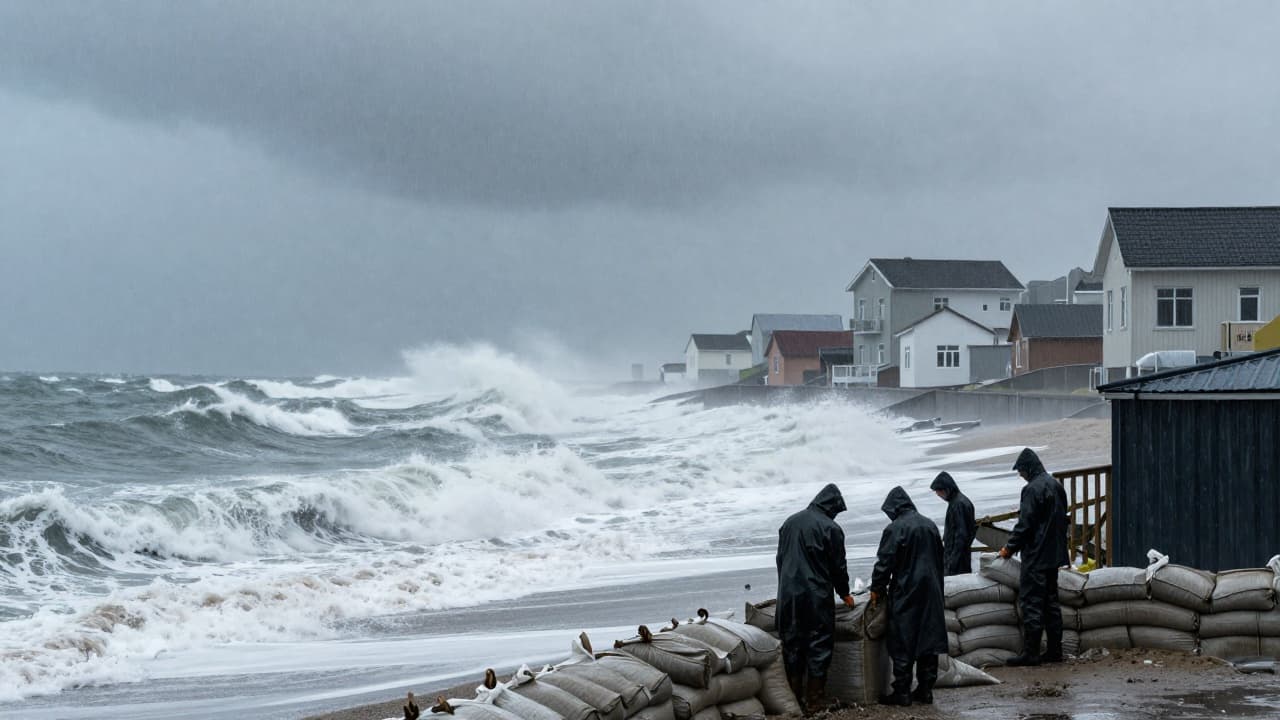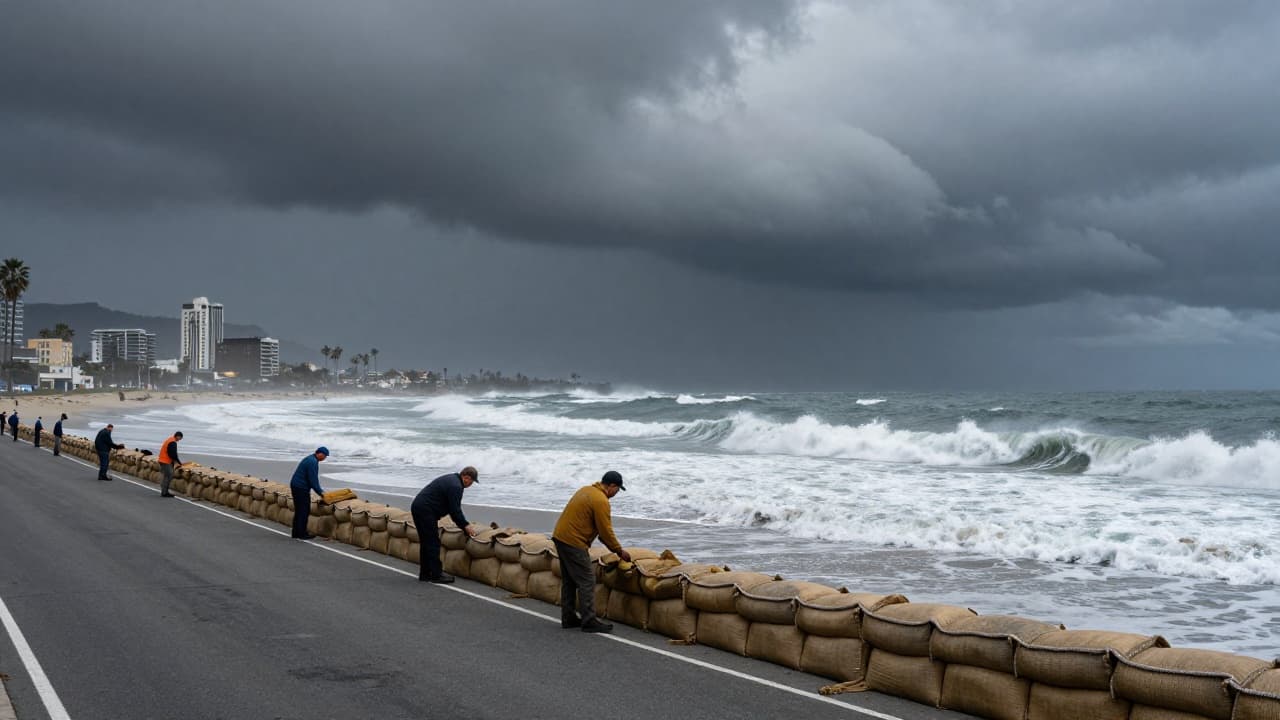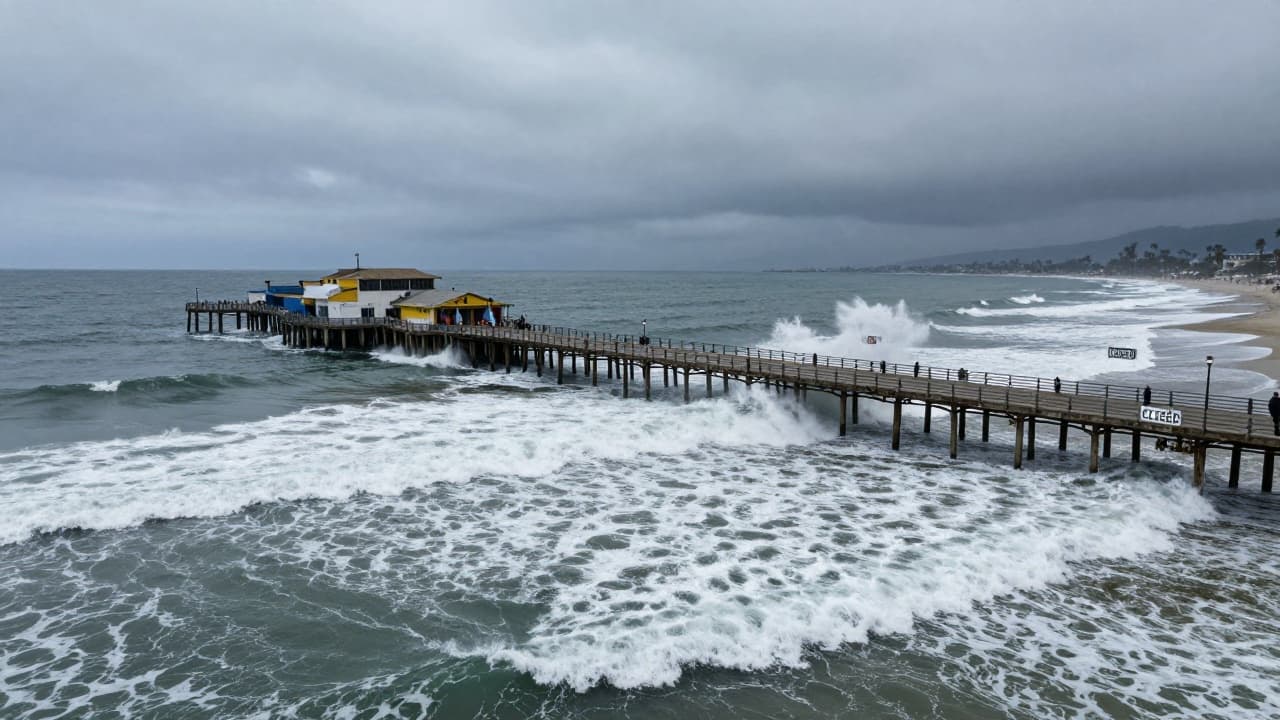
A series of coastal hazard warnings was issued across California this week as successive low-pressure systems generated strong waves and significant surf for coastal communities. Beaches and piers were closed last weekend as large waves battered the California coast.
Ocean buoys operated by the National Oceanic and Atmospheric Administration (NOAA) recorded wave heights exceeding 30 feet (9 metres) last Friday. A buoy off Monterey, California, recorded a wave height of 34.1 feet, which would make it the highest reading in 30 years. Coastal warnings extended from last weekend through this week, with alerts in effect until Friday evening.
Waves of 10 to 18 feet are expected, with localised sets of 18 to 22 feet for beaches in San Luis Obispo County and central coast beaches in Santa Barbara County. These Pacific storm systems are also bringing unstable conditions across the western United States, with heavy rain, mountain snow and strong winds over the coming days.
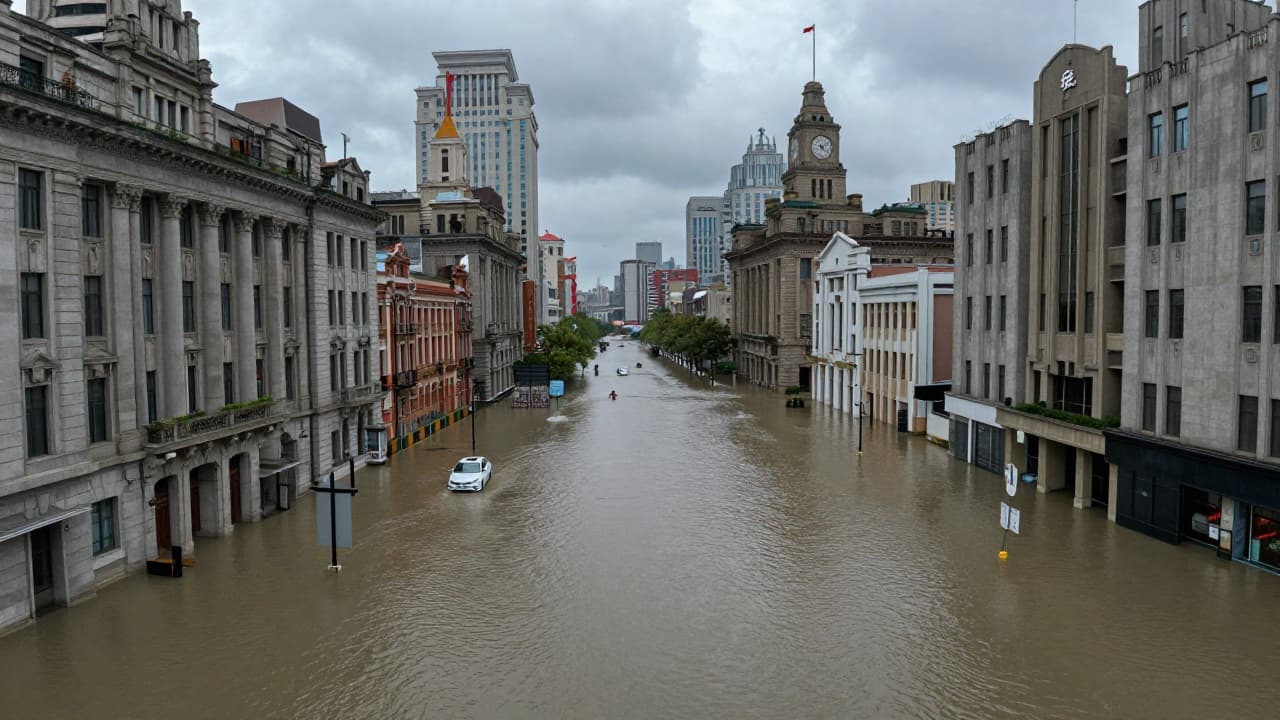
Record rainfall hit San Francisco on Wednesday. Heavy rain caused power outages for 32,000 customers in Sacramento. An additional low-pressure system will bring significant moisture to southern Oregon and northern California this weekend. More than 100 mm (4 inches) of rain is expected in some locations by Sunday evening, with additional snow for areas such as Donner Pass in the northern Sierra Nevada range.
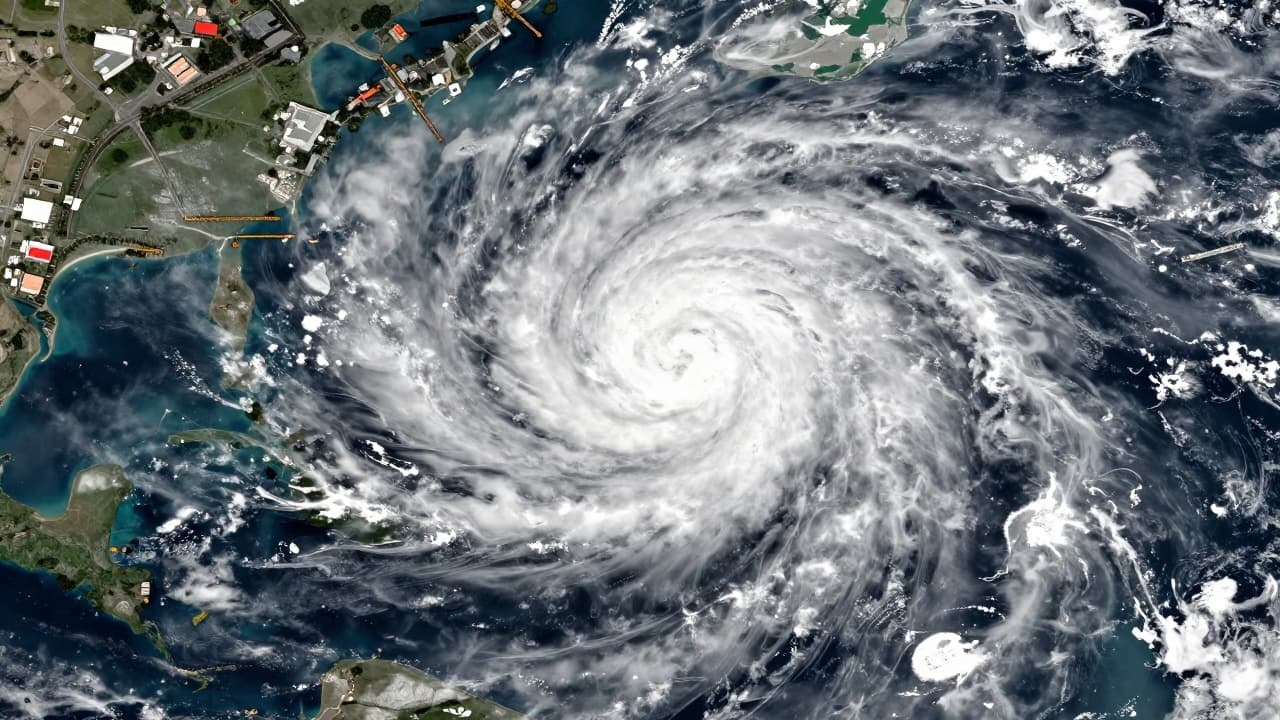
In eastern India, nearly 72,000 people have been evacuated from areas in Odisha as Tropical Cyclone Akvan approaches land. Akvan is expected to make landfall on Friday between Narsapur and Puri, prompting the Indian Meteorological Department to issue cyclone warnings for northern Andhra Pradesh, Yanam and the southern Odisha coast. Peak wind gusts are expected to reach 70 mph, and total rainfall through Friday and Saturday could exceed 200 mm for the northern coastal Andhra Pradesh and Odisha regions.
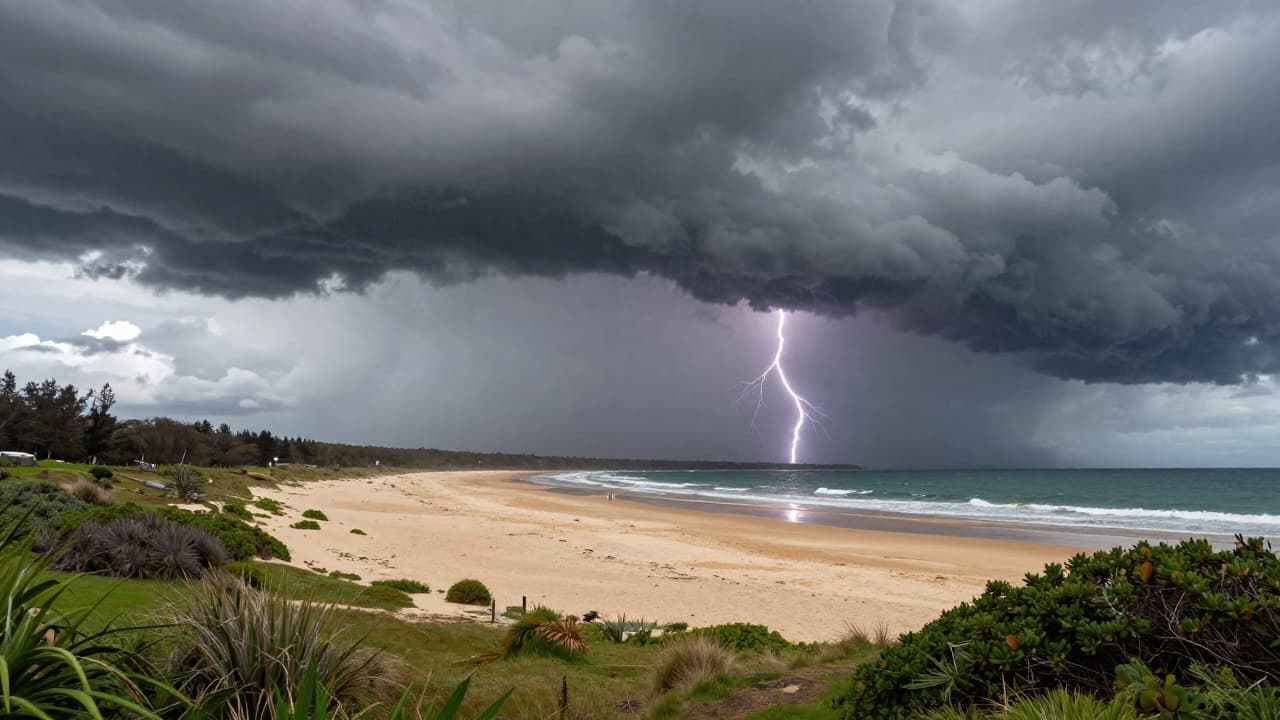
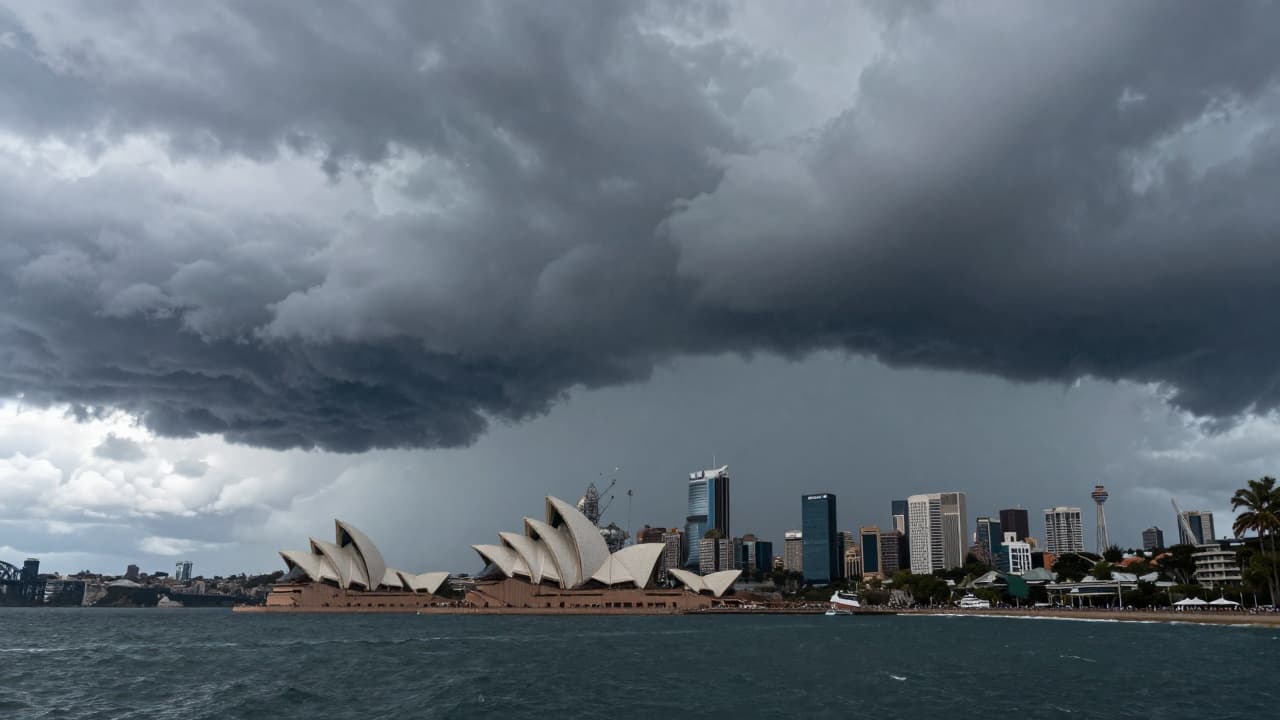
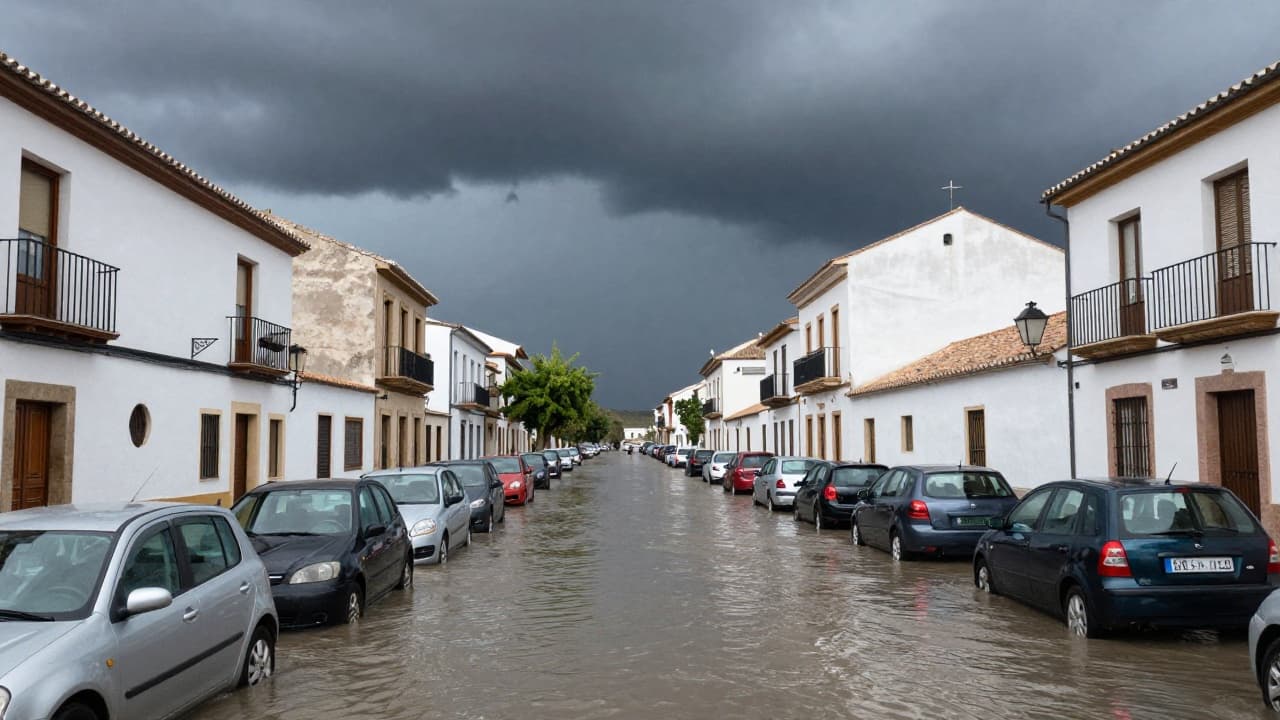
Following a yellow level 2 severe thunderstorm warning issued by the South African Weather Service on Tuesday, heavy rain and large hail were recorded in parts of Johannesburg. The storms caused flash flooding and damaged infrastructure in the Soweto township. One person has died, while one remains missing following the severe storms.