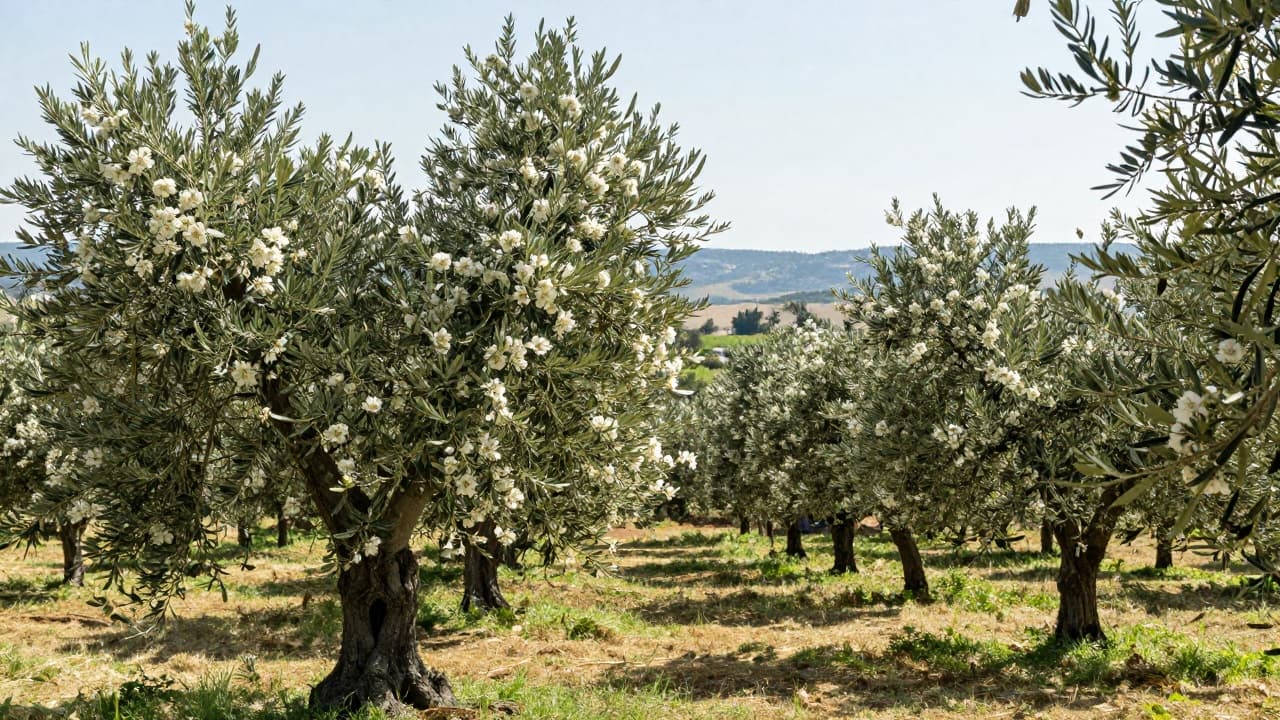
Dr Šime Marcelić and a team of researchers from the University of Zadar presented the results of a three-year study on the impact of crown shape on olive yield. The results showed that the polycone vase shape leads to faster oil accumulation, preserves tree health, and helps address the shortage of labour.
Šime Marcelić is an associate professor in the Department of Ecology, Agronomy and Aquaculture at the University of Zagreb. The research was conducted as part of the OLIVE-EduTech project, the full title of which is "Interdisciplinary approach to monitoring the physiological response of olive trees to different pruning intensities with the development of knowledge and skills transfer to stakeholders". The results were presented at a field demonstration in the olive grove and olive mill of the Lepur family in the eponymous settlement near Benkovac. The event attracted students, olive growers, experts, and olive enthusiasts from the Zadar and Šibenik-Knin counties, as well as from Bosnia and Herzegovina.
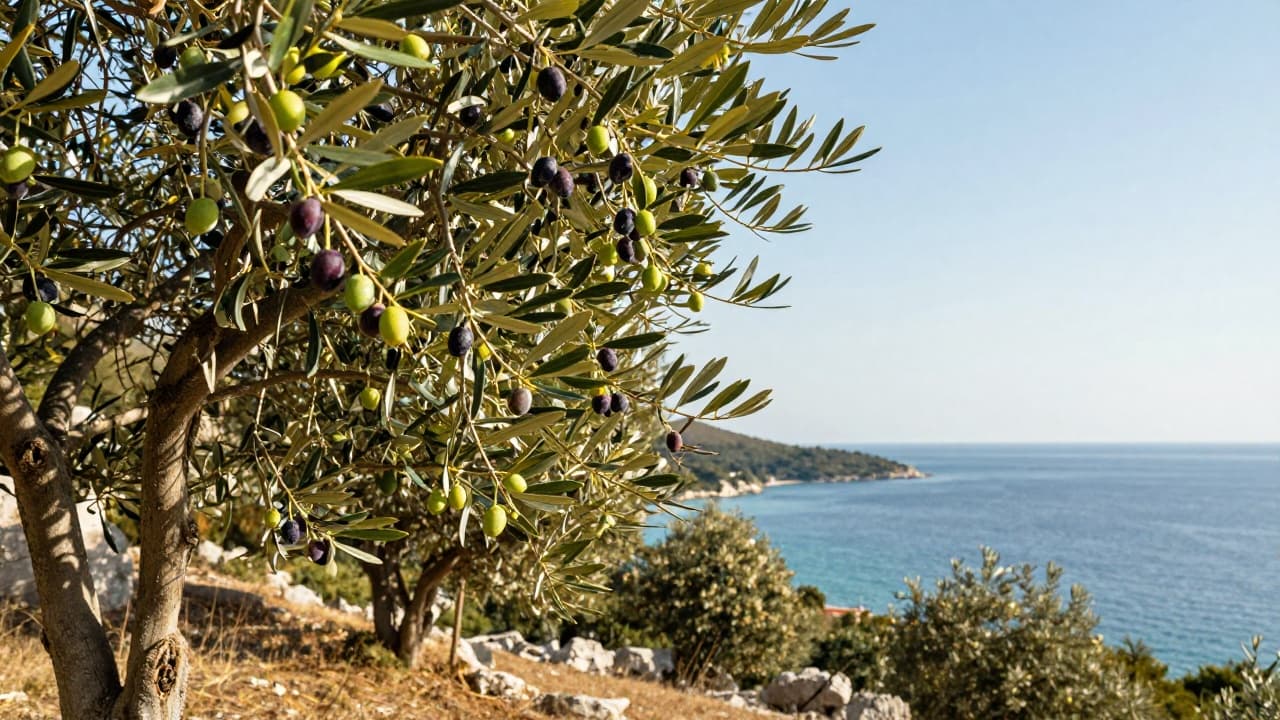
The olive grove of Lecor d.o.o. is owned by Branimir Lepur. It is located on the shallow, skeletal soil of the Ravn kot area, planted on red earth at an altitude of 150 metres above sea level, and is grown organically. It consists of two parts: the older part with 22-year-old olive trees, and the younger part planted 12 years ago. Branimir Lepur notes that he is located at the border of the Ravn and Bukova regions, where nothing was previously planted.
Radical pruning was carried out in March three years ago. The aim of the pruning was to reshape the trees into a polycone vase. The trees were divided into three groups according to the intensity of the intervention: light, moderate, and heavy pruning, with unpruned control trees. A strong growth of new shoots was observed in the pruned trees, along with more favourable flowering characteristics, including a higher proportion of hermaphrodite flowers. The pruning allows more light and air to penetrate, reducing the conditions suitable for the development of eye spot.
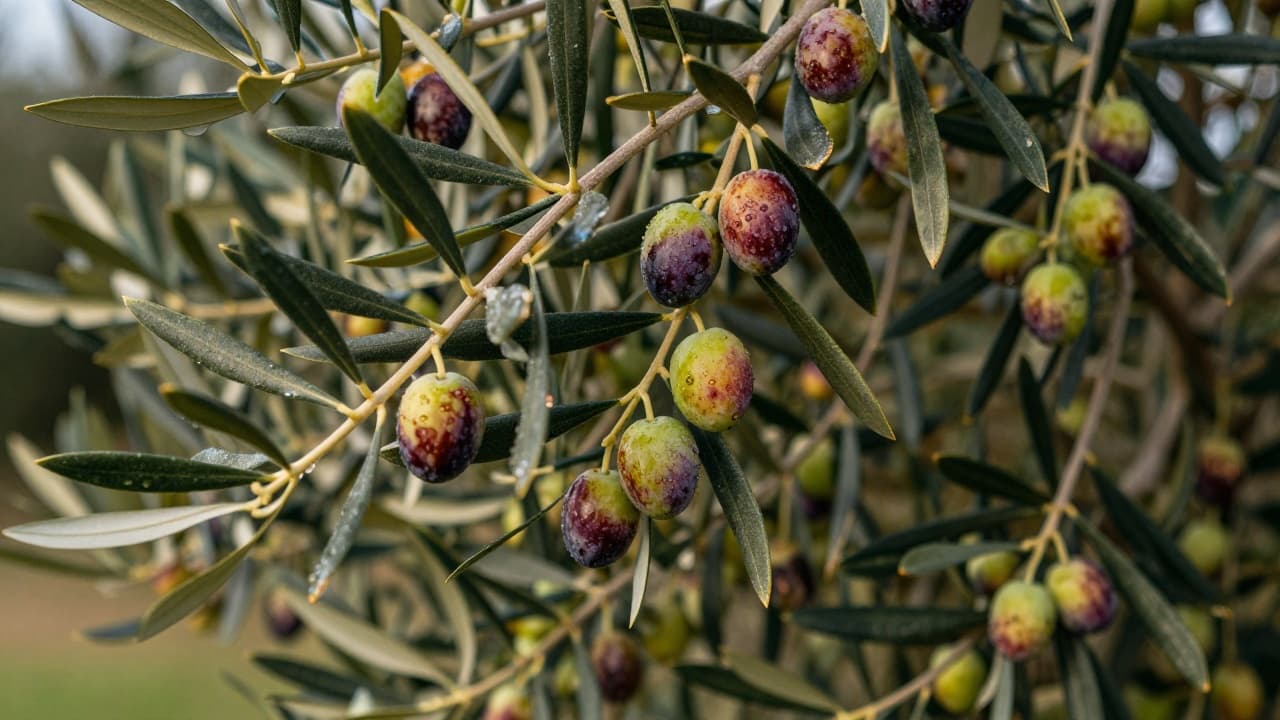
In the project, fruit development is monitored using NIR spectroscopy and optical sensors. The NIR analyser allows for rapid and repeatable measurement of oil content in the fruit week by week. It is crucial to monitor the oil content only in dry matter. During ripening, the fruit loses water due to heat or the bura wind, so the proportion of oil in fresh fruit appears to rise in the mill. Measuring the dry matter eliminates this error. Previous measurements indicate that oil accumulates faster in the fruit of heavily pruned olive trees than in those of unpruned and unirrigated trees. In some comparisons, the difference in oil content change is close to double.
Part of the resistance to the polycone vase shape stems from a lack of knowledge about this form and how the tree recovers after pruning. Heavy pruning to restore the crown can reduce yield in the first three years. Scientists have debunked the myth that dense canopy protects the fruit. Vrsalović recorded in 1901: 'The olive bears fruit only on those young branches that are illuminated by the sun. In the shade and thickets, they are barren. The young branches of one year, when the bud is released, produce the flower, and in it the fruit begins to form. The most productive are the medium-strong annual shoots, which are stretched or bent.' The goal of the polycone or multi-angled vase is to bring light to a larger number of fruiting branches, not to bare the tree.