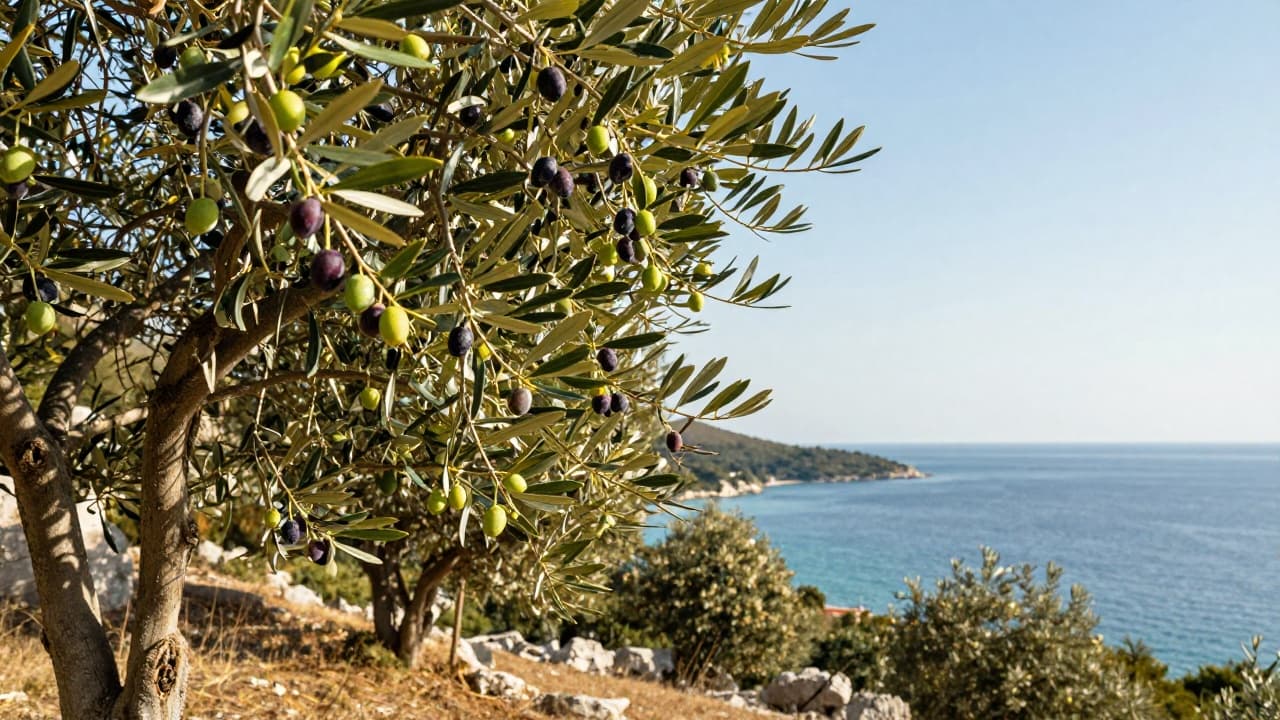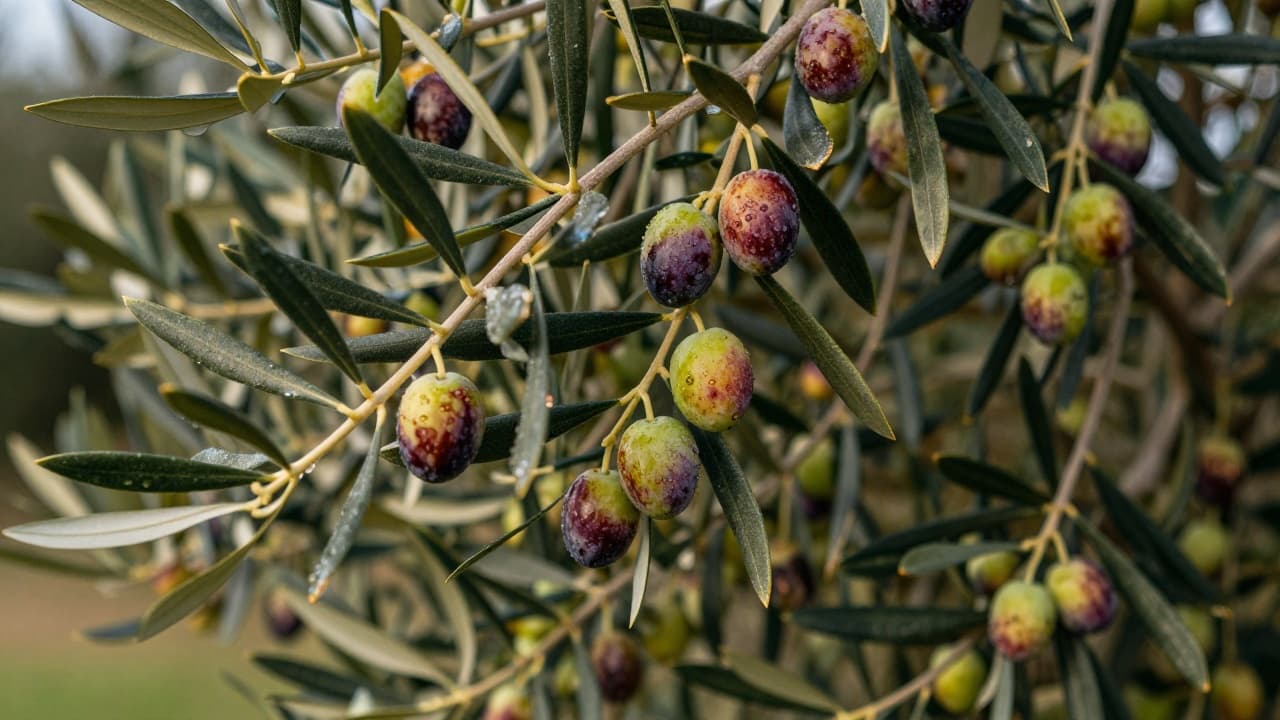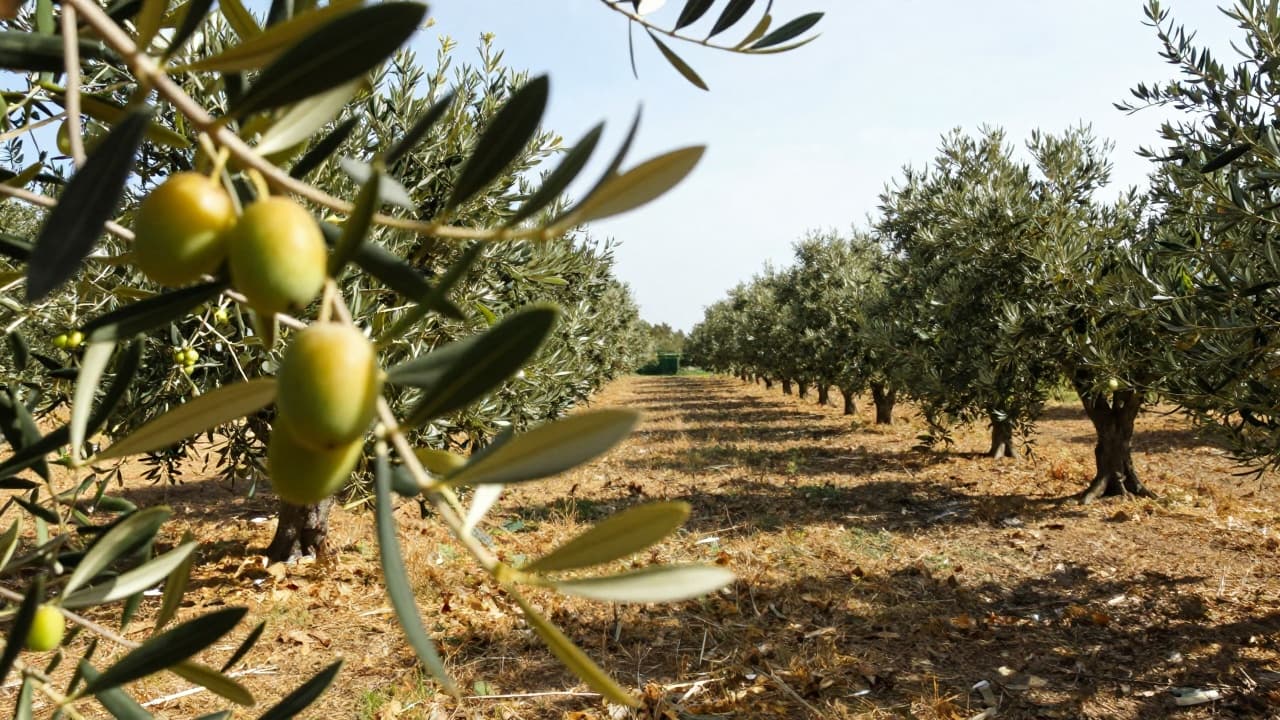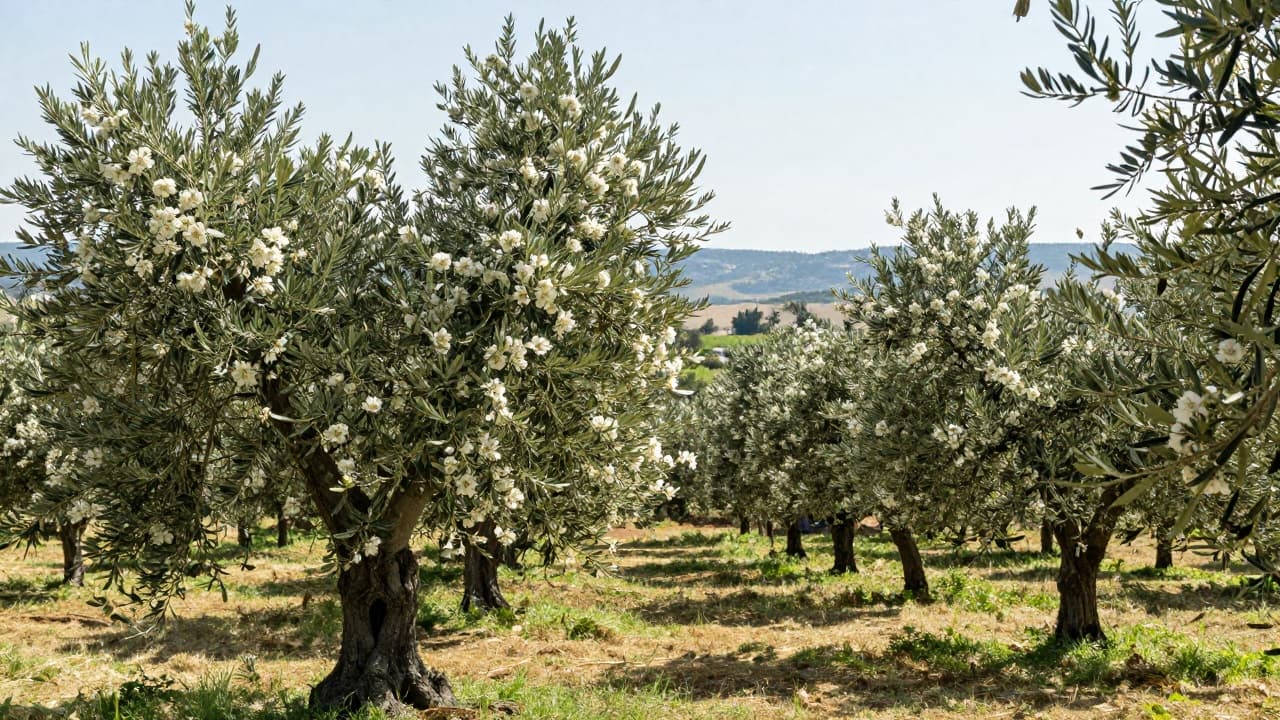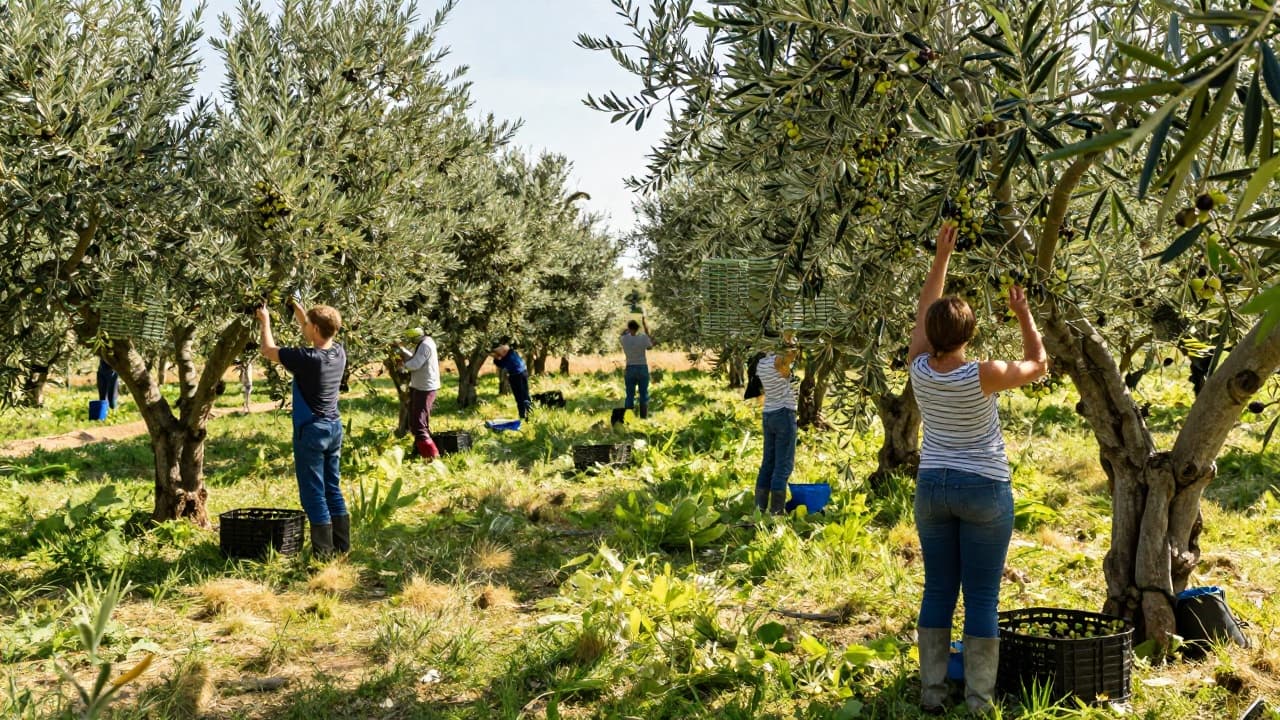
In the area of Zadarska County, where around one million olive trees are cultivated, this year's season should bring a significant recovery in production. According to estimates, around 10,500 tonnes of fruit are expected this year, and if everything is successfully harvested, around 13,500 hectolitres of olive oil should be obtained.
Last year was extremely poor for Zadar olive growers. In the area of Zadarska County, only 6,450 tonnes of fruit were harvested at the time, from which 1,906.5 hectolitres of oil were produced, which is almost 40 per cent less than the year before. Croatia imported more olive oil than it produced for the first time last year.
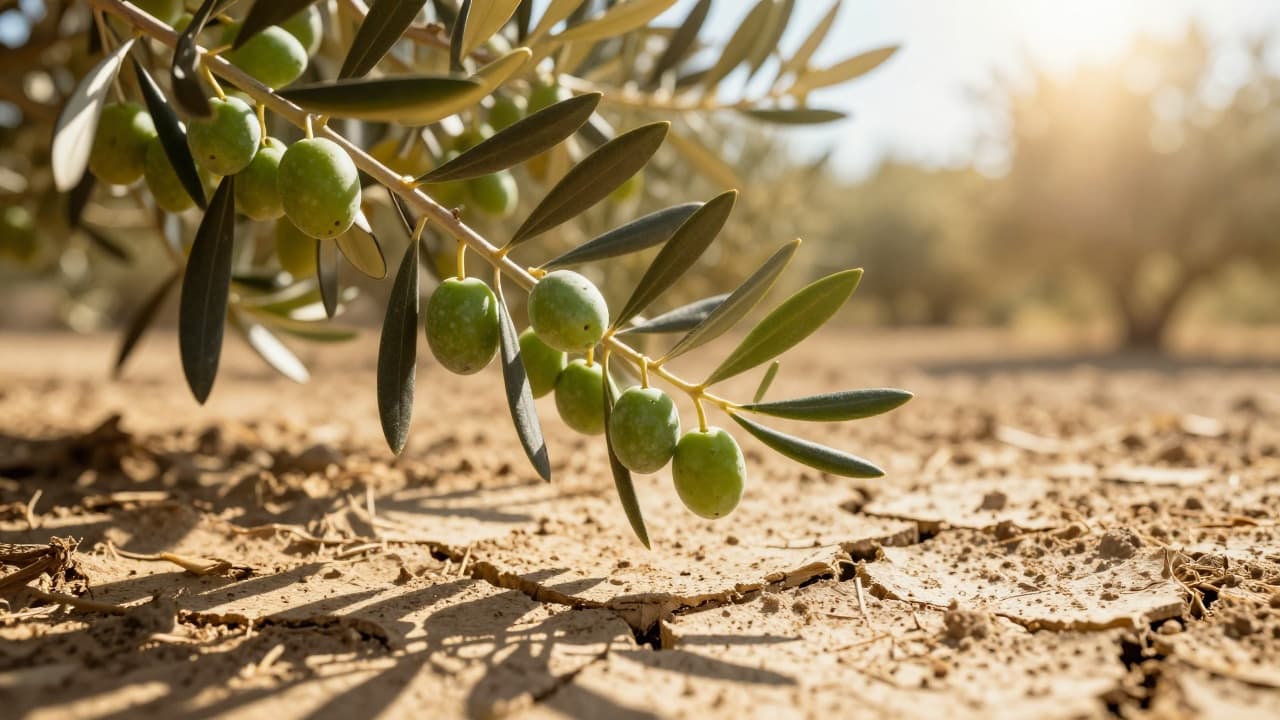
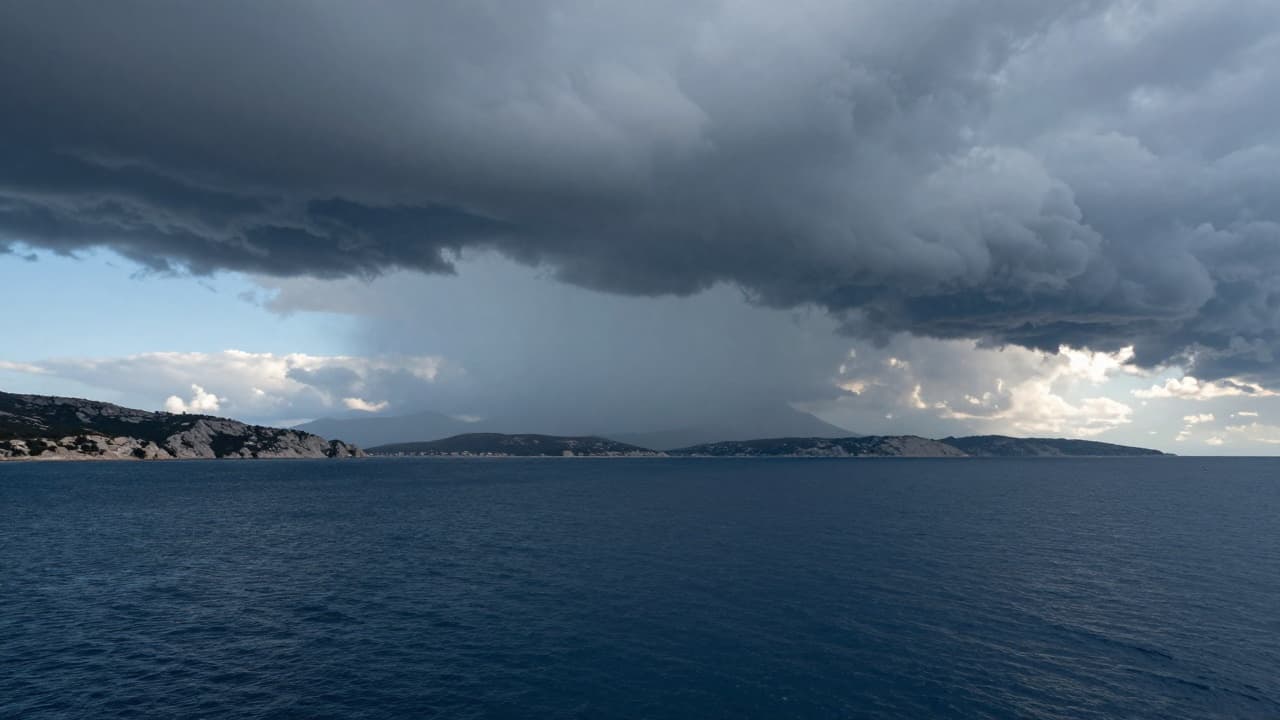
One of the reasons for the weaker harvest last year was unfavourable weather conditions. The last significant rain in the Zadar area fell in June and amounted to 38 mm, after which a little rain fell in early July. During the entire month of August and until mid-September, not a drop of rain fell, and temperatures reached up to 40 degrees Celsius. Oil synthesis in the fruit begins with the end of stone formation, usually at the end of July and in August, so high temperatures favoured diseases and pests, especially the olive fruit fly (Bactrocera oleae), which can compromise the entire harvest in just two to three weeks.
However, the great heat in July and August decimated, or rendered sterile, even two generations of the olive fruit fly, and the third generation does not appear to a significant extent. Research on the influence of pruning on yield was conducted by Dr. Šime Marcelić and colleagues, and Marko Vrsalović already noted in 1901 that a one-year-old shoot produces a flower on the summer growth, and in it sets fruit.
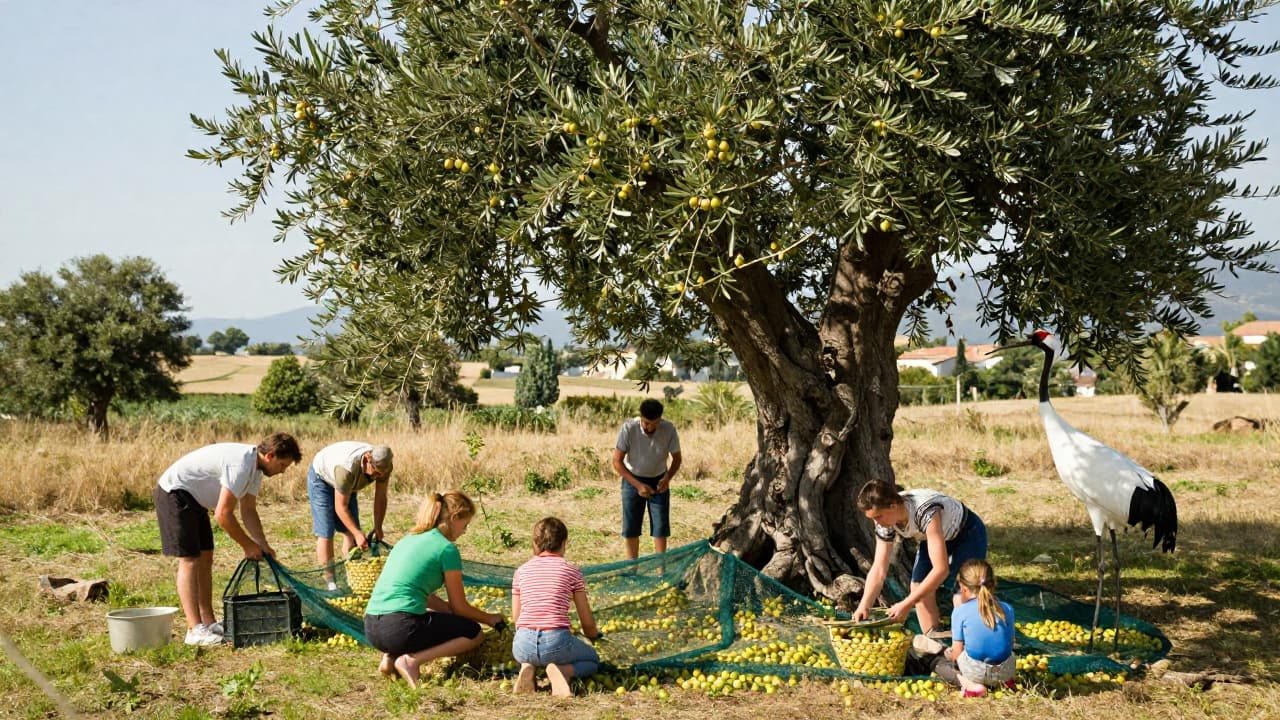
Ante Vulin, a well-known Pakoštane olive grower, owns around 1,000 olive trees by Lake Vrana. Toni Družijanić, an agricultural engineer, president of the Association of Olive Growers of Zadarska County and owner of the Orkulo business, emphasises that his team has been providing professional olive harvesting services in the field without interruption for a whole month.
At the state level, around 55,000 hectolitres of olive oil are expected, according to Zvonimir Vlatković, an agronomist from the Directorate for Professional Support for Agricultural Development of the Ministry of Agriculture. Prices in Zadarska County will not change drastically this season. The price of quality open oil in family farms (OPG) ranges between 13 and 15 euros per litre, while top, award-winning branded oils in specialised packaging reach 20 euros and more.
Olive growers who market their oils in specialised shops and tasting rooms keep prices in Dalmatia from 20 to 25 euros per litre, and in Istria from 25 to 30 euros per litre. Some olive growers announce that prices for new oil could rise by 10 to 15 per cent, citing the increase in prices of raw materials, fertilisers, equipment, and especially labour costs compared to last year.