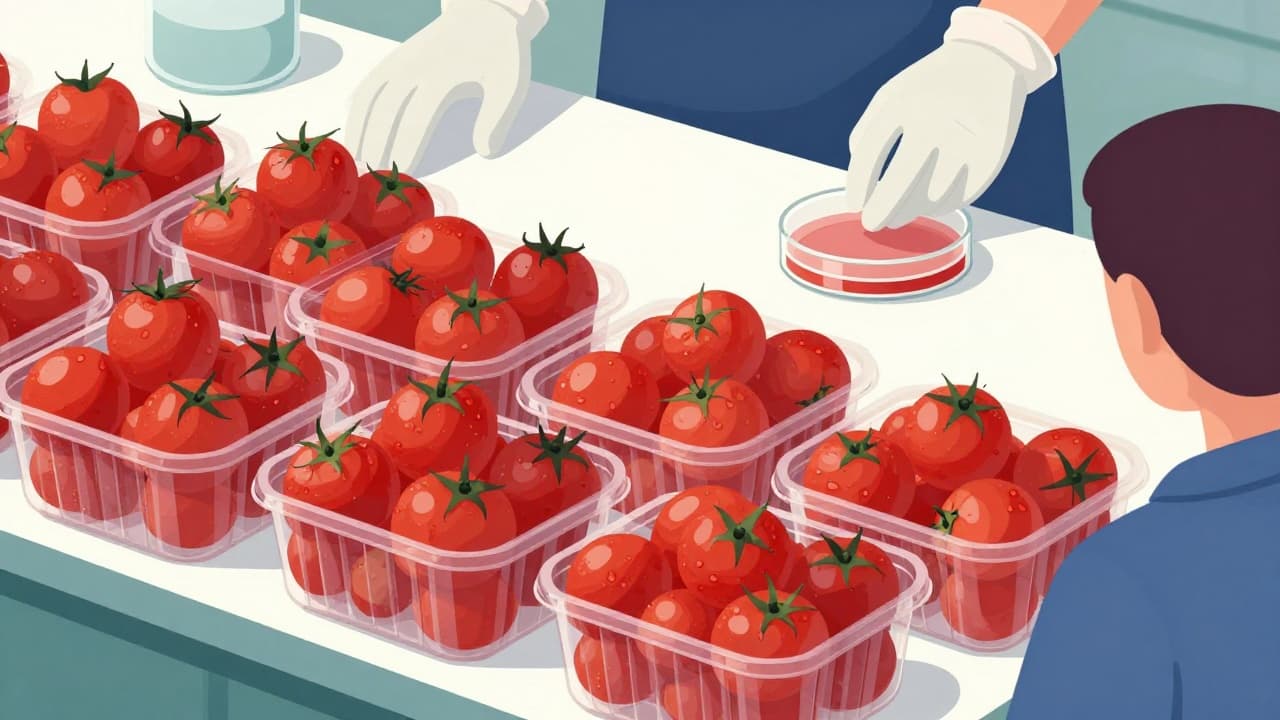
The number of reported salmonella cases continues to rise in the Primorsko-Goranska County, with the Institute of Public Health (NZZJZ) in Primorsko-Goranska County not yet linking the cases to Italian cherry tomatoes in which salmonella was identified.
In the period from 1 August to 12 October, 23 cases of salmonella were recorded last year, whereas in the same period this year there were 77. This represents a tripling. The increase is largely due to salmonella group B, with cases recorded in the area of Rijeka and surrounding municipalities. No specific clusters of affected individuals were identified, and to date, no epidemiological link has been established between the tomatoes in question and the rise in cases in the county.
A portion of the reports relates to students who returned from Spain with gastrointestinal symptoms, while the other reports cover various age groups. The number of cases among those aged 15 to 24 has increased. The reports are distributed widely across the county; there are cases in Rijeka, but also in other municipalities and towns. Currently, there are no specific links to any particular food or situation.
The number of affected individuals continues to rise, with several new reports received yesterday. The next few days will see cases being processed, with epidemiological surveys conducted to determine what the affected individuals ate and where. Thus far, the inquiries have not revealed a common link. According to information received from the Clinical Hospital Centre in Rijeka, no patients are currently being treated in hospital.
In Italy, more than 100 cases of salmonellosis have been reported in relation to cherry tomatoes, with local cases linked to the consumption of these tomatoes. The Inspectorate reported on Monday that Italian cherry tomatoes, in which salmonella was detected, had been purchased by Croatian hospitality venues operating seasonally and currently closed. No complaints of food poisoning had been received from customers at these venues. It was determined that several entities in the Istria and Kvarner regions had purchased the tomatoes in question from a branch of METRO in Trieste.
Salmonella is an intestinal infection that typically manifests as diarrhoea, vomiting, and fever, which can be low or high. The bacteria are transmitted through contaminated food and water, and infection is also possible through contact if proper hygiene is not maintained. The most common mode of transmission is the consumption of contaminated food. Among the foods that may be a source of infection are eggs, meat, pastries, and milk, with contamination possible in raw foods.
For prevention, it is important to wash hands thoroughly, particularly after using the toilet, and to cook food thoroughly. Vegetables eaten raw should be washed. Raw food should be stored separately from cooked food to prevent cross-contamination, and food should be stored correctly in the refrigerator.