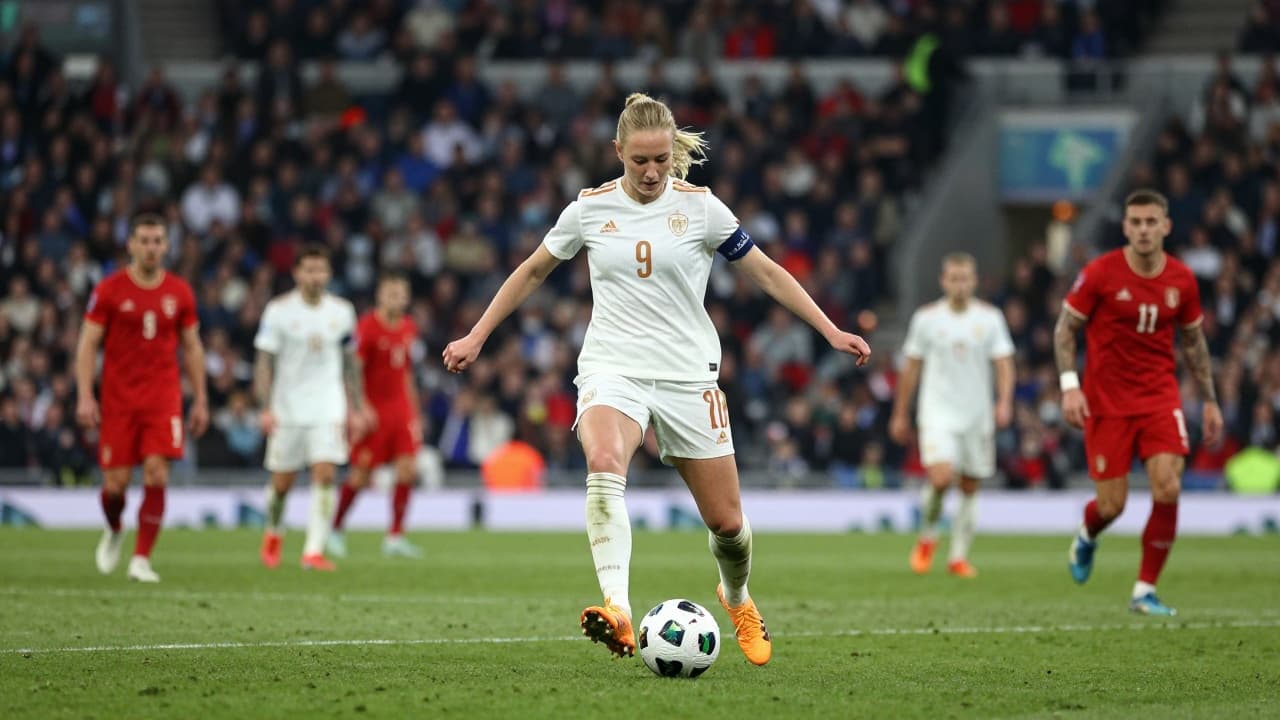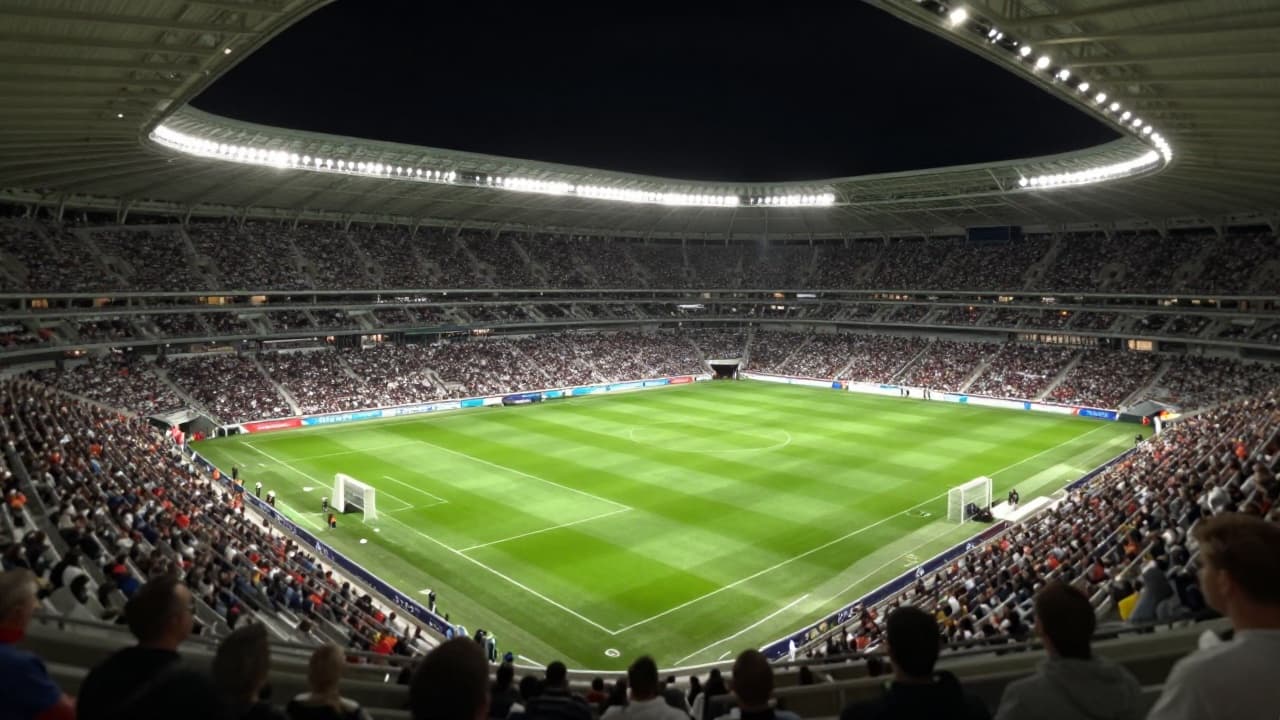
Viewers were exposed to a 'constant barrage' of advertisements promoting unhealthy food and drink during the World Cup, according to a new study. Researchers from the University of Bristol and the University of Oxford developed an AI tool to analyse advertisements visible to viewers during the game across 108 matches of the tournament.
The advertisements were primarily displayed on digital billboards around the stadiums in the United States, Canada, and Mexico. Brand logos and products offering unhealthy food and drink—defined by the UK government as food high in fat, salt, or sugar—were displayed a total of 65,722 times. They were visible for 28.1 hours in total, or approximately 16 per cent of the time the matches were played.
The advertisements were broadcast on international feeds, meaning they were visible to viewers in every country broadcasting the matches. The analysis did not include advertisements shown during pre-match coverage, half-time breaks, or the controversial stoppage time intervals. The researchers' model estimated that there were 577 visible advertisements for unhealthy food and drink during each individual match.
Coca-Cola had the highest number of ad impressions (21,893), followed by McDonald's (13,915), Powerade (12,777), and Lay's, the chip brand known as Walkers in the United Kingdom (12,087). All four brands are official partners of the global football body, Fifa, with Powerade, an energy drink, owned by the Coca-Cola Company.
Fifa, in response to the findings, stated that the majority of its revenue is returned to football, including projects promoting health and well-being in which thousands of people participate. A spokesperson for Fifa said: 'Fifa works with a wide range of partners, all of whom are subject to its governance and compliance frameworks.' It added: 'Our impact campaigns, including Be Active, have delivered messages of unity, inclusion, health, and friendship to the public on an unprecedented scale during the World Cup.' BBC Sport also contacted Coca-Cola, McDonald's, and PepsiCo, which owns Lay's, but received no response.
The report also analysed other forms of 'potentially harmful' advertising and found that the promotion of unhealthy food and drink was far more prevalent. Logos for unhealthy food and drink were recorded approximately seven times more frequently than those for alcohol and betting markets, 10 times more frequently than those for gambling companies, and almost 25 times more frequently than cryptocurrency. The researchers stated: 'The continuous association of food and drink brands with football, excitement, and national identity can make these brands familiar and normalise their consumption.'
Since October 2023, food such as burgers, chips, and sugary drinks has been subject to a ban on advertising on television before 9 pm in the United Kingdom. As advertising shown during matches appears on digital billboards and is broadcast internationally, it falls outside the scope of domestic legislation. This means viewers see advertisements for burgers, chips, and soft drinks during hours when such advertising is theoretically banned, leading to calls for a more global approach.
Greg Fell, chair of the Association of Directors of Public Health, told BBC Sport: 'This is a loophole in the law.' He added: 'There is strong evidence that governments worldwide are currently imposing strict legislative restrictions on the advertising of unhealthy food.' Fell highlighted that: 'This requires international cooperation, as obesity is a problem everywhere. Advertising is one of the key mechanisms through which the harm caused by obesity occurs.' He compared the issue to the tobacco industry: 'Obesity is almost a new tobacco industry; there is little difference in the methods used by the tobacco industry before it was phased out from advertising.' He added: 'Much of this is targeted at children, as these companies wish to grow their markets, and children represent the future market.'
The UK government recently announced comprehensive changes to school meal regulations, banning fried food and increasing the inclusion of fruit, vegetables, fibre, and whole grains in an attempt to address childhood obesity. According to the NHS, data from 2023 showed that 15 per cent of children in the UK were obese, and 26 per cent were overweight.
Dr. Elisa Becker, one of the report's co-authors, said: 'We are facing a global crisis of childhood obesity and diet-related illness, yet the world's biggest sporting event is saturated with marketing for unhealthy food and drink.' She added: 'Sport should be part of the solution to poor health, not one of the most powerful advertising platforms for products that cause it.'