Microplastics, previously known primarily as a pollutant of oceans, soil and air, are increasingly linked to serious consequences for human health. A major study reported by BBC News has revealed that these particles in the bloodstream are not merely silent passengers, but active triggers of dangerous processes in the body.
In recent years, scientists have found microplastics in drinking water, seafood, snow on the peaks of the Alps, as well as in the human placenta and bloodstream. Research has shown an increasingly direct link between the presence of microplastics and nanoplastics in the body and an increased risk of chronic inflammation in blood vessels.
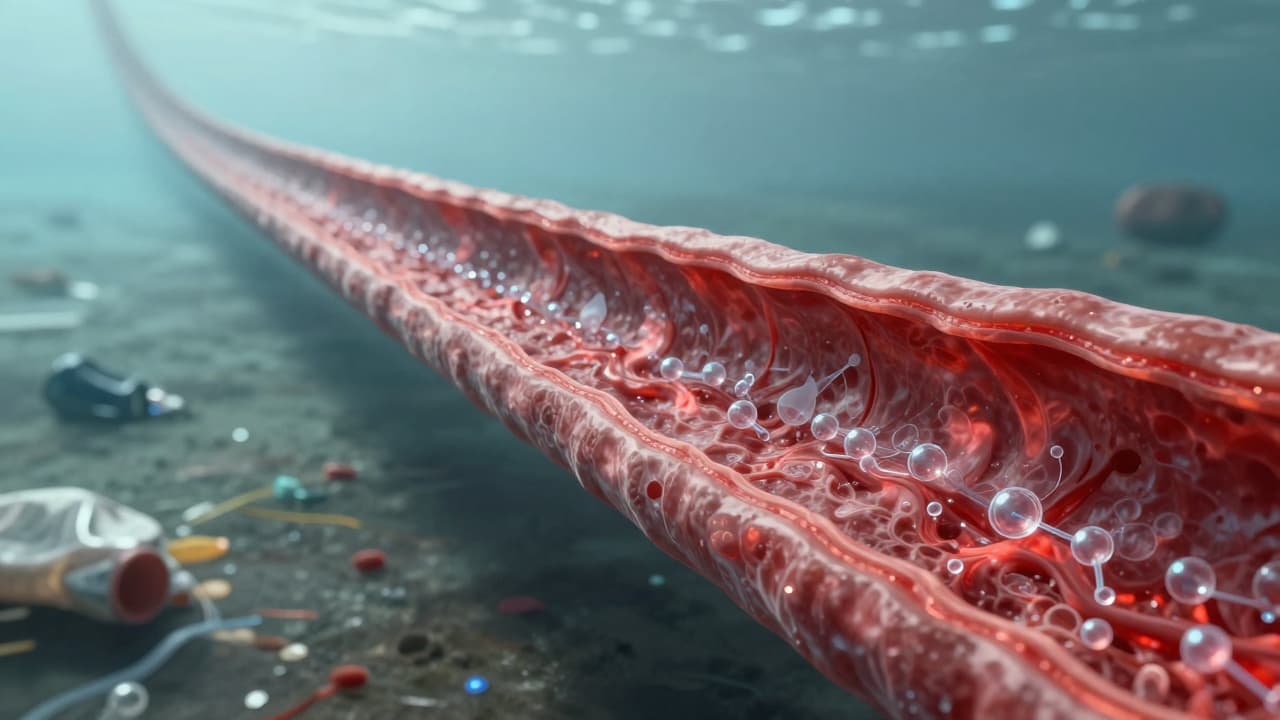
Cardiologists have determined that extremely small particles, which enter the body through breathing, drinking or eating, can penetrate biological barriers, for example from the intestines into the bloodstream. Once they begin to circulate in the blood vessels, the immune system recognises them as foreign substances. In an attempt to protect the organism, it initiates a constant, low-intensity inflammatory response.
Long-term inflammation of the blood vessel walls contributes to the development of atherosclerosis, in which plaque accumulates in the vessels, causing them to narrow and lose elasticity. Chronic inflammation thereby increases the risk of heart attack and stroke. Some experts warn that microplastics could become one of the most important risk factors in the coming decades.
Health professionals highlight that, until now, they have checked lipid and sugar levels and lifestyle in patients after a heart attack. However, they note that they are increasingly seeing inflammatory processes in people who live a very healthy lifestyle.
As individuals, we can avoid drinking from bottles exposed to the sun and reduce the use of plastic packaging when heating food. However, doctors and researchers emphasise that individual measures will not solve the problem. New findings are putting pressure on policymakers, and cardiologists are joining forces with ecologists to call for urgent, rigorous systemic actions to drastically reduce the production and use of plastic.
Plastic is thus no longer just an ecological problem that threatens marine life, but an increasing threat to human health, particularly the heart and blood vessels.