Zlatni rat, one of the most famous beaches on the Adriatic, is critically threatened by processes that are not solely natural. A warning about the "5 to 12" deadline to save Zlatni rat was published on the Facebook page "Otok Brač bez cenzure", while experts and residents of Bol warn that human factors are accelerating erosion.
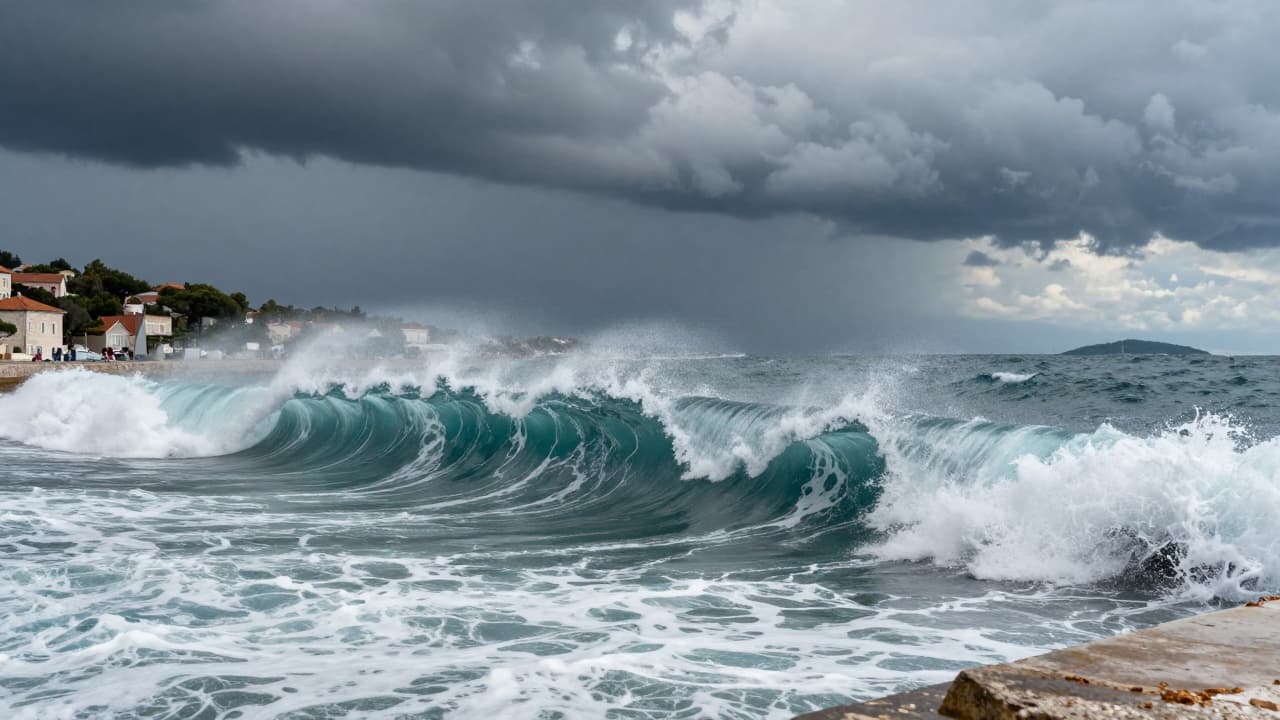
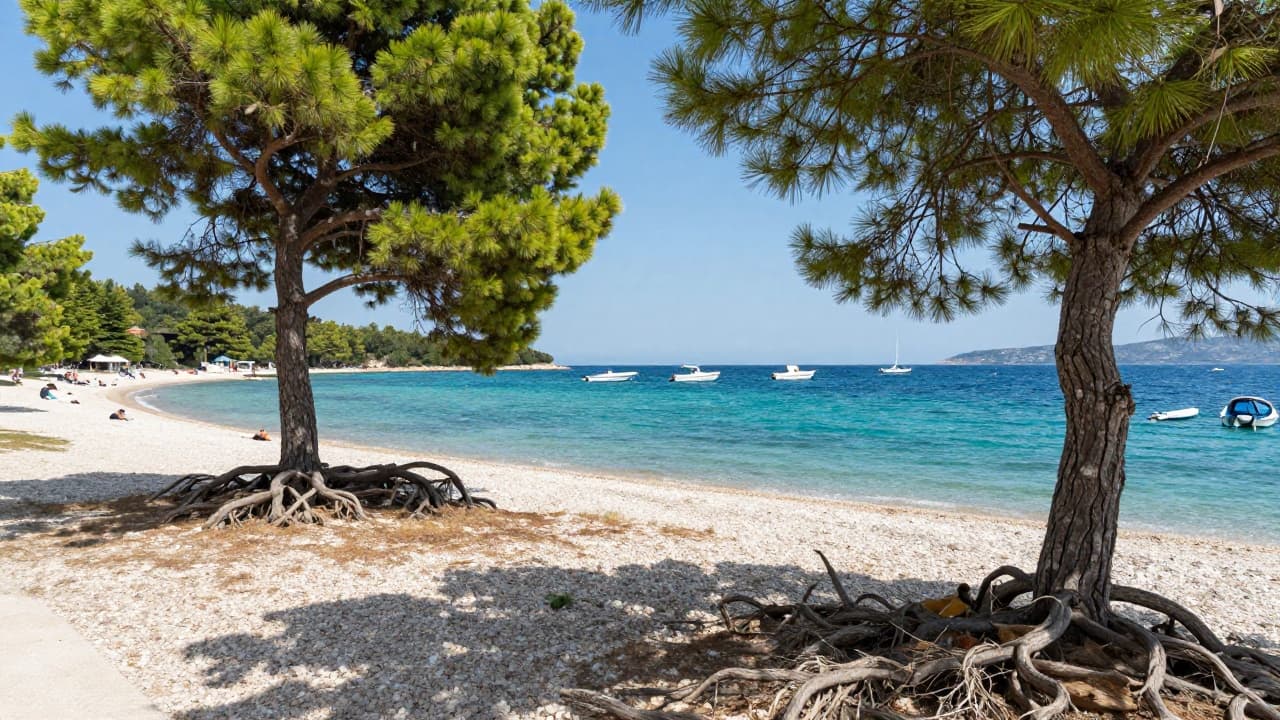
The sea is reaching the roots of the pines on Zlatni rat, and there is less and less shingle in parts of the beach. The sea has also undermined and felled pines on the spit on the western side of Zlatni rat, which is not uncommon after severe storms. Islanders note that ship propellers also contribute to erosion and destruction, causing the loss of shingle.
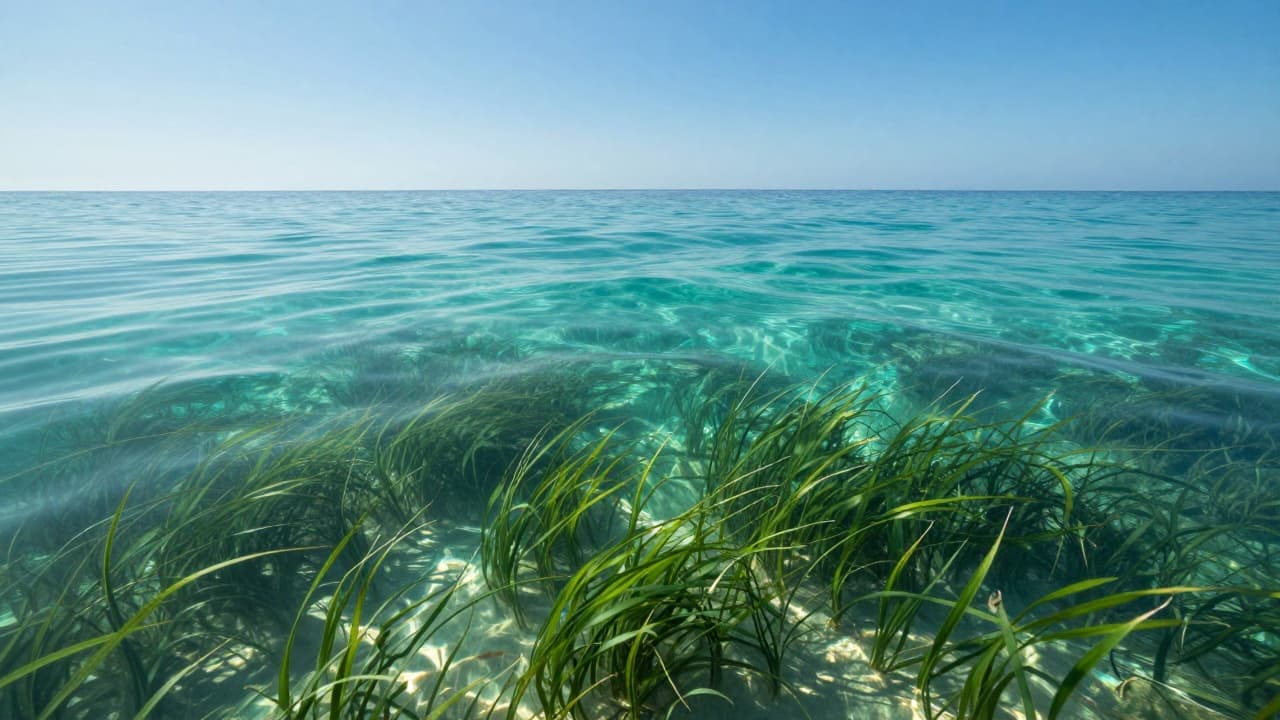
Anchoring of vessels in the immediate vicinity of the beach is highlighted as a pressing problem. Uncontrolled anchoring of boats and catamarans destroys seagrass (Posidonia) which stabilises the seabed, while waves from propellers and large vessels constantly carry shingle away from the underwater ridge. Anchoring directly affects Posidonia meadows, which are important habitats for numerous marine organisms and play a role in sediment stabilisation and mitigating coastal erosion. Shoreline reclamation in the surrounding area has permanently altered sea currents that have naturally fed and shaped Zlatni rat for millennia.
Anchoring is regulated by the Regulation on the Safety of Maritime Navigation in Internal Sea Waters and the Territorial Sea of the Republic of Croatia. According to this regulation, anchoring is prohibited at a distance of less than 150 metres from a natural beach, or 50 metres from the beach rope of an organised bathing area. In July 2024, the association Sunce, together with the Public Institution More i krš, the Municipality of Bol and other partners, carried out an information campaign for sailors at Zlatni rat, aiming to warn them of the damage anchors can cause to sensitive underwater meadows. The 2024 Plan for the Arrangement of Nautical Anchorage Sites in Split-Dalmatia County mentions enormous nautical pressure and uncontrolled anchoring near Zlatni rat.
Residents of Brač are demanding an urgent and strict ban on anchoring around the beach and the introduction of ecological buoys, remediation and protection of the edge of the pine forest to prevent further tree felling, and sustainable management as a priority, where tourist profit must not take precedence over nature protection. Social media mentions the possibility that certain coastal interventions have altered the natural movement of the sea and shingle.
Bol Mayor Katarina Marčić reported in March 2026 that the Municipality had produced a Study of Coastal Erosion and Posidonia Fields and a Map of Geohazards of the Underwater Area of Zlatni rat. The Public Institution More i krš has prepared a project task for the systematic monitoring of beach feeding processes, and one-year monitoring and analysis of the marine and land parts of Zlatni rat are planned so that future decisions are scientifically based. The value of the research is more than 375,000 euros excluding VAT.
Zlatni rat is a unique geomorphological phenomenon created by the long-term action of waves, sea currents and sediment deposition. The tip of the beach can rotate towards the east or west, depending on weather conditions. It has been protected as a significant landscape since 1965, and the underwater area of Zlatni rat is included in the European ecological network Natura 2000.