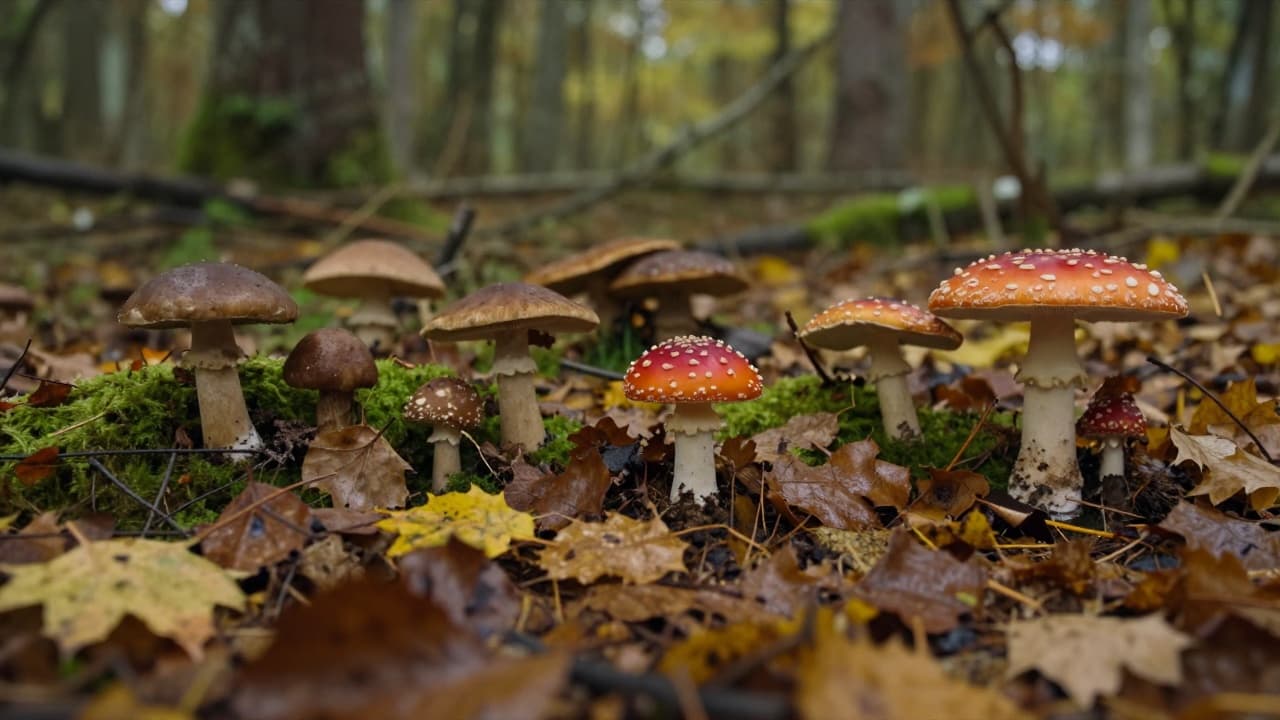
Autumn has brought a true wealth of mushrooms to Marjan, and among the forest specimens hide highly toxic species. In the Botanical Garden and the Marjan forest, a veritable explosion of mushrooms is being witnessed, with two fascinating examples recorded. The Facebook page of Park-šume Marjan (Marjan Forest Park) highlighted that there are many mushrooms in the Marjan forest these days, including toxic species that can easily be mistaken for edible ones.
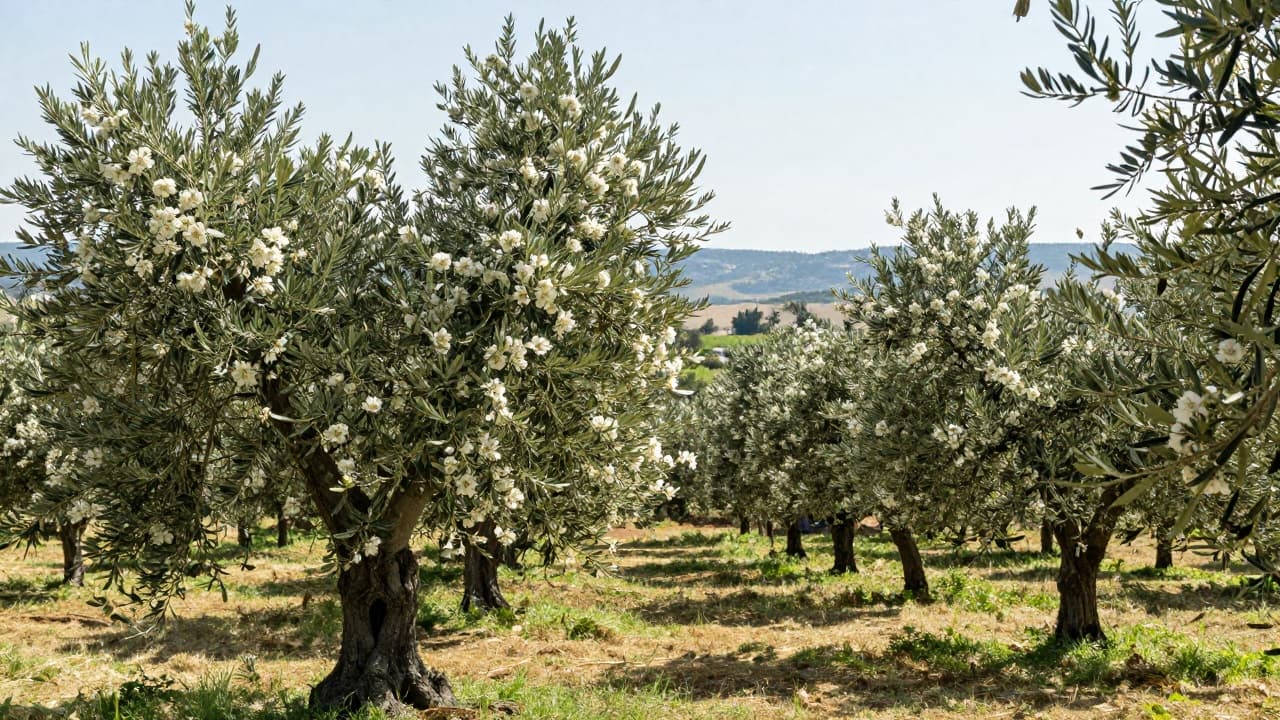
The first three photographs show a beautiful, bright orange cluster of mushrooms photographed next to an olive tree. This is the toxic Jack-o'-lantern mushroom (Omphalotus olearius), an extremely poisonous species whose scientific name olearius literally means "of the olive". This mushroom is exceptionally common in Dalmatia, and in the dark, its gills have the ability to emit a faint bioluminescence – to glow. The toxic Jack-o'-lantern mushroom is a frequent victim of being mistaken for the edible chanterelle, which is why experts warn of the danger of misidentifying mushrooms.
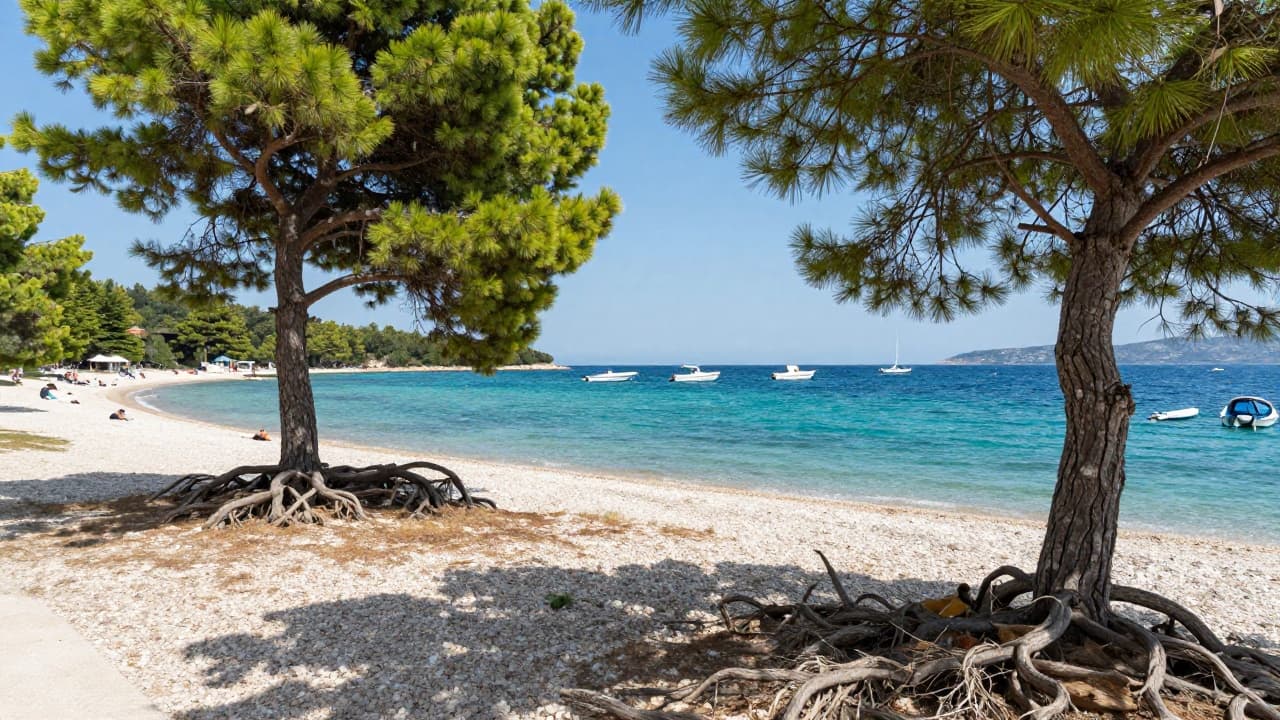
The second example is a large cream-white mushroom with distinctive patchy remnants on the edge of the cap, growing under pines – the egg-shaped Amanita (Amanita ovoidea). Although traditionally considered edible, it carries a huge risk. In the Mediterranean belt, on the same terrain and at the same time of year, the deadly toxic lookalike of the egg-shaped Amanita – the close Amanita (Amanita proxima) – grows. The egg-shaped Amanita and the close Amanita are visually almost identical, and the key difference between them – the colour of the volva at the base of the stipe – lies hidden in the ground. Even experienced foragers avoid picking the egg-shaped Amanita, and the golden rule for it applies: admire it, but leave it in the forest.
Mushrooms are not just "ornament" for the forest or a potential lunch. They are a crucial link in the food chain because they break down organic matter, such as old olive wood or pine needles, and turn it into nutrient-rich humus. Without mushrooms, the forest would suffocate in its own waste. What is seen in mushrooms is only the "fruit", while underground hides the mycelium – a huge, sensitive network that lives in symbiosis with tree roots and helps them absorb water and minerals.
These mushrooms do not pose a danger only to humans but also to dogs. Toxins from toxic mushrooms can cause severe, even fatal, poisoning in dogs, which is why caution is required when encountering mushrooms, especially for the safety of children and pets. The golden rule for foragers is: never guess; if you are not sure which species of mushroom it is, leave it where it grows.